In 2026, industrial mother machines will matter more than ever as manufacturers face tighter tolerances, faster innovation cycles, and rising pressure from aerospace and NEV markets. For business decision-makers, these foundational systems are no longer just production assets—they are strategic levers for precision, resilience, automation, and global competitiveness across advanced manufacturing.
The term industrial mother machines covers the core equipment that creates other machines, parts, and production capabilities. In practical terms, they define what a factory can make, how accurately it can deliver, and how fast it can adapt.
For AMTS, this topic sits at the center of advanced manufacturing intelligence. From 5-axis CNC machining to laser cutting, press braking, turning, and waterjet cutting, the value of industrial mother machines now depends on scenario fit, not equipment labels alone.
Why scenario judgment matters for industrial mother machines in 2026
In 2026, one machine category may serve completely different business goals. A 5-axis center for turbine blades is not judged by the same metrics as a laser cutter for EV battery enclosures.
That is why industrial mother machines must be evaluated through use cases. Precision, thermal stability, automation compatibility, and export-risk exposure vary by application, material, and production rhythm.
The most important shift is strategic. Advanced factories increasingly compete through process windows, uptime, software control, and supply chain security, not only through installed machine count.
AMTS tracks this shift across aerospace structures, NEV lightweight parts, medical components, semiconductor support parts, and flexible sheet metal systems. Each scenario changes what “best” means for industrial mother machines.
Scenario 1: Aerospace precision pushes industrial mother machines to their limits
Aerospace remains the clearest case where industrial mother machines directly shape national and commercial competitiveness. Parts are complex, materials are difficult, and failure costs are extremely high.
In this scenario, 5-axis CNC machining centers are critical. They must hold micron-level tolerances on blisks, structural nodes, and turbine components while maintaining geometric consistency across long cycles.
Core judgment points in aerospace
- RTCP performance under complex toolpath motion
- Spindle thermal stability during long machining windows
- Capability with titanium, Inconel, and carbon fiber-related workflows
- In-process measurement and traceability integration
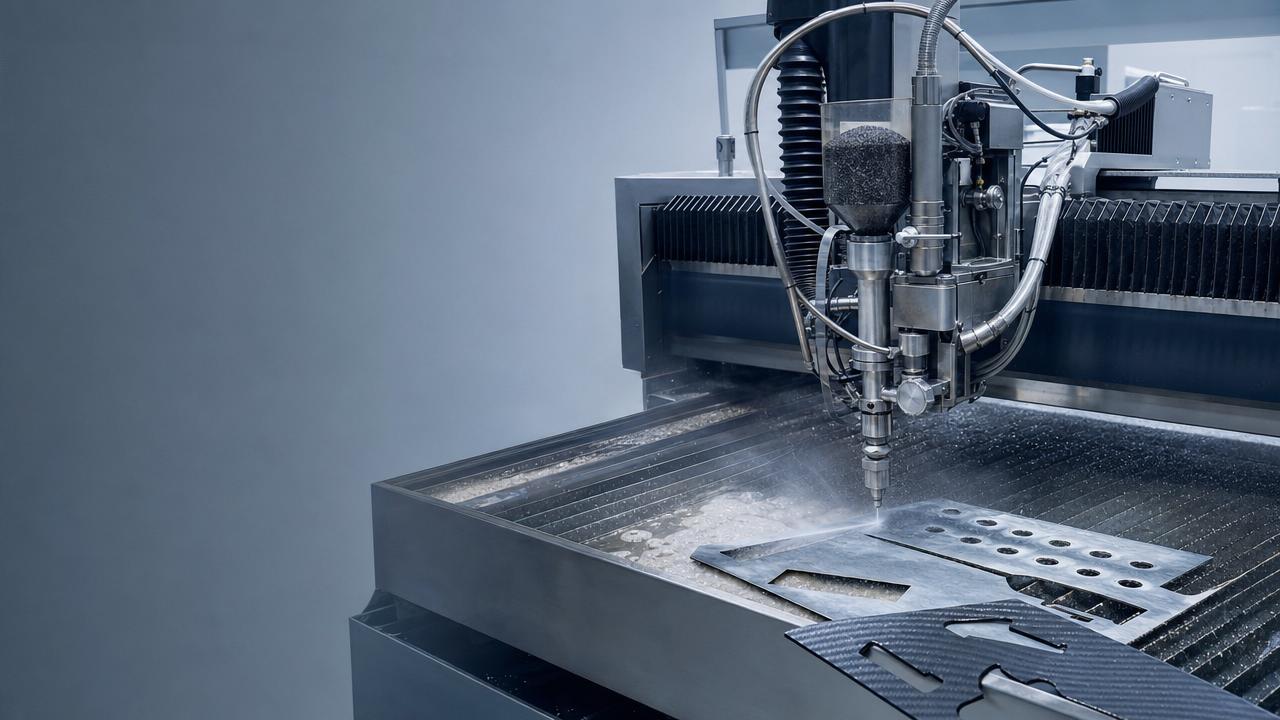
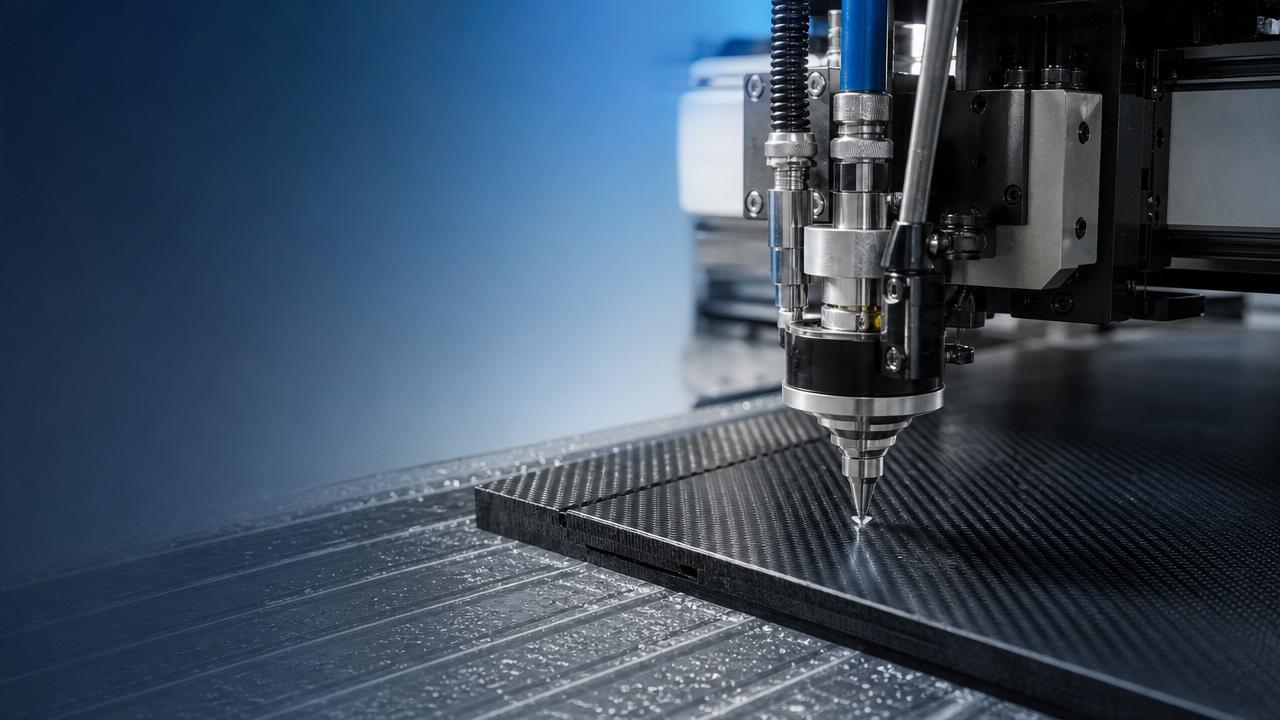
For aerospace composites and heat-sensitive stacks, industrial mother machines also include waterjet systems. Their cold cutting capability avoids Heat-Affected Zone issues that can damage structural performance.
Scenario 2: NEV scaling makes industrial mother machines a speed-and-flexibility game
The NEV sector changes the logic of equipment value. Volumes rise quickly, model refresh cycles shorten, and lightweight materials create constant process redesign pressure.
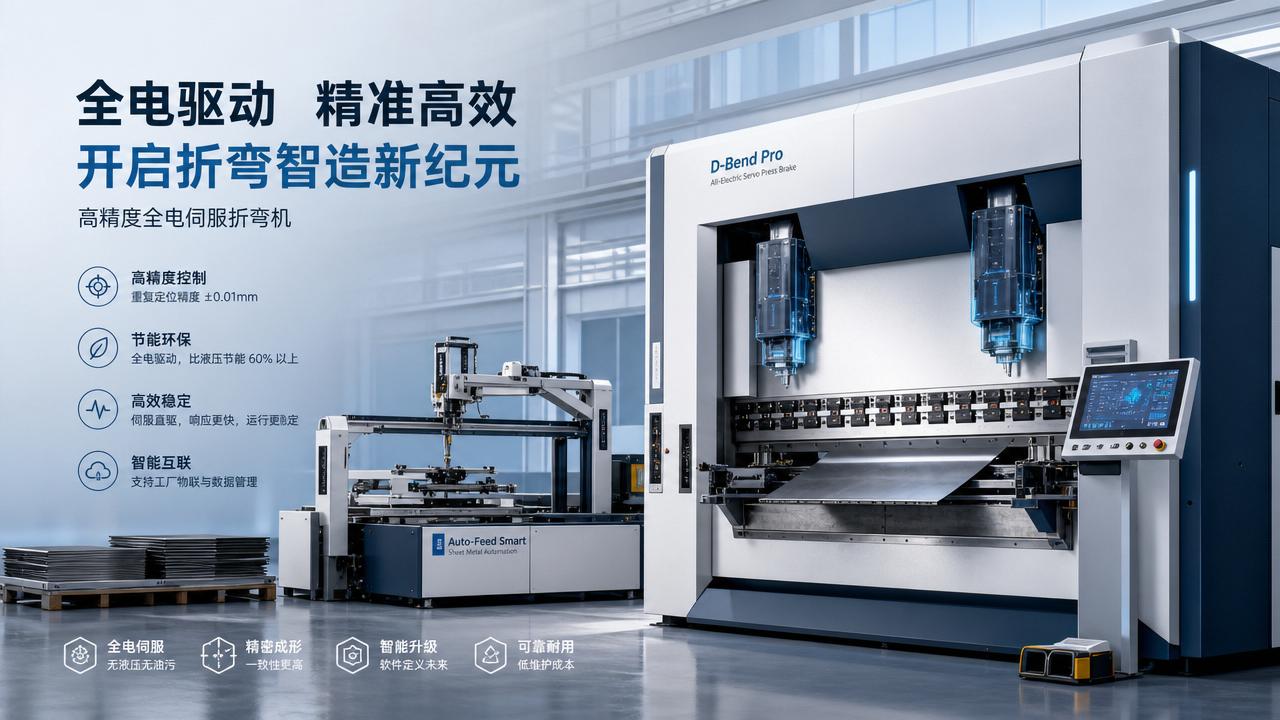
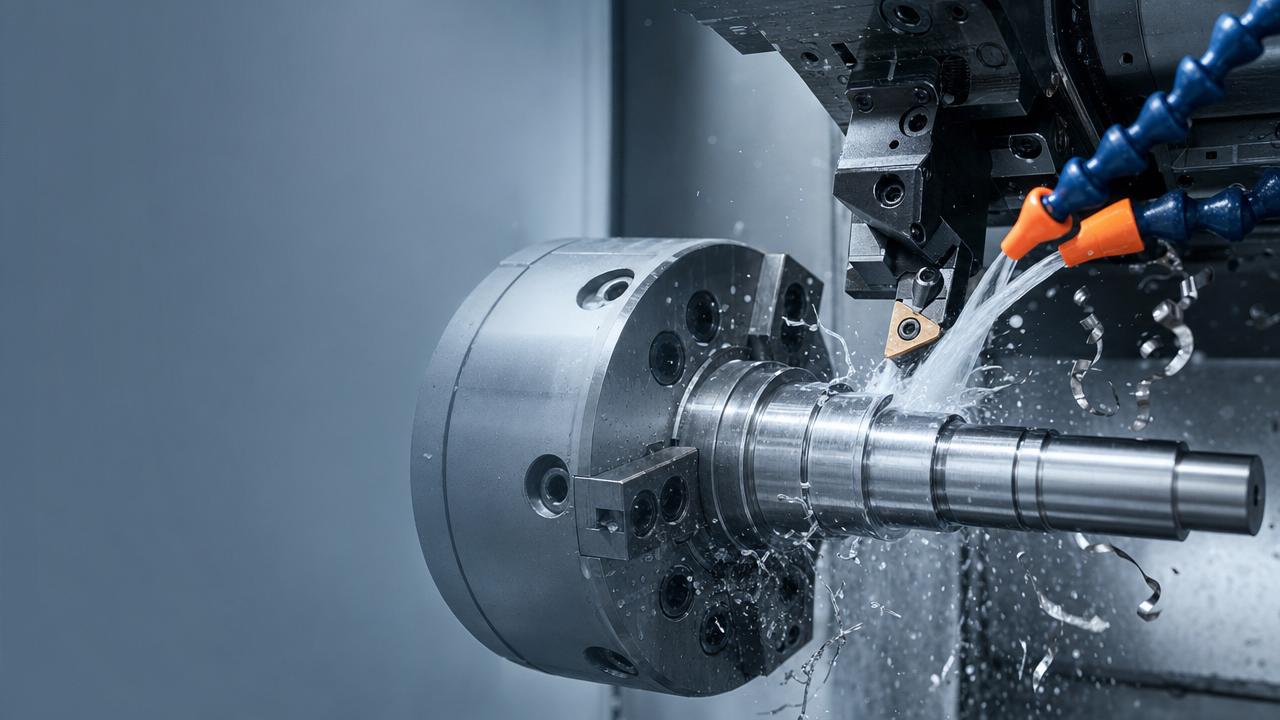
Here, industrial mother machines must combine precision with throughput. Fiber laser cutting, CNC press brakes, and automated turning systems become central to body structures, battery housings, and drivetrain components.
Core judgment points in NEV production
- Cycle time performance for high-mix production
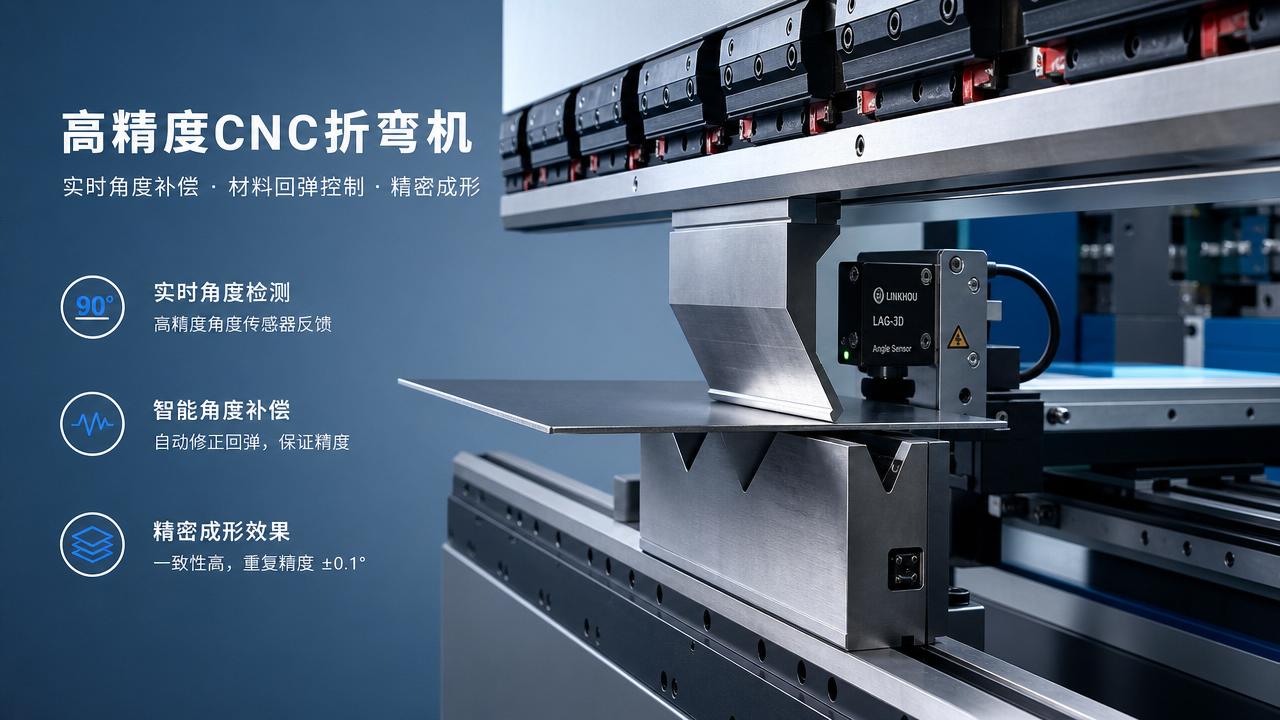
- Angle consistency across aluminum and high-strength steel
- Laser edge quality for downstream joining
- Robotic loading and unmanned cell compatibility
This is where industrial mother machines become strategic levers. Faster setup changes, stable software architecture, and integrated automation can reduce model-switch friction and protect margin during demand swings.
Scenario 3: Medical and micro-precision applications reward control over scale
Not every high-value sector needs giant machine envelopes. In medical implants, dental parts, and precision micro-components, industrial mother machines are judged by repeatability, surface integrity, and process cleanliness.
Swiss-type CNC lathes, compact multi-axis systems, and ultrafast laser platforms matter because tiny deviations create large downstream consequences. A small part often demands a larger control discipline.
In these scenarios, industrial mother machines must support stable tool compensation, low-vibration cutting, and highly reliable dimensional control across extended unattended runs.
Scenario 4: Flexible sheet metal environments need connected industrial mother machines
Sheet metal environments face constant variation in thickness, batch size, and product geometry. That makes standalone machine performance less important than connected process performance.
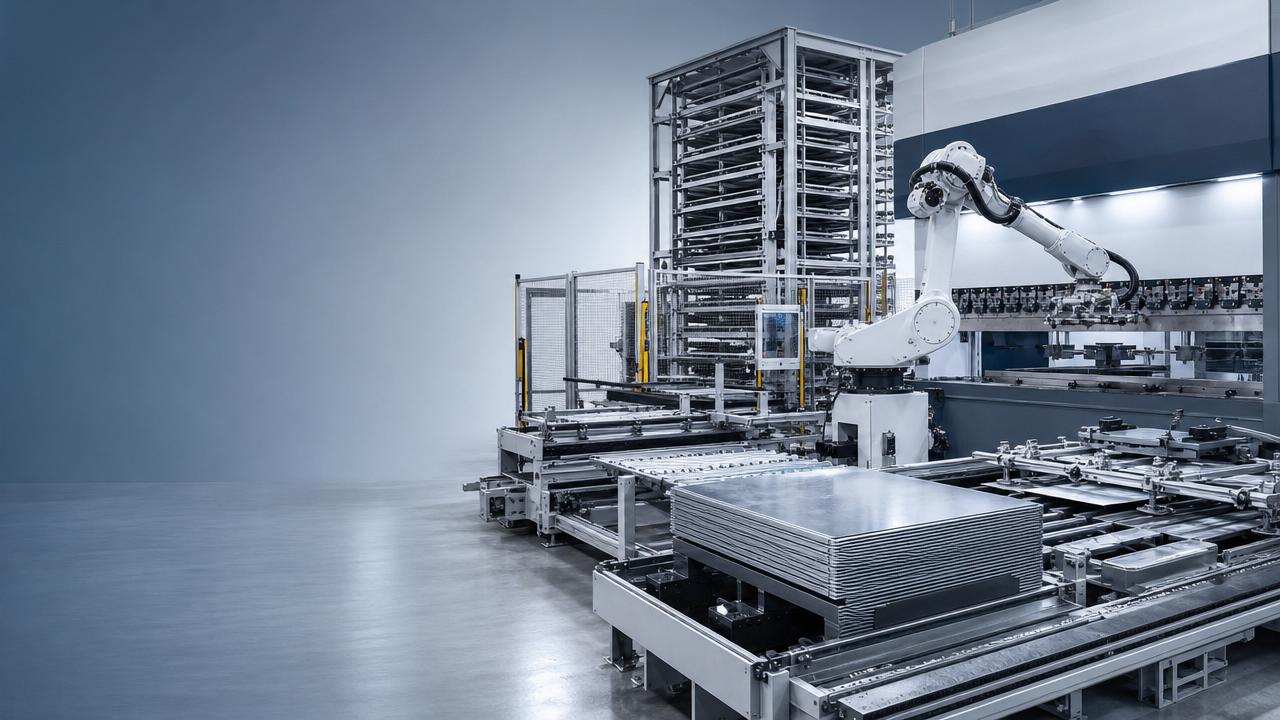
In this setting, industrial mother machines include laser cutters and CNC press brakes linked by software, material flow logic, and real-time compensation systems.
A machine with strong nominal accuracy may still underperform if nesting, bend sequencing, and robotic handling are weak. In 2026, integration quality becomes a major buying criterion.
How demand differs across industrial mother machines by scenario
Practical ways to match industrial mother machines to the right scenario
A strong decision framework starts with process reality. Instead of comparing brochures, compare failure modes, tolerance chains, and changeover patterns.
- Map critical parts by geometry, material, and cycle sensitivity.
- Prioritize industrial mother machines that protect the narrowest process window.
- Check CNC system openness, data interface quality, and automation readiness.
- Evaluate core component supply stability, including scales, spindles, and controls.
- Model lifecycle value, not just initial purchase cost.
For many facilities, the best industrial mother machines are those that preserve output quality during labor variation, material substitution, and policy-driven supply disruptions.
Common misjudgments that weaken industrial mother machines strategy
A frequent mistake is treating all precision as equal. Static positioning accuracy does not guarantee stable accuracy under heat, vibration, and full-path dynamics.
Another mistake is overvaluing machine hardware while undervaluing software intelligence. In 2026, industrial mother machines win through control algorithms, compensation logic, and connected cell behavior.
Some operations also ignore downstream effects. Laser edge quality affects welding. Press brake consistency affects assembly. Turning stability affects balancing and fatigue performance.
A final blind spot is geopolitical and supply chain risk. Industrial mother machines rely on critical subsystems whose availability can shift quickly under export control changes.
Why AMTS tracks industrial mother machines beyond the machine itself
AMTS follows industrial mother machines as a complete intelligence system. That means observing machine structures, CNC evolution, process physics, component supply chains, and sector-specific demand shifts together.
This integrated view matters because a machine’s value is shaped by more than specifications. It is shaped by how well it supports aerospace complexity, NEV acceleration, dark factory automation, and precision manufacturing credibility.
From RTCP developments to laser melt pool behavior and robotic press brake integration, the most useful insight connects technology detail with business consequence.
What to do next with industrial mother machines planning in 2026
Start by ranking production scenarios, not equipment categories. Identify where tolerance loss, cycle instability, or integration weakness creates the highest commercial risk.
Then compare industrial mother machines against those exact scenarios. Review automation interfaces, software depth, material adaptability, and core component resilience before making any capacity decision.
AMTS helps turn that evaluation into an informed strategy. With focused intelligence on 5-axis CNC machining, turning, laser cutting, press braking, and waterjet systems, it supports more precise decisions in a more demanding manufacturing era.
In 2026, industrial mother machines matter because they define what advanced industry can reliably build next. The right scenario-based choice does more than improve output. It strengthens future manufacturing power.
Product Recommendations
 Abrasive Delivery SystemsIndustrial Waterjet Cutters: Abrasive Costs That Erode MarginsAnalyst :5-Axis Machining Scientist
 All-Electric Press BrakesAll-Electric Servo Drives: Energy Savings vs Upgrade CostAnalyst :Precision Turning Architect
 All-Electric Press BrakesReal-Time Angle Compensation: What It Fixes and What It Doesn'tAnalyst :Precision Turning Architect
 Latest Sector NewsHigh-Strength Steel Machining: Tool Life Myths to AvoidAnalyst :Dr. Alistair Vaughn
 3D 5-Axis LaserComposite Material Cutting Without Delamination: Key MethodsAnalyst :
 Robotic Bending CellsAutomated Sheet Metal Forming: Hidden Setup Costs ComparedAnalyst :Precision Turning Architect