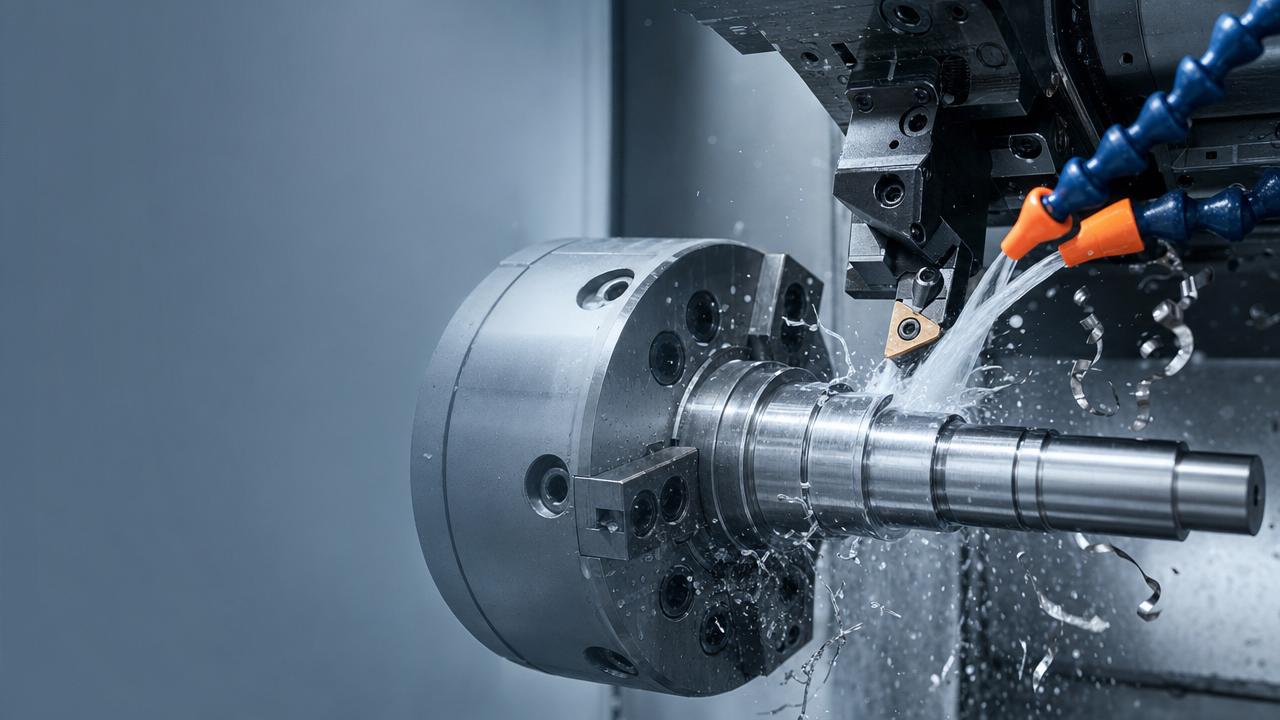
Early wear in marine drive shafts rarely appears as a sudden disaster. It usually starts with small changes in vibration, noise, temperature, and surface condition.
In marine operations, missing these signals can trigger bearing damage, seal failure, coupling wear, and expensive propulsion downtime. Spotting early wear in marine drive shafts supports safer maintenance planning and steadier vessel performance.
This matters across the wider industrial field as well. Precision inspection, alignment control, and shaft surface evaluation connect marine reliability with advanced machining, turning accuracy, and lifecycle-focused equipment management.
Why operating context changes how marine drive shafts wear
Not all marine drive shafts fail in the same way. Wear patterns depend on load cycles, shaft diameter, support design, lubrication quality, and the surrounding environment.
A patrol vessel running at high speed faces different stress than a harbor tug with repeated torque spikes. A commercial craft in silty water also experiences different sealing and corrosion risks.
That is why early inspection should be scenario-based. The same vibration level or surface mark may have different meanings across applications.
Core factors that shape early wear
- Misalignment between engine, gearbox, coupling, and shaft line
- Abrasive contamination in bearings or stern tube areas
- Surface corrosion from saltwater exposure and stray current
- Overload events, shock loading, or propeller impact
- Poor lubrication film stability during long duty cycles
Scenario 1: High-speed craft where vibration is the first warning
In high-speed applications, early wear in marine drive shafts often shows up through subtle vibration before visible damage appears.
The vessel may still meet speed targets, yet operators notice a new resonance band, slight floor tremor, or steering feel change at certain RPM ranges.
These symptoms can point to coupling wear, shaft imbalance, bent sections, or early bearing distress. Even small runout can become critical at higher rotational speed.
What to check first
- Trend vibration by RPM, not only by overall amplitude
- Inspect coupling faces for uneven contact marks
- Measure shaft runout at several positions
- Check bearing temperatures after stable cruising
Scenario 2: Workboats with torque shocks and alignment drift
Tugs, fishing vessels, and utility boats often experience repeated load changes. In these conditions, marine drive shafts may wear from torque shock rather than pure speed.
Frequent reversing, abrupt throttle transitions, and towing resistance can gradually loosen alignment stability. The shaft system may develop uneven wear at support points.
Typical signs include intermittent knocking, coupling bolt loosening, edge polishing on contact surfaces, and seal leakage after heavy-duty shifts.
Judgment points in shock-load service
Look beyond obvious cracks. Early wear in marine drive shafts in workboats often appears as cumulative distortion, micro-fretting, and repeated alignment drift.
- Compare alignment readings before and after loaded operations
- Inspect keyways and fitted surfaces for fretting debris
- Verify bolt preload and coupling concentricity
- Review overload history and propeller strike records
Scenario 3: Corrosive or dirty water where surface damage starts early
Marine drive shafts operating in muddy harbors, shallow coastal routes, or aggressive saltwater can show wear through surface changes first.
Scoring, pitting, discoloration, and fine groove formation around seal tracks are common early indicators. These may look minor, but they often accelerate seal and bearing problems.
When contaminants enter lubrication zones, abrasive wear can rise quickly. That makes shaft finish quality and material condition especially important.
Surface clues that should not be ignored
- Circumferential scoring near seal contact bands
- Localized corrosion pits that disturb smooth rotation
- Bluing or heat tint linked to friction problems
- Polished zones beside rough zones, suggesting miscontact
How requirements differ across marine drive shafts applications
Practical inspection methods that fit each scenario
A good inspection routine for marine drive shafts combines visual evidence, dimensional checks, and operating data. One method alone is rarely enough.
Recommended field checklist
- Listen for new tonal noise during startup, cruise, and deceleration.
- Record vibration by speed band and compare with previous service data.
- Inspect marine drive shafts for scoring, pitting, and uneven polish.
- Measure shaft runout, coupling alignment, and axial movement.
- Check bearing and seal temperatures after sustained operation.
- Review lubrication condition for contamination, metal debris, or discoloration.
For higher-value shaft systems, precision metrology is worth using. Dial indicators, laser alignment tools, and surface finish checks can reveal wear before failure becomes visible.
This is where advanced manufacturing insight also matters. Accurate turning, grinding, and finishing quality influence how long marine drive shafts resist early wear in service.
Common mistakes when judging early wear in marine drive shafts
One common mistake is blaming the propeller for every vibration issue. In reality, marine drive shafts may already have alignment or bearing problems upstream.
Another mistake is treating minor surface marks as cosmetic only. Small grooves or pits can quickly damage seals and raise wear rates.
Some inspections also rely too much on static checks. A shaft line may appear acceptable at rest, yet drift under heat, load, or hull movement.
- Do not ignore trends just because absolute values still seem acceptable
- Do not separate shaft inspection from bearings, couplings, and seals
- Do not postpone action when repeated symptoms return after service
What to do next when early wear signs appear
When early wear in marine drive shafts is detected, the next step should match the severity and scenario. Not every issue requires immediate replacement, but every issue requires documented follow-up.
Start by classifying the symptom. Is it vibration-related, surface-related, alignment-related, or temperature-related? Then confirm whether supporting components show linked damage.
A practical response plan includes short-interval reinspection, tighter monitoring, and targeted measurement. If the shaft finish, geometry, or fit is outside tolerance, repair or replacement planning should begin early.
For organizations tracking reliability across fleets or heavy rotating assets, the same principle applies broadly: precise manufacturing quality, disciplined inspection, and trend-based maintenance prevent small wear from becoming major operational loss.
If marine drive shafts are critical to uptime, build a scenario-based checklist now, compare readings after each service interval, and escalate recurring signs before they become a propulsion failure.
Product Recommendations
 Abrasive Delivery SystemsIndustrial Waterjet Cutters: Abrasive Costs That Erode MarginsAnalyst :5-Axis Machining Scientist
 All-Electric Press BrakesAll-Electric Servo Drives: Energy Savings vs Upgrade CostAnalyst :Precision Turning Architect
 All-Electric Press BrakesReal-Time Angle Compensation: What It Fixes and What It Doesn'tAnalyst :Precision Turning Architect
 Latest Sector NewsHigh-Strength Steel Machining: Tool Life Myths to AvoidAnalyst :Dr. Alistair Vaughn
 3D 5-Axis LaserComposite Material Cutting Without Delamination: Key MethodsAnalyst :
 Robotic Bending CellsAutomated Sheet Metal Forming: Hidden Setup Costs ComparedAnalyst :Precision Turning Architect