In micron-level machining, production speed is no longer the only challenge—inspection accuracy, repeatability, and response time often define true throughput. For quality control and safety teams, even tiny measurement delays can ripple into costly scrap, compliance risks, and unstable process capability. Understanding when inspection becomes the bottleneck is now essential to sustaining precision, traceability, and competitive manufacturing performance.
Why micron-level machining often outpaces inspection capacity
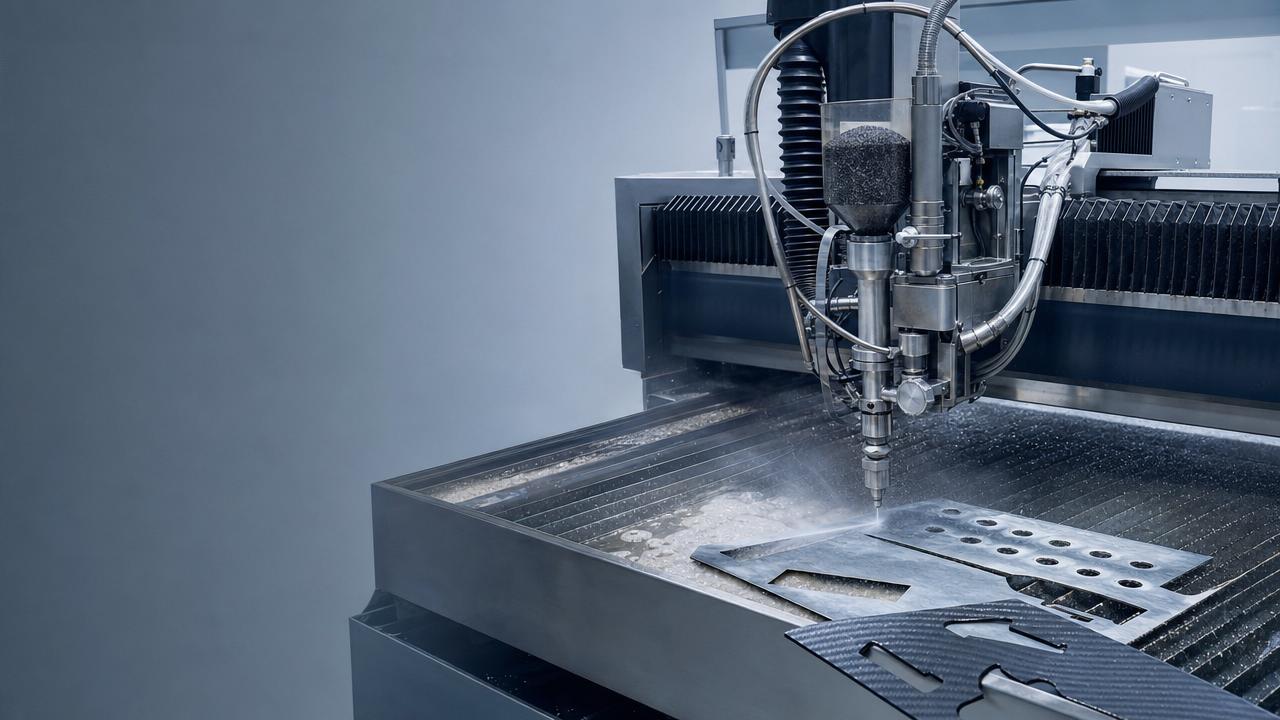
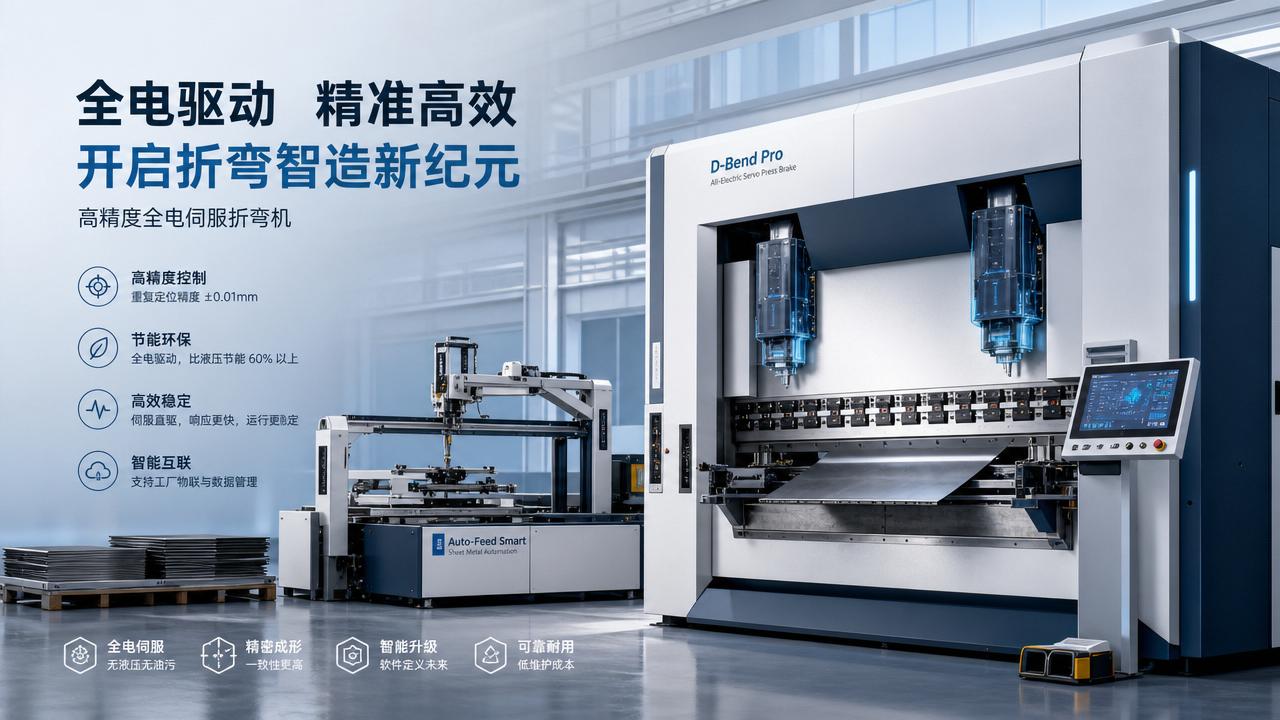
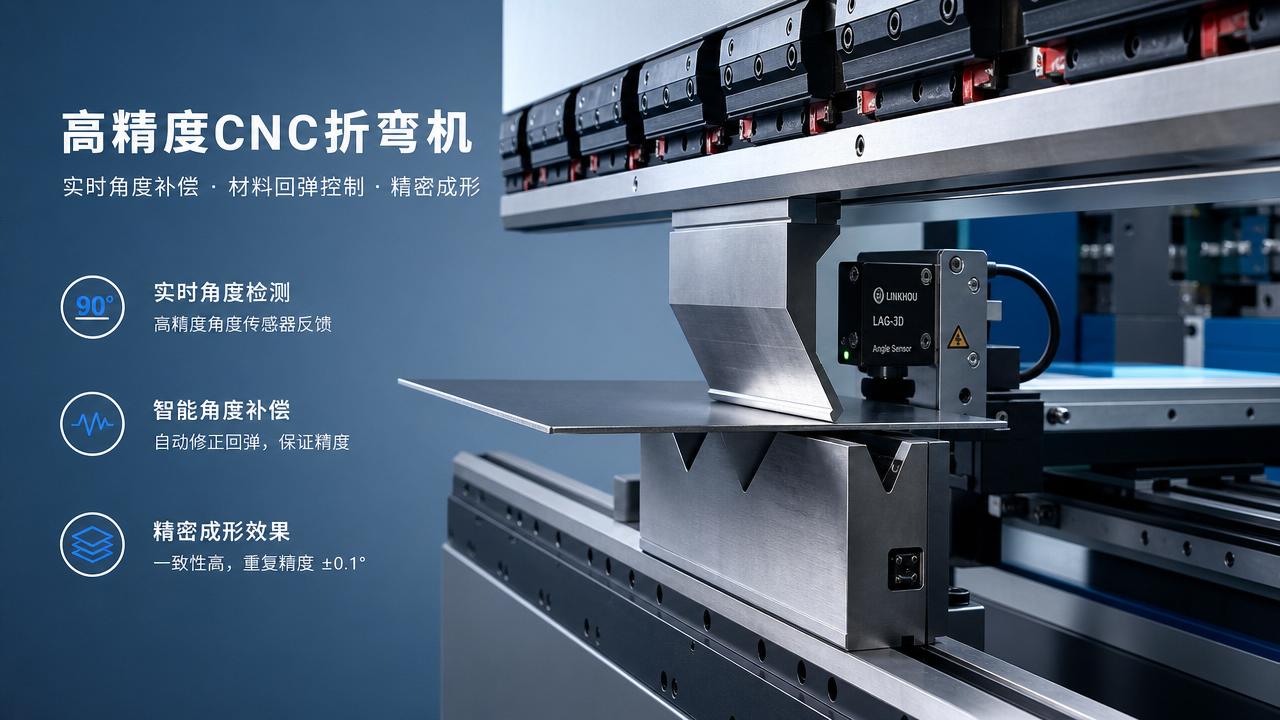
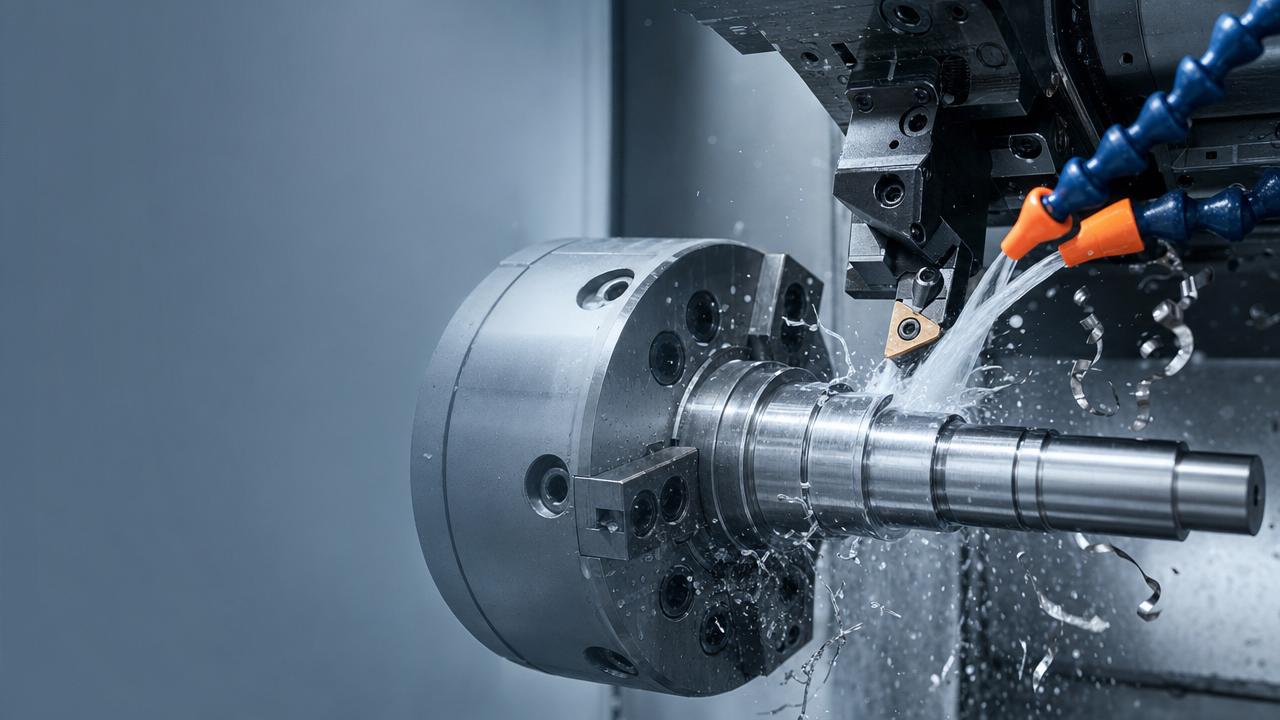
Micron-level machining has changed the economics of precision manufacturing. Modern 5-axis CNC machining centers, high-rigidity CNC lathes, laser cutting systems, press brakes with real-time compensation, and industrial waterjet cutters can now produce parts faster and with tighter tolerances than many inspection systems can verify in real time. For quality control personnel, that imbalance creates a hidden choke point. For safety managers, it raises concerns about unverified parts moving downstream into assembly, pressure testing, or field use.
The bottleneck rarely comes from one issue alone. It usually emerges from stacked delays: fixture changeovers for metrology, measurement program loading, thermal stabilization time, part handling risk, operator interpretation differences, and manual data logging. In high-mix, low-volume environments, inspection planning can become more complex than machining itself.
AMTS tracks this shift closely across advanced manufacturing sectors where micron-level physical tolerances and CNC algorithm performance must align. In aerospace and NEV production, the question is no longer only whether a machine can cut to tolerance. The real question is whether the factory can verify that tolerance quickly enough to protect capability, compliance, and delivery.
- Cycle times on machining centers have fallen due to better toolpaths, RTCP functions, and stable servo control.
- Inspection routines often remain sequential, labor-intensive, and vulnerable to environmental variation.
- Quality decisions are increasingly expected in-process, not hours later in a separate metrology room.
- Safety and traceability requirements demand stronger data integrity than handwritten or disconnected workflows can provide.
What “inspection bottleneck” means in practical terms
In a precision environment, an inspection bottleneck appears when measurement speed, repeatability, or reporting capacity limits the usable output of the machining process. The machine spindle may be available, the tooling may be stable, and the process window may be acceptable, yet shipments still slow down because parts wait too long for dimensional release or nonconformance review.
Where quality and safety teams feel the pressure first
Quality control personnel are usually the first to see the mismatch between machining capability and inspection throughput. Safety management teams often see the downstream effects: incomplete traceability, uncertain release status, rushed deviations, and greater exposure in regulated or mission-critical applications. Micron-level machining amplifies these risks because errors that look small numerically may be large functionally.
Consider a blisk feature on a 5-axis machined aerospace component, a sealing diameter on a precision turned medical or fluid-control part, or a laser-cut battery enclosure feature that affects assembly fit. In each case, the tolerance may be only a few microns or a narrow geometric band. A measurement delay does not simply postpone a report; it delays process correction, increases the chance of batch-level scrap, and can allow unstable parts to enter later operations.
Common operational symptoms
- First-article approval takes longer than the machining setup it is meant to validate.
- Operators queue parts for CMM access instead of adjusting the process immediately.
- SPC charts are updated too late to prevent drift rather than record it afterward.
- Critical safety features are measured manually because programmed methods are overloaded.
- Engineering, production, and quality teams use different data versions for the same part.
Which processes are most vulnerable in micron-level machining?
Not every process creates the same inspection challenge. The issue becomes most severe where geometry is complex, materials are sensitive, or the tolerance stack affects downstream function. AMTS follows these pressure points across machine tool categories because the inspection strategy must match the manufacturing physics involved, not just the nominal dimension on the print.
The table below summarizes where micron-level machining most often overwhelms conventional inspection workflows and what quality teams should watch.
The pattern is clear: the more advanced the machining process becomes, the less effective generic inspection routines tend to be. Quality and safety teams need process-specific metrology planning, not a one-size-fits-all measuring sequence.
Why inspection becomes the real throughput limiter
Throughput in micron-level machining depends on how quickly the factory can detect, interpret, and react to variation. If a part is measured only after a long queue, the machining center may continue producing drifted features. If the inspection method is overly manual, repeatability suffers. If reporting is disconnected from production control, corrective action starts too late.
This is especially relevant in facilities serving aerospace and NEV programs, where lightweight materials, complex geometries, and high documentation expectations converge. AMTS emphasizes the linkage between precision mechanics and intelligence systems because measurement data without operational context has limited value.
Five root causes behind the bottleneck
- Measurement is still separated from the process. Parts leave the machine cell before critical checks happen, adding transfer, wait time, and risk of handling damage.
- Tolerance analysis is incomplete. Teams inspect all dimensions with the same urgency instead of prioritizing key control characteristics and safety-related features.
- Metrology capacity does not match production mix. One CMM strategy rarely supports both freeform 5-axis parts and fast-turn precision cylindrical work efficiently.
- Environmental control is underestimated. At micron scale, temperature, vibration, cleanliness, and fixturing behavior directly affect data credibility.
- Data loops are too slow. Measurement results are not automatically linked to machine offsets, tooling wear trends, or process alarms.
How to evaluate an inspection strategy for micron-level machining
For procurement, process engineering, and compliance planning, the best question is not “Which measuring device is most accurate?” The better question is “Which inspection architecture supports the production risk of this part family?” That includes speed, repeatability, traceability, operator dependence, integration effort, and response time to nonconformance.
The comparison below helps quality control and safety management teams assess inspection options against real manufacturing conditions.
This comparison also supports budgeting. A lower purchase cost may not mean lower operational cost if the method creates queues, retesting, or manual reconciliation work. For quality teams, the real metric is cost per valid and timely decision.
Practical selection checklist
- Map critical features by function, not only by nominal tolerance.
- Separate first-article, in-process, final release, and audit measurement needs.
- Estimate queue time and handling risk, not only instrument measuring speed.
- Confirm data output formats for traceability and compliance review.
- Review whether the chosen approach can scale across future part variants.
Standards, compliance, and documentation: what cannot be overlooked
For safety-related and regulated production, inspection is not only a technical task. It is part of the compliance chain. Quality teams typically align processes with recognized frameworks such as ISO 9001 for quality management, sector-specific controls where applicable, and metrology practices tied to calibration, measurement system analysis, and traceable records. The exact standard set depends on the sector, but the principle remains the same: if the measurement result cannot be trusted, the release decision cannot be defended.
Micron-level machining increases the importance of documented method control. Probe qualification routines, fixture verification, environmental logging, revision control of programs, and nonconformance escalation paths should all be defined clearly. Safety managers should also verify whether inspection records can support incident investigation, supplier audit response, and field quality containment when needed.
Documentation priorities for quality and safety teams
- Calibration status and traceability of measuring equipment used on critical features.
- Version control for part programs, inspection routines, and acceptance criteria.
- Evidence of repeatability studies for methods used in high-risk dimensions.
- Clear linkage between nonconformance findings and containment action timing.
How AMTS helps close the gap between machining precision and inspection reality
AMTS is positioned at the intersection of machine capability, process intelligence, and industrial decision-making. That matters because quality and safety leaders do not need isolated machine news; they need connected understanding. When a 5-axis machining center adopts more advanced RTCP behavior, when a fiber laser pushes new material thickness limits, or when an automated press brake cell changes throughput assumptions, the inspection model must evolve too.
By tracking global high-end equipment dynamics, core component supply chains such as CNC systems and linear scales, and process evolution across machining, laser processing, and metal forming, AMTS helps teams see where tomorrow’s bottlenecks will emerge. That insight supports earlier planning for metrology capacity, compliance readiness, and risk control before production disruptions appear.
For organizations serving aerospace or NEV manufacturing, this perspective is particularly useful. Lightweighting, complex materials, and tighter tolerance expectations mean the gap between cutting capability and inspection capability can widen quickly. Strategic intelligence helps prevent reactive spending and fragmented quality workflows.
FAQ: key questions about micron-level machining and inspection bottlenecks
How can we tell if inspection is already the bottleneck in micron-level machining?
Look for indirect evidence: machines waiting for first-article approval, parts accumulating before final release, repeated remeasurement of the same features, and process adjustments made after large batch completion instead of during the run. If your measurement data arrives too late to prevent drift, inspection is already limiting throughput.
Which features should quality teams prioritize first?
Start with features that control function, safety, sealing, assembly fit, balance, or regulatory compliance. In micron-level machining, a small deviation on a datum structure, bearing seat, freeform profile, or battery enclosure interface may matter more than a larger deviation on a non-critical cosmetic feature. Prioritization should follow risk and function, not only drawing order.
Is faster measurement always the right answer?
No. Faster but unstable or poorly matched measurement can increase false accepts or false rejects. The objective is timely, repeatable, and actionable measurement. A balanced approach often combines in-process checks for rapid control with higher-detail offline verification for release and audit support.
What is the most common mistake in procurement planning?
Many teams buy inspection equipment based mainly on instrument accuracy or headline speed without modeling part mix, fixturing effort, program complexity, data integration, and staffing capability. In micron-level machining, the wrong workflow can erase the benefit of a technically capable device.
Why choose us for deeper evaluation and next-step planning
If your organization is dealing with micron-level machining challenges across 5-axis CNC, precision turning, laser cutting, press brake forming, or waterjet processing, AMTS can help you frame the inspection question correctly before it becomes a cost, compliance, or safety issue. Our value is not limited to equipment visibility. We connect machining physics, industrial intelligence, and sector demand trends so that quality and safety decisions are grounded in real production context.
You can engage with us for concrete topics such as parameter confirmation for precision processes, inspection and metrology selection logic, delivery-cycle implications of advanced machine configurations, custom solution direction for aerospace or NEV part families, certification and documentation considerations, sample evaluation planning, and quotation-stage comparison of different production routes.
When inspection becomes the bottleneck, solving it requires more than adding one more measuring step. It requires aligning machining capability, quality response speed, and risk control. That is where a better intelligence framework makes a measurable difference.
Product Recommendations
 Abrasive Delivery SystemsIndustrial Waterjet Cutters: Abrasive Costs That Erode MarginsAnalyst :5-Axis Machining Scientist
 All-Electric Press BrakesAll-Electric Servo Drives: Energy Savings vs Upgrade CostAnalyst :Precision Turning Architect
 All-Electric Press BrakesReal-Time Angle Compensation: What It Fixes and What It Doesn'tAnalyst :Precision Turning Architect
 Latest Sector NewsHigh-Strength Steel Machining: Tool Life Myths to AvoidAnalyst :Dr. Alistair Vaughn
 3D 5-Axis LaserComposite Material Cutting Without Delamination: Key MethodsAnalyst :
 Robotic Bending CellsAutomated Sheet Metal Forming: Hidden Setup Costs ComparedAnalyst :Precision Turning Architect