Industrial mother machines are attracting a new wave of capital because they sit at the center of industrial competitiveness. The term covers the core equipment used to make other parts, tools, and production assets with high accuracy and repeatability. In today’s market, investment is moving beyond basic capacity expansion and toward systems that improve precision, automation, software control, energy efficiency, and supply chain security. This shift is especially visible in 5-axis machining, CNC turning, laser cutting, press brake automation, and waterjet processing, all of which support aerospace programs, EV lightweighting, medical manufacturing, and digitally connected factories. For anyone tracking industrial mother machines, the main question is no longer whether money is entering the sector, but exactly where it is going and what signals matter most.
What are industrial mother machines, and why are they receiving new investment now?
Industrial mother machines are the foundational equipment that shape, cut, turn, form, and finish components used across modern industry. They include 5-axis CNC machining centers, CNC lathes, laser cutting machines, CNC press brakes, and industrial waterjet cutters. These assets are called “mother machines” because they create the parts and tooling that enable downstream production in sectors ranging from aviation to semiconductors.
The latest round of investment is being driven by three forces. First, advanced products now require tighter tolerances, more complex geometries, and more difficult materials. Aero-engine blades, battery enclosures, lightweight chassis structures, and medical implants cannot be produced reliably with outdated equipment. Second, labor shortages and cost pressure are accelerating demand for automation-ready industrial mother machines that can run with robotic loading, adaptive compensation, and remote diagnostics. Third, geopolitical uncertainty has increased the value of supply chain resilience, especially for CNC systems, spindles, linear scales, laser sources, and other strategic components.
That is why investment is not flowing evenly across all machinery categories. Capital is favoring high-performance industrial mother machines with strong software ecosystems, stable thermal behavior, scalable automation, and application fit for strategic industries. In short, buyers are paying more attention to lifecycle productivity than to nameplate specifications alone.
Which segments of industrial mother machines are seeing the strongest capital flows?
The hottest investment areas are not random. They align with the parts, materials, and production methods that define next-generation manufacturing.
1. 5-axis CNC machining centers
Among all industrial mother machines, 5-axis platforms are receiving some of the most strategic funding. They support one-setup machining of complex curved surfaces, reduce fixture changes, and improve geometric accuracy on high-value parts. Aerospace structures, turbine components, orthopedic implants, mold and die inserts, and EV structural parts all benefit from this capability. Investment is especially strong in machines with advanced RTCP performance, thermal stability, collision avoidance, digital twins, and integrated probing.
2. CNC lathes and mill-turn systems
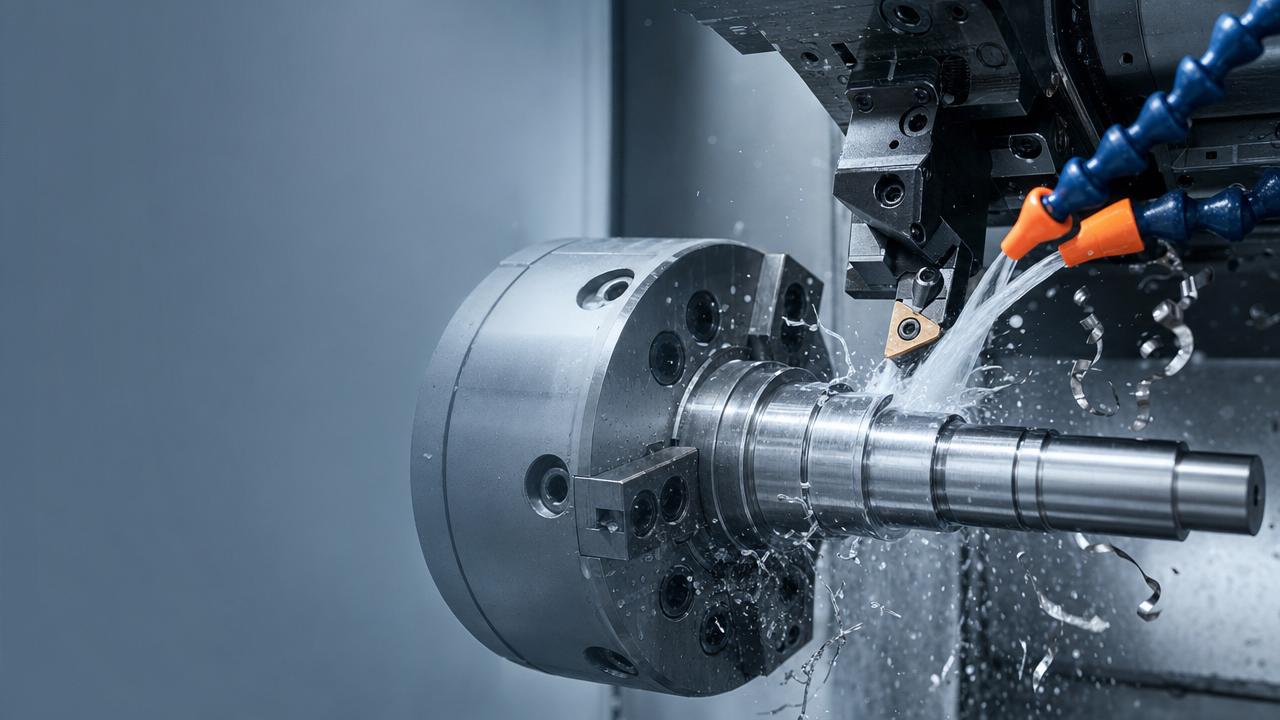
CNC turning equipment remains essential because cylindrical and rotational parts are everywhere. New investment is flowing into high-rigidity, high-speed, and multi-tasking systems that combine turning, milling, drilling, and measurement. This reduces handoffs and shortens cycle times. Demand is rising in automotive e-axles, hydraulic systems, precision medical parts, and energy applications where part consistency and unattended production matter.
3. Fiber laser cutting systems
Laser cutting is one of the most visible destinations for fresh funding in industrial mother machines. High-power fiber lasers continue to expand thick plate capability, while ultrafast systems support electronics and micro-scale processing. Investors and equipment buyers favor machines that improve edge quality, reduce energy consumption, and integrate seamlessly with storage towers, sorting cells, and MES platforms. The appeal is clear: laser systems deliver throughput, flexibility, and low setup friction for changing product mixes.
4. CNC press brakes and sheet metal automation
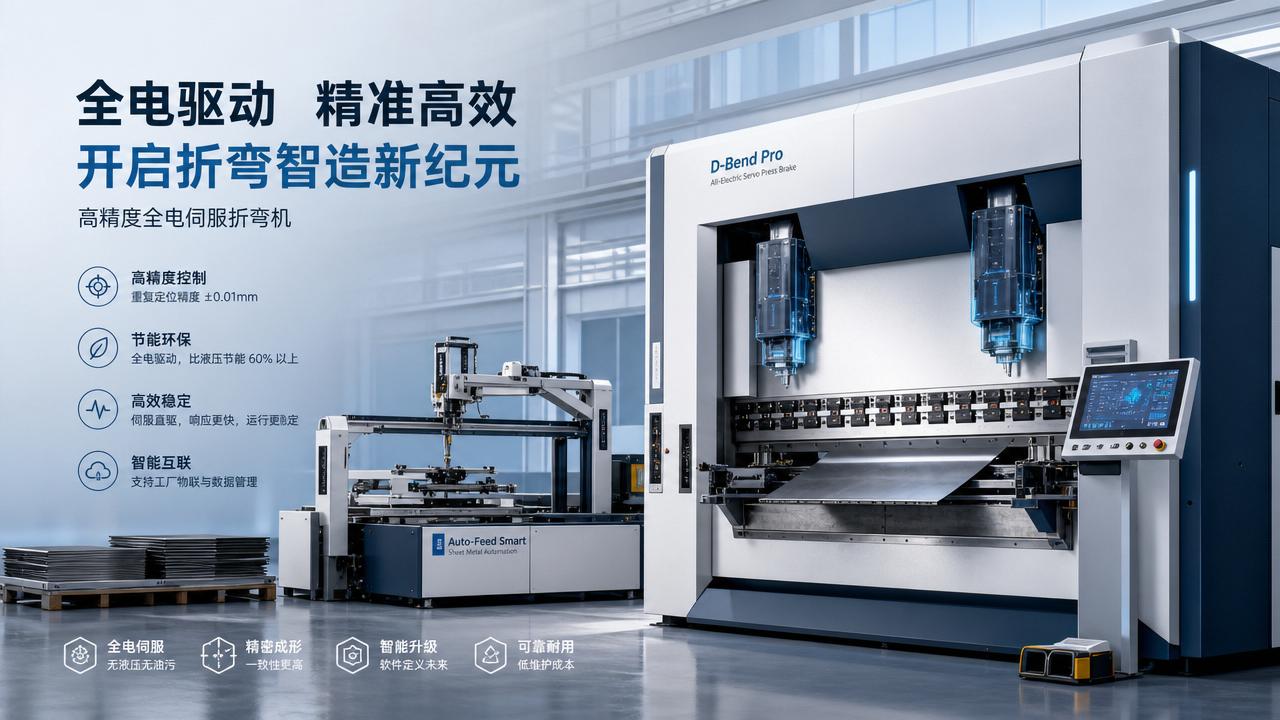
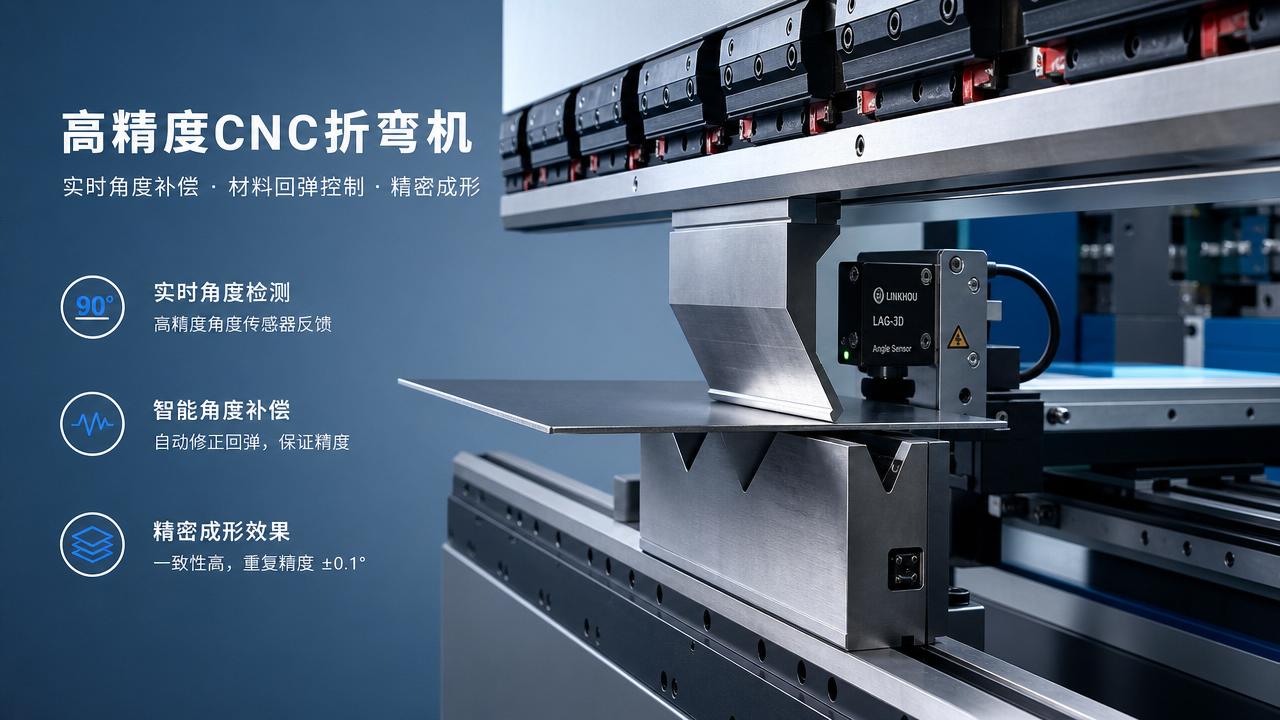
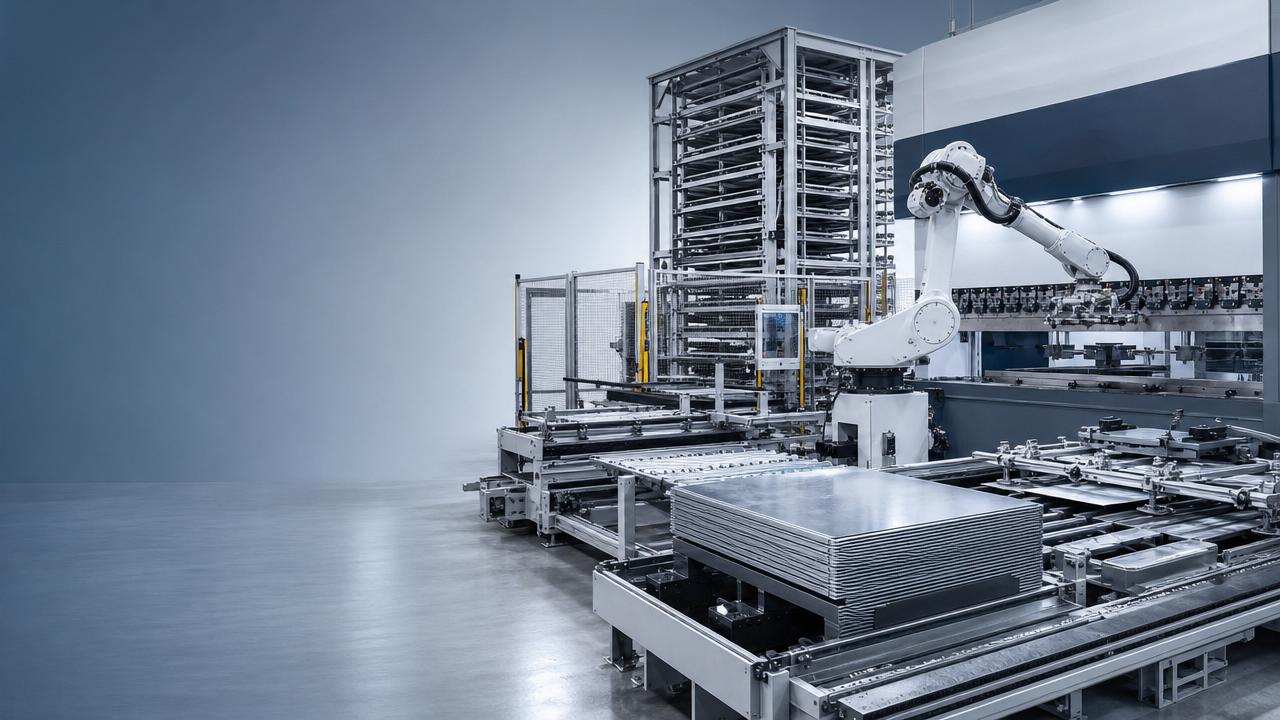
Press brakes are evolving from stand-alone forming tools into intelligent production nodes. Capital is going into all-electric or hybrid servo systems, real-time angle correction, offline programming, and robotic bending cells. These upgrades are valuable in enclosures, cabinets, rail transit parts, battery housings, and commercial vehicle structures where repeatability and labor efficiency are critical.
5. Industrial waterjet cutters
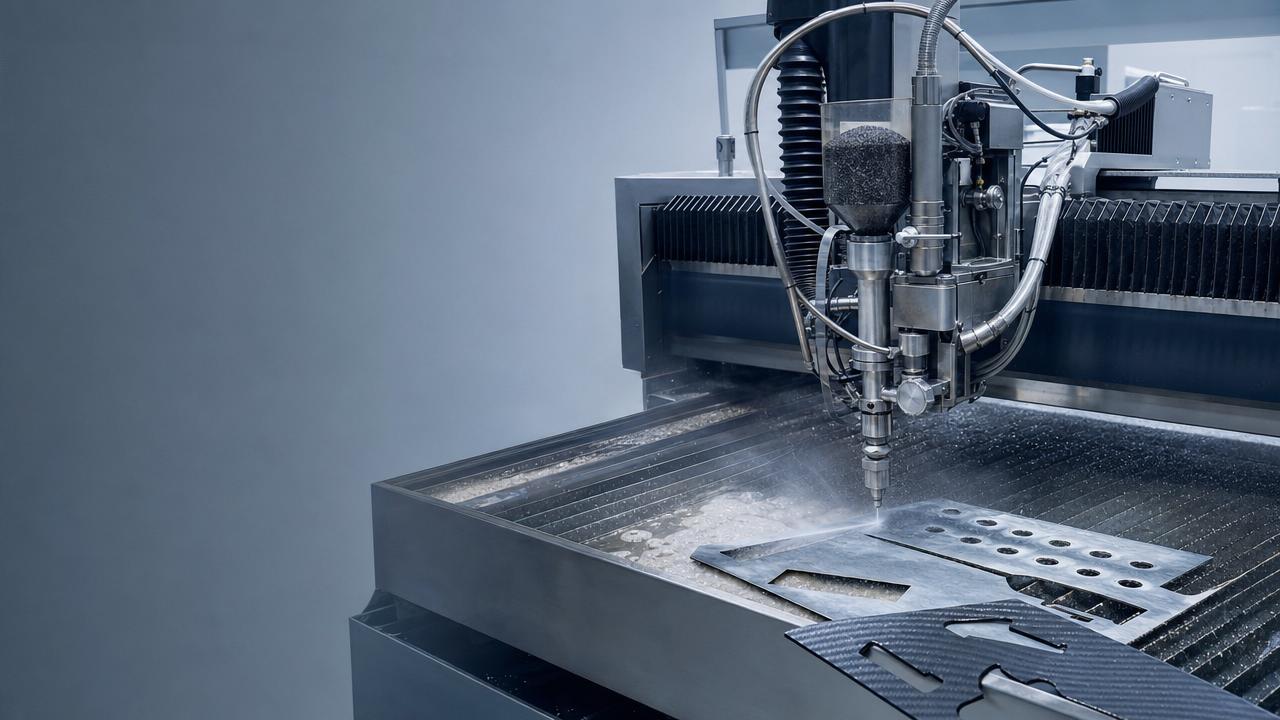
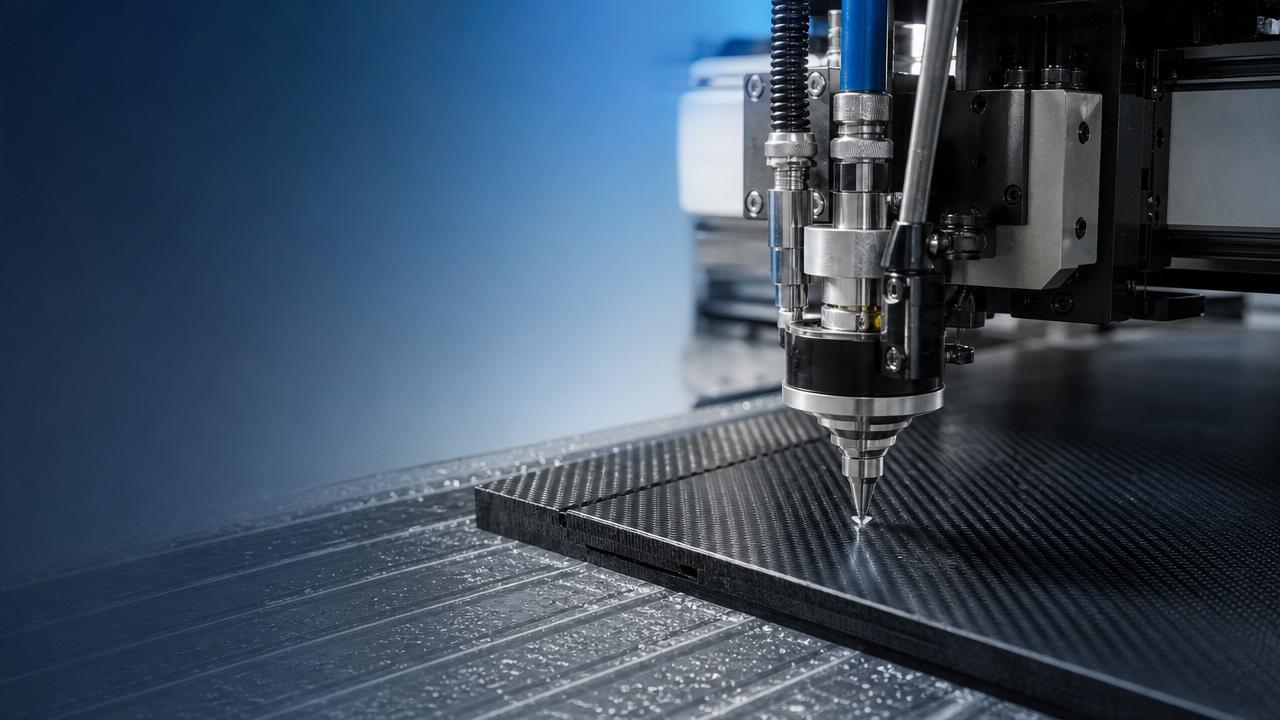
Although smaller in market share, waterjet systems are gaining attention where heat-affected zones are unacceptable. Composite aerospace parts, titanium alloys, laminated materials, bulletproof glass, and specialty components all benefit from cold cutting. For industrial mother machines serving advanced materials, this niche can be strategically important.
Why do aerospace, EVs, and smart factories matter so much in this investment cycle?
These three demand engines explain most of the current movement in industrial mother machines.
Aerospace requires extremely high precision, difficult-to-machine materials, and full process traceability. That pushes investment toward stable 5-axis machining centers, advanced metrology, and process monitoring. In this environment, a machine’s ability to hold micron-level tolerances over long cycles can justify a premium.
EV manufacturing creates a different but equally powerful pull. Lightweighting has increased demand for aluminum processing, high-strength steel forming, battery tray fabrication, motor shaft turning, and thermal management components. As product refresh cycles become faster, flexible industrial mother machines are favored over rigid production setups. Equipment that can switch jobs quickly, communicate with software systems, and support mixed-material processing becomes more valuable.
Smart factories add the final layer. Investment is no longer limited to mechanical hardware. It includes CNC software, nesting and toolpath optimization, predictive maintenance, robotic integration, digital simulation, and quality data feedback. In many cases, capital is flowing toward the ecosystem around industrial mother machines rather than the machine frame alone. That is a key market signal: future competitiveness depends on intelligence stitched across hardware, control, and production data.
How can investment quality in industrial mother machines be judged beyond headline spending?
Not all spending creates durable value. A useful way to assess industrial mother machines is to look at capability depth rather than purchase volume. Several criteria stand out:
- Precision stability over long production runs, not only initial accuracy
- Control system quality, interpolation performance, and software openness
- Integration with robotics, probing, vision, and factory data systems
- Access to strategic components and service support
- Application fit for target sectors such as aerospace, NEV, energy, or medical
- Energy efficiency, consumable cost, and total cost of ownership
This is where deep industry intelligence becomes important. In industrial mother machines, a lower upfront price may hide weak thermal control, poor post-processing compatibility, limited spare parts access, or low automation readiness. By contrast, higher-quality equipment often creates a better return through shorter setup times, reduced scrap, and stronger process consistency.
What risks and misconceptions should be avoided when following industrial mother machines?
One common mistake is assuming that all industrial mother machines benefit equally from market growth. In reality, demand is highly segmented. Equipment linked to advanced materials, multi-axis complexity, and intelligent automation usually captures more value than basic commodity machines.
Another misconception is treating hardware alone as the whole story. Modern industrial mother machines depend on control algorithms, cutting databases, thermal compensation, machine vision, and service analytics. Ignoring this software layer leads to poor comparisons and weak investment decisions.
There is also risk in underestimating policy and export-control effects. Access to advanced CNC systems, semiconductor-related lasers, precision feedback systems, and specialized materials can change quickly. In this environment, investment visibility requires more than reading capacity announcements; it requires tracking the strategic supply chain around industrial mother machines.
Finally, faster is not always better. A machine tool that advertises high speed but lacks rigidity, chip control, or process stability may create scrap and downtime. In advanced manufacturing, dependable precision is often more valuable than peak headline performance.
What does this trend mean for the next phase of global advanced manufacturing?
The direction of funding suggests that industrial mother machines are becoming more strategic, not less. Future leaders will likely be those that combine mechanical excellence with digital intelligence, application expertise, and resilient component sourcing. 5-axis machining, laser processing, precision turning, sheet metal automation, and cold-cutting technologies will continue to anchor this shift, especially where quality requirements are unforgiving and product designs evolve quickly.
For a clearer read on this market, it helps to examine not only where investment is announced, but where technical credibility is deepening. That includes RTCP evolution in 5-axis platforms, improvements in laser melt-pool control, robotic integration with press brakes, and the service ecosystems that keep industrial mother machines accurate over their full lifecycle. These signals reveal whether spending is building real manufacturing capability or only temporary capacity.
Industrial mother machines are no longer just production equipment. They are strategic assets tied to national competitiveness, high-value exports, and the success of smart factories. The next practical step is to monitor investment through a technical lens: follow precision trends, control system upgrades, component supply dynamics, and application-specific demand in aerospace and NEV manufacturing. That approach offers a more reliable view of where the market is going—and which industrial mother machines are shaping the future of advanced manufacturing.
Product Recommendations
 Abrasive Delivery SystemsIndustrial Waterjet Cutters: Abrasive Costs That Erode MarginsAnalyst :5-Axis Machining Scientist
 All-Electric Press BrakesAll-Electric Servo Drives: Energy Savings vs Upgrade CostAnalyst :Precision Turning Architect
 All-Electric Press BrakesReal-Time Angle Compensation: What It Fixes and What It Doesn'tAnalyst :Precision Turning Architect
 Latest Sector NewsHigh-Strength Steel Machining: Tool Life Myths to AvoidAnalyst :Dr. Alistair Vaughn
 3D 5-Axis LaserComposite Material Cutting Without Delamination: Key MethodsAnalyst :
 Robotic Bending CellsAutomated Sheet Metal Forming: Hidden Setup Costs ComparedAnalyst :Precision Turning Architect