In precision CNC machining, scrap is rarely caused by a single bad cut. It is usually the visible result of hidden variation accumulating across the process: tolerance stack-up, spindle growth, fixture error, tool wear, unstable material behavior, probing inconsistency, or weak offset control. As part geometries become more complex and acceptance windows become tighter, especially in aerospace, EV, medical, and advanced industrial components, the cost of small deviations rises sharply. That is why understanding what really drives scrap in precision CNC machining has become a strategic issue, not just a shop-floor quality topic.
Why Scrap in Precision CNC Machining Is Becoming a Bigger Strategic Signal
The current manufacturing environment is changing the economics of precision CNC machining. Tolerance demands are narrowing while part designs are becoming lighter, thinner, and more functionally integrated. A single component may require multi-axis milling, tight positional accuracy, difficult materials, and in-process inspection within one routing. Under these conditions, scrap no longer reflects only operator error. It reveals whether the machining system, process discipline, and quality strategy are strong enough for modern production.
Several trend signals make scrap more important than before. First, high-value materials such as titanium, Inconel, hardened steels, and advanced aluminum alloys increase the financial impact of every rejected part. Second, lights-out machining and automation reduce direct supervision, which means small process instability can continue longer before being detected. Third, traceability expectations in regulated sectors require proof that precision CNC machining is capable and controlled, not just occasionally accurate. Scrap therefore becomes a lagging indicator of deeper capability gaps.
The Real Drivers of Scrap Are Usually Systemic, Not Isolated
When teams investigate defects in precision CNC machining, they often begin with the final dimension that failed inspection. That is necessary, but incomplete. Scrap is more often driven by interacting causes than by a single dimensional miss. The table below summarizes the most common drivers and how they typically appear in production.
The key insight is that precision CNC machining scrap often starts upstream of the rejected dimension. If fixture location varies by a few microns, the tool deflects under a changing radial load, and the machine warms during a long cycle, the final hole position may fail even though no single event looks dramatic. Scrap is therefore best treated as a process interaction problem.
What Is Changing the Most: Process Windows Are Shrinking While Complexity Keeps Rising
In advanced precision CNC machining, the acceptable process window is shrinking. Thin-wall components, freeform surfaces, battery system structures, orthopedic parts, and turbine components all demand higher stability across longer cycles and more axes of motion. At the same time, material combinations and hybrid routings increase process sensitivity. This means scrap can emerge from sources that were once manageable but are now critical.
- 5-axis machining increases geometric freedom but also amplifies sensitivity to kinematic calibration, tool center point control, and rotary axis behavior.
- Long unattended cycles make thermal compensation and tool life prediction more important than static setup skill alone.
- High-speed cutting improves productivity but can widen the effect of vibration, chip evacuation issues, and holder imbalance.
- Tighter certification and traceability standards raise the cost of every escaped defect and every unnecessary rejection.
This is why modern precision CNC machining cannot rely on final inspection as the main defense. By the time scrap is found at the end, the value loss has already occurred in machine time, tooling, material, energy, and schedule impact.
The Hidden Mechanisms Behind High Scrap Rates
1. Thermal behavior is often underestimated
Many precision CNC machining lines still treat thermal effects as background noise. In reality, spindle heat growth, ball screw temperature, coolant fluctuation, and part soak time can shift dimensions enough to consume a large share of the tolerance band. This is especially true in micron-level finishing and long-cycle 5-axis work. A stable machine at 8:00 AM may not behave the same way at 2:00 PM.
2. Tool condition drives geometry more than many reports show
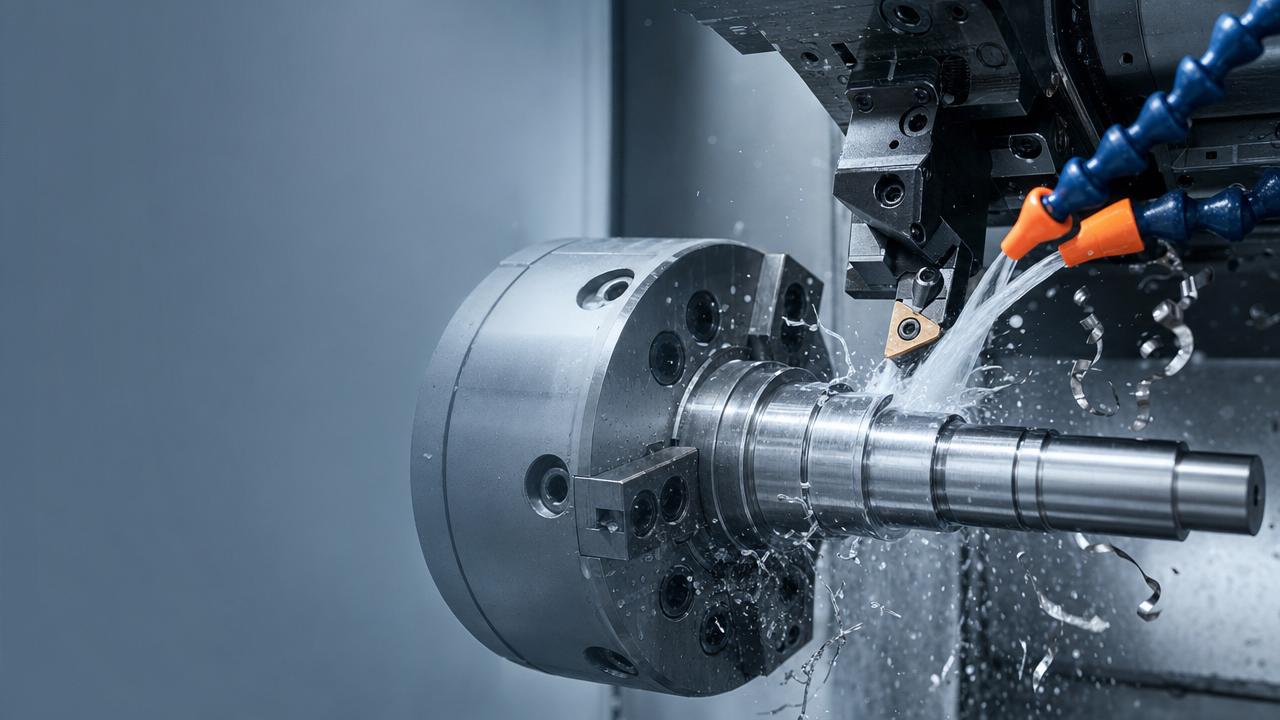
In precision CNC machining, worn tools do not only affect surface finish. They alter cutting pressure, induce taper, increase burrs, and change feature location through deflection. If offset updates are reactive rather than predictive, scrap rises near the end of tool life. Monitoring spindle load, cycle count, acoustic signatures, or in-process probing can reduce this risk.
3. Datum control and fixturing remain major weak points
A highly capable machine cannot compensate for inconsistent part seating. Clamping distortion, worn locators, chip contamination, and over-constrained fixtures can quietly compromise precision CNC machining performance. On thin-wall or compliant parts, the feature may pass while clamped and fail after release, creating confusing inspection outcomes and repeated scrap.
4. Measurement systems can accidentally create scrap
Poor gauge capability, inconsistent probing vectors, and weak MSA discipline may trigger false adjustments or false rejections. In precision CNC machining, correcting a process based on noisy measurement can be worse than not correcting it at all. Reliable metrology is part of machining capability, not separate from it.
How Scrap in Precision CNC Machining Affects Broader Business Performance
The impact of scrap extends beyond direct material loss. In high-precision environments, each rejected part can disrupt multiple business layers at once. Capacity planning becomes less predictable, process qualification takes longer, and confidence in automation declines. In sectors such as aerospace, NEV, electronics, and medical devices, scrap also affects compliance evidence and customer trust.
Precision CNC machining scrap also distorts performance metrics. A line may appear productive if spindle utilization is high, but hidden rework, inspection loops, and containment activity consume resources that are not always visible in cycle time dashboards. This is why scrap should be reviewed alongside capability indices, first-pass yield, corrective action closure speed, and process stability by machine and part family.
Where Attention Should Shift Now to Reduce Scrap Reliably
- Map tolerance chains, not just individual dimensions. Critical-to-function relationships should be analyzed across setups, datums, and finishing operations.
- Separate machine capability from process capability. A capable machine does not guarantee capable precision CNC machining if fixturing, tooling, or programming are unstable.
- Track thermal state as a variable. Warm-up strategy, coolant control, environmental consistency, and thermal compensation should be part of standard control plans.
- Use predictive tooling logic. Tool changes based only on failure or visible finish decline are usually too late for tight-tolerance work.
- Strengthen in-process verification. Probing, adaptive offsets, and statistical trend alarms help catch drift before precision CNC machining parts become scrap.
- Validate the measurement loop. Gauge R&R, probe calibration, and inspection method consistency should be reviewed whenever scrap patterns are unclear.
A Practical Decision Framework for High-Precision Operations
What the Next Phase of Precision CNC Machining Will Reward
The next competitive advantage in precision CNC machining will come from integrated process intelligence rather than isolated machine accuracy. Shops and production systems that connect machining dynamics, tooling data, thermal behavior, fixturing discipline, and metrology feedback will reduce scrap more effectively than those that rely on end-of-line sorting. This is especially relevant as 5-axis platforms, automated loading, closed-loop probing, and digital process monitoring become more common across advanced manufacturing.
For operations working with high-value parts, the most useful next step is to classify scrap by mechanism, not by symptom alone. Separate thermal drift from setup variation, tool-life drift from measurement error, and tolerance stack-up from single-feature outliers. That shift creates clearer process ownership and more durable corrective actions.
If precision CNC machining scrap is rising, the right response is not simply tighter inspection. It is a structured review of tolerance architecture, machine stability, fixture repeatability, tool condition strategy, and measurement trust. The sooner these signals are connected, the faster yield improves, compliance risk falls, and real machining capability becomes visible.
Product Recommendations
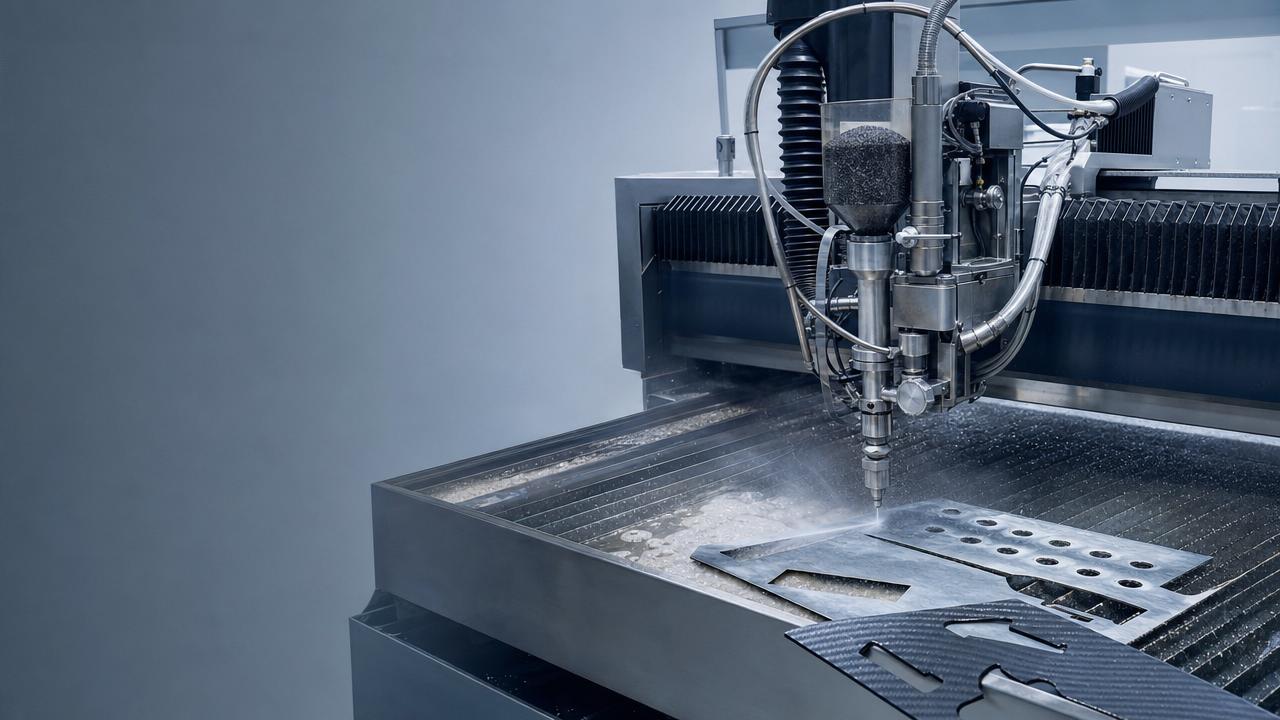
 Abrasive Delivery SystemsIndustrial Waterjet Cutters: Abrasive Costs That Erode MarginsAnalyst :5-Axis Machining Scientist
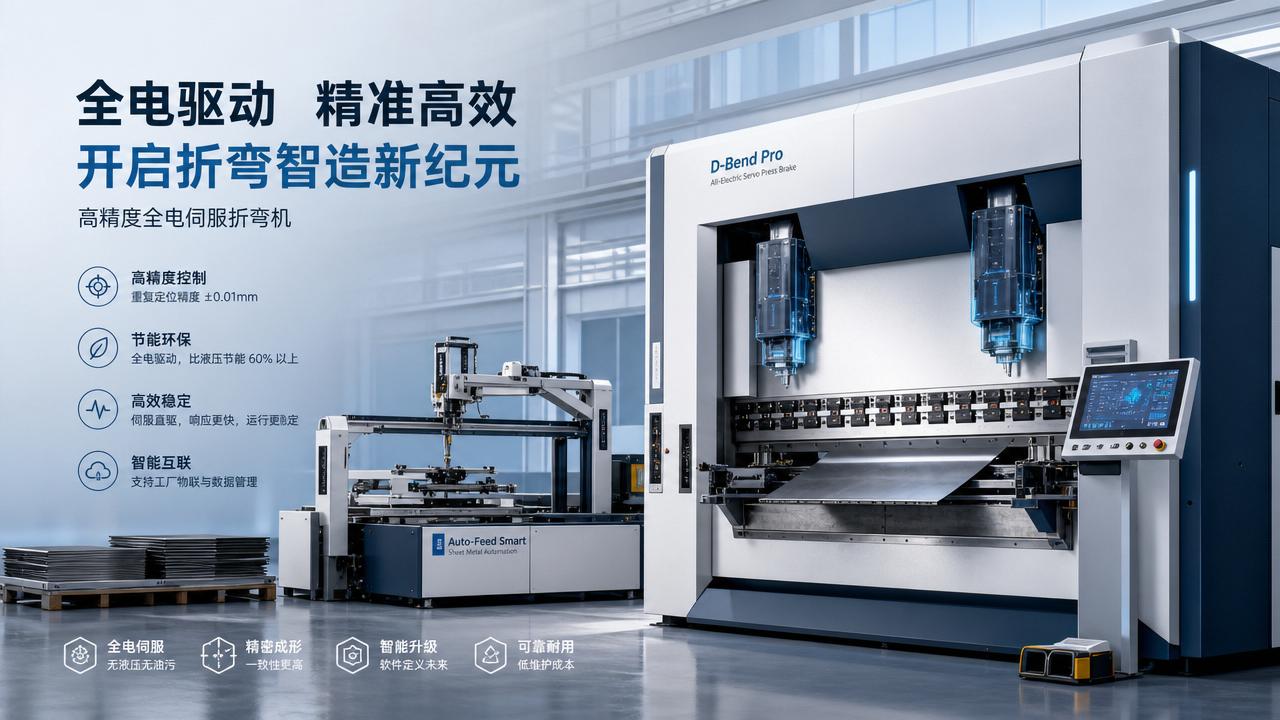
 All-Electric Press BrakesAll-Electric Servo Drives: Energy Savings vs Upgrade CostAnalyst :Precision Turning Architect
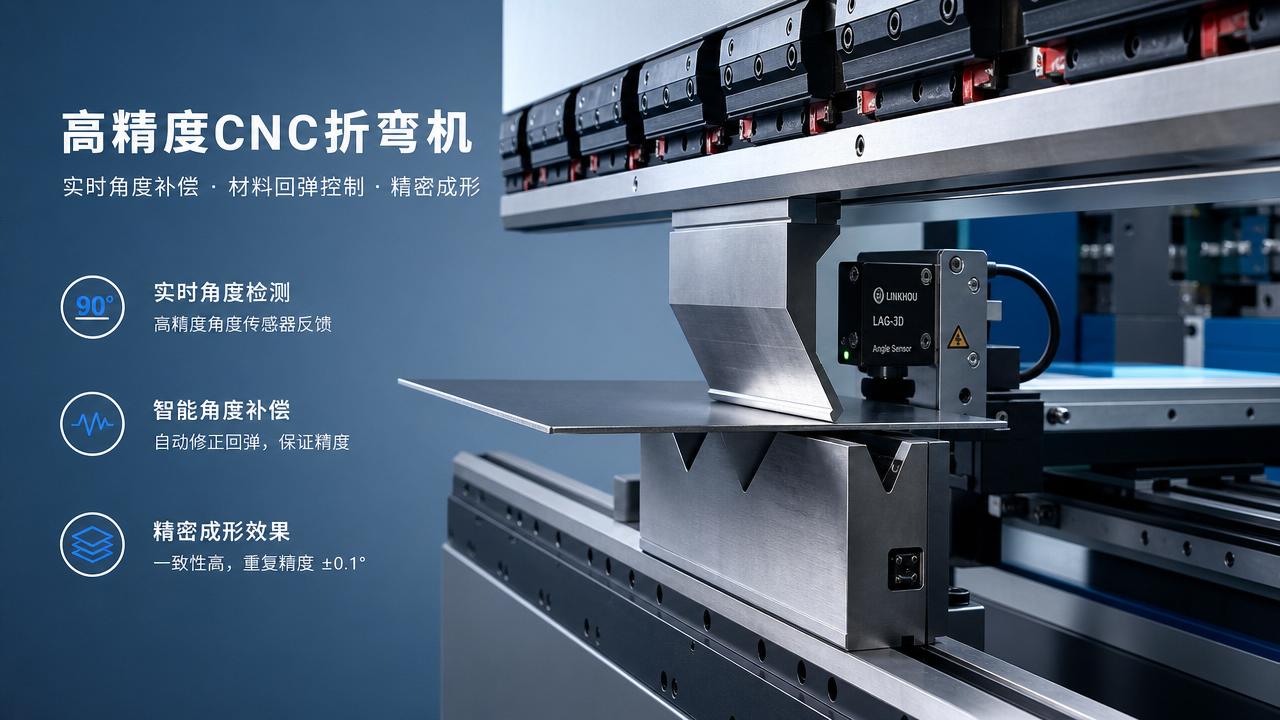
 All-Electric Press BrakesReal-Time Angle Compensation: What It Fixes and What It Doesn'tAnalyst :Precision Turning Architect
 Latest Sector NewsHigh-Strength Steel Machining: Tool Life Myths to AvoidAnalyst :Dr. Alistair Vaughn
 3D 5-Axis LaserComposite Material Cutting Without Delamination: Key MethodsAnalyst :
 Robotic Bending CellsAutomated Sheet Metal Forming: Hidden Setup Costs ComparedAnalyst :Precision Turning Architect