Artificial joints can restore mobility and reduce pain for years, but their true lifespan depends on far more than a simple average. Materials, implant design, surgical accuracy, activity level, body weight, and even microscopic manufacturing precision all influence how long a hip, knee, or shoulder replacement may perform. As advanced machining and medical engineering continue to improve, today’s joint implants are becoming more durable and reliable. So, how long do artificial joints really last—and what can patients do to help them last longer?
Why a checklist matters when judging artificial joints lifespan
Most artificial joints are not designed around one fixed expiry date. They fail, loosen, wear, or remain stable based on many connected factors.
Modern registry data often shows strong long-term survival for hip and knee implants. Many perform well for 15 to 25 years.
Some artificial joints last even longer. Others require revision earlier because of infection, instability, trauma, wear debris, or poor bone support.
A checklist approach helps separate marketing claims from practical reality. It also links medical decisions with engineering quality and daily habits.
For advanced manufacturing, artificial joints are excellent examples of precision-driven products. Micron-level geometry, surface finish, and repeatable tolerances directly affect implant behavior.
Core checklist: how to estimate how long artificial joints may last
- Check the implant type first, because hip, knee, shoulder, ankle, and elbow artificial joints face different load patterns and wear mechanisms.
- Review published registry survival data, especially 10-year, 15-year, and 20-year revision rates for the same implant family.
- Confirm the bearing material, since ceramic, cobalt-chromium, titanium alloys, and highly cross-linked polyethylene age in different ways.
- Assess surgical alignment, because even high-grade artificial joints may wear faster when placed outside the intended biomechanical axis.
- Evaluate bone quality, as osteoporosis, bone loss, or inflammatory disease can reduce fixation strength and long-term stability.
- Track infection risk carefully, since deep infection remains one of the most serious reasons artificial joints require early revision.
- Control body weight, because every extra kilogram increases repetitive force across hip and knee replacement surfaces.
- Choose suitable activity levels, favoring walking, cycling, swimming, and strength work over repeated jumping or high-impact sports.
- Attend follow-up imaging, as small signs of loosening, wear, or osteolysis are easier to manage when detected early.
- Ask about manufacturing precision, because surface roughness, taper fit, coating quality, and machining accuracy influence implant durability.
Typical lifespan by joint replacement scenario
Hip artificial joints
Hip artificial joints are among the most successful orthopedic implants. Many modern total hip replacements function for 20 years or more.
Ceramic-on-polyethylene and ceramic-on-ceramic designs can reduce wear. Accurate cup positioning and stable stem fixation remain critical for longevity.
Knee artificial joints
Knee artificial joints often last 15 to 25 years, depending on alignment, ligament balance, patient weight, and polyethylene insert wear.
The knee is mechanically complex. Small errors in femoral or tibial component positioning can increase edge loading and shorten service life.
Shoulder artificial joints
Shoulder artificial joints usually experience lower body-weight loading than hips or knees. However, rotator cuff quality strongly affects performance.
Reverse shoulder designs can restore function in cuff-deficient shoulders. Their longevity depends on fixation, scapular mechanics, and controlled rehabilitation.
Younger and more active patients
Younger patients often place more lifetime cycles on artificial joints. Even excellent implants may face revision simply because they are used longer.
This makes implant selection, surgical planning, and activity guidance especially important. Durability must be balanced with bone preservation for future options.
Manufacturing precision behind longer-lasting artificial joints
The performance of artificial joints begins long before surgery. It starts with alloy selection, machining strategy, metrology, polishing, and process control.
Five-axis CNC machining is central to complex implant geometry. Curved femoral components, acetabular shells, and shoulder parts require controlled toolpaths.
Micron-level tolerances matter because joint surfaces must distribute contact stress evenly. Poor geometry may create wear points or abnormal friction.
Surface finishing is equally important. Highly polished bearing surfaces can reduce abrasive wear, while porous coatings support bone ingrowth and fixation.
Advanced inspection systems verify roundness, taper fit, roughness, and coating consistency. This quality loop supports safer, longer-lasting artificial joints.
Commonly ignored risks that shorten implant life
Ignoring mild but persistent pain
Persistent pain after recovery should not be dismissed. It may indicate loosening, infection, instability, tendon problems, or abnormal mechanical loading.
Skipping routine follow-up
Artificial joints can develop silent wear. X-rays or specialist reviews may reveal small problems before symptoms become severe.
Returning too quickly to impact activity
High-impact activity increases repetitive shock. Running, jumping, or aggressive pivoting may accelerate wear in some artificial joints.
Overlooking dental and skin infections
Bacteria from other body sites can spread through the bloodstream. Infection around artificial joints is difficult to treat and may require revision.
Assuming all implants are identical
Design history, materials, fixation method, and manufacturing quality vary. Longevity depends on the full implant system, not only the brand name.
Practical ways to help artificial joints last longer
- Maintain a stable, healthy weight to reduce cumulative load on hip, knee, and ankle replacement surfaces.
- Build muscle gradually, focusing on controlled strength around the joint rather than sudden heavy resistance.
- Use low-impact conditioning, including walking, swimming, cycling, elliptical training, and supervised mobility exercises.
- Follow rehabilitation instructions closely, because early overloading can compromise soft-tissue healing and component stability.
- Protect against falls by improving balance, reviewing medications, correcting vision, and removing home tripping hazards.
- Manage diabetes, smoking, nutrition, and immune health, since systemic conditions affect healing and infection risk.
- Keep implant records, including model, material, surgery date, and hospital information for future clinical decisions.
- Report swelling, warmth, instability, clicking with pain, or reduced function before damage becomes advanced.
How advanced manufacturing changes the future of artificial joints
Artificial joints are moving toward more personalized, data-driven designs. Imaging, simulation, robotics, and precision machining are converging rapidly.
Five-axis CNC platforms can produce complex implant contours with repeatable accuracy. This supports better fit and smoother load transfer.
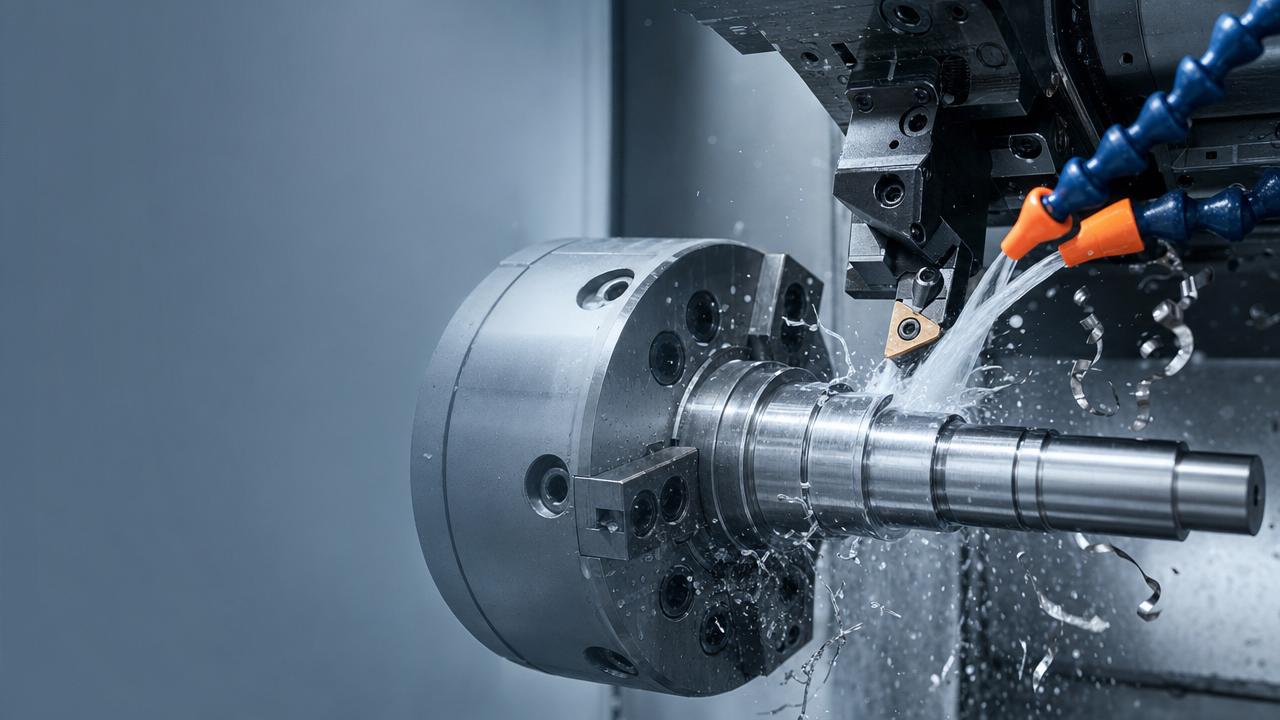
CNC lathes are essential for stems, tapers, screws, and cylindrical medical components. Rigid turning improves consistency in high-demand surfaces.
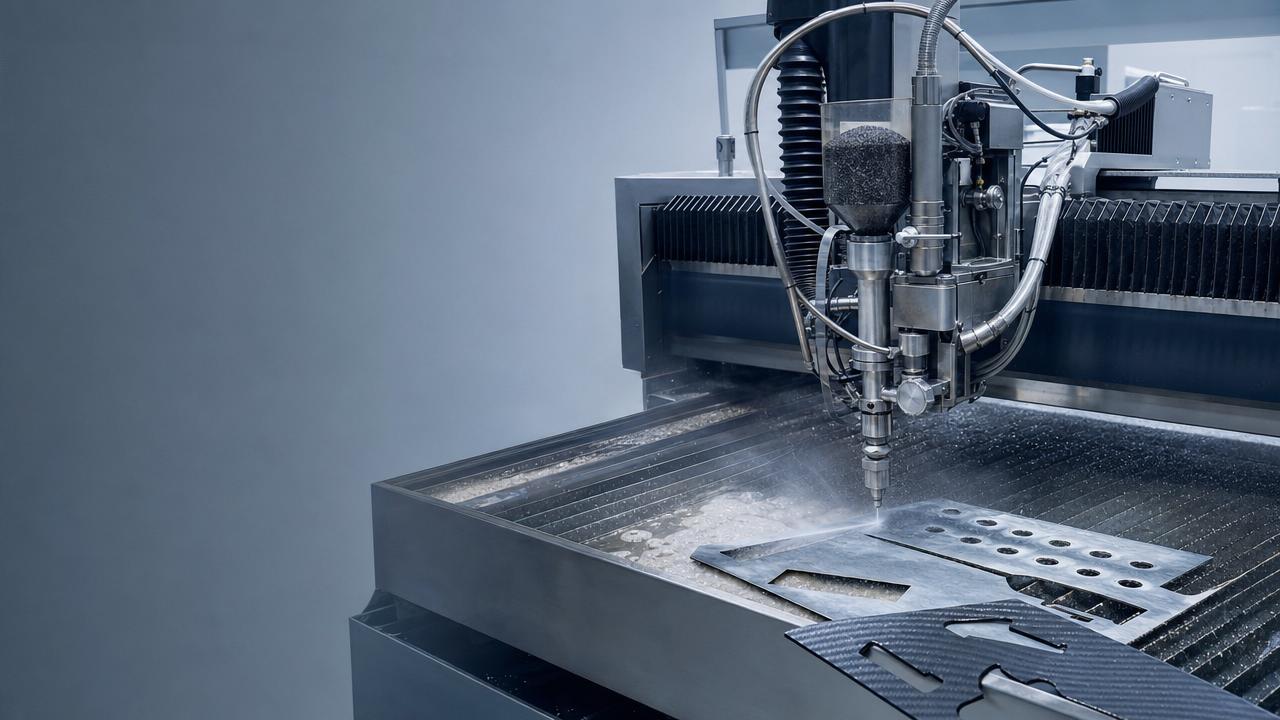
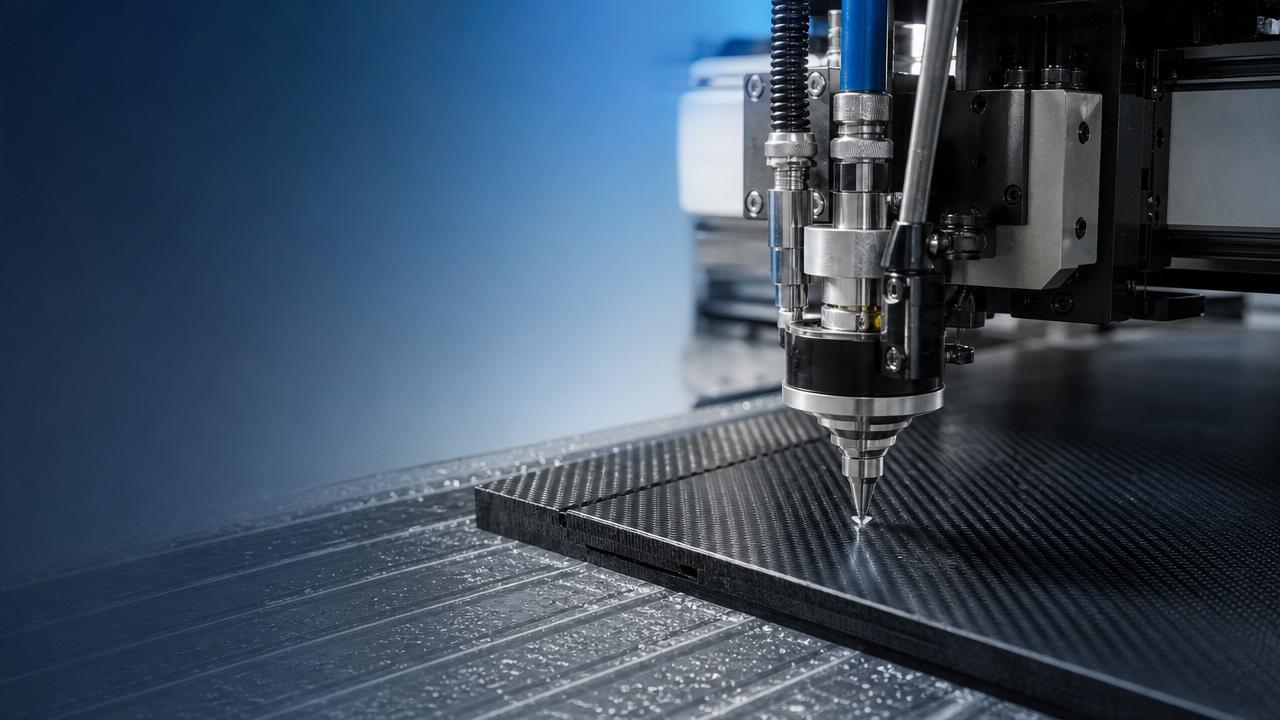
Laser and waterjet technologies also support medical manufacturing. They cut specialized metals and prototypes while controlling distortion and heat effects.
In this environment, platforms focused on precision equipment intelligence help connect medical design goals with industrial production capability.
Better tooling, smarter CNC algorithms, and tighter inspection will not make artificial joints indestructible. They can make performance more predictable.
Decision guide: questions to ask before and after joint replacement
- Ask which implant design is recommended and why it fits the patient’s anatomy, activity level, and bone condition.
- Ask what long-term clinical data exists for the selected artificial joints or comparable implant systems.
- Ask how alignment will be controlled, including navigation, robotics, patient-specific planning, or conventional instrumentation.
- Ask what movements or sports should be avoided during the first year and over the implant’s lifetime.
- Ask what follow-up schedule is appropriate after recovery, especially after five, ten, and fifteen years.
Summary: what “long-lasting” really means
Artificial joints often last 15 to 25 years, and many exceed that range. Yet lifespan is never guaranteed by averages alone.
The strongest results come from a complete chain: proven design, precise manufacturing, accurate surgery, disciplined recovery, and sensible daily use.
For anyone evaluating artificial joints, the best next step is practical. Gather implant information, understand personal risks, and commit to long-term follow-up.
From operating room planning to five-axis CNC machining, every detail matters. Longevity is built through precision, care, and informed choices.
Product Recommendations
 Abrasive Delivery SystemsIndustrial Waterjet Cutters: Abrasive Costs That Erode MarginsAnalyst :5-Axis Machining Scientist
 All-Electric Press BrakesAll-Electric Servo Drives: Energy Savings vs Upgrade CostAnalyst :Precision Turning Architect
 All-Electric Press BrakesReal-Time Angle Compensation: What It Fixes and What It Doesn'tAnalyst :Precision Turning Architect
 Latest Sector NewsHigh-Strength Steel Machining: Tool Life Myths to AvoidAnalyst :Dr. Alistair Vaughn
 3D 5-Axis LaserComposite Material Cutting Without Delamination: Key MethodsAnalyst :
 Robotic Bending CellsAutomated Sheet Metal Forming: Hidden Setup Costs ComparedAnalyst :Precision Turning Architect