Why Do Medical-Grade Dental Implants Fail Early?
Early failure of medical-grade dental implants is rarely caused by a single defect.
It often reflects a chain of risks across material selection, Swiss-type CNC turning, surface finishing, cleaning, packaging, and clinical handling.
For implant safety, early stability depends on precision manufacturing as much as biological response.
As dental implant demand rises, the industry is moving toward tighter traceability, cleaner machining, and more validated production routes.
Early Implant Failure Is Becoming a Manufacturing Signal
Medical-grade dental implants are expected to integrate with bone through predictable osseointegration.
When failure occurs within weeks or months, the root cause usually appears before full biological integration.
Clinical factors matter, but manufacturing variables increasingly determine whether an implant enters surgery with hidden risk.
Modern implants carry micro-threads, internal connections, roughened surfaces, and micron-scale geometry.
These features improve performance, but they also narrow the tolerance window for machining and inspection.
The trend is clear: early implant failure is no longer viewed only as a surgical outcome.
It is becoming a measurable indicator of process capability, contamination control, and validation maturity.
Why the Risk Window Is Narrowing
Several industry changes are making medical-grade dental implants harder to manufacture consistently.
These shifts demand closer linkage between CNC capability, surface engineering, metrology, and clean manufacturing discipline.
Material Selection Can Start the Failure Chain
Most medical-grade dental implants use commercially pure titanium or titanium alloys such as Ti-6Al-4V ELI.
These materials offer biocompatibility, corrosion resistance, and strength.
However, material quality must be proven through certificates, chemistry verification, and controlled incoming inspection.
Early failure risk increases when bar stock contains inclusions, improper microstructure, or uncontrolled surface defects.
Traceability must connect every implant to heat number, supplier batch, inspection data, and machining route.
Without this link, root-cause analysis becomes slow, uncertain, and expensive after field complaints.
Swiss-Type CNC Turning Defines the First Geometry Barrier
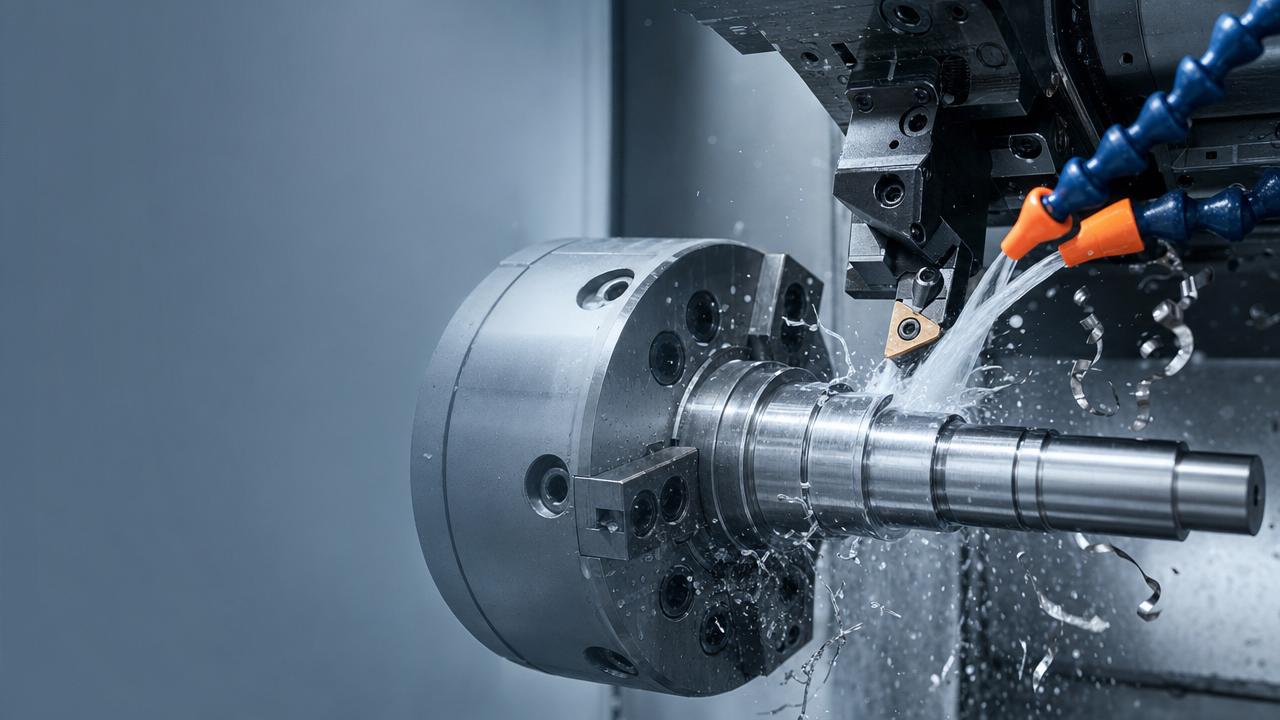
Many medical-grade dental implants are produced on Swiss-type CNC lathes.
This platform supports slender parts, small diameters, deep threads, and high-volume repeatability.
Yet precision turning introduces risks when tool wear, coolant control, or bar vibration is poorly managed.
- Thread pitch errors can reduce primary stability.
- Burrs can irritate tissue or trap contaminants.
- Poor concentricity can affect insertion torque.
- Surface tearing can weaken fatigue performance.
- Incorrect internal connection geometry can cause prosthetic instability.
Stable cutting conditions require rigid tooling, optimized feeds, validated coolant filtration, and real-time tool life control.
For medical-grade dental implants, micron-level consistency is not a marketing claim.
It is a condition for mechanical safety and biological acceptance.
Surface Finishing Can Help Integration or Create Contamination
Implant surfaces are engineered to support bone attachment.
Common processes include blasting, acid etching, anodizing, laser texturing, and combinations of these methods.
Surface roughness must be controlled within defined biological and mechanical limits.
Too smooth, and early bone response may be slower.
Too aggressive, and micro-cracks, embedded media, or weak surface layers may appear.
Medical-grade dental implants can fail early if finishing media remain trapped in threads or porous textures.
Alumina particles, polishing residues, oils, and acid remnants can compromise tissue response.
Validated rinsing, ultrasonic cleaning, passivation control, and surface chemistry testing are therefore essential.
Cleaning and Packaging Are Now Strategic Control Points
The final cleanliness of medical-grade dental implants depends on every upstream process.
Cutting oils, handling gloves, airborne particles, and packaging fibers can all become hidden defects.
A visually clean implant may still carry organic residues or ionic contamination.
This is why cleanliness validation must go beyond basic appearance checks.
- Use validated cleaning cycles with defined concentration, time, and temperature.
- Monitor water quality, particle load, and drying conditions.
- Separate medical production from general industrial machining contamination.
- Verify packaging integrity after sterilization and transportation simulation.
Packaging must protect sterile barriers, prevent movement damage, and preserve traceability until use.
Any failure here can undermine an otherwise well-manufactured implant.
Dimensional Tolerance Affects Primary Stability
Early stability depends on mechanical engagement between implant geometry and prepared bone.
If the implant thread form varies, insertion torque may become unpredictable.
If the apex, flute, or self-tapping feature is inconsistent, surgical placement may generate unwanted stress.
For medical-grade dental implants, tolerance control should cover outer diameter, thread depth, pitch, runout, and internal interface geometry.
Advanced inspection increasingly combines optical measurement, contact metrology, CT scanning, and automated vision systems.
Statistical process control should detect drift before nonconforming implants enter packaging.
This turns inspection from final sorting into process intelligence.
Process Validation Must Reflect Real Production Risk
Validation is often weakened when it confirms a best-case setup rather than normal production variation.
A robust validation plan should include equipment capability, operator variation, tool wear, material lots, and cleaning load limits.
Medical-grade dental implants require documented evidence that critical processes remain controlled across time.
The strongest validation programs connect engineering parameters with clinical risk.
They also define rapid containment actions when data show drift.
Clinical Handling Can Expose Manufacturing Weakness
Even well-made medical-grade dental implants can fail if handled incorrectly.
However, manufacturing robustness should reduce sensitivity to reasonable clinical variation.
Fragile packaging, unclear labeling, or incompatible delivery tools can increase contamination and placement risk.
Connection geometry must match surgical instruments reliably.
If drivers slip, deform, or generate metal debris, early complications may follow.
The boundary between manufacturing and clinical use is therefore narrowing.
Design transfer should include usability, torque control, packaging opening behavior, and contamination prevention.
What the Industry Should Watch Next
The next phase of implant reliability will depend on connected manufacturing data.
CNC machines, metrology systems, cleaning lines, and packaging stations will need stronger digital traceability.
- Link each implant serial number to raw material and machine data.
- Use tool wear analytics to prevent thread and surface drift.
- Apply automated vision to burrs, stains, and packaging defects.
- Monitor surface chemistry after every finishing process change.
- Treat supplier changes as validation events, not purchasing updates.
This direction aligns with broader advanced manufacturing trends.
Micron-level machining, automation, and process intelligence are becoming safety tools, not only productivity tools.
Practical Response: Build a Failure-Prevention Map
Reducing early failure starts with mapping the complete implant value stream.
The map should identify each step where geometry, chemistry, cleanliness, or packaging integrity can change.
- Define critical-to-quality features for every implant family.
- Validate CNC processes under realistic tool wear and material variation.
- Set measurable limits for roughness, residue, particles, and burrs.
- Connect inspection data with batch release decisions.
- Review complaints against manufacturing records, not isolated product samples.
Medical-grade dental implants fail early when weak signals are missed across multiple process stages.
The most effective response is not one more final inspection.
It is a connected control system from titanium bar stock to sterile delivery.
Final Outlook
Early implant failure is a warning signal for the entire precision manufacturing chain.
Material discipline, Swiss-type CNC turning, surface finishing, cleaning, and packaging must work as one validated system.
As medical-grade dental implants become smaller, more complex, and more surface-dependent, process capability will define competitive reliability.
The next practical step is to audit every risk point where precision, cleanliness, or traceability can be lost.
A stronger manufacturing intelligence loop can reduce recalls, protect patients, and make implant performance more predictable.
Product Recommendations
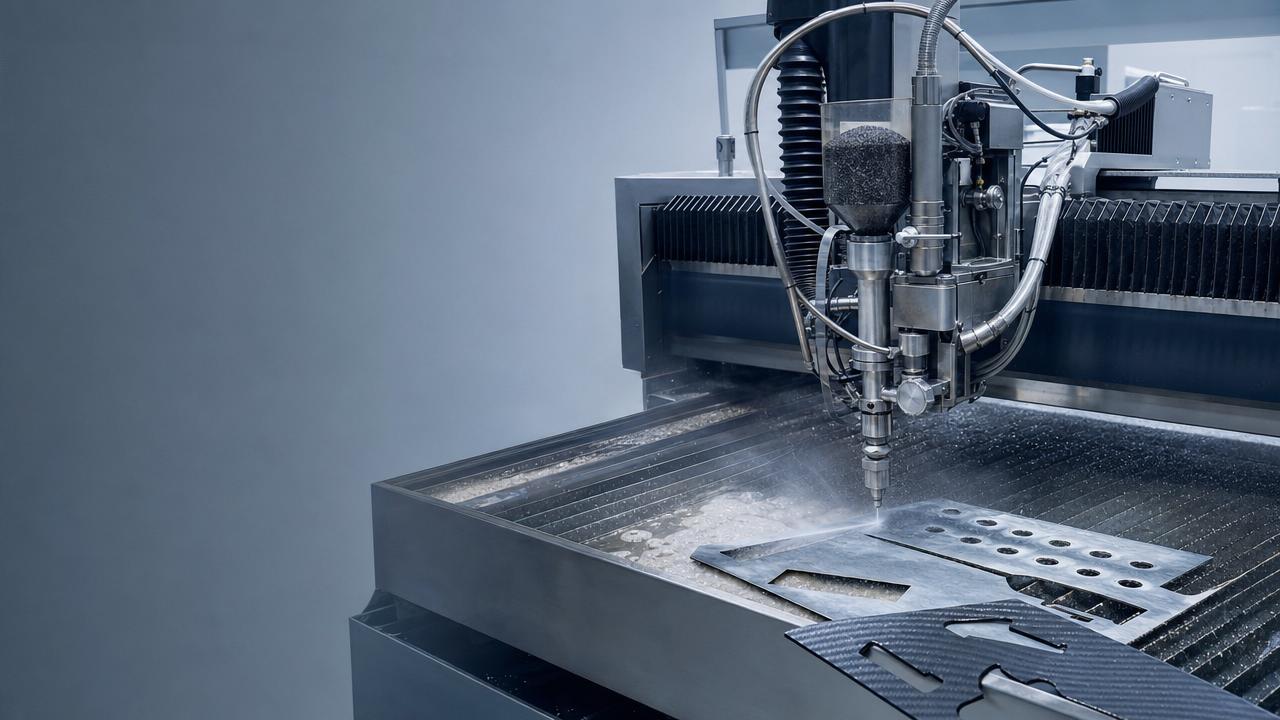
 Abrasive Delivery SystemsIndustrial Waterjet Cutters: Abrasive Costs That Erode MarginsAnalyst :5-Axis Machining Scientist
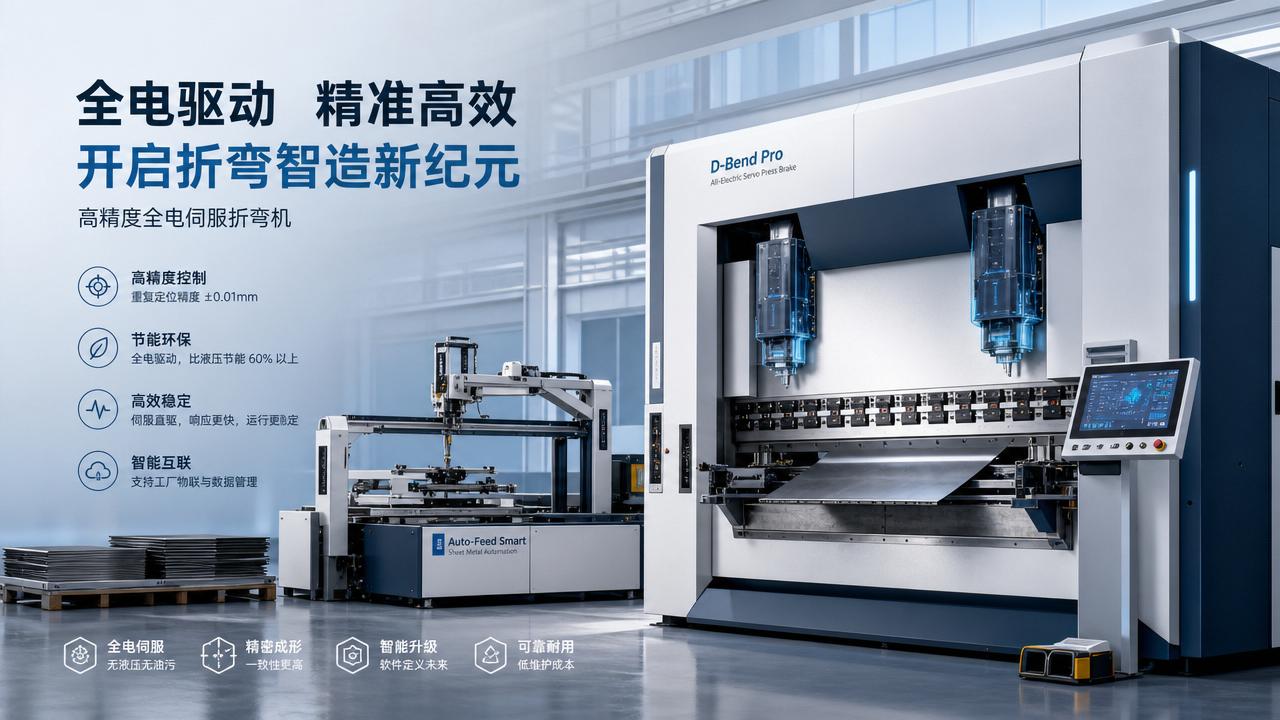
 All-Electric Press BrakesAll-Electric Servo Drives: Energy Savings vs Upgrade CostAnalyst :Precision Turning Architect
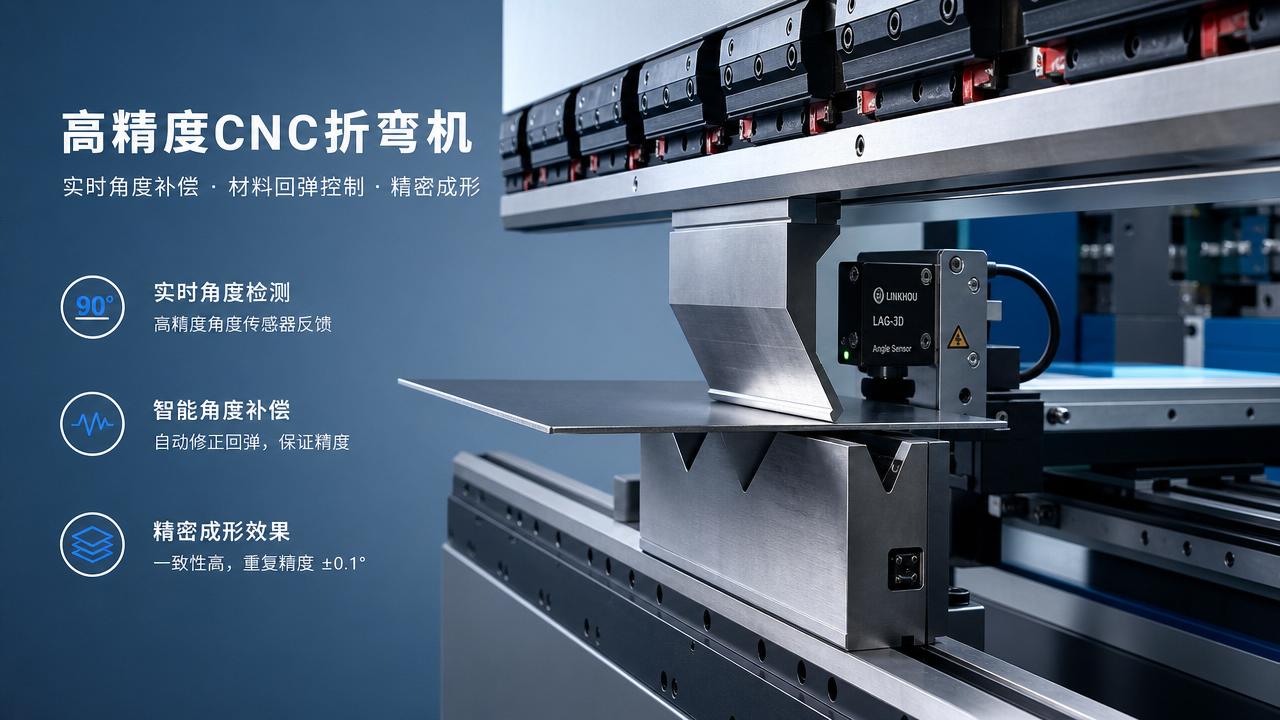
 All-Electric Press BrakesReal-Time Angle Compensation: What It Fixes and What It Doesn'tAnalyst :Precision Turning Architect
 Latest Sector NewsHigh-Strength Steel Machining: Tool Life Myths to AvoidAnalyst :Dr. Alistair Vaughn
 3D 5-Axis LaserComposite Material Cutting Without Delamination: Key MethodsAnalyst :
 Robotic Bending CellsAutomated Sheet Metal Forming: Hidden Setup Costs ComparedAnalyst :Precision Turning Architect