For quality and safety professionals, advanced manufacturing technology is redefining quality control by turning precision, traceability, and process stability into measurable advantages. From 5-axis CNC machining and laser cutting to intelligent forming and cold cutting systems, it helps reduce defects, improve consistency, and meet the strict standards of aerospace, medical, and NEV production.
Why a checklist approach matters in modern quality control
Quality control is no longer limited to final inspection. In advanced production, defects often begin with toolpath logic, machine thermal drift, material variation, or unstable forming parameters.
A checklist makes advanced manufacturing technology easier to evaluate and apply. It turns broad goals such as precision, repeatability, and compliance into verifiable actions across machining, cutting, bending, and cold processing.
This matters in mixed industrial environments where one plant may combine CNC lathes, 5-axis centers, fiber lasers, press brakes, and waterjet cutters under one quality management system.
Core checklist: how advanced manufacturing technology improves quality control
Use the following checklist to judge whether a process, machine, or digital upgrade will truly improve quality outcomes.
- Verify in-process measurement capability so dimensions, angle accuracy, surface finish, and tool wear are captured before defects move downstream.
- Check thermal stability controls, because spindle heat, laser energy variation, and hydraulic drift can quietly shift tolerances during long production runs.
- Confirm machine kinematics and compensation functions, including RTCP, backlash correction, and real-time angle compensation for complex multi-axis or forming work.
- Review software integration between CAM, CNC, sensors, and inspection platforms to ensure traceability from program generation to final part approval.
- Assess material behavior monitoring, especially for titanium, high-strength steel, aluminum, composites, and thin sheet where distortion risks are higher.
- Measure repeatability under actual load conditions rather than empty-cycle tests, because true quality control depends on process stability in production.
- Standardize tooling, fixtures, nozzles, abrasives, and bend tools so variation does not enter the process through changeovers or inconsistent setup practice.
- Track defect data by machine, shift, material lot, and program revision to identify whether faults come from equipment, process logic, or supply inputs.
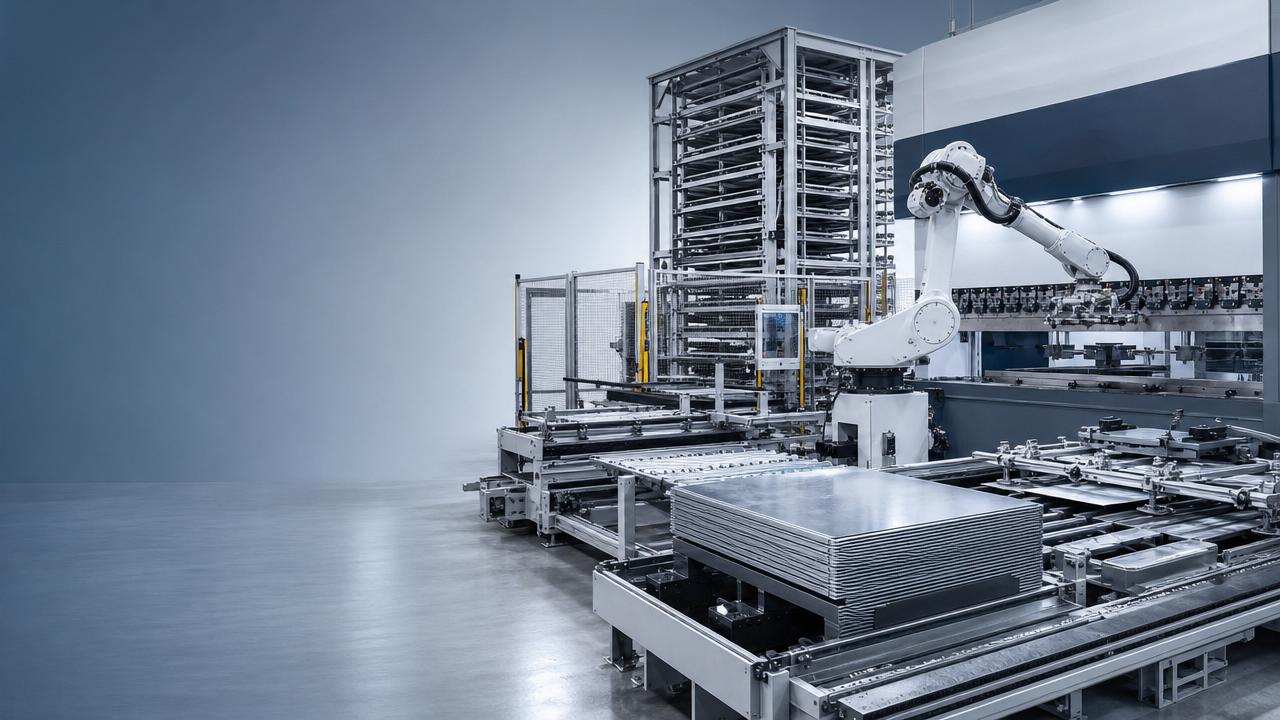
- Validate automation cells, robotic loading, and unattended production with alarm logic, part verification, and recovery rules before lights-out operation starts.
- Link quality metrics to capability indices, scrap cost, and rework time so the value of advanced manufacturing technology becomes measurable and defendable.
Application scenarios across industrial production
5-axis CNC machining for complex precision parts
In aerospace and medical applications, 5-axis machining reduces cumulative error by completing complex geometries in a single setup. Fewer reclamping steps mean lower positional deviation and better geometric consistency.
Here, advanced manufacturing technology improves quality control through tool center point management, collision-safe toolpaths, spindle condition monitoring, and on-machine probing.
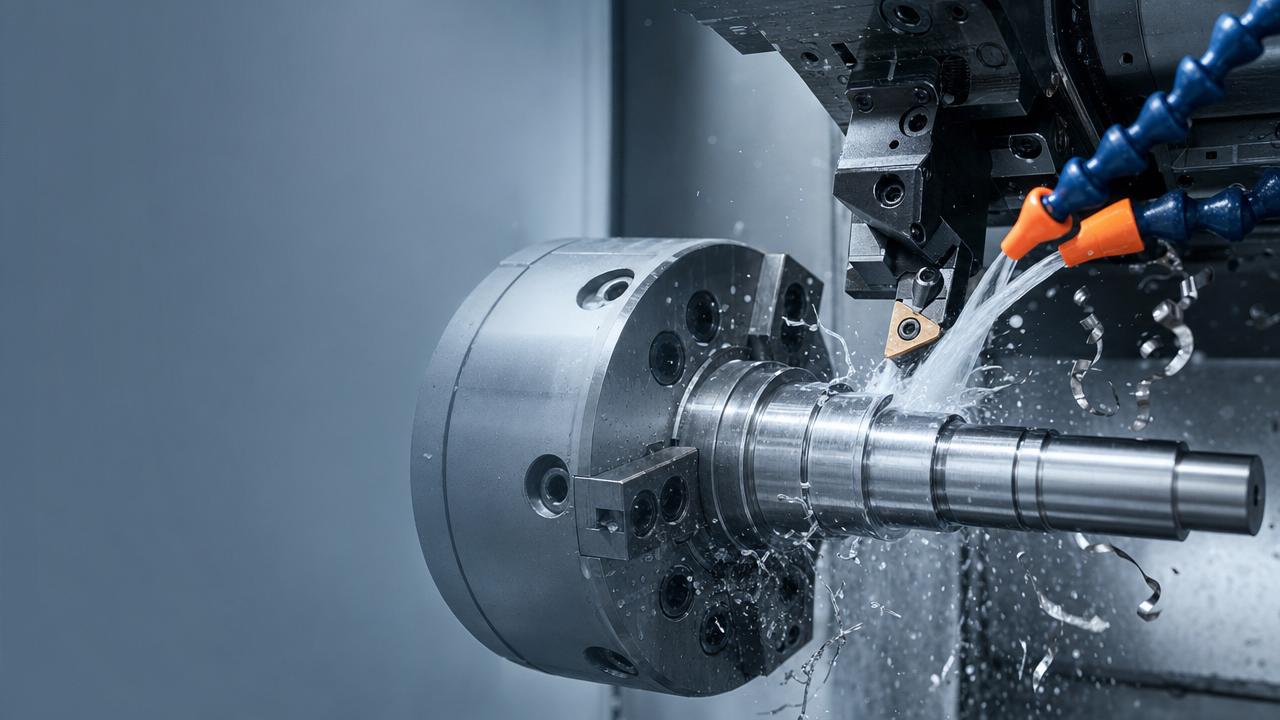
CNC lathes for cylindrical accuracy and stable throughput
Turning operations depend on rigidity, thermal control, and insert condition. Even small variations can affect roundness, concentricity, thread quality, and surface integrity.
With sensor-assisted offsets and controlled machining parameters, advanced machining systems maintain tighter consistency across high-volume runs and miniature precision parts.
Laser cutting for speed with controlled edge quality
Fiber laser systems support fast, accurate cutting, but quality depends on beam stability, gas flow, nozzle condition, focus position, and plate flatness.
When these variables are monitored in real time, advanced manufacturing technology helps reduce dross, taper, edge oxidation, and dimensional variation in sheet metal production.
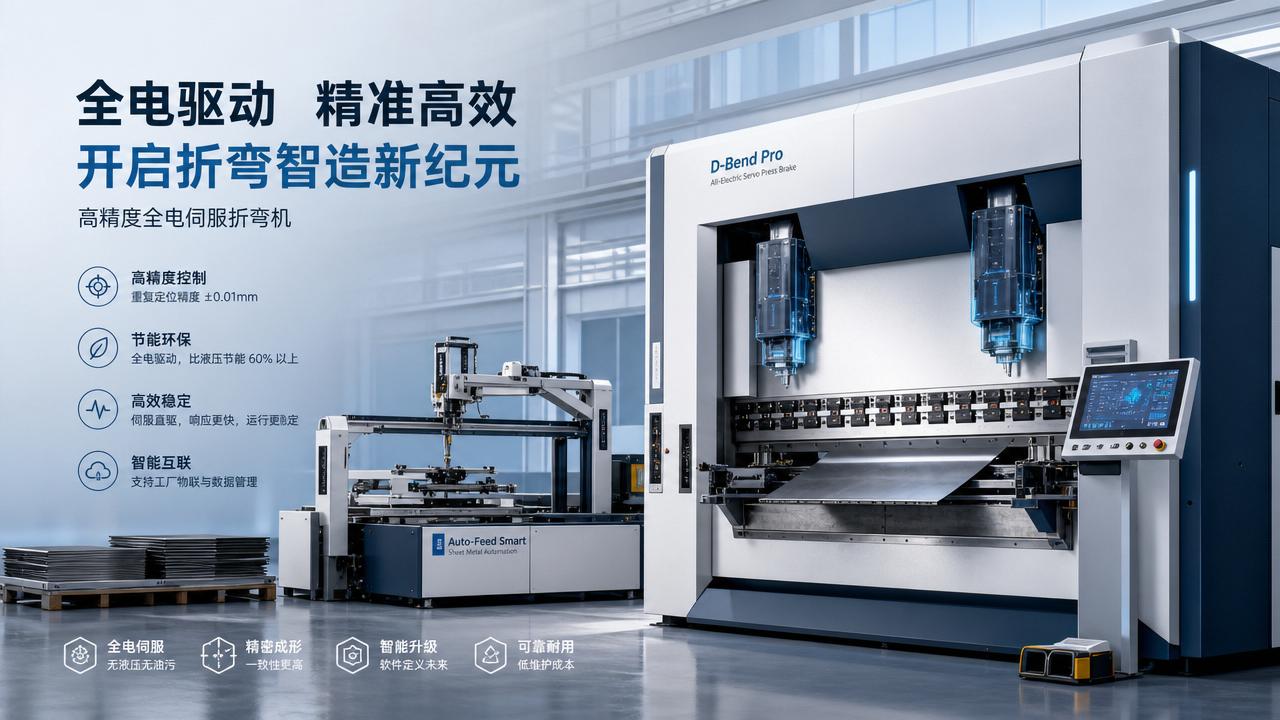
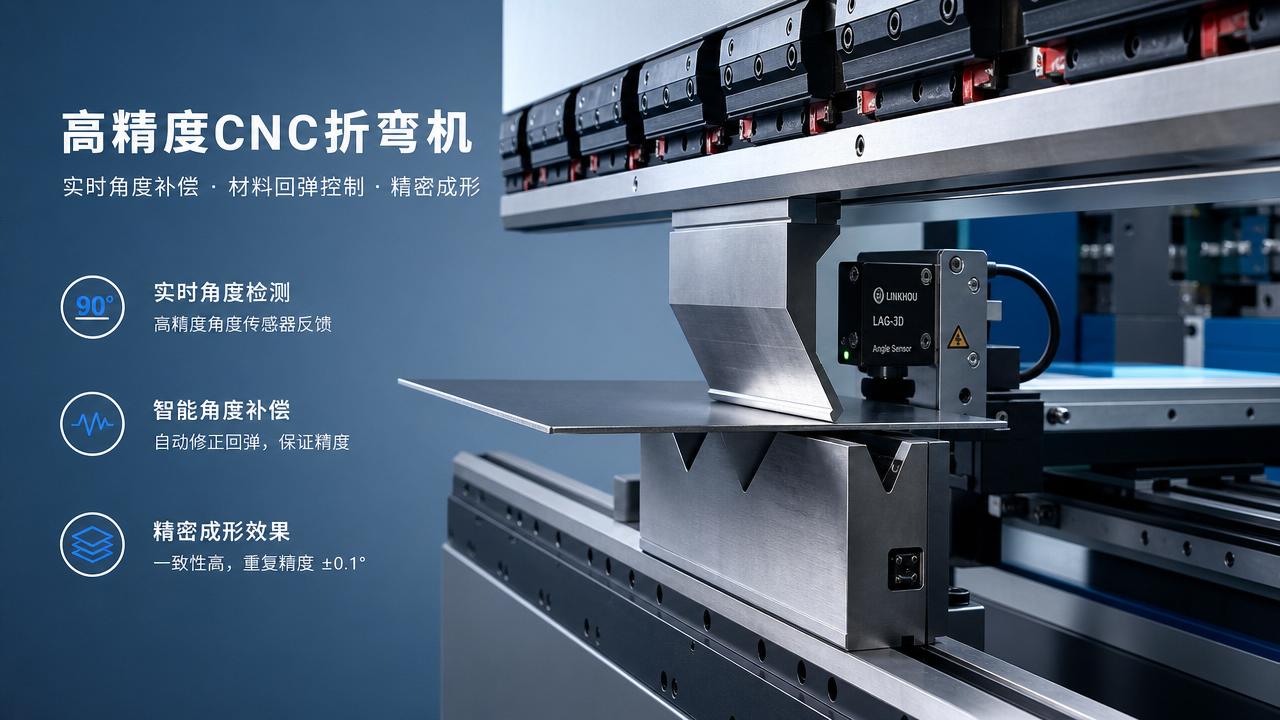
Press brake forming for repeatable angle accuracy
Sheet metal quality is often lost during bending, not cutting. Material springback, grain direction, and thickness shifts can all change the final angle.
Servo-electric drives and real-time compensation systems improve bend consistency. They also support traceable setup data for repeat orders and mixed-material production.
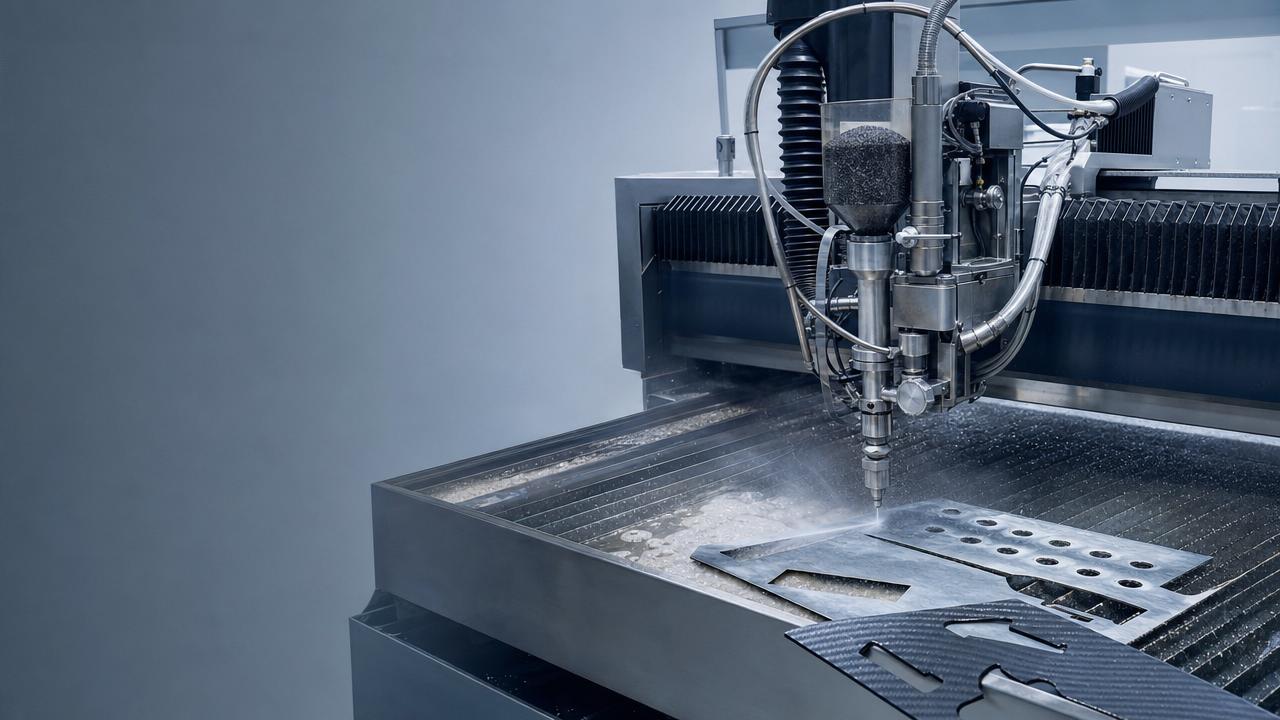
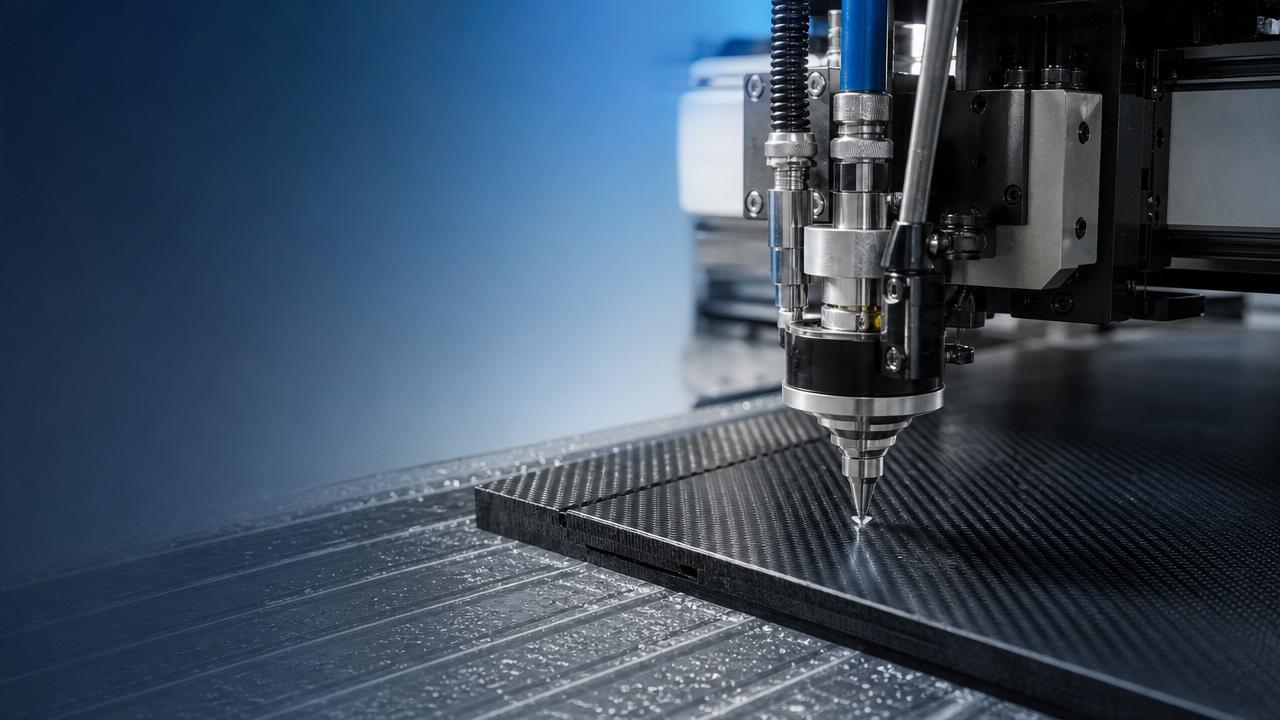
Waterjet cutting for heat-sensitive materials
Composite laminates, titanium alloys, and specialty glass often require cold cutting to avoid heat-affected zones. Waterjet systems preserve material properties while maintaining clean profiles.
This is a practical example of how advanced manufacturing technology supports quality control by matching process physics to material sensitivity.
Commonly overlooked risks
Ignoring machine calibration drift. A capable machine still produces bad parts if axis geometry, probing systems, or laser focus settings slowly move out of tolerance.
Separating production data from quality data. If inspection results are not linked to machine parameters and program versions, root-cause analysis becomes slow and incomplete.
Overlooking consumables. Worn tools, damaged nozzles, poor abrasives, and inconsistent clamping can degrade quality even when the core machine platform is advanced.
Assuming automation guarantees quality. Unattended production only works when alarms, sensor thresholds, and exception handling are tested under realistic failure conditions.
Using the same control plan for every material. Aluminum, hardened steel, carbon fiber, and medical alloys each require different tolerance strategies and process windows.
Practical execution recommendations
- Start with one critical part family and map every source of variation from material receipt to final inspection.
- Install in-process verification at the point where defects are cheapest to detect, not only at the end of production.
- Set control limits for thermal behavior, tool wear, bend angle, cut edge condition, and machine alarms.
- Use digital records to connect NC programs, inspection reports, maintenance logs, and nonconformance events.
- Review capability data regularly and refine fixtures, toolpaths, and compensation tables before scrap rates rise.
For organizations following the evolution of industrial mother machines, this approach aligns with the broader direction of smart manufacturing: tighter control, stronger traceability, and higher confidence in every produced feature.
Platforms such as AMTS highlight why this matters. Precision today depends on the interaction between machine structure, CNC algorithms, process science, and application-specific intelligence.
Conclusion and next action
Advanced manufacturing technology improves quality control when it is used as a system, not just as equipment. The best results come from combining precision hardware, adaptive software, stable process windows, and traceable quality data.
The next step is simple: audit one machining, cutting, or forming process against the checklist above. Identify the largest source of variation, connect it to measurable data, and prioritize the upgrade that prevents defects before they happen.
That is where advanced manufacturing technology delivers its real value: not only faster production, but repeatable quality that stands up to aerospace, medical, NEV, and other high-standard industrial demands.
Product Recommendations
 Abrasive Delivery SystemsIndustrial Waterjet Cutters: Abrasive Costs That Erode MarginsAnalyst :5-Axis Machining Scientist
 All-Electric Press BrakesAll-Electric Servo Drives: Energy Savings vs Upgrade CostAnalyst :Precision Turning Architect
 All-Electric Press BrakesReal-Time Angle Compensation: What It Fixes and What It Doesn'tAnalyst :Precision Turning Architect
 Latest Sector NewsHigh-Strength Steel Machining: Tool Life Myths to AvoidAnalyst :Dr. Alistair Vaughn
 3D 5-Axis LaserComposite Material Cutting Without Delamination: Key MethodsAnalyst :
 Robotic Bending CellsAutomated Sheet Metal Forming: Hidden Setup Costs ComparedAnalyst :Precision Turning Architect