In 2026, advanced manufacturing technology matters more than ever because it defines how industries achieve precision, resilience, and competitive speed.
From 5-axis CNC machining and laser cutting to intelligent forming and cold cutting, production capability now depends on tighter tolerances, smarter automation, and stronger supply chains.
For industrial research, this shift is not theoretical. It directly affects aerospace quality, EV lightweighting, medical precision, energy equipment reliability, and factory investment timing.
That is why advanced manufacturing technology has become a practical lens for judging which operations are future-ready and which are exposed to cost, quality, or delivery risk.
Why the 2026 manufacturing context changes the judgment standard
The importance of advanced manufacturing technology rises when product complexity, material diversity, and delivery pressure increase at the same time.
In 2026, that combination is visible across comprehensive industries, not only in high-end sectors.
Three forces are driving this new standard.
- Parts are becoming lighter, stronger, and more complex.
- Factories need digital traceability and stable repeatability.
- Supply chains must absorb disruption without losing precision.
Traditional process selection often focused on equipment ownership and unit cost.
Now the better question is whether advanced manufacturing technology can protect accuracy, uptime, throughput, and compliance together.
This is where AMTS-style intelligence becomes valuable.
It connects machine performance, control algorithms, material behavior, and sector demand into a clearer decision framework.
Scenario one: when complex geometry decides product value
Advanced manufacturing technology matters most when geometry is difficult and setup error is expensive.
This scenario appears in turbine blades, orthopedic implants, structural EV parts, molds, and precision housings.
In these cases, 5-axis CNC machining centers change the economics of precision.
They reduce multiple setups, improve surface consistency, and support micron-level control on curved or multi-angle features.
The core judgment point is not machine count. It is toolpath intelligence, RTCP performance, thermal stability, and repeatable spindle behavior.
If a facility still relies on manual fixture changes for highly contoured parts, quality variation will likely remain hidden until inspection or assembly.
In 2026, advanced manufacturing technology helps avoid that hidden cost by integrating smarter motion control and more stable process windows.
Key signs this scenario applies
- Frequent rework caused by angle mismatch or contour deviation.
- High-value parts require one-setup completion.
- Cycle time is limited by repositioning, not cutting speed.
- Dimensional stability depends on software and kinematics together.
Scenario two: when sheet metal speed must not sacrifice precision
Another critical scenario is high-volume sheet processing with demanding tolerances and mixed materials.
Here, advanced manufacturing technology influences both speed and downstream consistency.
Laser cutting machines now do more than cut faster.
High-power fiber lasers improve edge quality on thicker plates, while ultrafast lasers support micro-scale features for electronics and semiconductor-related components.
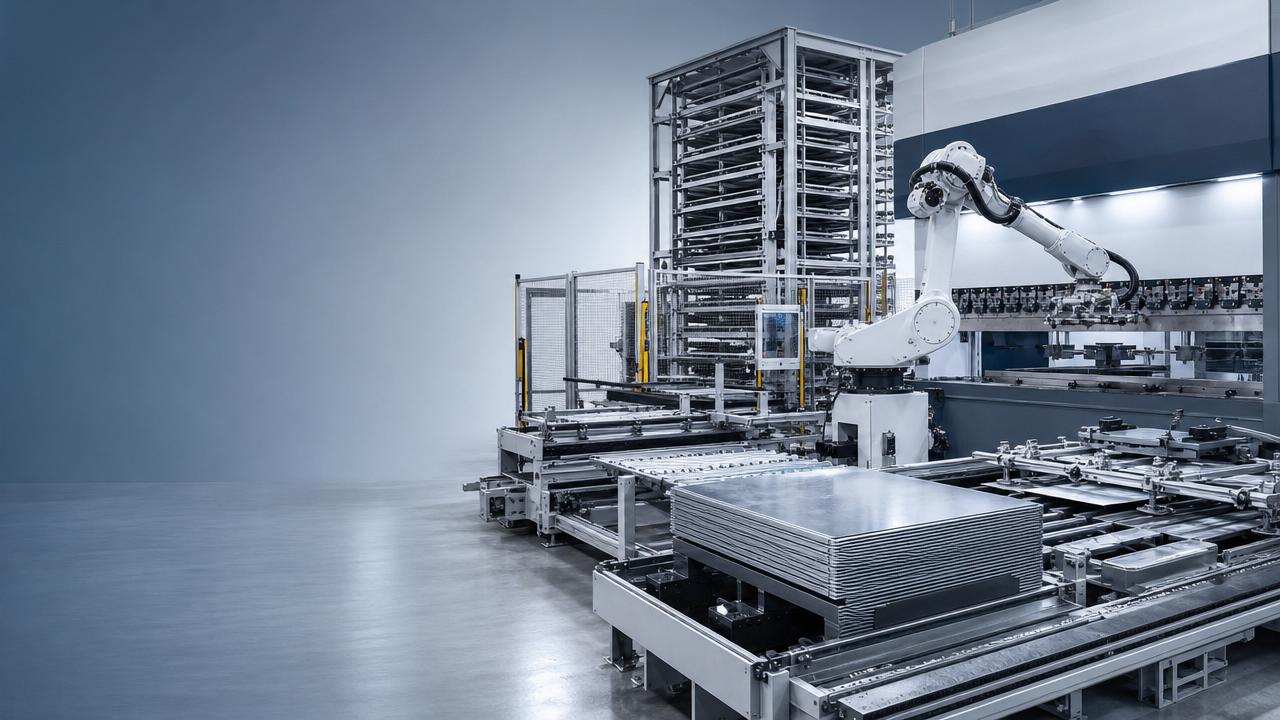
The next judgment step continues at the press brake.
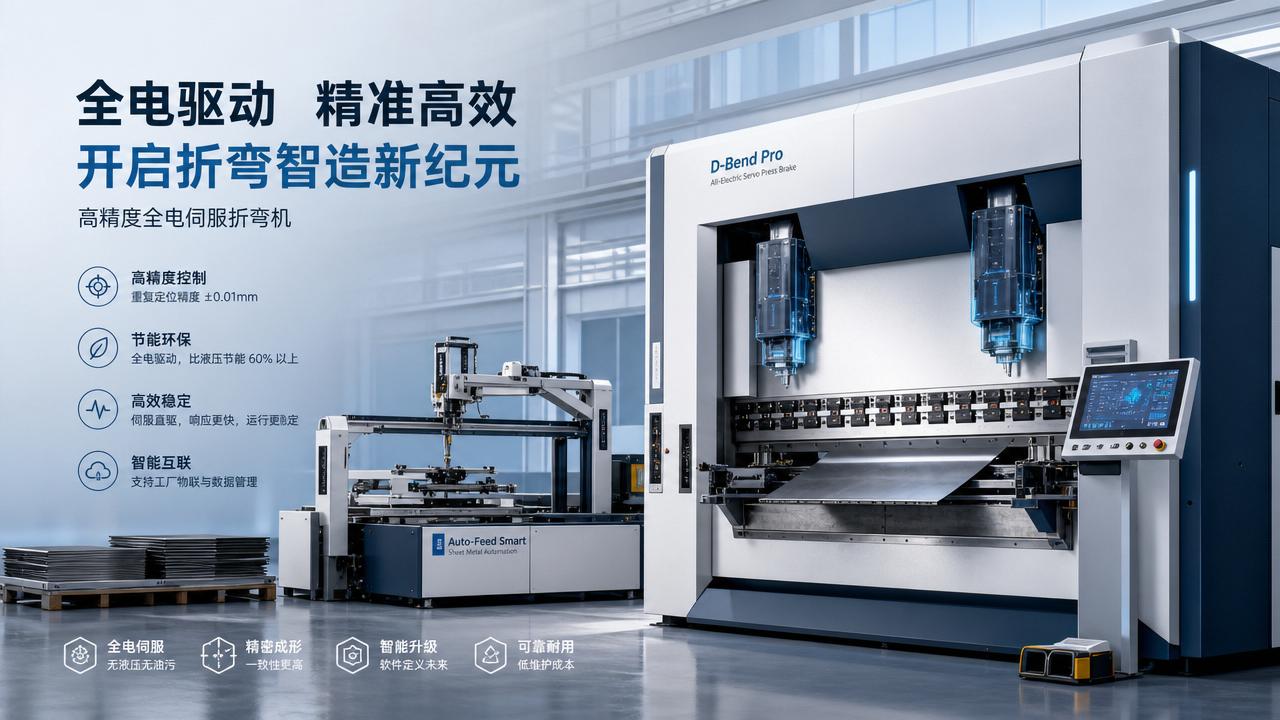
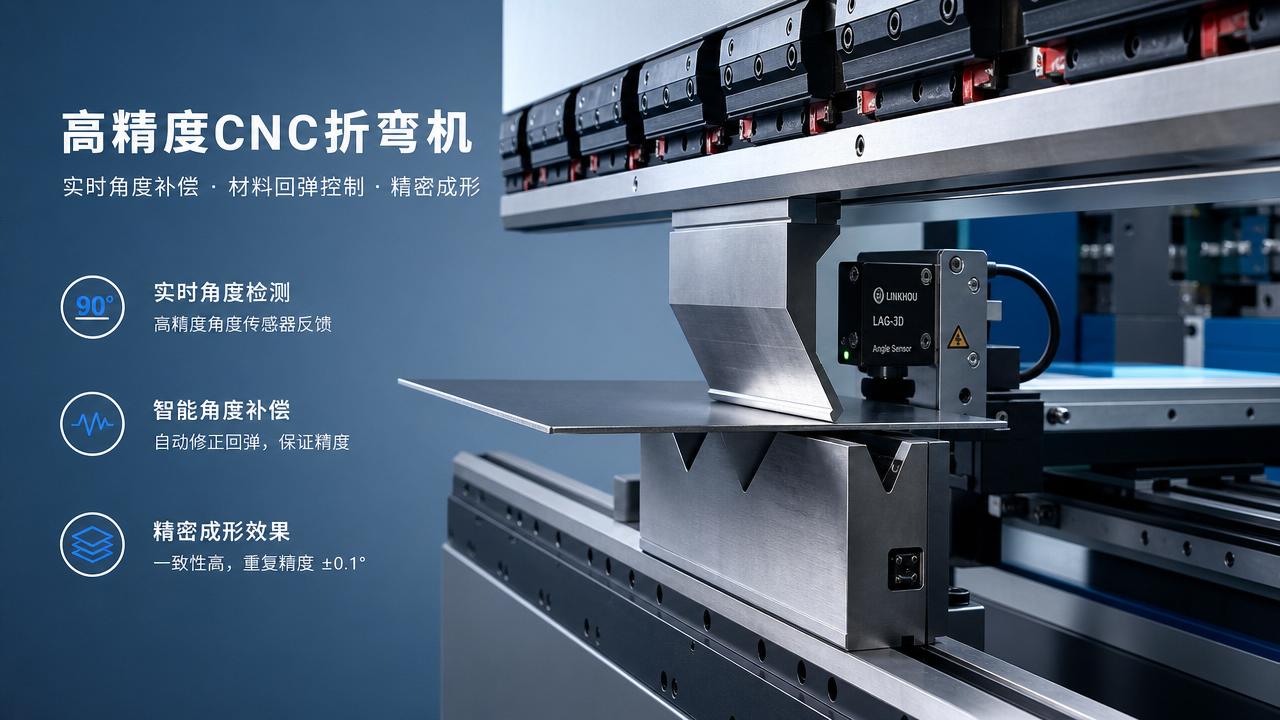
All-electric servo drives and real-time angle compensation help maintain bending accuracy across different thicknesses and alloys.
This means advanced manufacturing technology is not one machine choice. It is a linked process capability from cutting through forming.
In 2026, operations handling EV battery trays, enclosures, cabinets, frames, and precision brackets cannot evaluate these steps separately.
Core judgment points in this scenario
- Edge quality must support forming without secondary correction.
- Mixed-material scheduling requires adaptive parameters.
- Automation should connect cutting, sorting, bending, and unloading.
- Scrap reduction often matters as much as speed gain.
Scenario three: when heat-sensitive materials change the process choice
Some applications make advanced manufacturing technology essential because thermal damage is unacceptable.
This is common in aerospace composites, titanium alloys, layered materials, protective glass, and specialty laminates.
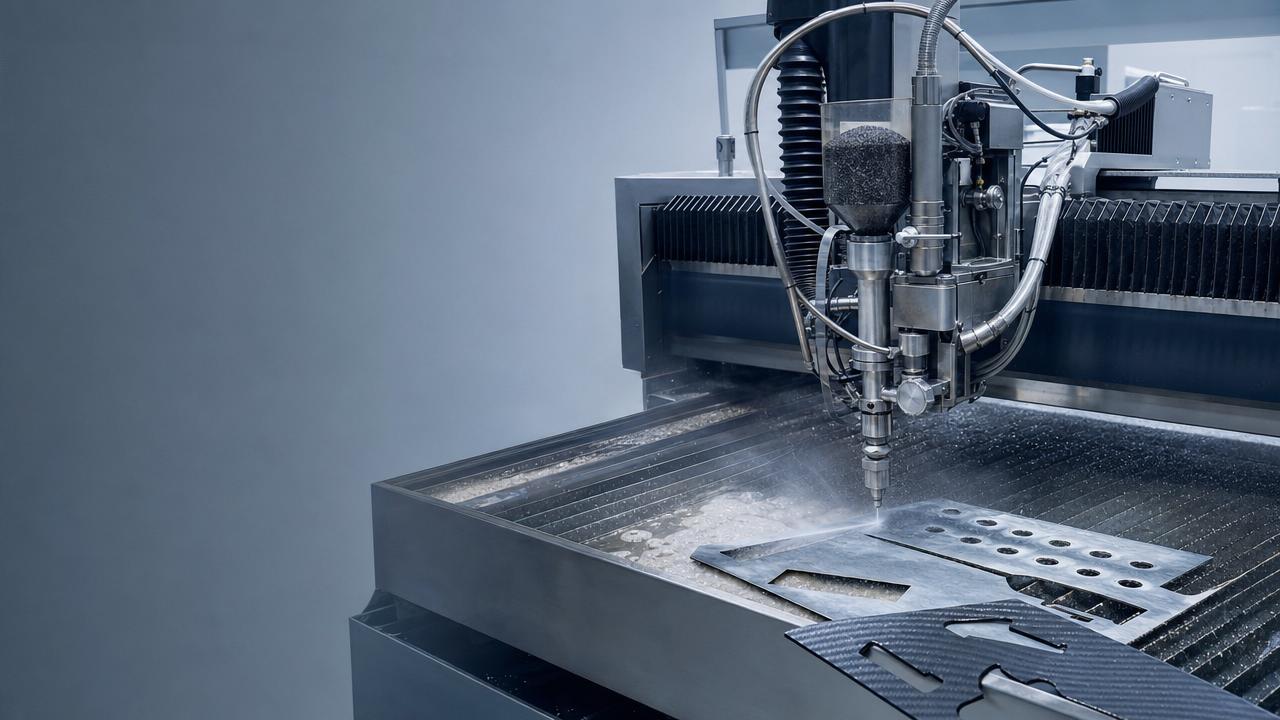
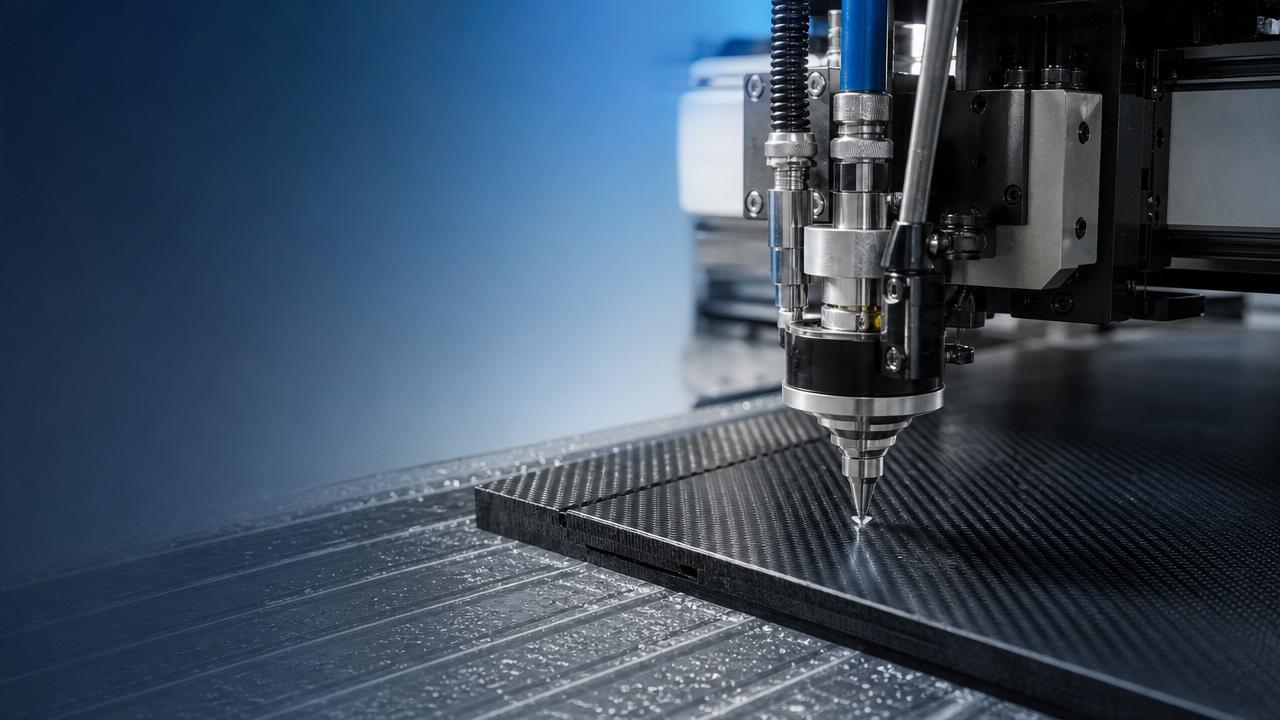
In these environments, industrial waterjet cutters remain strategically important.
Their cold cutting process removes the heat-affected zone and preserves material integrity where lasers or conventional tools may introduce risk.
The critical decision is not whether waterjet is slower in some jobs.
It is whether material performance after cutting remains compliant, reliable, and structurally predictable.
In 2026, advanced manufacturing technology increasingly means selecting the right physics for the material, not forcing every task into one preferred platform.
Scenario four: when cylindrical precision controls reliability
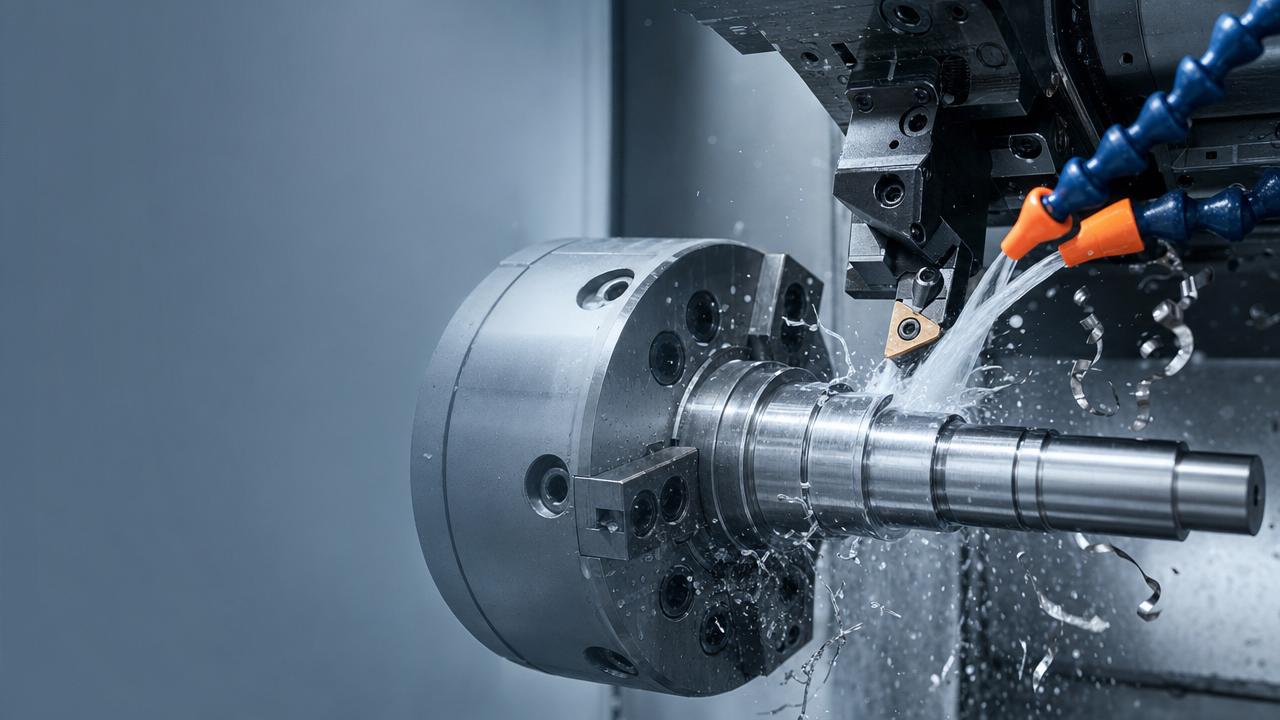
CNC lathes still define a major share of industrial precision.
This scenario includes shafts, connectors, implants, bushings, valves, and high-accuracy rotational parts across many sectors.
Advanced manufacturing technology matters here because dimensional stability, rigidity, and throughput must scale together.
Swiss-type machines support tiny medical-grade work, while heavy-duty lathes handle large marine or energy components.
The evaluation should focus on rigidity, thermal drift control, tooling strategy, and unattended operation potential.
If turning quality depends heavily on operator intervention, resilience will be weak under fluctuating demand.
How different scenarios create different technology priorities
Practical recommendations for scenario-based technology fit
The most effective use of advanced manufacturing technology starts with matching the process to the production risk.
- Map defect sources before evaluating machine upgrades.
- Compare setup reduction value against raw cutting speed.
- Check whether software, controls, and metrology evolve together.
- Review export controls and core component supply dependencies.
- Prioritize automation where labor variation affects repeatability.
- Use material-specific validation for composites, titanium, and thin-wall alloys.
This is where strategic intelligence supports better timing.
A research-driven view can reveal whether demand growth comes from EV lightweighting, aerospace tolerance upgrades, or factory automation targets.
Common mistakes when judging advanced manufacturing technology in 2026
A frequent mistake is treating advanced manufacturing technology as a branding term instead of a measurable capability stack.
Another mistake is focusing only on machine power while ignoring control software, thermal behavior, fixturing, or operator-independent stability.
Some assessments also overlook supply chain exposure.
A machine may look competitive on paper but remain vulnerable if CNC systems, linear scales, or critical service parts are difficult to secure.
One more blind spot is separating process stages too narrowly.
For example, excellent laser cutting cannot recover value if bending variation disrupts final assembly.
What to do next with this 2026 perspective
Start by identifying which production scenarios carry the highest precision, speed, or material risk.
Then evaluate whether current processes can meet those needs under real production pressure, not only under ideal test conditions.
Use advanced manufacturing technology as a decision framework.
Compare geometry complexity, thermal sensitivity, throughput targets, and automation readiness across each workflow.
Finally, follow intelligence sources that connect machine tools, process science, and market direction.
That broader view helps translate technical capability into long-term industrial advantage.
In 2026, advanced manufacturing technology matters because precision alone is no longer enough.
The winning standard is precision with resilience, automation, and strategic adaptability built into every critical process.
Product Recommendations
 Abrasive Delivery SystemsIndustrial Waterjet Cutters: Abrasive Costs That Erode MarginsAnalyst :5-Axis Machining Scientist
 All-Electric Press BrakesAll-Electric Servo Drives: Energy Savings vs Upgrade CostAnalyst :Precision Turning Architect
 All-Electric Press BrakesReal-Time Angle Compensation: What It Fixes and What It Doesn'tAnalyst :Precision Turning Architect
 Latest Sector NewsHigh-Strength Steel Machining: Tool Life Myths to AvoidAnalyst :Dr. Alistair Vaughn
 3D 5-Axis LaserComposite Material Cutting Without Delamination: Key MethodsAnalyst :
 Robotic Bending CellsAutomated Sheet Metal Forming: Hidden Setup Costs ComparedAnalyst :Precision Turning Architect