As automakers and suppliers reset investment priorities, EV manufacturing solutions are becoming a key lens for tracking where production capacity will expand in 2026. From battery systems and lightweight structures to precision metalworking and flexible automation, the next wave of moves will reveal who can scale faster, cut costs, and secure resilient supply chains in an increasingly competitive global market. For advanced equipment ecosystems such as AMTS, this shift is not only about vehicle output. It is also about which machining, cutting, forming, and digital production systems will become essential as EV programs move from aggressive expansion to disciplined industrial execution.
What do EV manufacturing solutions actually include in 2026 capacity planning?
In practical terms, EV manufacturing solutions cover the full production chain required to turn battery materials, structural metals, electronic systems, and final assembly processes into commercially viable output. In 2026, this definition will broaden further. It will include battery module and pack lines, e-axle machining, inverter and power electronics integration, body-in-white solutions for mixed materials, laser-based cutting and welding, CNC machining for lightweight components, press brake forming for enclosures, and industrial automation that links all of these nodes into repeatable flow.
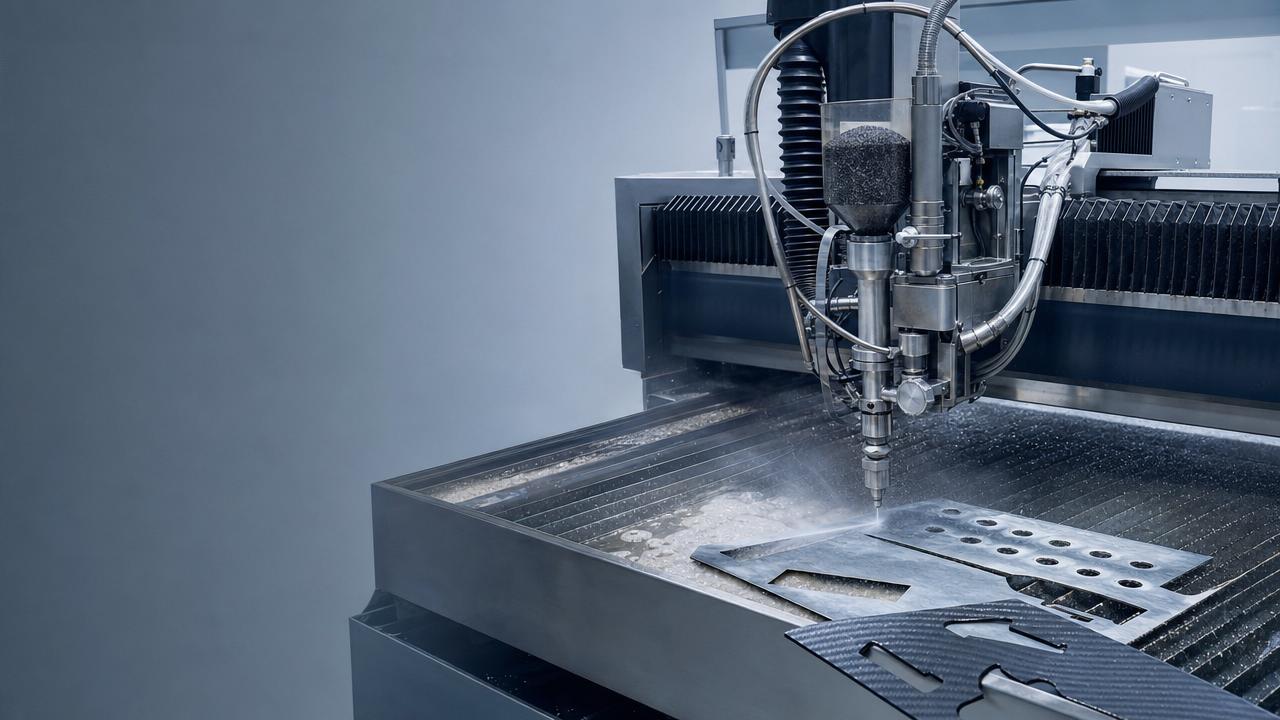
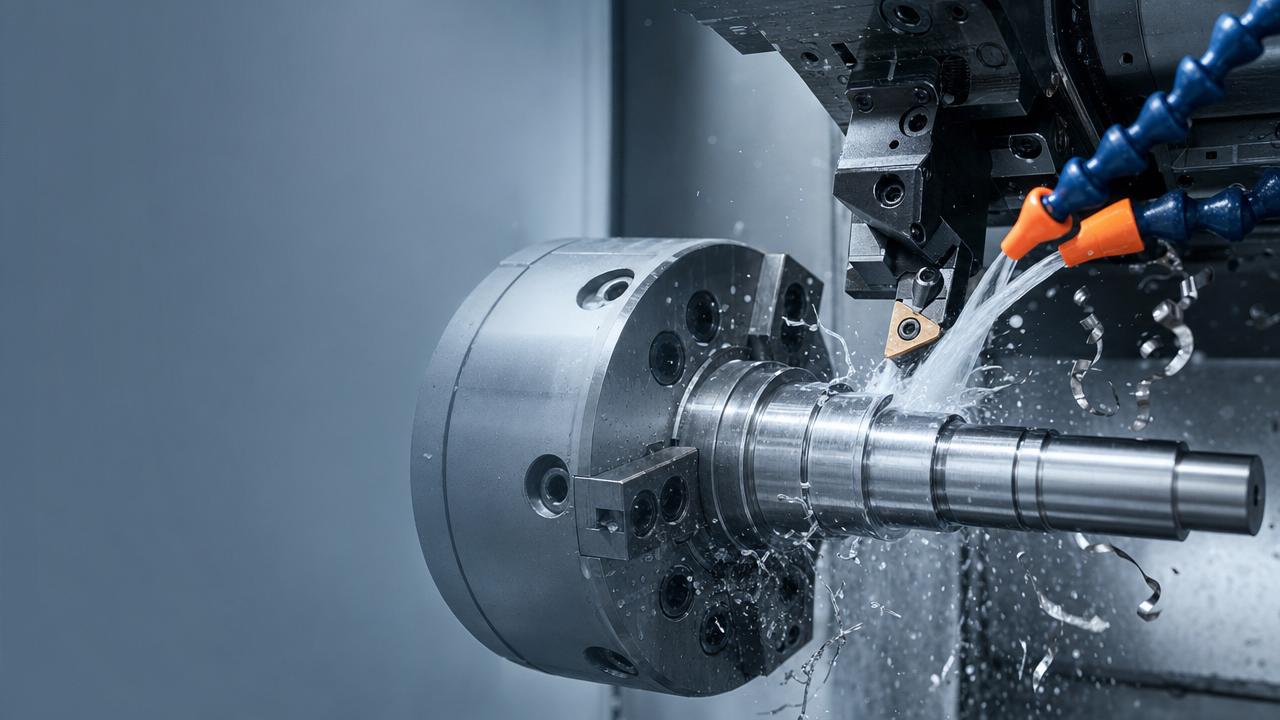
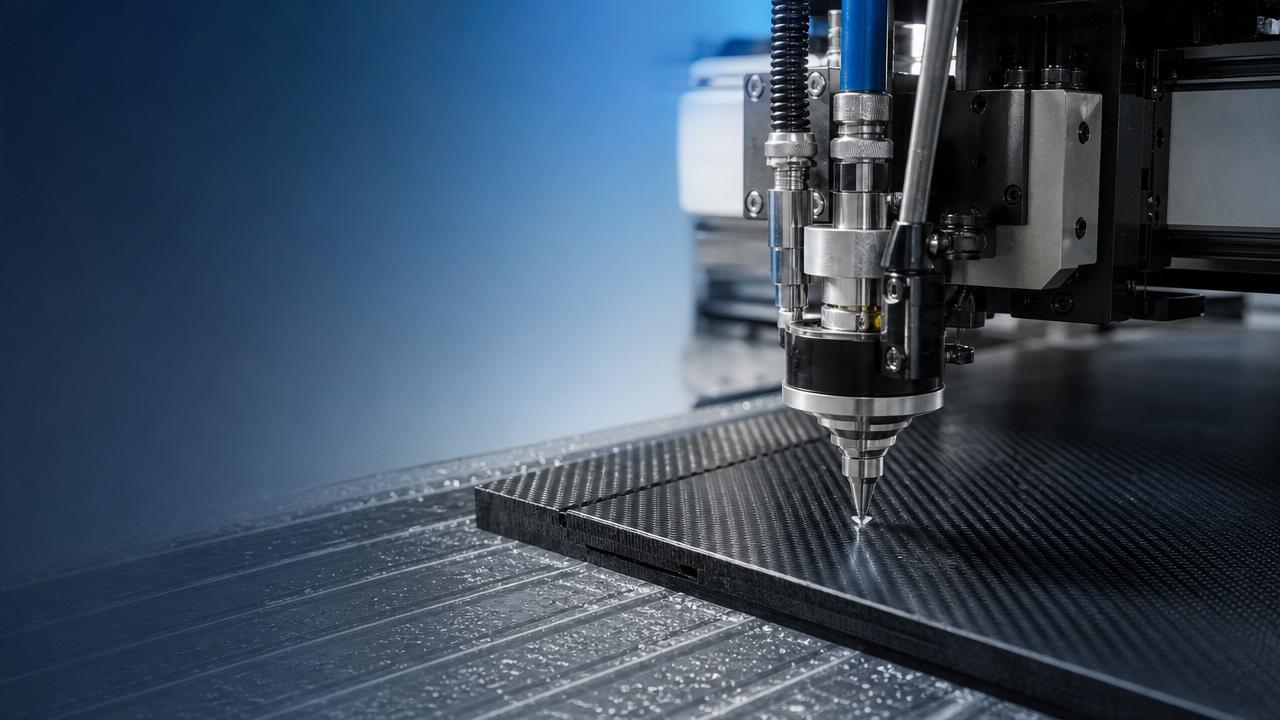
The most important change is that capacity is no longer judged only by headline gigafactory announcements. Analysts increasingly look at whether production systems can maintain tolerance stability, material utilization, takt-time flexibility, and energy efficiency under changing product mixes. That is where advanced manufacturing infrastructure matters. Five-axis CNC machining centers support complex aluminum housings and thermal management parts. CNC lathes handle precision shafts, motor components, and cylindrical battery-related hardware. Fiber laser cutting systems speed up enclosure and bracket fabrication, while CNC press brakes ensure consistent forming accuracy across high-strength steel and aluminum. Waterjet systems remain critical where heat-affected zones must be avoided, especially in composites and specialty materials.
So when industry observers discuss EV manufacturing solutions, they are really asking a larger question: which industrial capabilities can support cost-down targets without sacrificing quality or resilience?
Where is EV production capacity most likely to move in 2026?
The next capacity moves are likely to favor regions and facilities that combine market access, power availability, policy support, and production flexibility. In 2026, not every new project will be a greenfield mega-site. More capacity will come from brownfield upgrades, regional battery pack assembly, modular subassembly plants, and strategic expansions near existing auto clusters. This is especially relevant for EV manufacturing solutions because mature industrial bases can often scale faster than entirely new locations.
Three patterns stand out. First, battery and powertrain capacity may continue shifting toward locations with stronger localization incentives and lower logistics risk. Second, final assembly and body systems may expand near consumption markets to reduce tariff exposure and delivery complexity. Third, critical component manufacturing such as precision castings, machined housings, busbars, cooling plates, and sheet metal enclosures may move toward regions with stronger machine tool, automation, and engineering support.
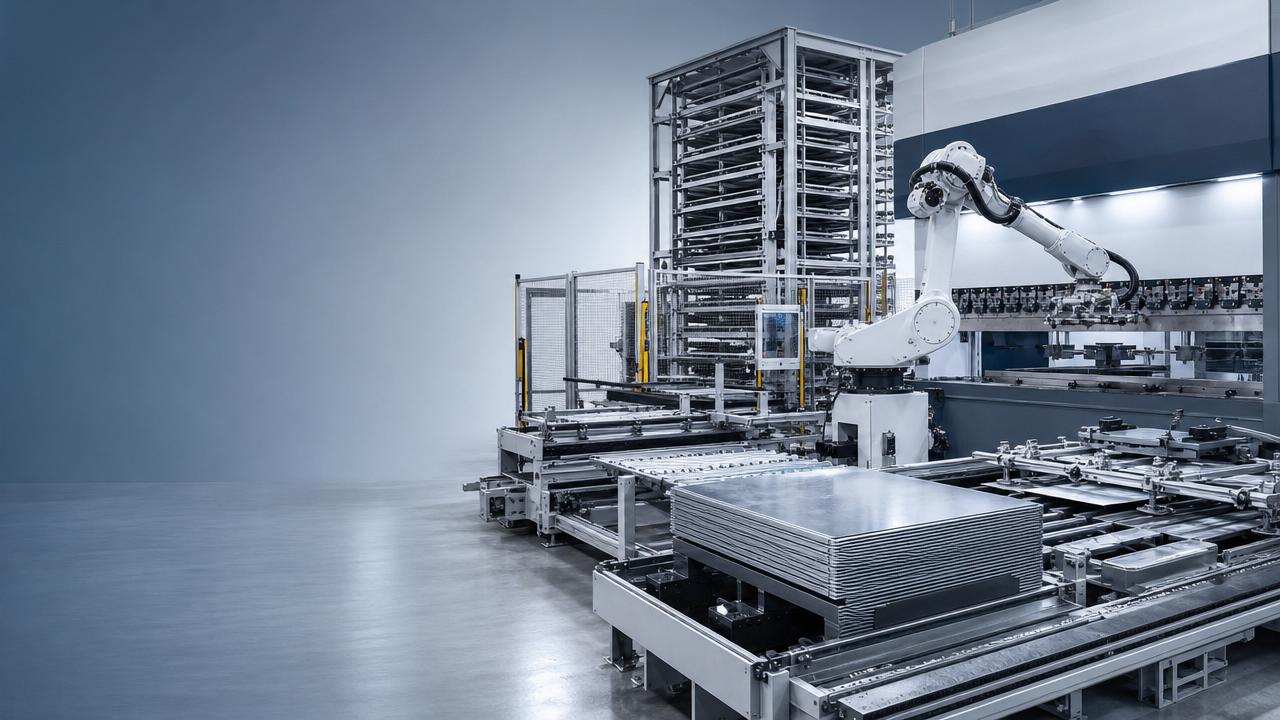
For this reason, watching machine installation patterns can be as revealing as watching vehicle announcements. A rise in orders for five-axis machining, laser cutting cells, robotic bending systems, and automated inspection often signals that EV capacity is being built with more discipline and long-term productivity in mind.
Which technologies will matter most inside EV manufacturing solutions?
Not every technology investment carries the same strategic weight. The strongest EV manufacturing solutions for 2026 will be those that improve both throughput and adaptability. That makes precision equipment particularly valuable because EV platforms are still evolving in battery architecture, structural design, and thermal systems.
- 5-axis CNC machining: Critical for complex battery trays, motor housings, inverter casings, and lightweight structural components with tight tolerances.
- CNC lathes: Essential for shafts, rotors, connectors, and high-volume cylindrical precision parts that require repeatability.
- Laser cutting systems: High-speed sheet processing for enclosures, brackets, busbar features, and low-distortion trimming in flexible production.
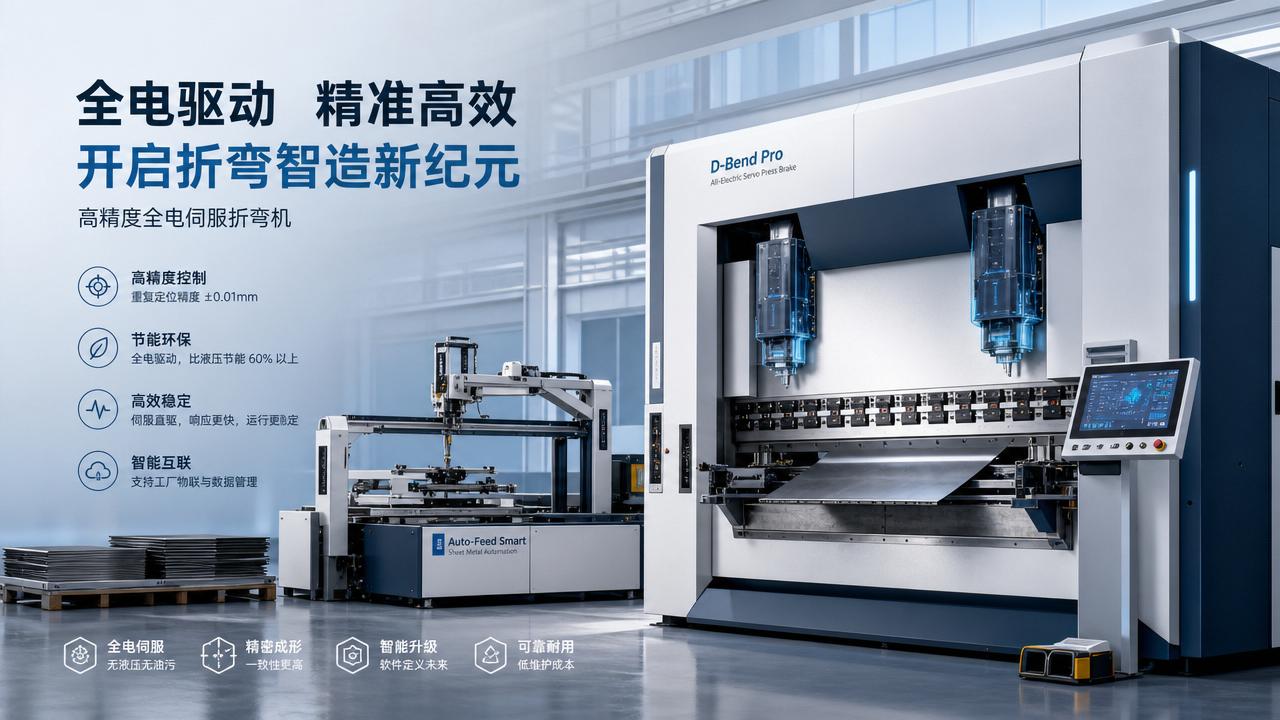
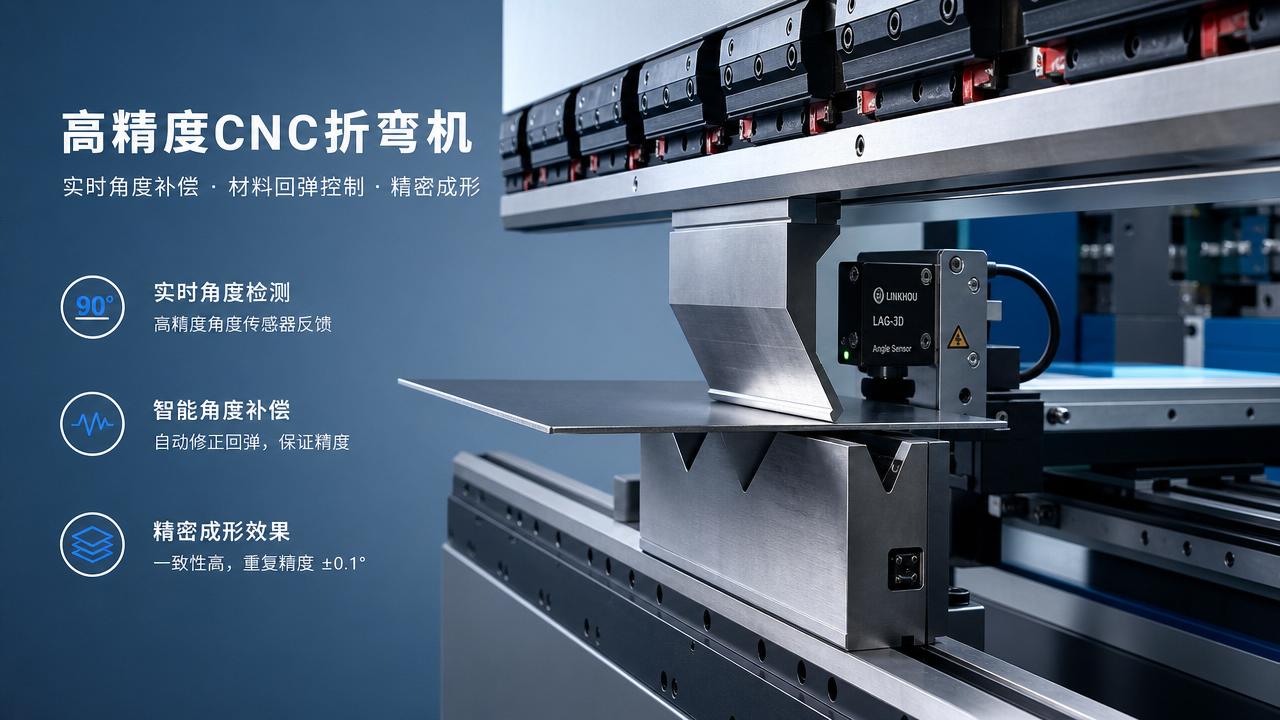
- CNC press brakes: Key for forming battery covers, cabinets, and structural sheet metal with consistent angle accuracy.
- Waterjet cutting: Valuable for composite and heat-sensitive materials where edge quality and no HAZ are priorities.
- Automation and digital monitoring: Needed to connect machines, quality control, loading systems, and predictive maintenance into a stable production cell.
The takeaway is straightforward: the best EV manufacturing solutions are no longer isolated machines. They are integrated process chains designed around precision, uptime, and rapid model transition.
How can capacity moves be judged beyond headline announcements?
A common mistake is to treat every expansion claim as equal. In reality, some projects represent real industrial scaling, while others are only early-stage intent. To evaluate 2026 developments, it helps to use a structured filter tied to EV manufacturing solutions and production readiness.
This kind of review helps separate symbolic investment from executable industrial growth. For anyone tracking EV manufacturing solutions, real credibility lies in the production stack, not in marketing language.
What risks and misconceptions could distort 2026 EV manufacturing decisions?
One major misconception is that EV growth automatically rewards maximum scale. In the current environment, excess capacity, volatile battery pricing, regional policy shifts, and slower-than-expected demand in some segments can punish inflexible investments. That is why EV manufacturing solutions must be built around scalable modules rather than fixed assumptions.
Another risk is underestimating the importance of precision manufacturing. Cost pressure can tempt projects to overfocus on assembly speed while neglecting the upstream quality of machined parts, formed structures, and thermal interfaces. Yet small tolerance errors can create expensive downstream failures in sealing, cooling performance, vibration control, and pack safety.
A third issue is supply chain concentration. Even advanced EV manufacturing solutions can become vulnerable if key CNC systems, optics, drives, controls, or specialty tooling come from narrow sources affected by export controls or logistics shocks. Diversification, serviceability, and local technical support should therefore be treated as strategic design variables, not afterthoughts.
How should 2026 preparation be approached when selecting EV manufacturing solutions?
Preparation should start with process mapping rather than equipment shopping. The most effective EV manufacturing solutions are selected by tracing where value, risk, and variability accumulate across the production route. That means identifying bottlenecks in machining time, material flow, quality inspection, changeover, energy consumption, and maintenance response.
A practical decision path often looks like this:
- Confirm which EV components will remain stable across future models.
- Prioritize flexible machining, cutting, and forming assets for parts likely to change.
- Assess whether automation improves throughput, traceability, or labor stability in measurable terms.
- Review spare parts access, software support, and upgrade paths before finalizing equipment architecture.
- Use pilot cells or phased implementation to validate takt time and quality before full replication.
This staged approach reduces overcommitment while preserving room to scale. It also aligns well with the AMTS perspective that long-term competitiveness depends on combining micron-level precision, robust machine intelligence, and practical factory integration.
Quick FAQ: what should be asked before following 2026 capacity moves?
The 2026 outlook will reward disciplined execution more than pure expansion ambition. The most credible EV manufacturing solutions will be those backed by precise machining capability, flexible sheet metal processing, advanced automation, and resilient supply chain design. Capacity moves worth watching are not simply the biggest ones. They are the moves supported by real industrial infrastructure, intelligent tooling strategy, and the ability to adapt as EV architectures continue to evolve.
For deeper evaluation, the next practical step is to compare announced projects against actual manufacturing readiness: machine tool deployment, forming and cutting capability, process integration, and local service depth. That is where future winners in EV manufacturing solutions are most likely to emerge.
Product Recommendations
 Abrasive Delivery SystemsIndustrial Waterjet Cutters: Abrasive Costs That Erode MarginsAnalyst :5-Axis Machining Scientist
 All-Electric Press BrakesAll-Electric Servo Drives: Energy Savings vs Upgrade CostAnalyst :Precision Turning Architect
 All-Electric Press BrakesReal-Time Angle Compensation: What It Fixes and What It Doesn'tAnalyst :Precision Turning Architect
 Latest Sector NewsHigh-Strength Steel Machining: Tool Life Myths to AvoidAnalyst :Dr. Alistair Vaughn
 3D 5-Axis LaserComposite Material Cutting Without Delamination: Key MethodsAnalyst :
 Robotic Bending CellsAutomated Sheet Metal Forming: Hidden Setup Costs ComparedAnalyst :Precision Turning Architect