The advanced manufacturing foundation is becoming a decisive signal of long-term competitiveness for industrial enterprises worldwide. For business decision-makers, understanding how 5-axis CNC machining, laser cutting, precision turning, press braking, and waterjet systems shape productivity, quality, and supply chain resilience is no longer optional. It is the key to building technical authority, capturing high-value demand, and securing a stronger position in aerospace, EV, and precision manufacturing markets.
When decision-makers search for the term advanced manufacturing foundation, they are usually not looking for abstract definitions. They want to know whether their current production base is strong enough to support long-cycle growth, premium customer acquisition, and resilience against technical, geopolitical, and supply chain disruption. In practical terms, the real question is simple: which manufacturing capabilities create durable advantage, and how should a company prioritize investment?
The short answer is that long-term competitiveness increasingly depends on whether a company has built a manufacturing foundation around precision, flexibility, automation readiness, process intelligence, and equipment interoperability. Businesses that treat machine tools only as production assets often compete on price. Companies that treat them as strategic infrastructure are better positioned to win in aerospace, new energy vehicles, medical devices, precision industrial components, and other high-value sectors.
What business leaders are really asking when they evaluate an advanced manufacturing foundation
For enterprise leaders, the issue is not simply whether a factory owns modern machines. The deeper concern is whether the production system can consistently deliver tight tolerances, shorten lead times, absorb engineering changes, and maintain output quality at scale. This is why the advanced manufacturing foundation has become a board-level topic rather than a purely technical discussion.
In most industrial sectors, customers are no longer buying only parts. They are buying risk reduction. Aerospace buyers want traceability and process reliability. EV supply chains want speed, repeatability, and lightweight material capability. Medical and precision engineering customers want zero-compromise quality. If a manufacturer cannot prove control over machining accuracy, forming consistency, thermal effects, and process variation, it becomes difficult to move up the value chain.
That means business leaders typically care about five practical questions. Can the company make more complex parts without excessive setups? Can it hold micron-level consistency under commercial pressure? Can it switch between product mixes without losing efficiency? Can it reduce dependence on fragile external suppliers? And can it automate or digitize operations without rebuilding the entire shop floor later?
These questions point directly to the importance of machine tool capability. A strong advanced manufacturing foundation is visible in the equipment architecture, process control strategy, software integration, operator know-how, and lifecycle maintenance discipline of the business. It is not one machine, one software package, or one automation cell. It is a coordinated system.
Why the advanced manufacturing foundation is now a signal of long-term competitiveness
In previous manufacturing cycles, companies could remain competitive with moderate technical capability if labor costs, local market access, or scale advantages were strong enough. That model is becoming weaker. Today, profitability and strategic relevance increasingly depend on the ability to produce complex, high-precision, low-defect components quickly and repeatedly.
This shift is being driven by several structural forces. First, product design complexity is rising. Aero-engine parts, battery system housings, structural EV components, medical implants, and precision electronics all demand more exacting geometries and material performance. Second, tolerance expectations are tightening while batch sizes are becoming less predictable. Third, supply chains are being redesigned for regional resilience, forcing manufacturers to absorb more capability in-house.
At the same time, equipment technology has advanced rapidly. Modern 5-axis CNC machining centers, high-rigidity CNC lathes, fiber laser cutting systems, servo-electric press brakes, and ultra-high-pressure waterjet cutters are not just productivity tools. They are capability multipliers. They make it possible to manufacture parts that were previously too difficult, too slow, too inconsistent, or too costly to produce competitively.
For this reason, the advanced manufacturing foundation has become a visible signal of future competitiveness. Investors, customers, strategic partners, and OEM procurement teams increasingly assess whether a supplier has the technical depth to support long-duration programs. A factory with advanced equipment but weak process integration may still struggle. A factory with integrated equipment, process intelligence, and a clear automation roadmap sends a very different signal to the market.
Which core equipment pillars matter most for strategic capability building
Not every manufacturer needs the same equipment mix, but most advanced industrial operations depend on a small number of capability pillars. Understanding their business role helps leaders make better capital allocation decisions.
5-axis CNC machining centers are often the clearest indicator of high-end manufacturing maturity. Their value is not limited to precision. They reduce setups, improve geometric accuracy, enable complex surface machining, and shorten total production cycles for parts such as turbine blades, impellers, structural housings, and orthopedic components. For executives, the strategic value lies in the ability to accept higher-margin work that 3-axis or less capable systems cannot handle efficiently.
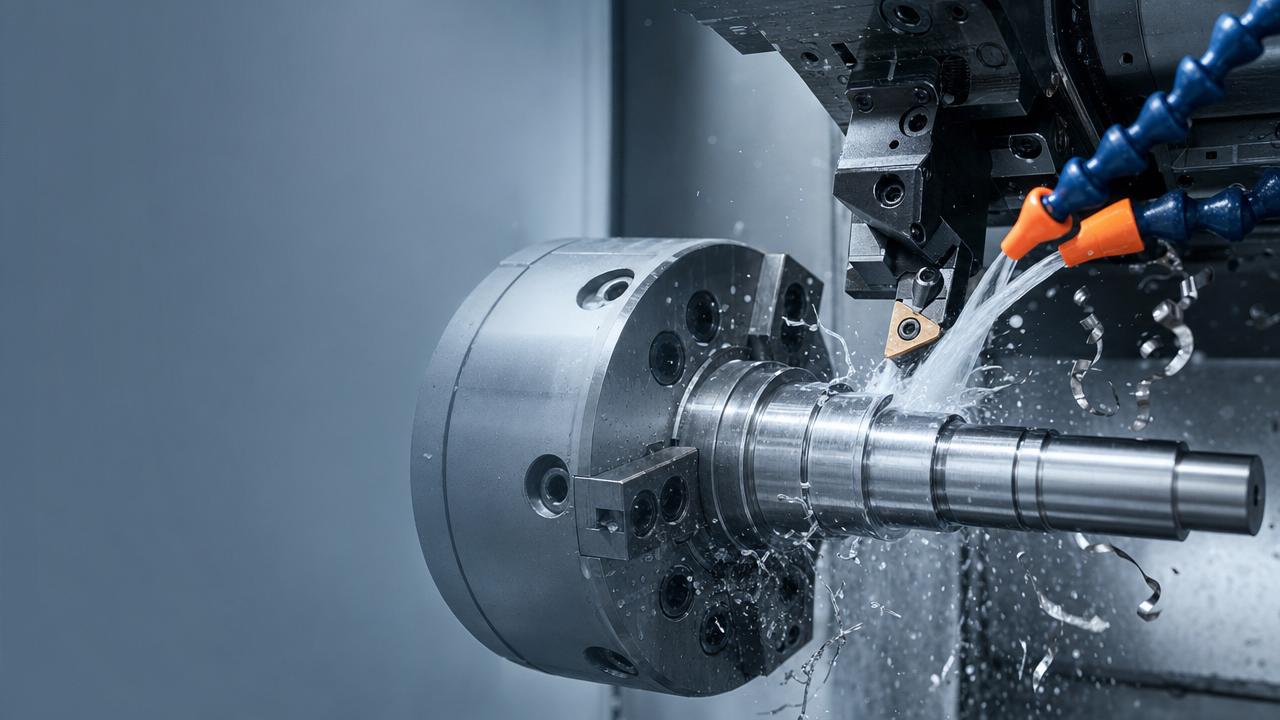
CNC lathes, including Swiss-type and multi-tasking turning platforms, remain essential for cylindrical precision parts. Their business importance is often underestimated because they appear more conventional than 5-axis systems. In reality, advanced turning capacity supports critical sectors ranging from medical implants to automotive shafts and hydraulic components. The ability to maintain concentricity, surface finish, and throughput at scale directly affects both margin and customer retention.
Laser cutting machines increasingly define competitiveness in sheet metal and precision fabrication environments. High-power fiber lasers improve speed and edge quality across a wide material range, while ultrafast laser technologies create opportunities in microelectronics and semiconductor processing. For management teams, the strategic takeaway is that laser capability influences lead time, nesting efficiency, downstream forming quality, and material utilization.
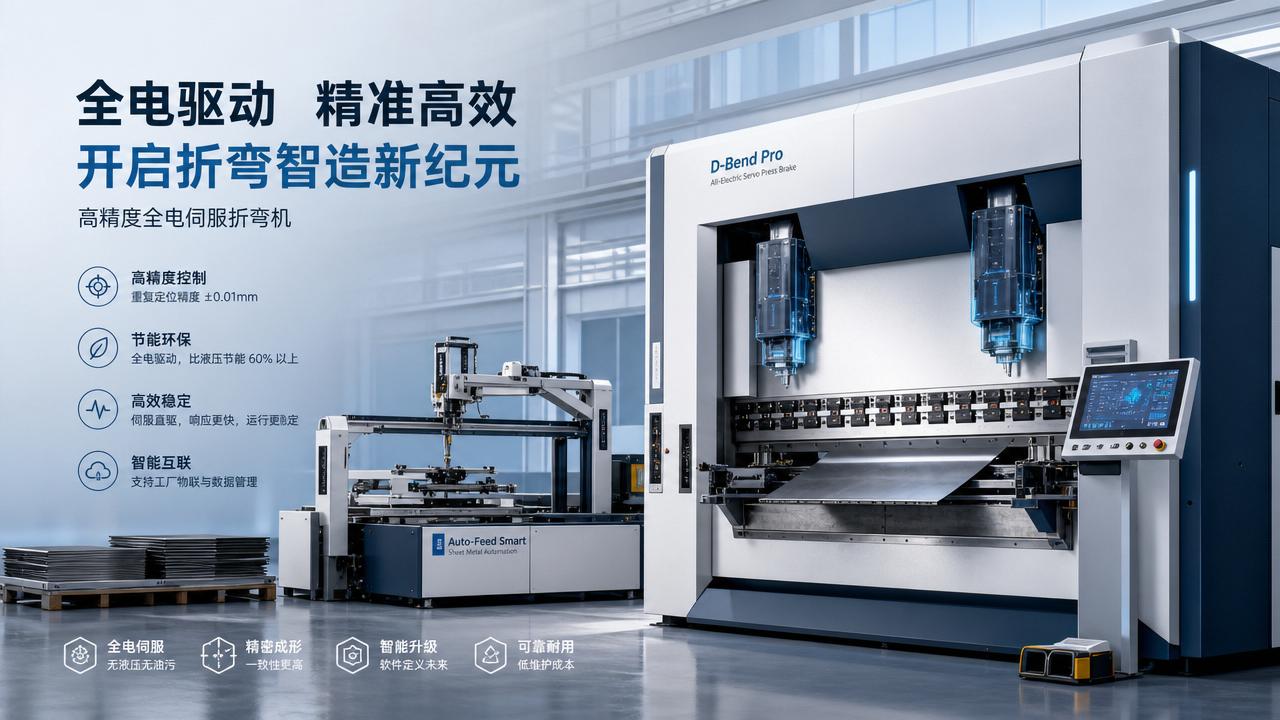
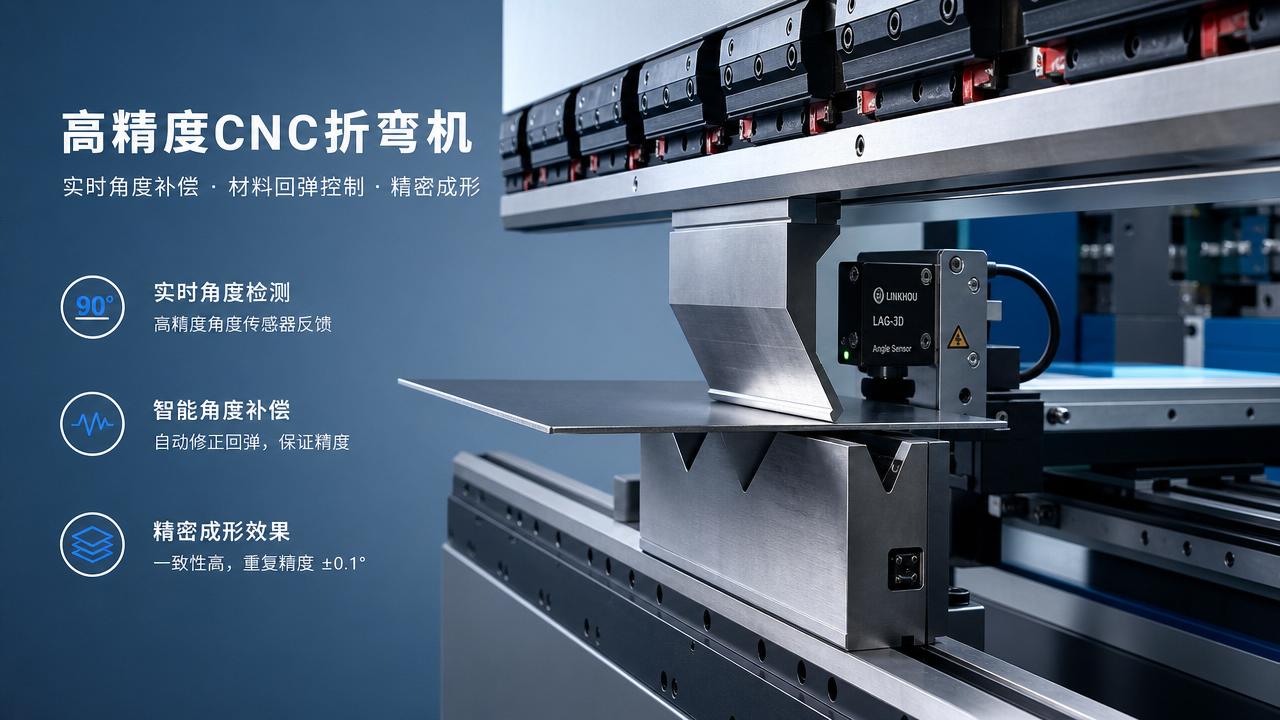
CNC press brakes matter because forming accuracy is no longer a secondary concern. With real-time angle compensation, advanced control systems, and servo-electric drive options, modern press brakes can deliver much higher repeatability across varied thicknesses and materials. This is especially relevant in EV enclosures, cabinet systems, aerospace brackets, and precision structural parts where dimensional consistency affects final assembly performance.
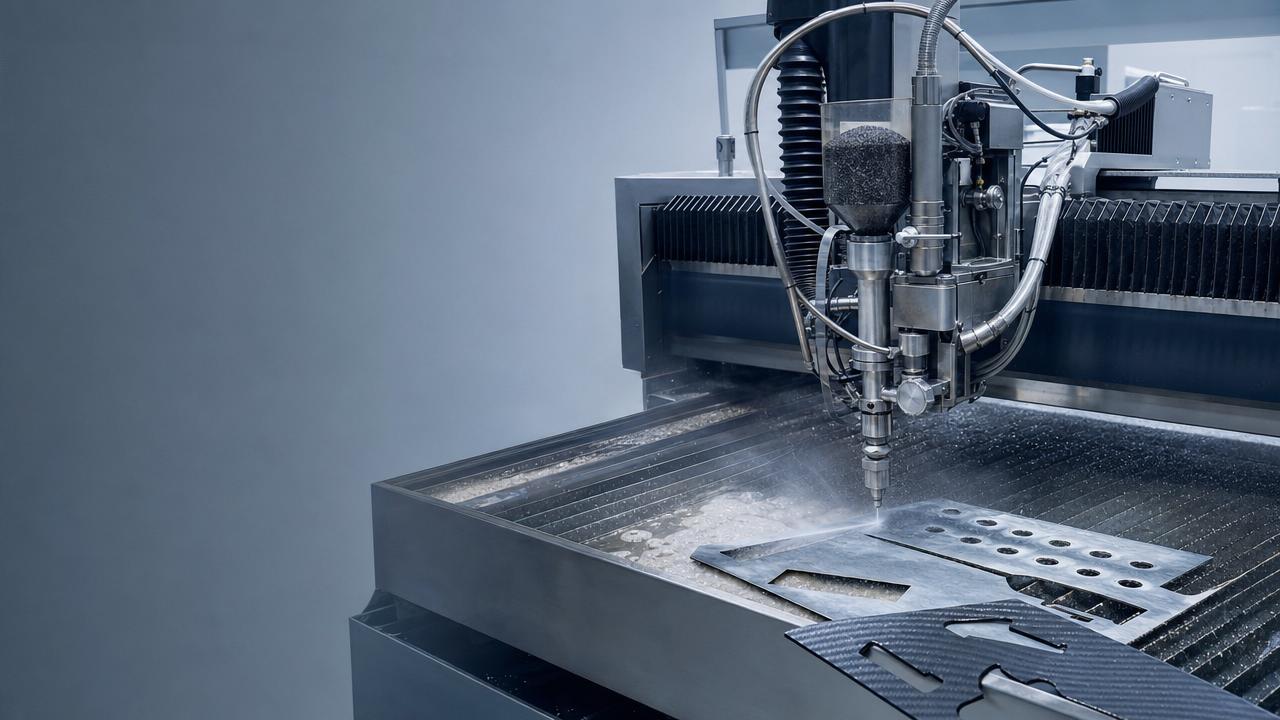
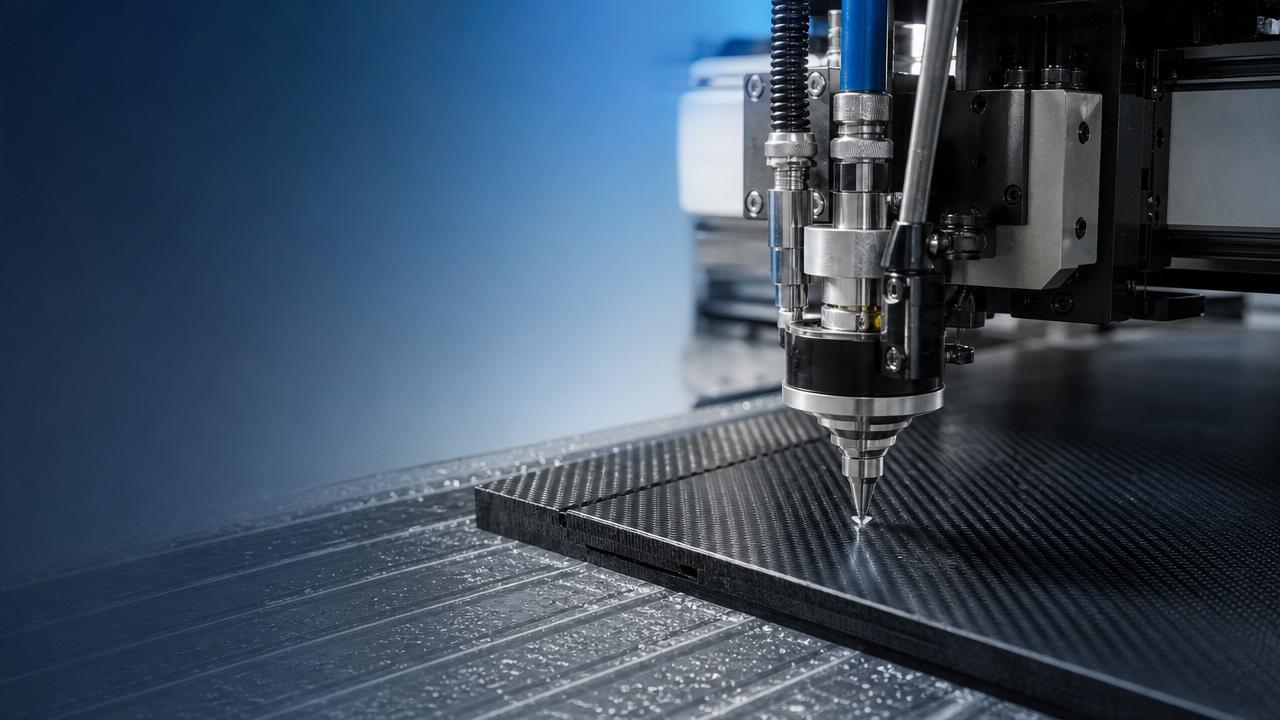
Industrial waterjet cutters are often the right answer for heat-sensitive and difficult materials. Their cold-cutting nature avoids heat-affected zones, making them indispensable for composite materials, titanium, armor glass, and certain aerospace structures. For companies pursuing technically demanding sectors, waterjet capability can be a differentiator rather than a niche add-on.
Together, these technologies form the operating core of the advanced manufacturing foundation. Their value becomes greatest when they are connected by software, quality systems, tooling strategy, and production planning discipline rather than managed as isolated equipment islands.
How executives should judge whether their current foundation is truly competitive
A common mistake is to evaluate manufacturing strength by machine age alone. New equipment helps, but competitiveness is better measured through a broader set of indicators. Leaders should assess capability through operational evidence, not brochure specifications.
One key indicator is setup compression. If complex parts still require multiple fixtures, repeated touch-offs, or frequent manual intervention, then capital intensity may be high but process maturity remains limited. Another signal is tolerance stability over time. It is one thing to hit a target in pilot production; it is another to hold it across shifts, materials, and operator changes.
Programming and control sophistication is another critical area. For example, in 5-axis environments, the practical effectiveness of RTCP, collision avoidance, post-processing quality, and toolpath optimization often matters more than the base machine’s theoretical travel range. Similarly, in laser cutting, process database quality, piercing control, thermal management, and nozzle condition strongly influence real-world output.
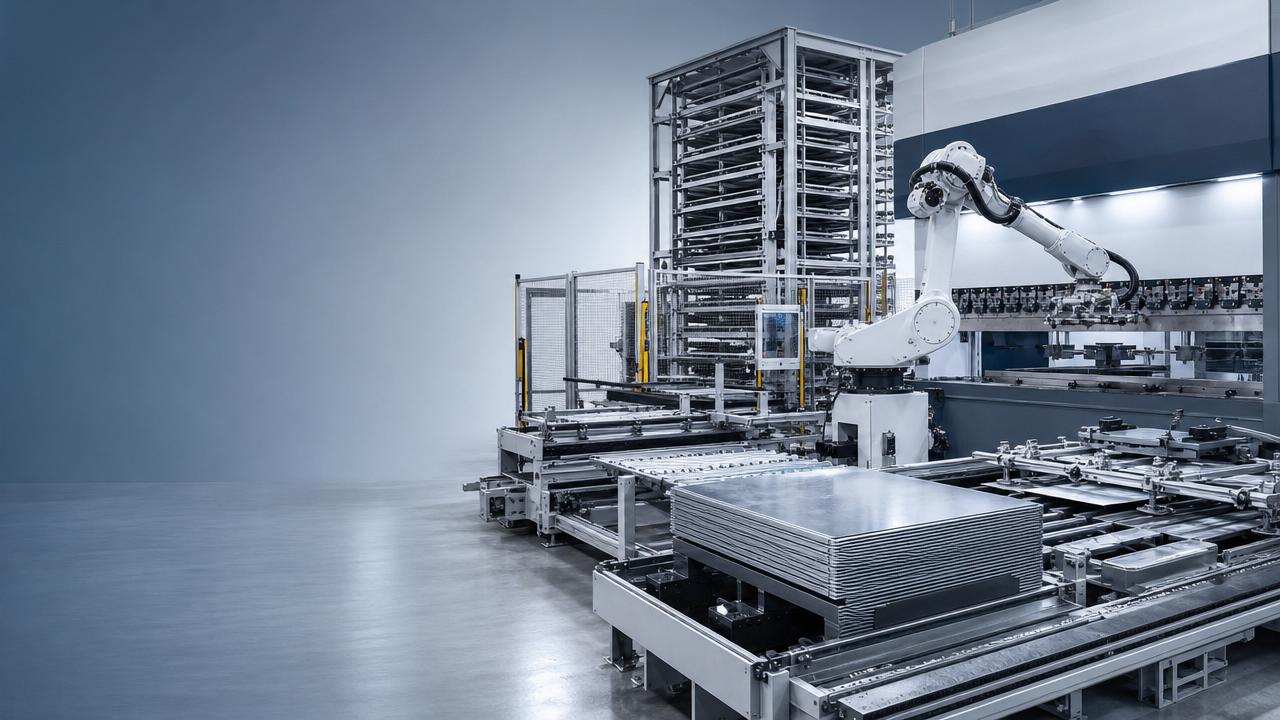
Leaders should also evaluate automation readiness. Can machines integrate with robotic loading and unloading, MES platforms, tool monitoring, or in-machine probing? If the answer is no, the company may face higher future upgrade costs and slower scaling. An advanced manufacturing foundation should not only perform today; it should support the next phase of labor optimization and unmanned or low-intervention production.
Finally, executives should examine supply chain dependency. If a factory relies heavily on external partners for key precision operations, urgent prototype work, or quality rescue situations, then internal manufacturing depth may be weaker than revenue figures suggest. A resilient foundation reduces strategic dependence on unstable external capacity.
The real business value: margin, resilience, customer trust, and strategic pricing power
The strongest case for investing in the advanced manufacturing foundation is not technological prestige. It is the business value that follows from better process capability. High-end equipment and intelligent process control can improve performance in ways that matter directly to the P&L and long-term market position.
First, a stronger foundation supports higher gross margins. Companies able to machine or form difficult parts with fewer setups, lower scrap, and better repeatability can quote more confidently and protect profitability. They are also less likely to absorb hidden costs caused by rework, fixture changes, dimensional drift, or customer complaints.
Second, it improves commercial resilience. When supply chains tighten, customers naturally favor suppliers with reliable in-house capability. In sectors such as aerospace and EV, delivery confidence can be as important as price. A manufacturer with advanced machining, cutting, and forming capacity becomes a safer long-term partner.
Third, it builds technical authority. In premium industrial markets, brand strength is often linked to proven process capability. Buyers notice whether a supplier can discuss spindle thermal stability, material response, toolpath strategy, laser process windows, or forming compensation with confidence. Technical credibility is not marketing language; it is an asset that shortens sales cycles and supports premium positioning.
Fourth, a strong advanced manufacturing foundation increases pricing power. If a company provides only generic capacity, it competes in crowded markets. If it solves difficult manufacturing problems with measurable precision and repeatability, it can defend value-based pricing. This distinction becomes increasingly important when material volatility and labor costs compress traditional margins.
Where many companies make the wrong investment decision
Despite recognizing the importance of modernization, many companies still underperform because they invest in equipment without investing in manufacturing architecture. They buy isolated machines rather than building a coherent foundation.
One common error is prioritizing headline machine specifications over process compatibility. A faster spindle or more powerful laser does not guarantee better output if tooling, fixturing, software, maintenance discipline, and operator training are weak. Another error is underestimating the role of data and control integration. Machines that cannot communicate effectively with planning, quality, and automation systems create hidden inefficiencies that grow over time.
Some firms also over-focus on short-term utilization rates. They avoid strategic equipment purchases because the immediate workload does not seem sufficient. This may protect cash in the short run, but it can prevent entry into higher-value sectors later. The right question is not only “How busy will this machine be next quarter?” but also “What market access and operational leverage does this capability create over the next five years?”
There is also a risk in investing too narrowly around current customer requirements. For example, a company serving conventional automotive parts may miss future opportunities in EV lightweight structures, battery enclosures, or aerospace subcontracting if it lacks advanced cutting, forming, or 5-axis capability. A durable advanced manufacturing foundation should be designed for adjacent growth, not only for today’s order book.
A practical framework for leaders planning their next manufacturing upgrade
For decision-makers, the most useful approach is to evaluate the advanced manufacturing foundation through a strategic lens rather than a procurement lens. Start by identifying which customer segments offer the highest future value and what technical thresholds they require. This could include tighter tolerances, more complex geometries, faster NPI cycles, heat-sensitive material processing, or lights-out production readiness.
Next, map your current capability against those thresholds. Do not assess only machine presence. Assess process stability, software maturity, inspection integration, tooling strategy, and maintenance performance. A factory with fewer but well-integrated machines may be stronger than a larger but fragmented operation.
Then prioritize investments based on bottleneck removal and capability compounding. For some businesses, the next best investment may be a 5-axis machining center that eliminates multiple setups. For others, it may be a press brake with advanced compensation that improves downstream assembly fit. In sheet metal environments, a laser upgrade may unlock immediate gains in speed, nesting efficiency, and labor productivity. In aerospace or composites, waterjet may be the capability that opens entirely new customer programs.
Importantly, pair capital expenditure with talent and process development. Even the most advanced machine will not generate strategic advantage if programming quality, preventive maintenance, process verification, and operator discipline lag behind. The advanced manufacturing foundation is strongest when hardware, software, and human expertise evolve together.
Conclusion: the advanced manufacturing foundation is no longer optional infrastructure
For industrial enterprises aiming to compete over the next decade, the advanced manufacturing foundation is no longer background infrastructure. It is a visible expression of strategic capability. It signals whether a company can move into higher-margin markets, respond to complex customer requirements, reduce operational risk, and sustain competitiveness as supply chains, materials, and product designs evolve.
For business leaders, the key judgment is not whether advanced equipment looks impressive, but whether the manufacturing system can consistently convert technical capability into commercial outcomes. Companies that align 5-axis machining, precision turning, laser cutting, press braking, and waterjet processing with process intelligence, automation readiness, and market strategy will be better positioned to lead rather than follow.
In that sense, the advanced manufacturing foundation is both a present operating asset and a future competitiveness signal. The companies building it seriously today are also the ones most likely to command trust, margin, and relevance tomorrow.
Product Recommendations
 Abrasive Delivery SystemsIndustrial Waterjet Cutters: Abrasive Costs That Erode MarginsAnalyst :5-Axis Machining Scientist
 All-Electric Press BrakesAll-Electric Servo Drives: Energy Savings vs Upgrade CostAnalyst :Precision Turning Architect
 All-Electric Press BrakesReal-Time Angle Compensation: What It Fixes and What It Doesn'tAnalyst :Precision Turning Architect
 Latest Sector NewsHigh-Strength Steel Machining: Tool Life Myths to AvoidAnalyst :Dr. Alistair Vaughn
 3D 5-Axis LaserComposite Material Cutting Without Delamination: Key MethodsAnalyst :
 Robotic Bending CellsAutomated Sheet Metal Forming: Hidden Setup Costs ComparedAnalyst :Precision Turning Architect