Advanced manufacturing technology is redefining how industrial capacity is built, protected, and expanded across global production systems. As supply chains become less predictable and product complexity rises, capacity is no longer measured only by machine count or floor space. It is increasingly defined by precision stability, software intelligence, setup flexibility, material adaptability, and the ability to switch between low-volume complexity and high-volume repeatability. In aerospace, New Energy Vehicle platforms, medical components, electronics, and high-value industrial fabrication, advanced manufacturing technology now sits at the center of competitiveness because it connects machining accuracy, process automation, data visibility, and lifecycle efficiency into one scalable production framework.
What Advanced Manufacturing Technology Means in Today’s Capacity Model
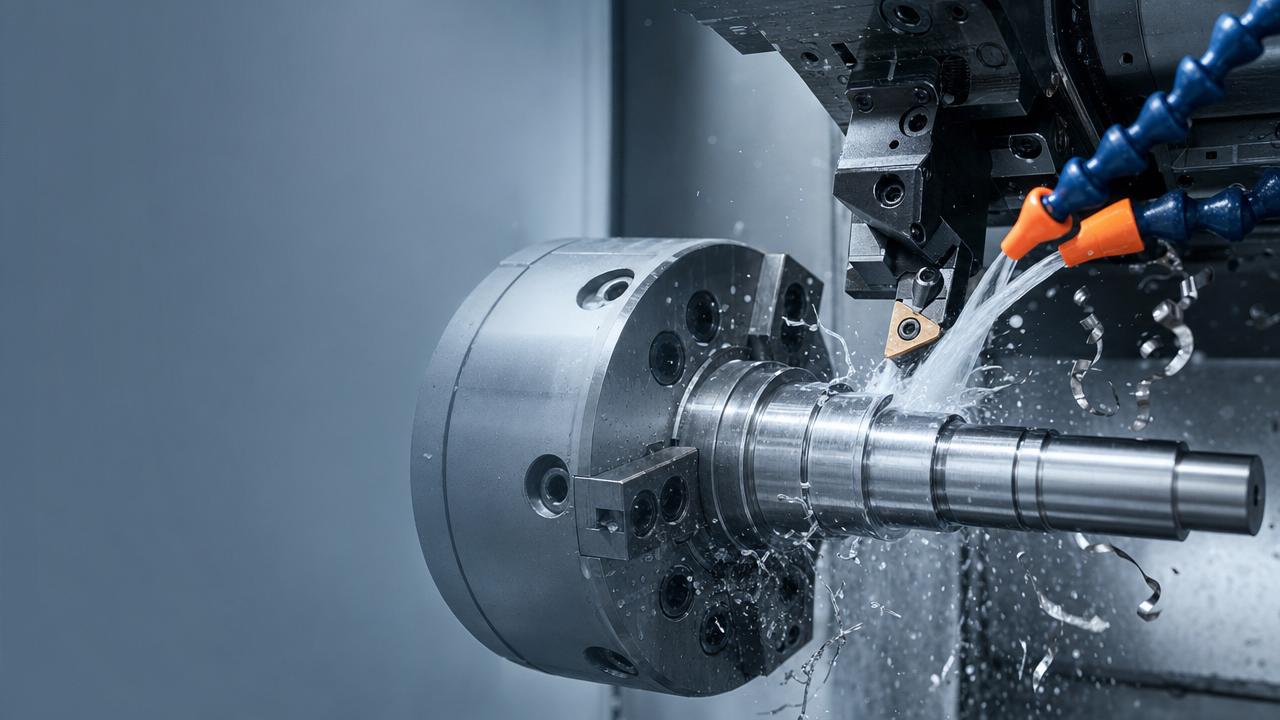
In practical terms, advanced manufacturing technology refers to integrated production capabilities that combine high-precision equipment, digital controls, process analytics, intelligent automation, and material-specific engineering methods. It goes beyond standalone machine upgrades. A modern capacity strategy may include 5-axis CNC machining centers for complex geometries, CNC lathes for precision rotational parts, laser cutting machines for high-speed sheet processing, CNC press brakes for repeatable forming, and industrial waterjet cutters for heat-sensitive materials. The real shift lies in how these systems are linked through programming, sensors, offline simulation, adaptive compensation, and quality feedback loops.
This is why advanced manufacturing technology is reshaping capacity rather than simply improving output. Traditional capacity planning focused on hours available. Today, the stronger indicator is productive hours at target tolerance, target cost, and target changeover speed. A plant that can hold micron-level consistency with fewer interventions may outperform a larger plant burdened by scrap, delays, and unstable setups. Capacity has become a precision-driven, software-supported, and automation-enabled asset.
For sectors that depend on tight tolerances and demanding materials, the difference is decisive. Aero-engine blades, battery tray components, medical implants, lightweight structural brackets, and carbon fiber assemblies all require process windows that conventional methods often struggle to maintain economically. Advanced manufacturing technology addresses this through machine rigidity, thermal management, dynamic toolpath control, real-time compensation, and automated handling that reduces both variation and downtime.
Current Industry Signals Driving the Shift
Several converging market and technology signals explain why advanced manufacturing technology has become a strategic priority across the broader industrial landscape.
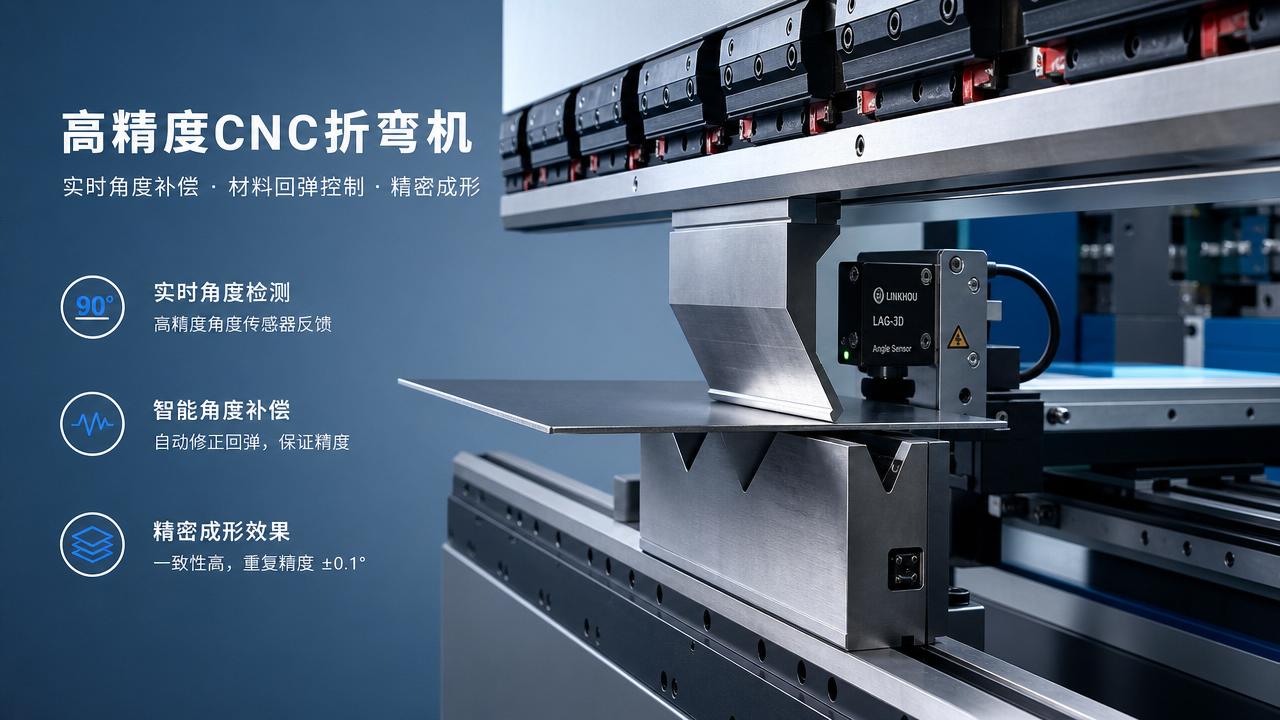
Another important signal is the increasing value of process intelligence. Equipment alone is no longer the primary differentiator. The strongest operations use advanced manufacturing technology to turn machine data into decisions: spindle load trends for preventive action, laser parameter optimization for edge quality, angle compensation for forming consistency, and tool life models for predictable scheduling. This changes capacity planning from reactive estimation to evidence-based optimization.
Core Technology Trends Reshaping Capacity
The current wave of advanced manufacturing technology is defined by a few high-impact trends that directly influence throughput, flexibility, and quality.
1. 5-Axis CNC Machining and One-Setup Precision
5-axis CNC machining reduces multiple setups, improves geometric accuracy, and enables highly efficient production of complex freeform parts. With RTCP functions, advanced toolpath strategies, and thermal stability controls, one machine can perform tasks that once required several handoffs. This increases effective capacity by cutting fixture changes, reducing cumulative tolerance errors, and compressing cycle routing.
2. High-Power and Ultrafast Laser Cutting
Laser systems continue to push both speed and material range. High-power fiber lasers support thicker plate productivity, while ultrafast laser processing expands opportunities in microelectronics and precision applications. In a capacity context, advanced manufacturing technology in laser cutting means better nesting software, lower rework, faster switching between part families, and improved edge consistency for downstream forming or assembly.
3. Servo-Electric Press Brake Automation
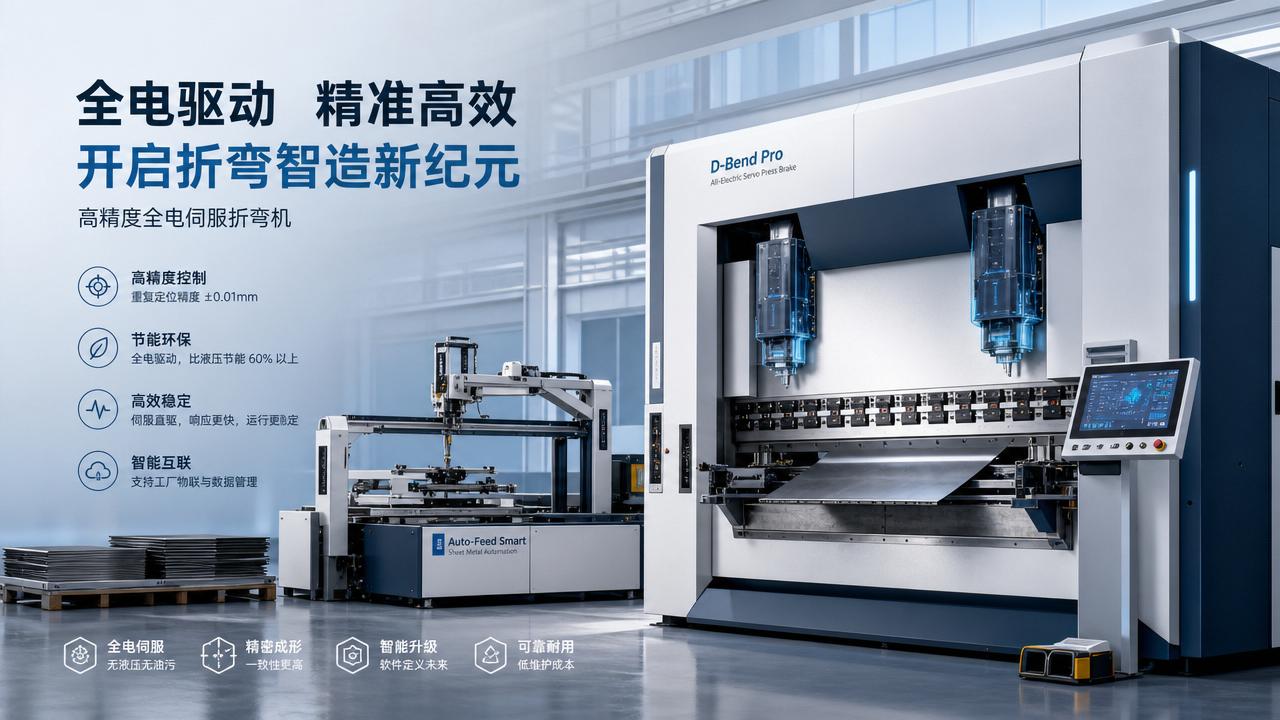
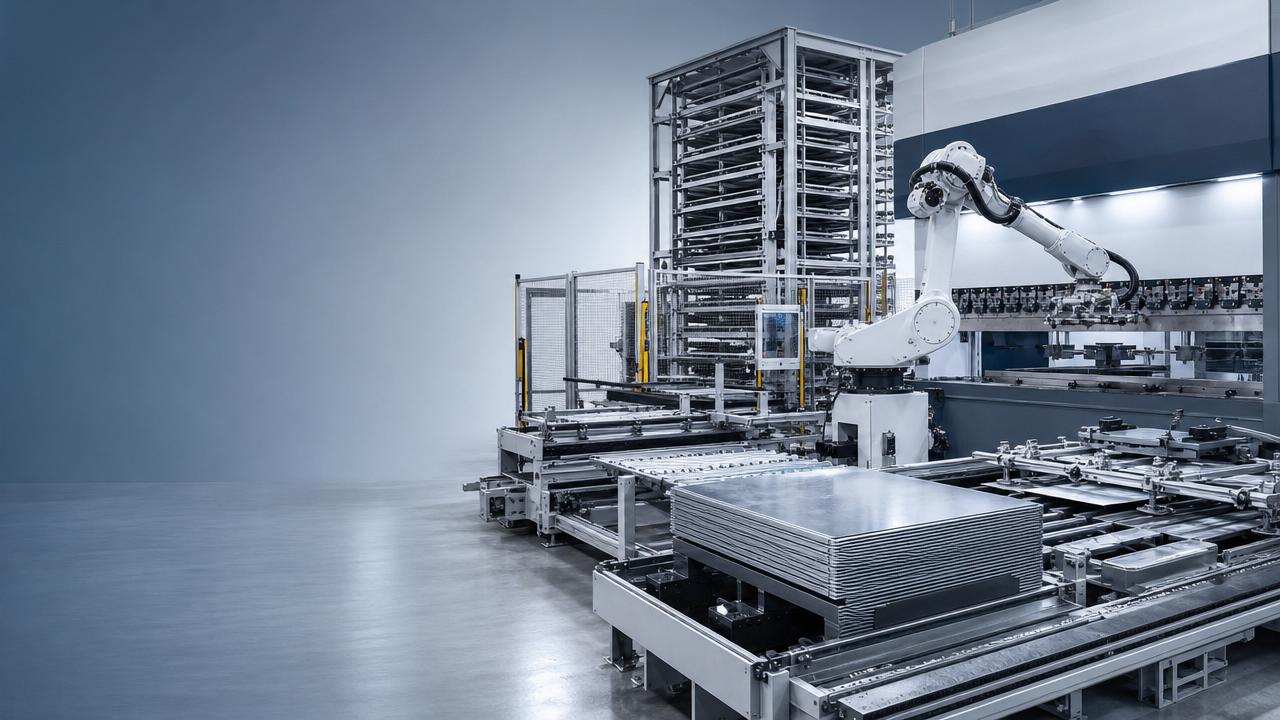
Modern press brakes increasingly use all-electric servo systems, real-time angle measurement, and robotic loading cells. This is especially important where repeatability across mixed materials is critical. Forming becomes less dependent on operator adjustment and more governed by programmable compensation. The result is stable sheet metal capacity with tighter quality control and less variation between shifts.
4. Cold Cutting with Industrial Waterjet Systems
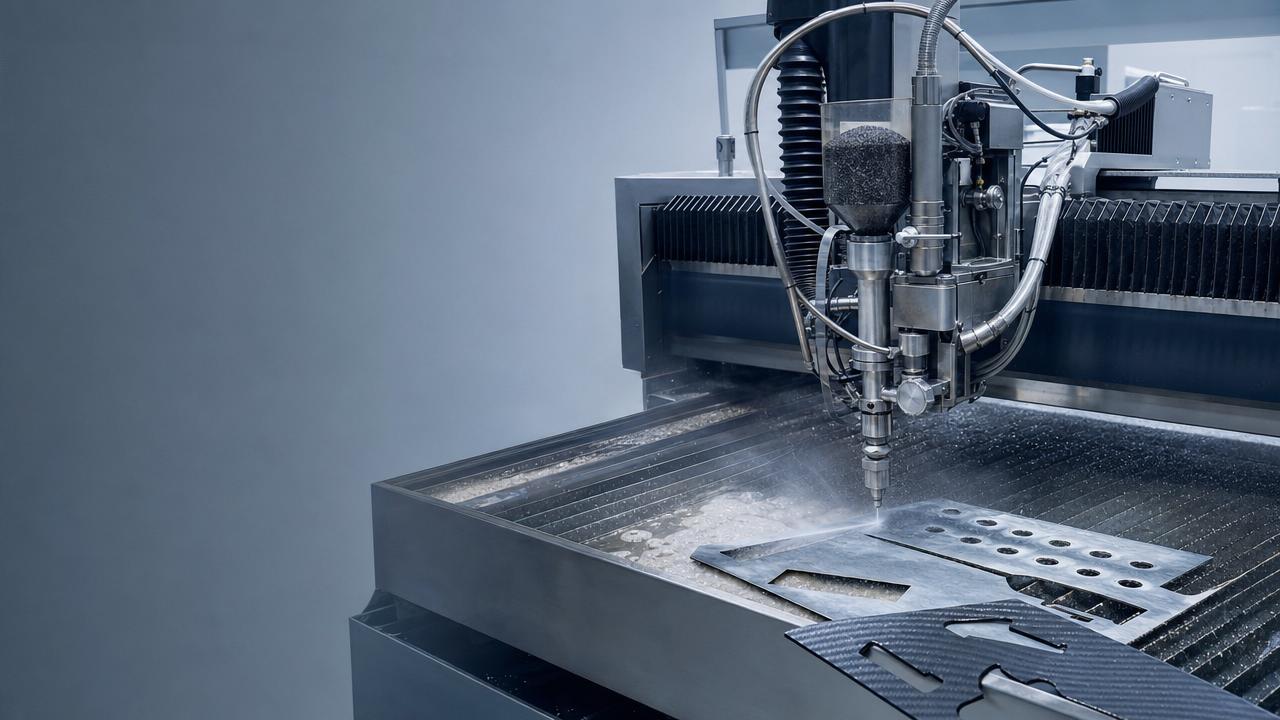
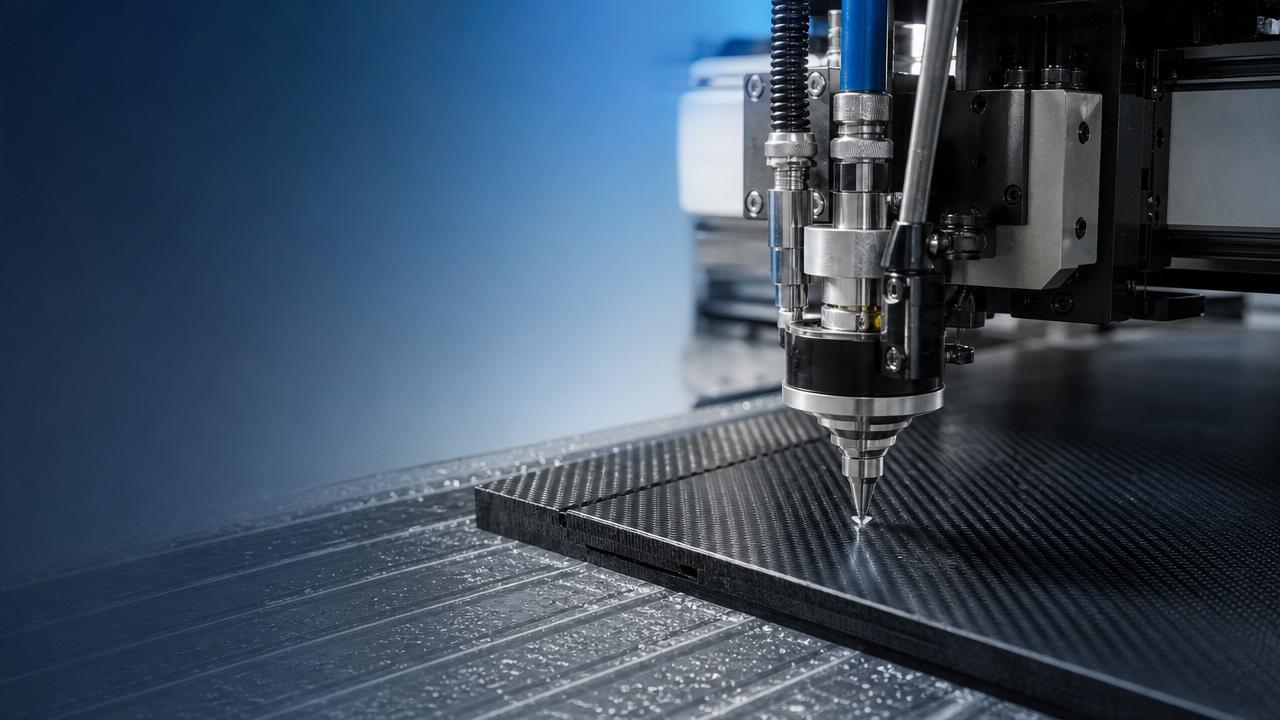
Industrial waterjet cutting remains indispensable for materials sensitive to heat-affected zones. Titanium, laminated composites, armored glass, and aerospace carbon fiber benefit from burr-minimized, cold-cutting performance. In strategic terms, advanced manufacturing technology broadens usable material windows and protects quality where thermal distortion would otherwise limit capacity or raise rejection rates.
5. Integrated Automation and Digital Feedback
Robotic part handling, in-machine probing, offline programming, MES connectivity, and condition monitoring create a unified production environment. This is one of the strongest capacity multipliers because it reduces idle time between operations. Advanced manufacturing technology becomes most valuable when machine intelligence and workflow intelligence are synchronized.
Business Value Across Industrial Applications
The business value of advanced manufacturing technology is not limited to higher production speed. Its deeper contribution is the ability to make capacity more reliable, more profitable, and more adaptable under changing demand conditions.
- Higher first-pass yield through precision control and reduced setup error
- Shorter lead times through one-clamp machining, offline programming, and automated handling
- Improved machine utilization through predictive maintenance and data-based scheduling
- Material versatility that supports EV lightweighting, aerospace alloys, and composite structures
- Lower hidden cost from scrap, rework, inspection loops, and unstable process transitions
In broad industrial settings, advanced manufacturing technology also strengthens resilience. Production networks face export controls, component shortages, fluctuating energy costs, and volatile product mix. Flexible and intelligent capacity can absorb these disruptions better than rigid lines designed for only one part family or one machining condition. That resilience is often more valuable than nominal maximum output.
Typical Capacity Scenarios and Technology Fit
Implementation Priorities and Risk Points
Adopting advanced manufacturing technology should begin with bottleneck analysis, not equipment marketing claims. The best investment path identifies where precision loss, setup delay, or material mismatch is currently limiting effective capacity. In some cases, a probing system or software upgrade delivers more return than adding another machine. In others, robotic loading or angle compensation may unlock unused throughput hidden inside an existing process.
Several implementation points deserve careful attention:
- Validate machine capability against target tolerances, materials, and thermal behavior rather than relying only on brochure specifications.
- Assess software maturity, including CAM compatibility, simulation quality, and control-system openness.
- Review the availability of critical components such as CNC systems, linear scales, optics, pumps, and service support.
- Build metrology and process monitoring into the capacity plan so that growth does not outpace quality assurance.
- Measure success using OEE, first-pass yield, changeover time, scrap trend, and part-to-part consistency.
A common mistake is treating advanced manufacturing technology as a single machine purchase. The stronger approach is to view it as an operating system for industrial capacity. Equipment, software, tooling, automation, process expertise, and service responsiveness must work together. When one layer is weak, the value of the others is diluted.
Next-Step Direction for Future-Ready Capacity
The most important takeaway is that advanced manufacturing technology is no longer a niche upgrade for premium factories. It is becoming the baseline architecture for precision, resilience, and scalable industrial growth. Whether the objective is more complex part capability, lower unit cost, faster product transitions, or stronger supply chain independence, the path forward starts with identifying the processes where intelligence, automation, and precision can unlock hidden capacity.
A practical next step is to map current production constraints against the technologies with the highest capacity leverage: 5-axis CNC machining for geometry compression, laser cutting for speed and material flow, servo press brakes for forming stability, and waterjet systems for cold-cutting quality. From there, compare potential gains in throughput, tolerance control, labor efficiency, and lifecycle cost. Advanced manufacturing technology delivers the greatest long-term value when investment decisions are linked to measurable production outcomes and a clear roadmap for digital integration.
Product Recommendations
 Abrasive Delivery SystemsIndustrial Waterjet Cutters: Abrasive Costs That Erode MarginsAnalyst :5-Axis Machining Scientist
 All-Electric Press BrakesAll-Electric Servo Drives: Energy Savings vs Upgrade CostAnalyst :Precision Turning Architect
 All-Electric Press BrakesReal-Time Angle Compensation: What It Fixes and What It Doesn'tAnalyst :Precision Turning Architect
 Latest Sector NewsHigh-Strength Steel Machining: Tool Life Myths to AvoidAnalyst :Dr. Alistair Vaughn
 3D 5-Axis LaserComposite Material Cutting Without Delamination: Key MethodsAnalyst :
 Robotic Bending CellsAutomated Sheet Metal Forming: Hidden Setup Costs ComparedAnalyst :Precision Turning Architect