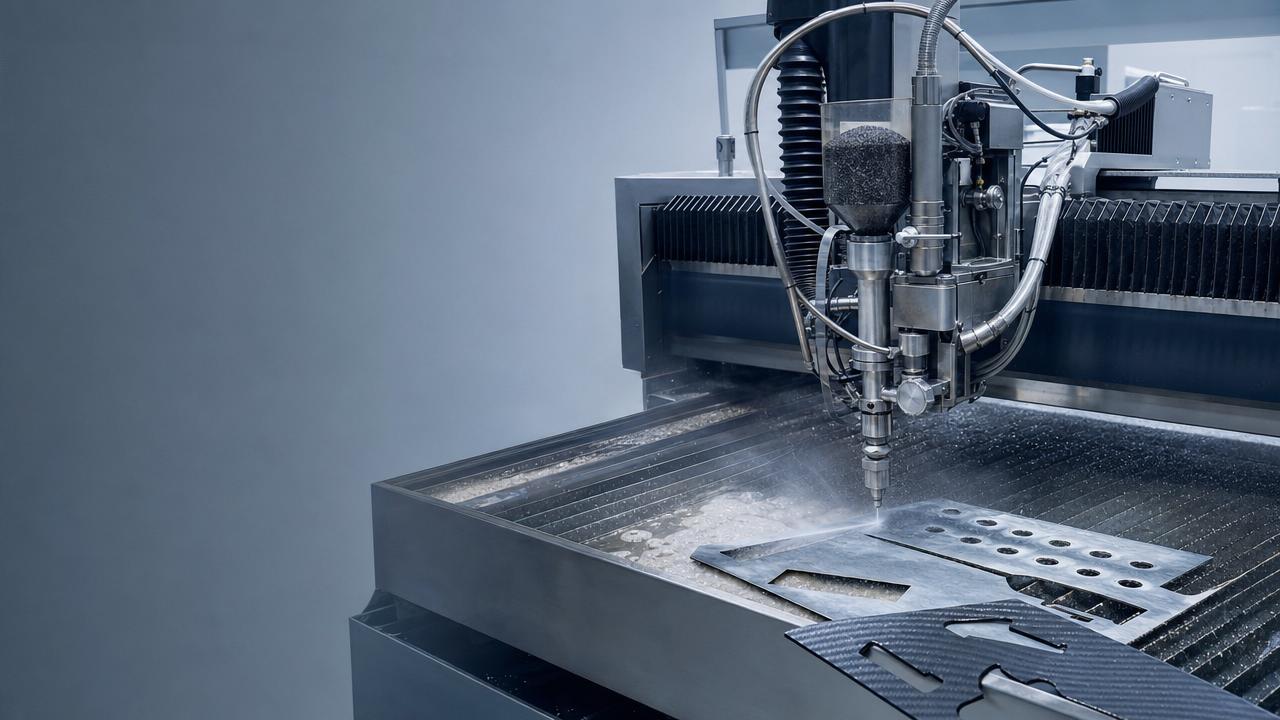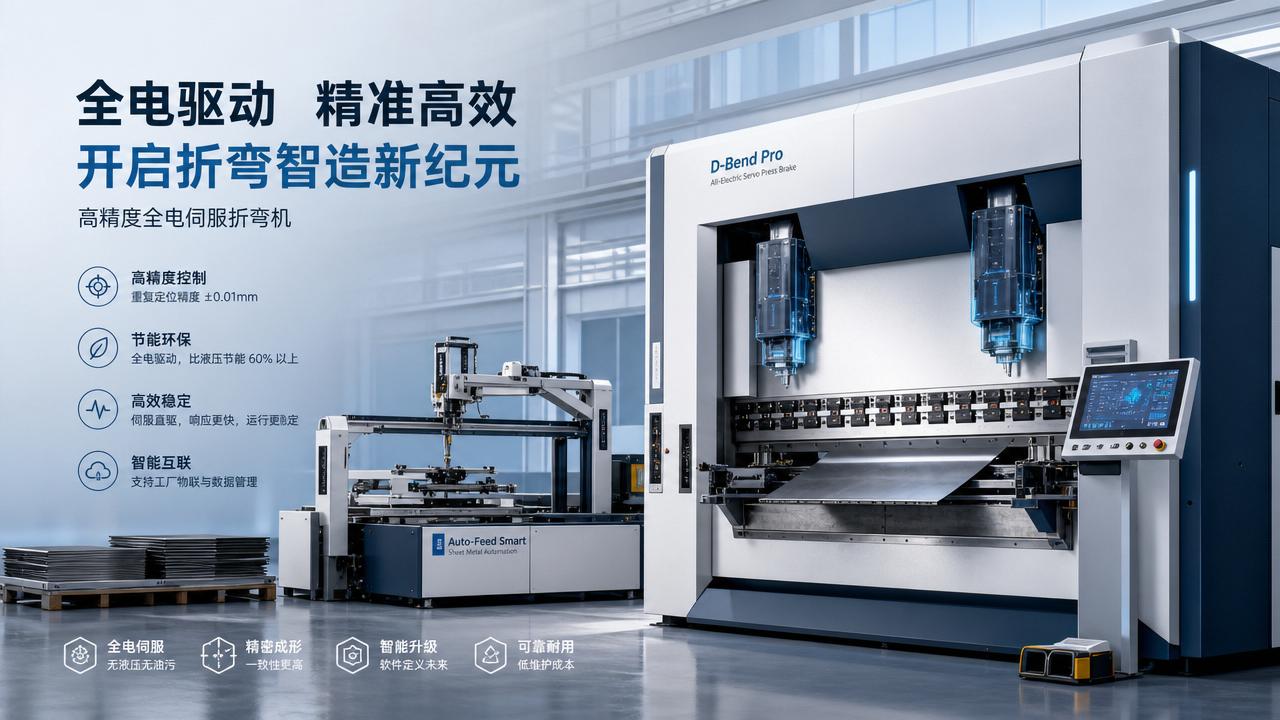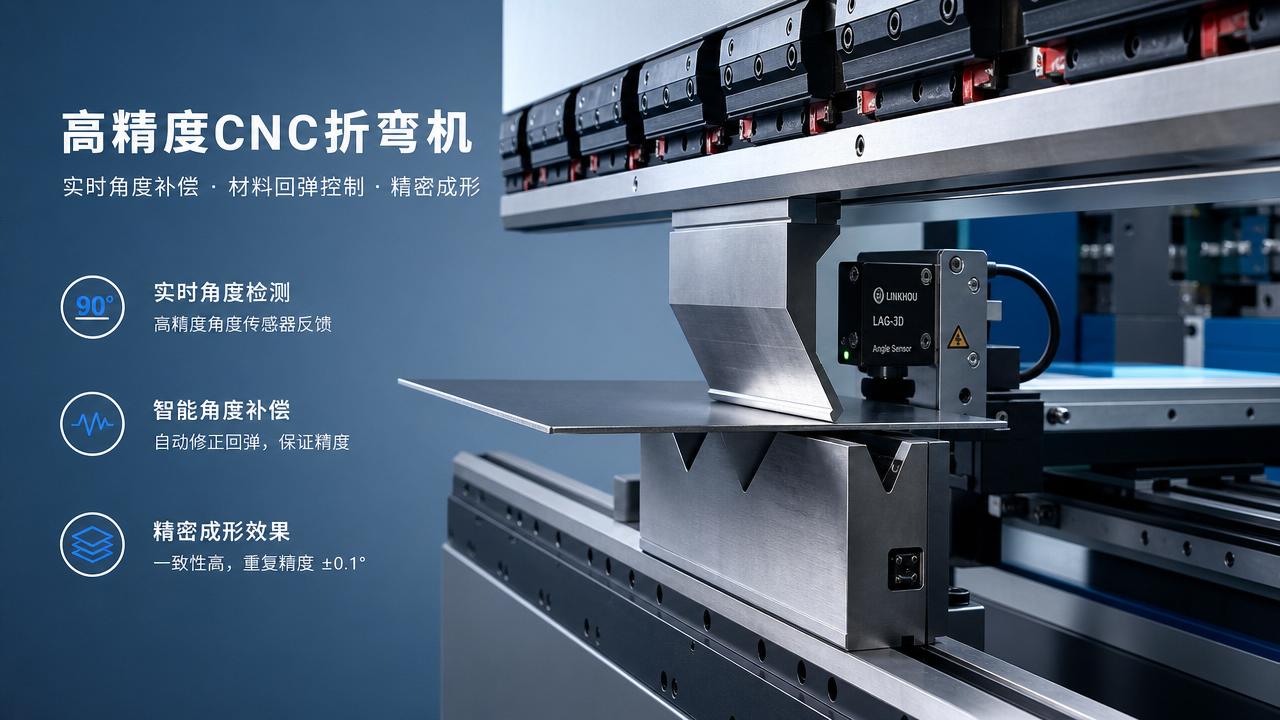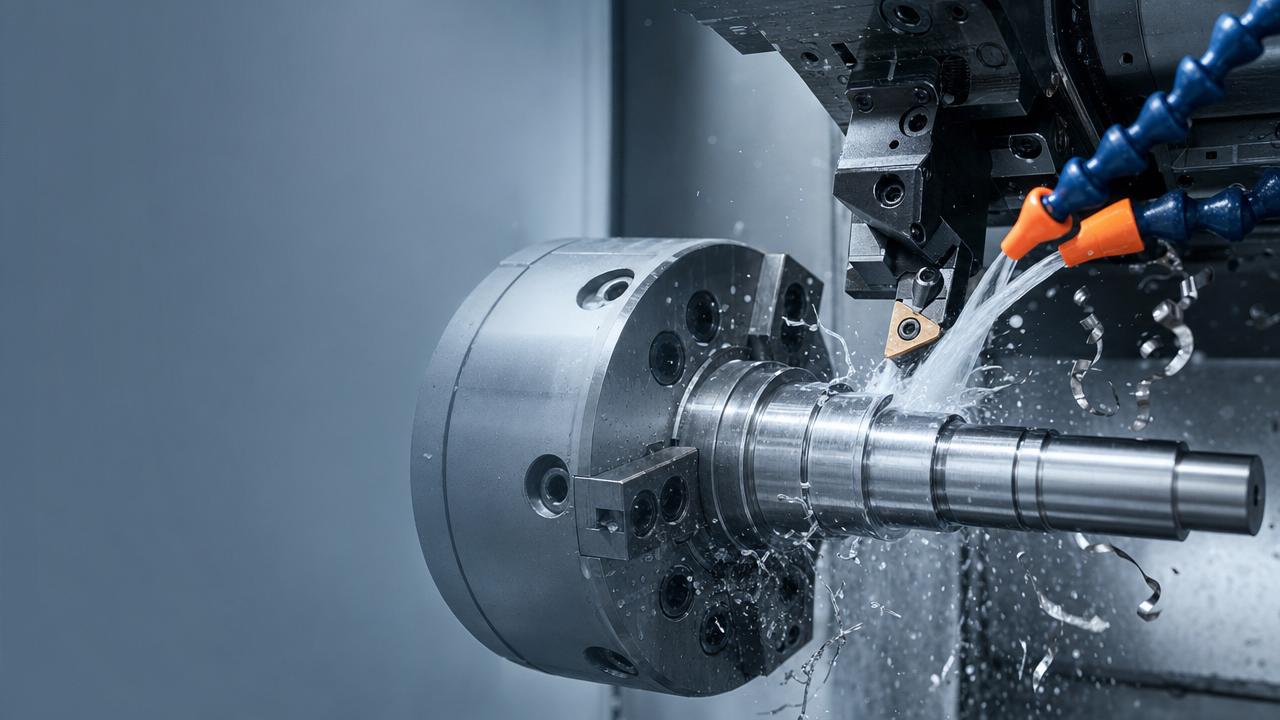
Why does advanced manufacturing technology matter now? For business decision-makers, it has become the foundation of competitiveness, resilience, and profitable growth. From 5-axis CNC machining and precision turning to laser cutting, press braking, and waterjet processing, advanced manufacturing technology enables tighter tolerances, faster production, smarter automation, and stronger supply chains—especially in aerospace and the fast-evolving NEV market.
Why advanced manufacturing technology has become a board-level issue
Advanced manufacturing technology is no longer a plant-floor topic alone. It now influences investment timing, product margin, export readiness, supply continuity, and brand credibility in markets where precision, speed, and traceability directly affect revenue.
For decision-makers across sectors, the urgency comes from three simultaneous pressures: customers demand better parts faster, labor is harder to scale with consistency, and supply chains punish any weak link in process capability.
That is why advanced manufacturing technology matters now. It closes the gap between design ambition and production reality by combining machine accuracy, CNC intelligence, process stability, and automation readiness.
- It reduces dependence on multiple setups, manual adjustments, and rework loops that quietly erode gross margin.
- It improves resilience when component availability, export controls, and customer audits make procurement decisions more complex.
- It supports entry into higher-value sectors such as aerospace, medical, electronics, defense-related fabrication, and NEV lightweight structures.
What has changed in the market?
The market has moved beyond simple machine ownership. Buyers now evaluate whether equipment can maintain micron-level repeatability, support unattended production, integrate with digital workflows, and adapt to new materials without creating quality or thermal risks.
AMTS tracks this shift closely through its focus on industrial mother machines and the advanced manufacturing foundation. Its intelligence coverage helps leadership teams connect technical details such as RTCP behavior, laser melt-pool control, or angle compensation with real commercial outcomes.
Which technologies are driving the biggest gains?
Not every investment in advanced manufacturing technology delivers the same strategic value. The strongest gains usually come from technologies that remove process bottlenecks, increase first-pass yield, and open doors to more demanding applications.
The table below compares core equipment categories that frequently shape capital planning for precision manufacturers and fabricators.
The comparison shows that advanced manufacturing technology is not a single purchase category. It is a coordinated capability stack. Stronger results come when companies align machine choice with geometry, material behavior, tolerance risk, and future automation plans.
Why AMTS pays attention to these five pillars
AMTS centers its intelligence on 5-axis machining, turning, laser cutting, press braking, and waterjet cutting because these technologies shape the precision backbone of modern manufacturing. They define how efficiently companies convert design intent into scalable production.
For executives, that intelligence is valuable because equipment choices now depend on deeper variables: control systems, linear scales, thermal drift behavior, robotic interfaces, and regional supply constraints for critical components.
Where does advanced manufacturing technology create the fastest business impact?
Aerospace: precision without second chances
Aerospace programs require stable machining of high-value materials, complex contours, and difficult-to-inspect features. Here, advanced manufacturing technology reduces setup transitions, supports traceability, and helps prevent costly scrap on mission-critical parts.
NEV: speed, lightweighting, and cost discipline
The NEV market is reshaping demand for aluminum processing, high-strength steel forming, battery enclosure fabrication, and precision drivetrain components. Faster product cycles mean equipment must switch between part variants without sacrificing consistency.
General industrial production: flexible capacity wins
For mixed-production manufacturers, advanced manufacturing technology helps consolidate jobs, shorten lead times, and improve quote confidence. Flexible machine capability is especially useful when order volumes are uneven but customer quality expectations stay high.
- Complex parts benefit from multi-axis motion and fewer manual interventions.
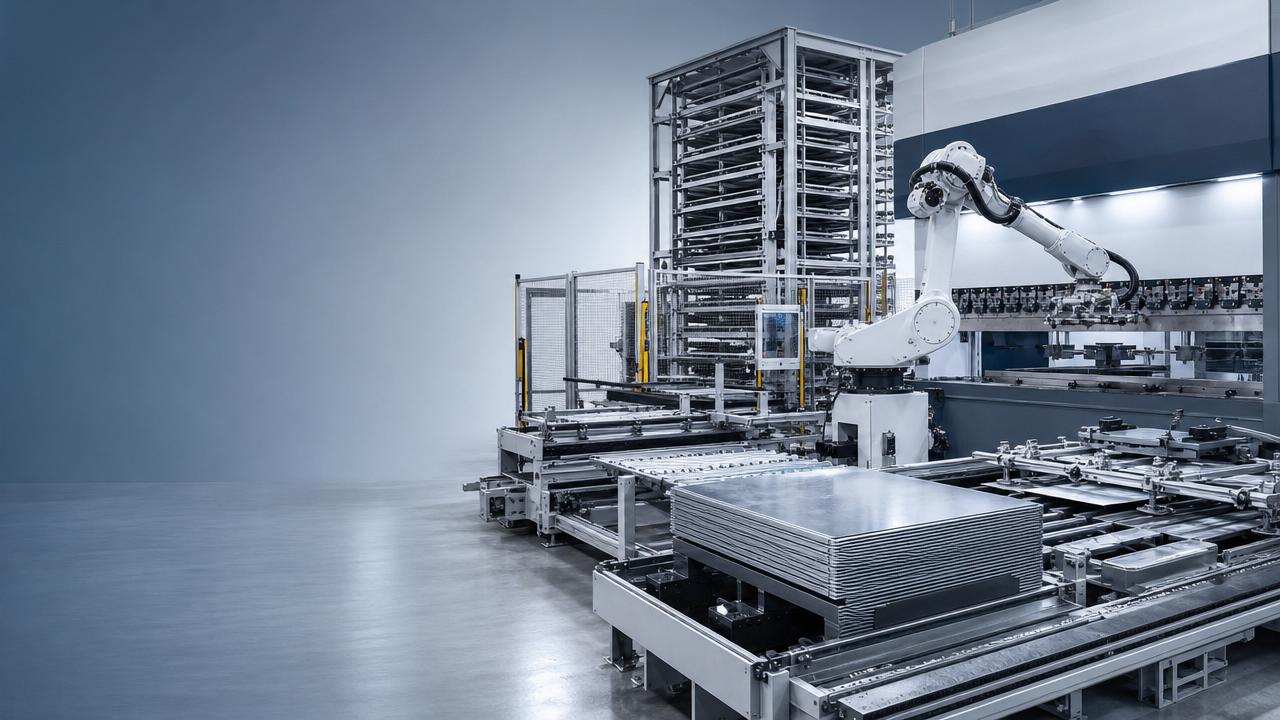
- Sheet metal operations gain from digital nesting, servo-controlled bending, and robotic handling cells.
- Heat-sensitive applications benefit from waterjet cutting where thermal distortion or HAZ cannot be tolerated.
How should decision-makers compare investment options?
When companies assess advanced manufacturing technology, purchase price is only the visible layer. The real decision should include part complexity, labor exposure, maintenance dependency, material mix, compliance requirements, and expected throughput under actual production conditions.
The evaluation matrix below is useful when a leadership team must compare competing equipment strategies or justify capital expenditure.
This kind of comparison helps companies move from reactive buying to strategic capability planning. It also shows why advanced manufacturing technology decisions should involve operations, engineering, sourcing, and finance at the same table.
Common procurement mistakes
- Choosing based on headline power, speed, or spindle figures without validating actual part mix and tolerance windows.
- Ignoring consumables, maintenance intervals, fixturing costs, and operator training in total cost calculations.
- Overlooking the reliability of upstream and downstream integration, especially in robotic or lights-out production plans.
What role do standards, traceability, and global risk play?
In advanced manufacturing technology, precision alone is not enough. Buyers increasingly ask whether a process can be documented, repeated, and audited. This is especially important in aerospace, automotive supply chains, electronics, and medical-adjacent production.
A practical compliance mindset often includes material traceability, calibration discipline, preventive maintenance records, process validation, and alignment with customer-specific quality frameworks. Even where one universal standard does not apply, documentation quality still affects customer trust.
Why intelligence matters as much as machinery
AMTS adds value by monitoring not just machine categories, but also the policy and component environment around them. Export controls, controller ecosystems, optics supply, and metrology dependencies can change the real viability of an equipment decision.
That strategic view matters now because many manufacturing risks no longer come from the machine frame itself. They come from the surrounding system: software compatibility, spare part access, service response, and the ability to scale automation later.
How to build a practical implementation roadmap
Adopting advanced manufacturing technology does not need to happen in one disruptive leap. The most effective programs usually begin with a narrow business case, then expand once throughput, scrap reduction, and scheduling gains are visible.
- Map the highest-cost bottleneck by setup frequency, scrap rate, queue time, or outsourcing dependence.
- Match equipment capability to part families rather than isolated jobs, so the investment stays productive across demand shifts.
- Confirm upstream and downstream readiness, including CAD/CAM flow, fixturing, tooling, inspection, and operator skill transition.
- Create acceptance criteria tied to real output indicators such as repeatability, cycle time, unattended stability, and documented maintenance needs.
This approach prevents advanced manufacturing technology from becoming an isolated asset purchase. Instead, it becomes a controlled upgrade to enterprise capability.
FAQ: what business leaders ask before investing
How do we know which advanced manufacturing technology fits our production mix?
Start with parts, not brochures. Review geometry complexity, material type, annual volume, tolerance criticality, finish expectations, and how often jobs change. A facility focused on complex 3D parts may benefit more from 5-axis machining, while a sheet metal operation may see faster gains from laser cutting plus CNC press braking.
Is advanced manufacturing technology only worthwhile for very large factories?
No. Mid-sized manufacturers often benefit quickly because they feel setup waste, labor constraints, and quote pressure more sharply. The right equipment can reduce outsourcing, improve delivery confidence, and help smaller teams produce more complex work with less rework.
What should we prioritize when budgets are limited?
Prioritize the process that creates the highest cumulative cost through scrap, lead-time delay, or labor intensity. In many plants, solving one bottleneck in cutting, multi-axis machining, or precision forming can unlock more value than spreading budget thinly across multiple small upgrades.
How important is automation readiness if we are not fully automated yet?
It is very important. Even if robotics or unmanned shifts are not immediate, equipment should support future integration. Interfaces, programming workflow, palletization options, and handling compatibility determine whether today's purchase becomes tomorrow's constraint.
Why choose us for advanced manufacturing technology insight and decision support
AMTS is positioned for companies that need more than product descriptions. We focus on the five pillars of modern machining precision and connect equipment performance with the commercial realities of aerospace, NEV, and broader smart manufacturing investment.
Our advantage is the ability to translate technical depth into decision clarity. That includes tracking CNC system and linear scale supply dynamics, interpreting 5-axis RTCP evolution, examining laser processing behavior, and following robotic integration trends in sheet metal production.
- Consult us when you need support comparing 5-axis machining, turning, laser, bending, or waterjet options for a new project.
- Consult us when you need clearer guidance on parameter confirmation, process fit, material constraints, or tolerance-related risk.
- Consult us when delivery cycles, component supply exposure, automation planning, or customer compliance expectations affect your equipment roadmap.
- Consult us when you need a more informed conversation around custom solutions, sample feasibility, quote communication, or market-entry planning for higher-precision sectors.
If your team is evaluating advanced manufacturing technology now, the right next step is a focused discussion around part requirements, process route, expected output, certification concerns, and supply risk. That makes equipment selection faster, safer, and far more aligned with long-term competitiveness.
Product Recommendations
 Abrasive Delivery SystemsIndustrial Waterjet Cutters: Abrasive Costs That Erode MarginsAnalyst :5-Axis Machining Scientist
 All-Electric Press BrakesAll-Electric Servo Drives: Energy Savings vs Upgrade CostAnalyst :Precision Turning Architect
 All-Electric Press BrakesReal-Time Angle Compensation: What It Fixes and What It Doesn'tAnalyst :Precision Turning Architect
 Latest Sector NewsHigh-Strength Steel Machining: Tool Life Myths to AvoidAnalyst :Dr. Alistair Vaughn
 3D 5-Axis LaserComposite Material Cutting Without Delamination: Key MethodsAnalyst :
 Robotic Bending CellsAutomated Sheet Metal Forming: Hidden Setup Costs ComparedAnalyst :Precision Turning Architect