On busy production lines, even short stops can spread across upstream and downstream operations. Smart factory equipment reduces that risk through connected sensors, machine intelligence, and tighter process visibility.
In machining, cutting, and forming environments, smart factory equipment supports faster diagnosis, steadier quality, and more predictable output. That matters when tolerance, cycle time, and delivery windows are all under pressure.
What smart factory equipment means on modern production lines
Smart factory equipment combines machines, controls, sensors, software, and communication layers into one responsive production system. It turns isolated assets into connected equipment that can report, learn, and react.
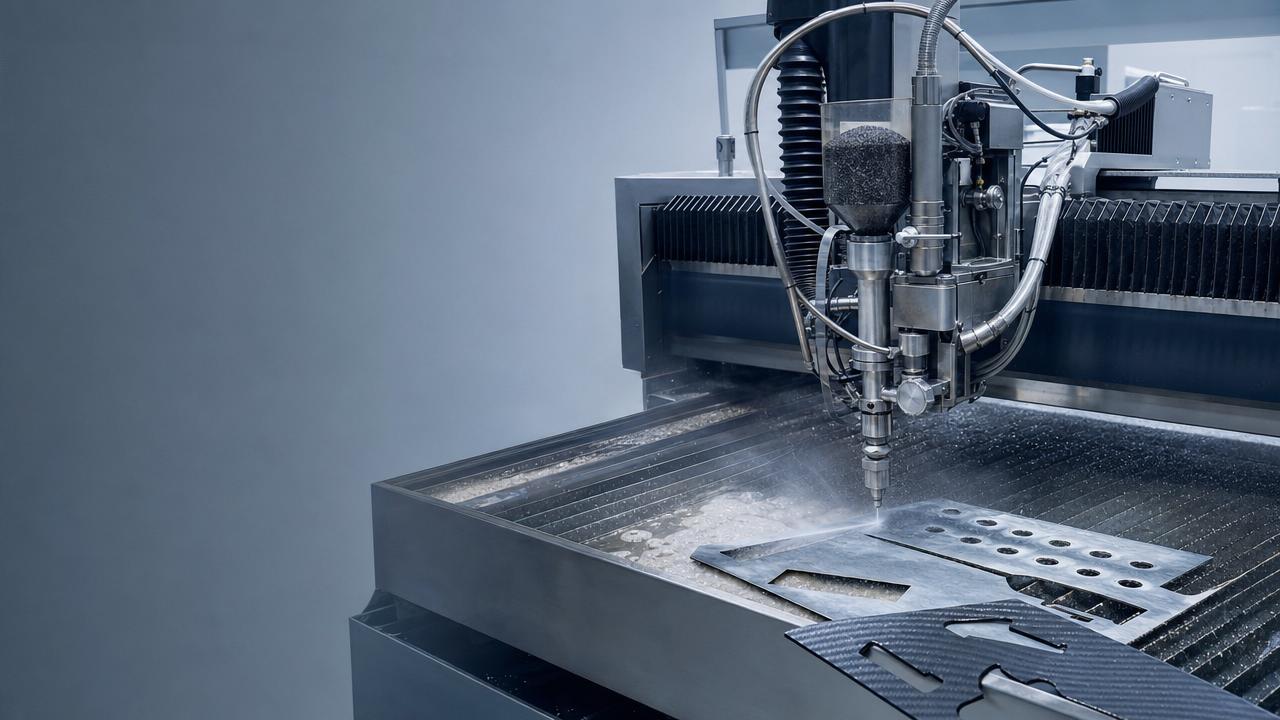
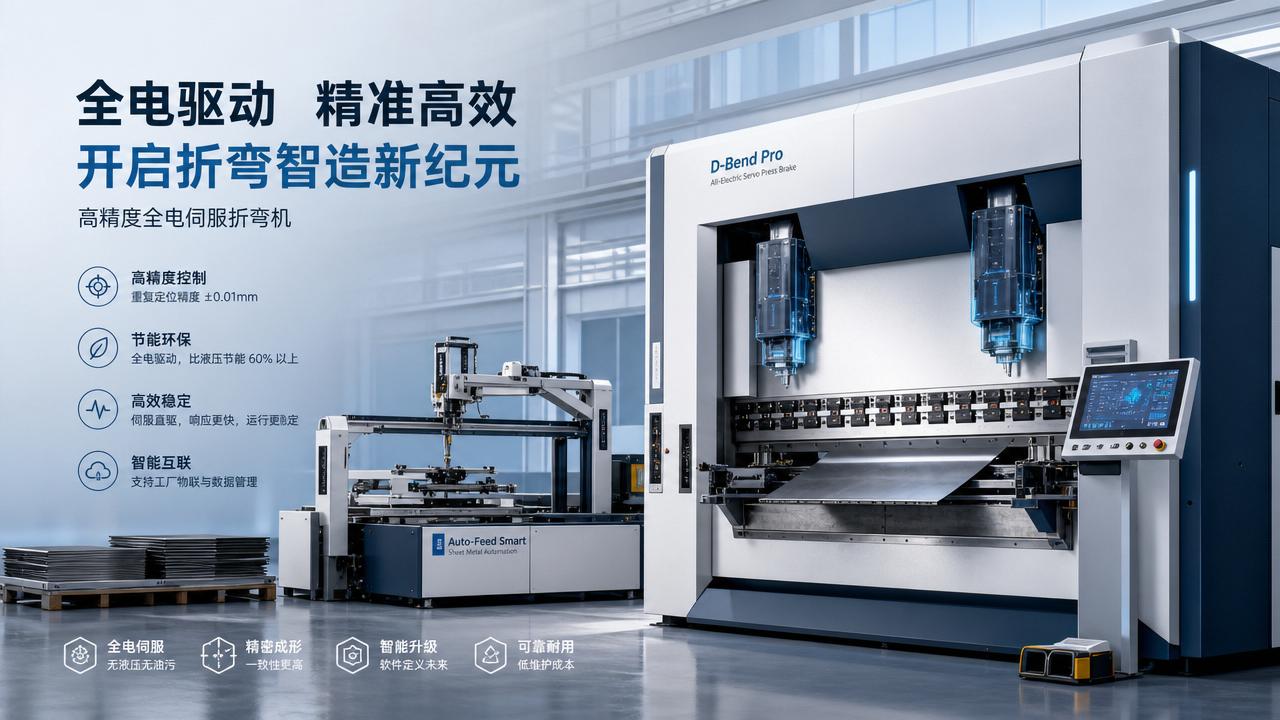
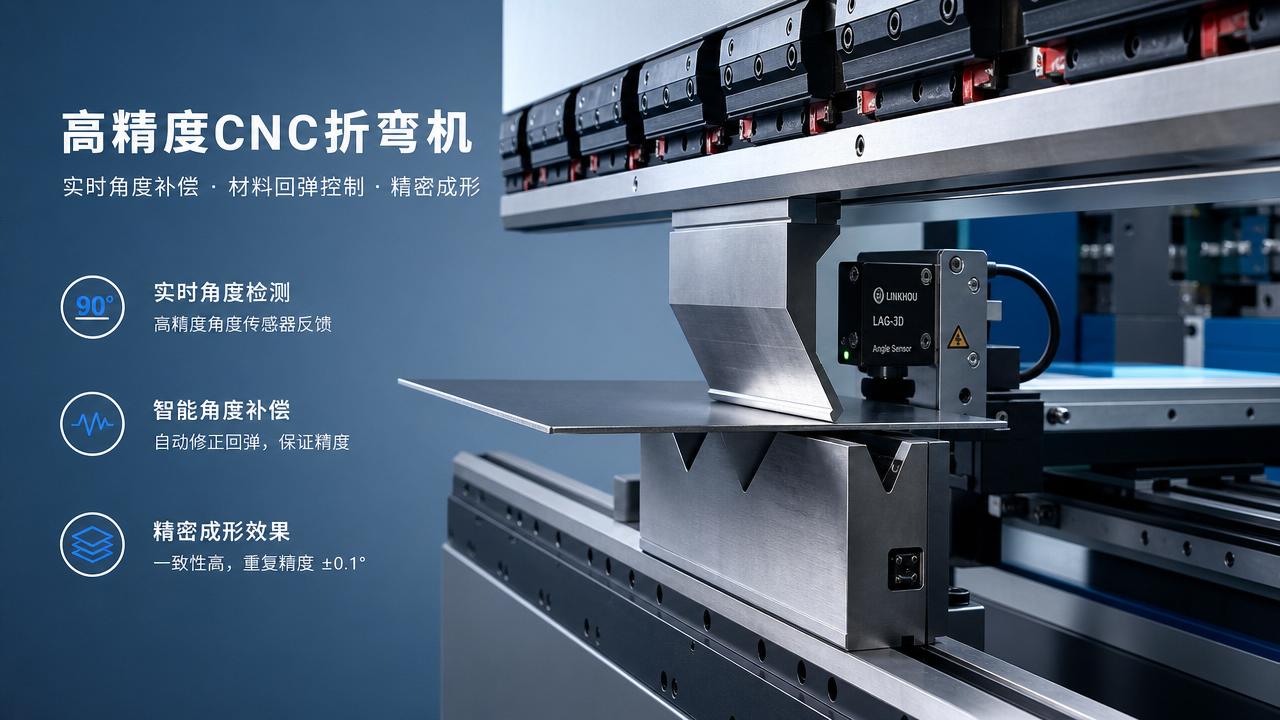
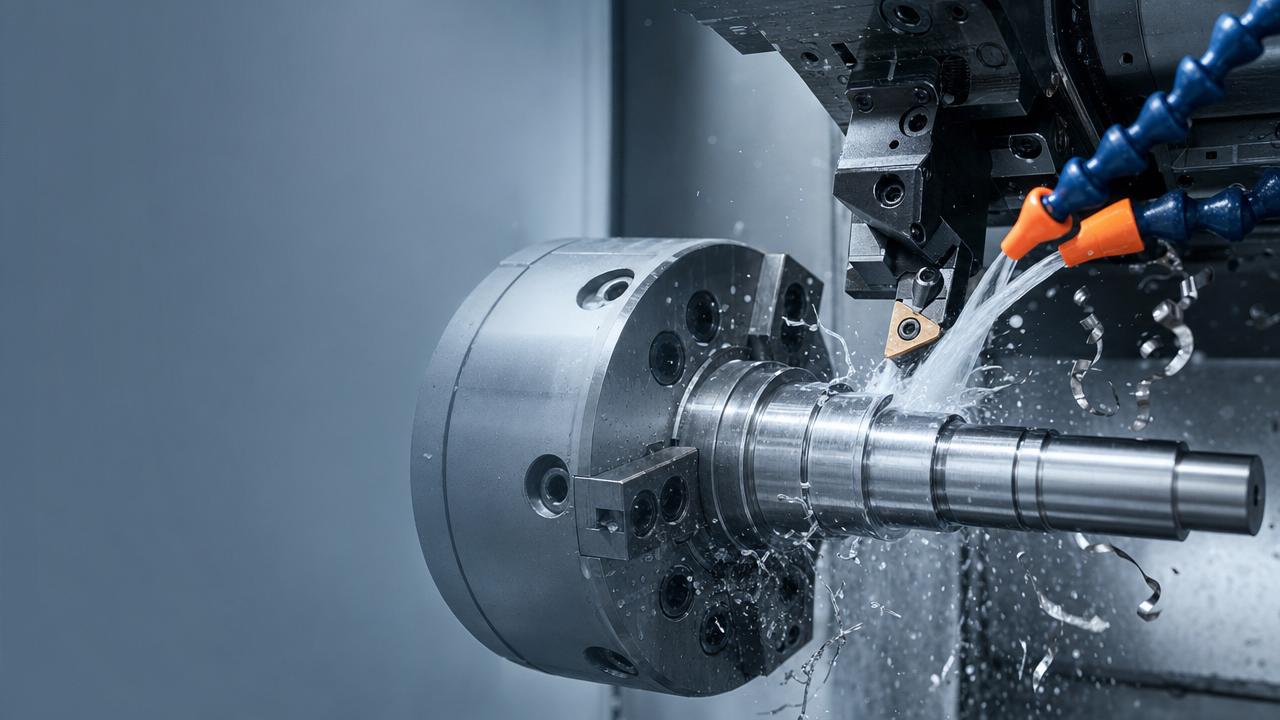
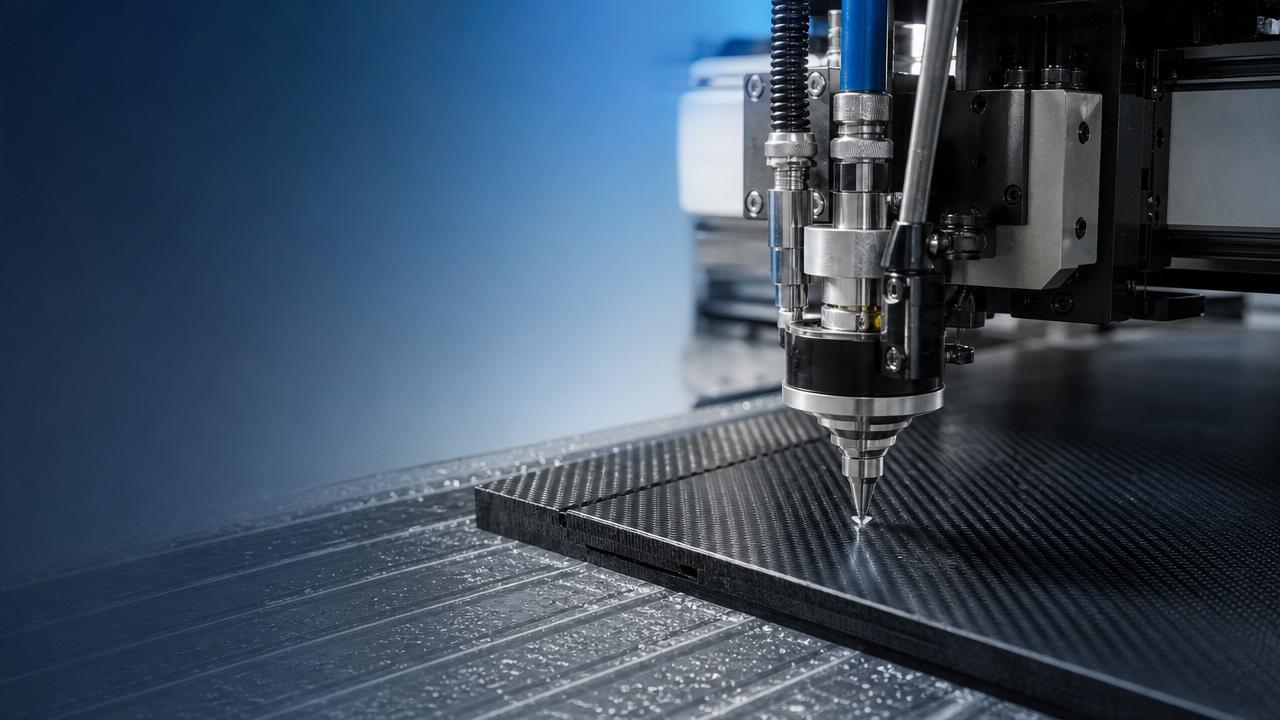
The concept includes 5-axis CNC machining centers, CNC lathes, laser cutting machines, press brakes, and waterjet cutters linked with data collection and automated decision support.
Instead of waiting for breakdowns, smart factory equipment identifies drift, overload, vibration, thermal instability, or tool wear before downtime grows into a larger production loss.
This approach is especially relevant in aerospace, medical, energy, transportation, and NEV production, where a single unstable process can affect quality, compliance, and customer schedules.
Core capabilities behind lower downtime
- Real-time machine condition monitoring
- Predictive maintenance based on operating data
- Adaptive process control for precision stability
- Integrated alarm management and root-cause tracing
- Automated material handling and job flow coordination
Why downtime remains a critical industry concern
Industrial lines now run with tighter staffing, more product variation, and narrower lead times. That makes every interruption more expensive than before.
High-precision industries also face hidden downtime. Machines may still run, yet quality drift, repeated setup corrections, and frequent restarts quietly reduce available capacity.
Smart factory equipment addresses both visible and hidden losses. It improves response speed and helps stabilize the conditions that often trigger repeated micro-stoppages.
How smart factory equipment cuts downtime in practice
Earlier fault detection
Connected equipment can detect abnormal patterns before failure. A spindle does not need to seize before the system notices unusual vibration, current draw, or temperature rise.
That warning window allows planned intervention during changeovers or scheduled pauses. The line avoids a sudden stop in the middle of a priority batch.
Better process stability
Smart factory equipment improves consistency by maintaining stable cutting, bending, and positioning conditions. Stable processes reduce jams, dimensional errors, and repeated manual corrections.
For 5-axis machining, this can mean tighter RTCP performance, better thermal behavior, and fewer interrupted cycles on complex contours.
Faster changeovers and setup verification
Setup errors are a major source of unplanned delay. Smart factory equipment verifies programs, tool data, offsets, and material instructions before the job fully starts.
Digital setup guidance also reduces variation between shifts. That supports smoother handovers and fewer startup losses after breaks or product switches.
Integrated maintenance planning
Maintenance becomes more targeted when machine history is visible. Instead of replacing parts too early or too late, teams can act on condition trends and service thresholds.
This is where smart factory equipment delivers practical value. It links maintenance work with real production behavior, not only with calendar-based routines.
Application value across key equipment categories
Different machine types create different downtime patterns. Smart factory equipment works best when monitoring logic matches the physics of each process.
Typical line scenarios where connected equipment matters most
- High-mix, low-volume production with frequent recipe changes
- Precision part manufacturing with strict tolerance windows
- Unattended or lightly staffed night shifts
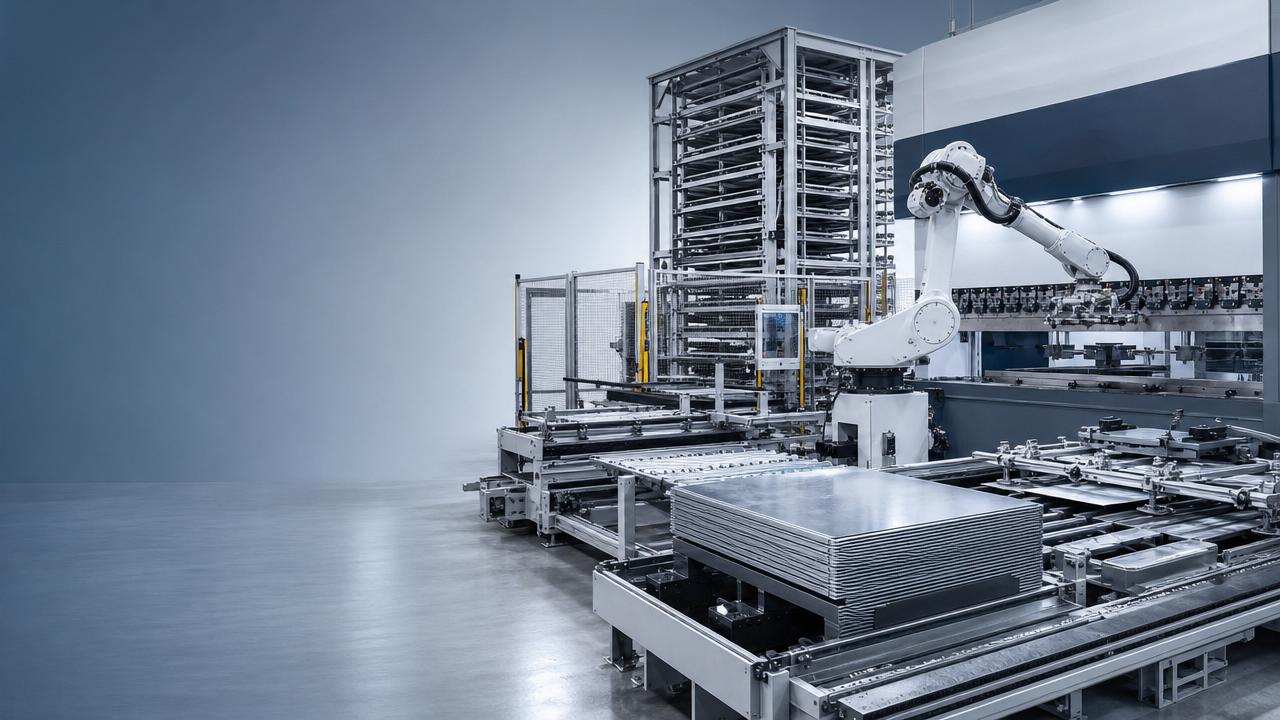
- Integrated cells combining robots and machine tools
- Aerospace and NEV programs with traceability demands
In these environments, smart factory equipment shortens the time between signal, decision, and action. That speed is often the difference between a minor interruption and a long recovery.
Practical considerations before implementation
Not every connectivity project reduces downtime automatically. Results depend on data quality, alarm design, process discipline, and how well systems fit the actual production flow.
Start with the highest-loss bottlenecks
Map recurring stops by duration, frequency, and cause. Focus first on machines or cells where a short gain unlocks the largest throughput improvement.
Define useful signals, not just more signals
Too many alarms create noise. Smart factory equipment should highlight the few indicators that truly predict failure, quality drift, or scheduling disruption.
Connect machine data with process context
A spindle load spike means little without knowing the tool, program, material, and operation stage. Context turns raw data into actionable maintenance or process insight.
Plan for operator-friendly visibility
Dashboards should support quick decisions at the machine. Clear status views, event timelines, and simple escalation rules reduce confusion during fast-moving line events.
A grounded path toward more reliable output
Smart factory equipment is most effective when applied to real downtime patterns, not abstract digital goals. The strongest results come from linking machine intelligence with process knowledge.
For advanced machining, metal cutting, and forming operations, smart factory equipment supports a practical shift from reactive recovery to controlled prevention.
A useful next step is to review one constrained line, identify its top three recurring losses, and match each one with a monitoring, control, or maintenance improvement path.
That structured approach turns smart factory equipment from a broad concept into measurable uptime, steadier precision, and more dependable delivery on busy lines.
Product Recommendations
 Abrasive Delivery SystemsIndustrial Waterjet Cutters: Abrasive Costs That Erode MarginsAnalyst :5-Axis Machining Scientist
 All-Electric Press BrakesAll-Electric Servo Drives: Energy Savings vs Upgrade CostAnalyst :Precision Turning Architect
 All-Electric Press BrakesReal-Time Angle Compensation: What It Fixes and What It Doesn'tAnalyst :Precision Turning Architect
 Latest Sector NewsHigh-Strength Steel Machining: Tool Life Myths to AvoidAnalyst :Dr. Alistair Vaughn
 3D 5-Axis LaserComposite Material Cutting Without Delamination: Key MethodsAnalyst :
 Robotic Bending CellsAutomated Sheet Metal Forming: Hidden Setup Costs ComparedAnalyst :Precision Turning Architect