Scaling electric vehicle production is no longer just about adding capacity—it requires smarter processes, tighter tolerances, and faster equipment integration. For companies assessing EV manufacturing solutions, the real advantage comes from aligning precision machining, flexible sheet metal forming, and production intelligence to remove bottlenecks and support sustainable growth.
Why a checklist makes EV manufacturing solutions easier to scale
EV programs move fast, but scale failures usually come from predictable gaps. Capacity is added before process capability is proven. Equipment is installed before upstream and downstream data are connected.
A checklist approach helps compare EV manufacturing solutions on facts instead of promises. It creates a practical way to judge machine flexibility, tolerance control, automation readiness, and supply chain resilience across the full production line.
This matters even more in EV production, where battery housings, motor components, lightweight structures, and thermal systems all require different machining and forming behaviors. One weak process can slow the entire plant.
Core checklist for scalable EV manufacturing solutions
- Verify process capability first. Confirm Cp, Cpk, repeatability, and thermal stability before approving line expansion for battery trays, e-drive housings, structural parts, and cooling assemblies.
- Match machine architecture to part geometry. Use 5-axis CNC machining for complex castings, precision lathes for cylindrical parts, and laser cutting for thin, high-mix sheet components.
- Standardize fixturing and datum strategy. Poor locating schemes create rework, slow changeovers, and hidden variation that becomes expensive when output volumes increase.
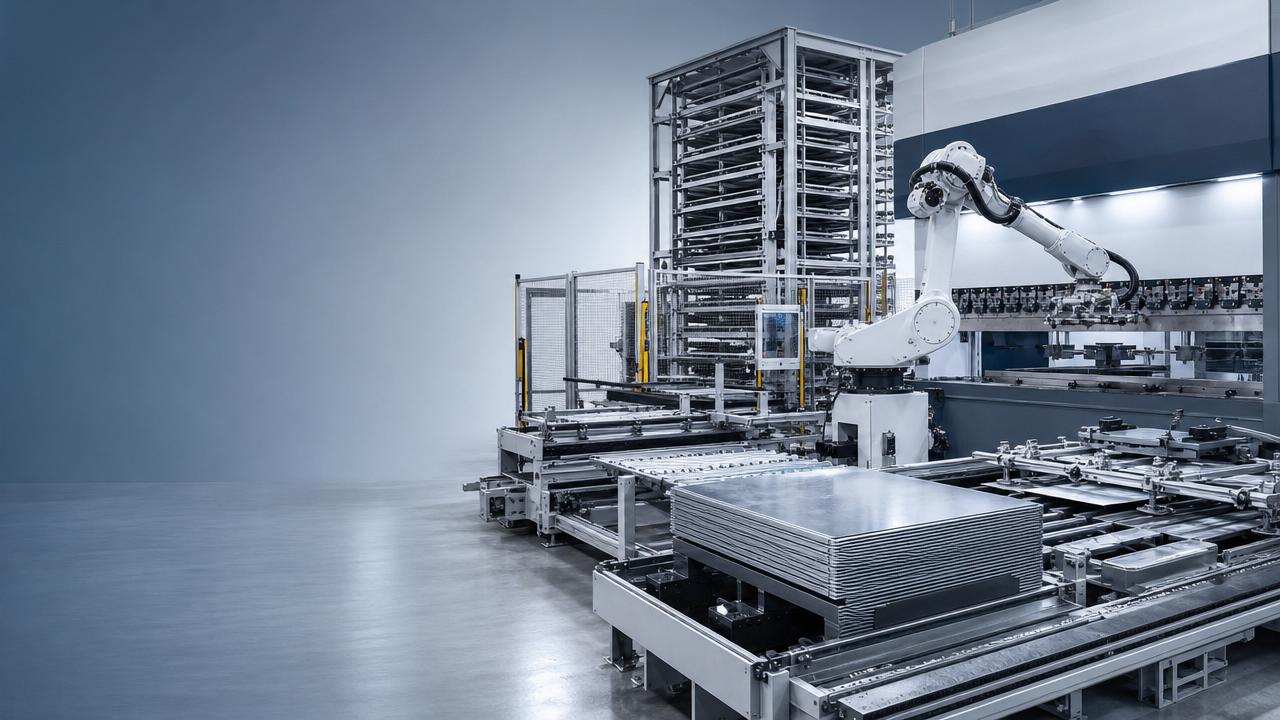
- Check automation compatibility early. Confirm robot loading, pallet systems, tool presetting, and inline inspection can be integrated without rewriting the entire line logic later.
- Measure changeover time realistically. Scalable EV manufacturing solutions must support model updates, material shifts, and mixed production without long downtime windows.
- Audit tooling life and consumables. Tool wear, nozzle life, abrasive use, and cutting gas cost directly affect throughput, scrap, and maintenance planning.
- Connect production data at machine level. Collect spindle load, cycle time, temperature drift, alarm history, and quality feedback to support continuous optimization.
- Test material flexibility. Aluminum, advanced high-strength steel, copper, composites, and coated materials behave differently and require process windows that stay stable at volume.
- Validate upstream and downstream balance. A fast cutting cell cannot scale output if bending, deburring, washing, or metrology becomes the next bottleneck.
- Review service and spare part access. Strong EV manufacturing solutions depend on reliable CNC systems, linear scales, servo components, and local technical response.
How the checklist applies across key EV production scenarios
Battery enclosure and tray manufacturing
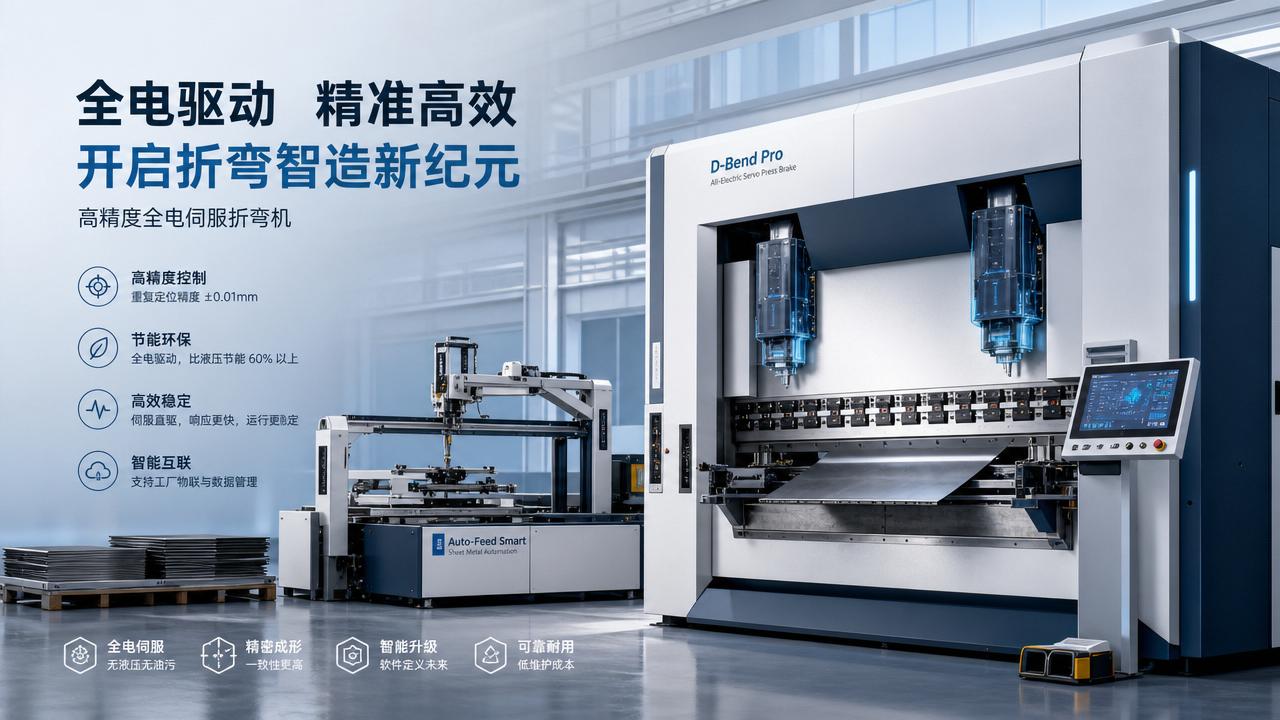
Battery housings combine lightweight materials, sealing requirements, and strict dimensional control. Laser cutting, CNC press brakes, and precision machining must work as one coordinated system.
In this case, scalable EV manufacturing solutions should focus on angle consistency, burr control, flatness, and repeatable hole positioning. Small deviations often create sealing, assembly, or thermal management problems later.
E-motor and drivetrain components
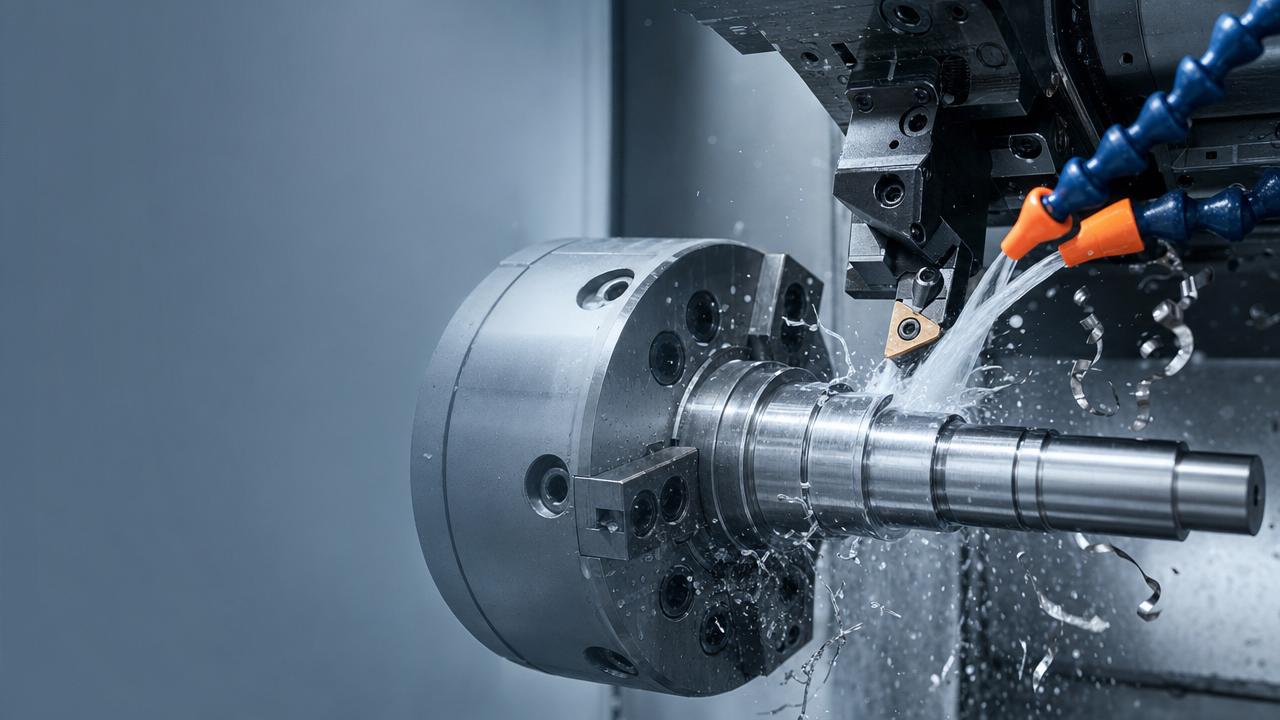
Motor shafts, bearing seats, housings, and rotor-related parts demand high concentricity and stable surface finish. CNC lathes and 5-axis machining centers become central to throughput and quality.
For these applications, EV manufacturing solutions scale better when thermal growth compensation, toolpath optimization, and in-process gauging are built into the process plan from the start.
Lightweight structural parts
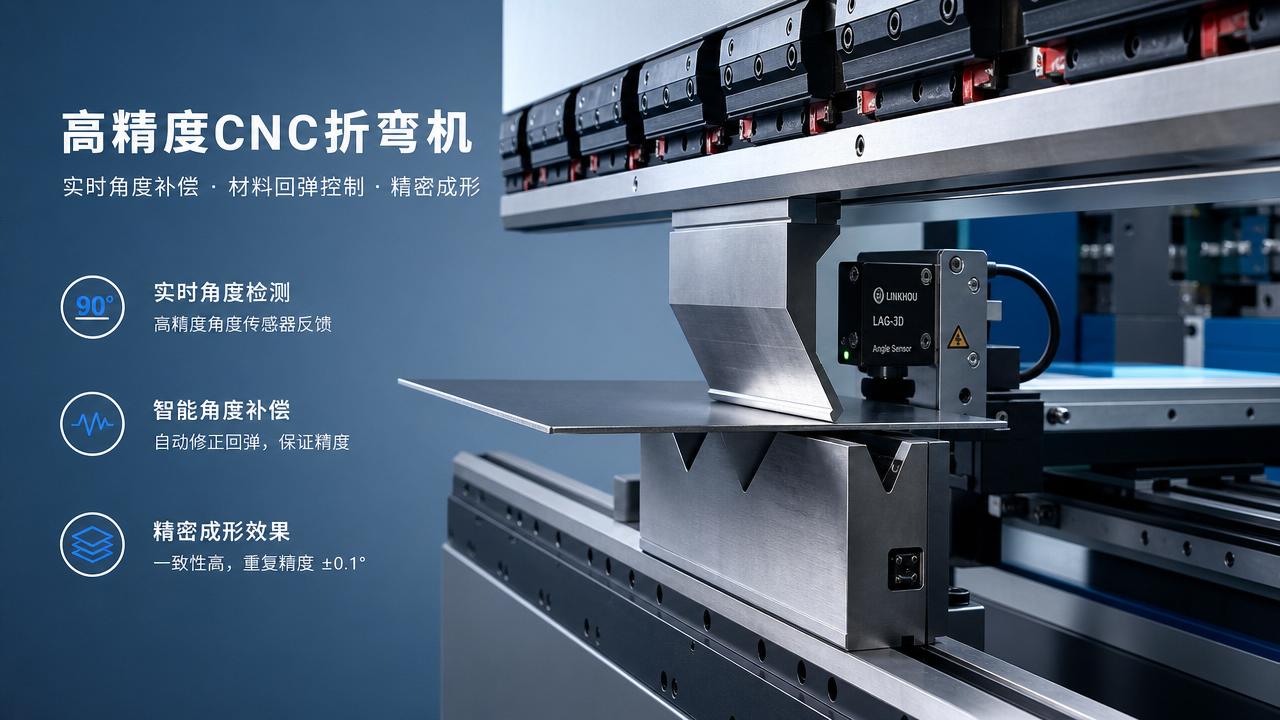
EV platforms rely on aluminum and mixed-material designs to extend range. That increases the importance of cutting quality, springback management, and distortion control after machining or forming.
Here, EV manufacturing solutions should be judged by how well they support flexible material switching, consistent bend compensation, and reduced heat-affected zones for sensitive parts.
Composite and heat-sensitive components
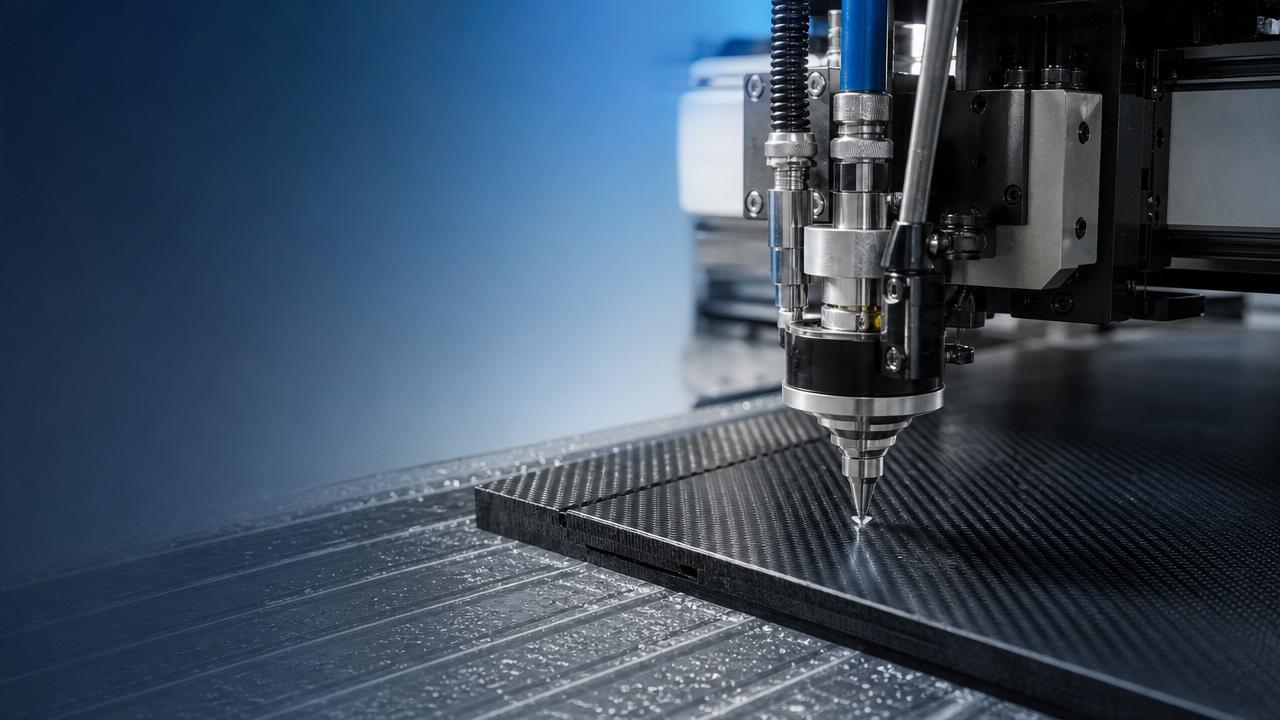
Some EV designs include composite shields, insulation structures, and specialty laminated materials. These parts are vulnerable to thermal damage during conventional cutting.
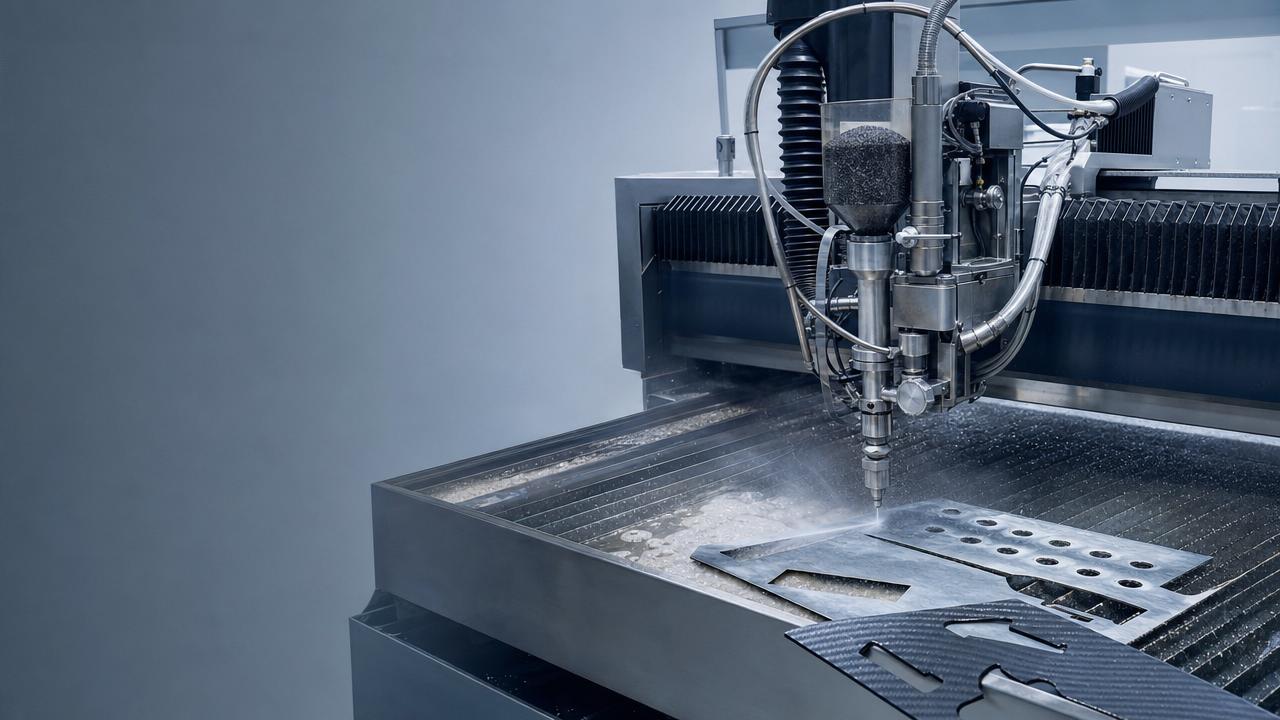
Industrial waterjet cutting is valuable here because it avoids a heat-affected zone. In mixed-material programs, this expands the range of EV manufacturing solutions that can scale without adding secondary repair steps.
Often-missed factors that slow scaling
Ignoring tolerance stack-up across processes. A part may pass after machining but fail after bending, welding, or final assembly. Scalable planning must connect individual tolerances to system-level fit.
Underestimating software integration. Machines can be productive alone yet inefficient together. CNC controls, MES signals, inspection outputs, and robot logic need compatible communication from day one.
Choosing equipment only by peak speed. Fast cycle time is not the same as scalable output. Stability, maintenance frequency, and first-pass yield usually have greater impact on monthly volume.
Missing core component supply risks. Delays in CNC systems, servo drives, linear guides, optics, or metrology devices can stall expansion even when floor space and labor are available.
Neglecting operator-to-automation transition. A manual process that works at pilot volume may fail under automated loading if fixture access, chip evacuation, or tool monitoring were not designed properly.
Practical execution steps for evaluating EV manufacturing solutions
- Map the full part family, then group components by geometry, material, tolerance class, and projected annual volume before selecting machines.
- Run sample parts through proposed equipment using target materials, target tolerances, and realistic cycle assumptions instead of brochure benchmarks.
- Compare line concepts by total process flow, including loading, inspection, deburring, cleaning, and data capture, not just cutting or forming speed.
- Request proof of automation interfaces, predictive maintenance tools, and spare part support to reduce scaling risk after commissioning.
- Review whether the solution supports future EV platform updates, mixed-material designs, and higher localization requirements across regions.
Why manufacturing intelligence strengthens scaling decisions
The best EV manufacturing solutions are not defined by a single machine. They are built on the relationship between equipment capability, process engineering, and strategic intelligence.
This is where advanced manufacturing insight becomes valuable. Understanding 5-axis toolpath behavior, laser process physics, sheet metal compensation, and component supply trends leads to better investment timing and better technical choices.
A precision-first view also supports long-term competitiveness. It helps reduce scrap, shorten launch curves, and improve consistency as EV platforms evolve toward lighter, more integrated, and more demanding designs.
Conclusion and next action
What makes EV manufacturing solutions easier to scale is not just more equipment. It is the disciplined combination of capable machines, flexible process design, connected data, and resilient supply planning.
Use a checklist to test every proposed solution against real production conditions. Start with tolerance control, material behavior, automation fit, and line balance. Then confirm service access and digital integration before expansion begins.
When EV manufacturing solutions are evaluated this way, scaling becomes less reactive and more repeatable. The next step is simple: audit the current process chain, score each bottleneck, and prioritize equipment upgrades that improve both precision and flow.
Product Recommendations
 Abrasive Delivery SystemsIndustrial Waterjet Cutters: Abrasive Costs That Erode MarginsAnalyst :5-Axis Machining Scientist
 All-Electric Press BrakesAll-Electric Servo Drives: Energy Savings vs Upgrade CostAnalyst :Precision Turning Architect
 All-Electric Press BrakesReal-Time Angle Compensation: What It Fixes and What It Doesn'tAnalyst :Precision Turning Architect
 Latest Sector NewsHigh-Strength Steel Machining: Tool Life Myths to AvoidAnalyst :Dr. Alistair Vaughn
 3D 5-Axis LaserComposite Material Cutting Without Delamination: Key MethodsAnalyst :
 Robotic Bending CellsAutomated Sheet Metal Forming: Hidden Setup Costs ComparedAnalyst :Precision Turning Architect