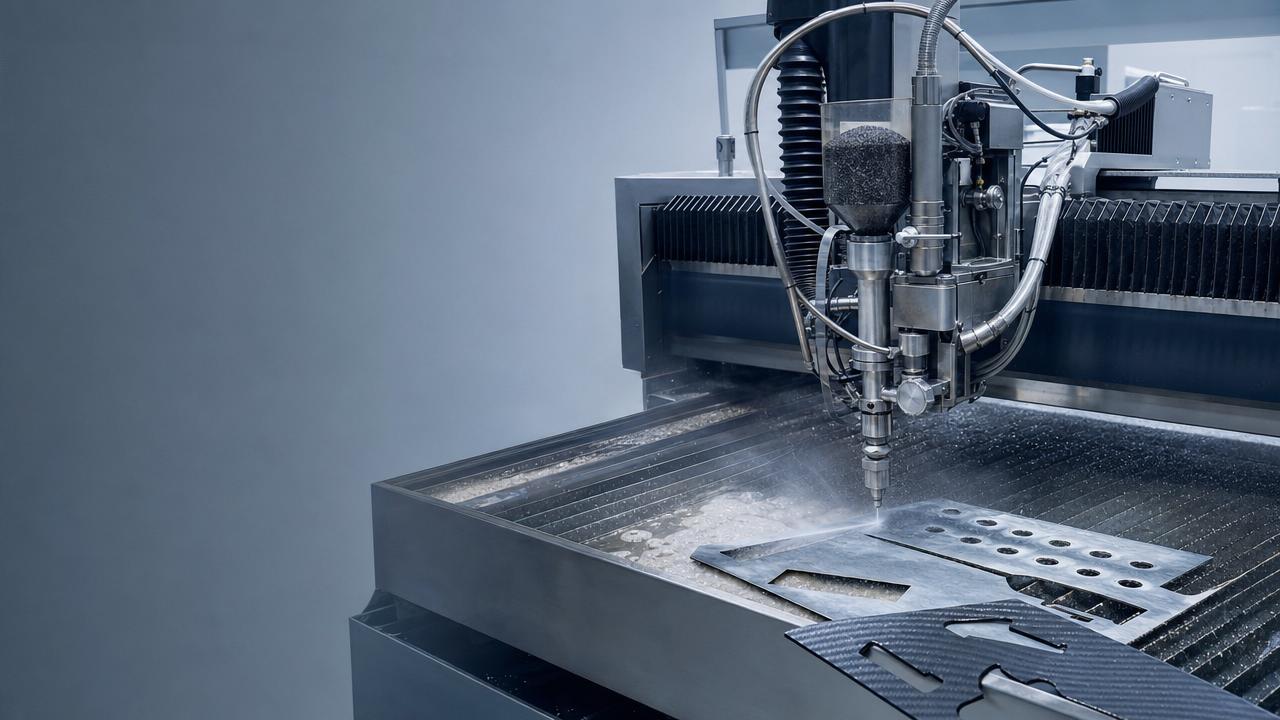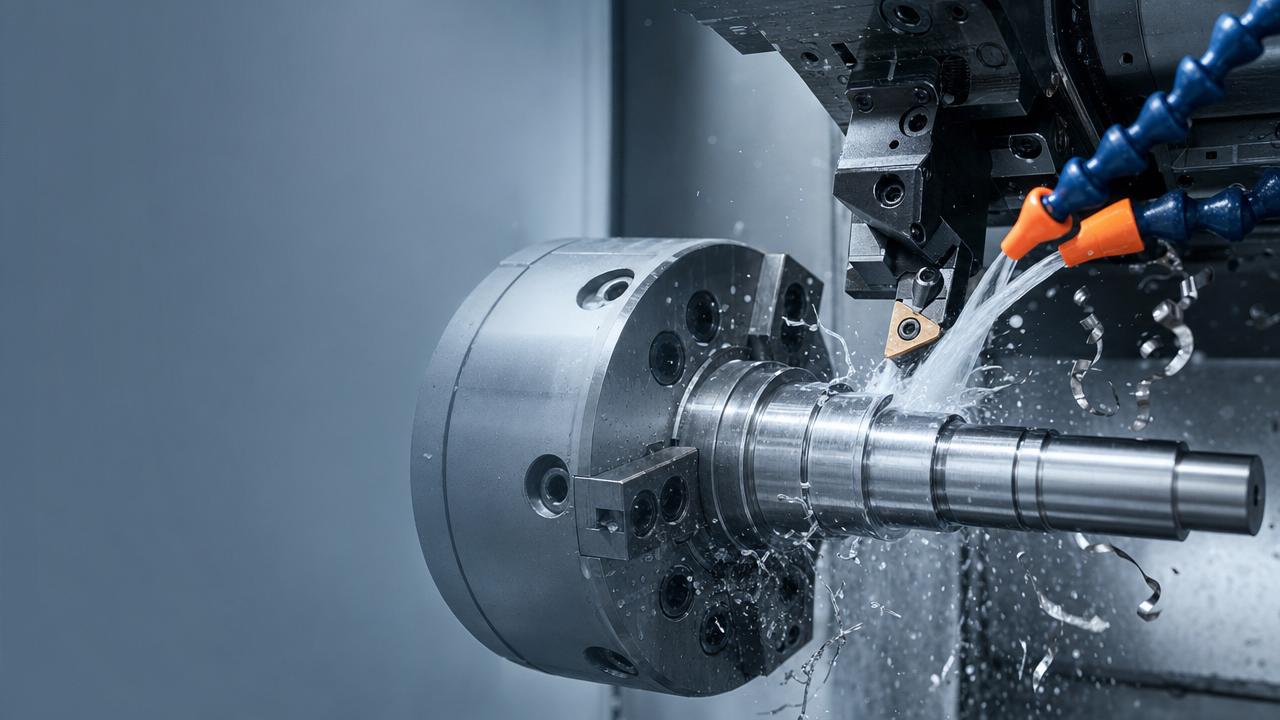
On 29 May 2026, the European Commission imposed a €200 million penalty on cross-border e-commerce platform Temu for systemic failures in ensuring compliance of industrial tools and machinery imported into the EU — including CNC machines, laser cutters, and waterjet systems. The decision directly impacts manufacturers, exporters, and supply chain actors handling high-risk mechanical products destined for the EU market, signaling a hardening enforcement stance on third-party platform accountability under EU product safety law.
Event Overview
On 29 May 2026, the European Commission announced a €200 million fine against Temu. The penalty stems from findings that Temu enabled the sale of industrial-grade tools and equipment lacking CE marking, missing EU Declarations of Conformity (DoC), absent technical documentation, and without legally required safety labeling. The Commission mandated that all online platforms hosting third-party sellers must act as ‘compliance gatekeepers’ for such high-risk machinery — requiring mandatory upload of DoC, appointment of an EU-based Authorized Representative (EC REP), and retention of full technical files for 10 years.
Industries Affected
Manufacturers of High-Risk Machinery
Manufacturers exporting CNC machines, laser cutting systems, and waterjet equipment to the EU via online platforms face heightened upstream responsibility. Even if they supply to intermediaries or distributors, the Commission’s ruling reinforces that originators of non-compliant products remain liable under the EU Machinery Regulation (EU) 2023/1230 — especially where technical documentation or conformity assessments are incomplete or falsified.
Exporters and Direct Trade Enterprises
Companies selling directly into the EU through Temu or similar platforms are now subject to platform-level verification requirements previously applied mainly to EU-based importers. Failure to provide valid DoC, EC REP details, or traceable technical files may result in listing suspension or deactivation — regardless of whether the product itself meets essential safety requirements.
Supply Chain and Compliance Service Providers
Third-party providers offering CE certification support, technical file preparation, or EU representation services are seeing increased demand — but also greater scrutiny. The 10-year technical file retention mandate raises operational expectations for documentation integrity, version control, and audit readiness — particularly for firms managing portfolios across multiple clients and product categories.
What Relevant Businesses and Practitioners Should Monitor and Do Now
Track official guidance on platform due diligence obligations
The European Commission has not yet published detailed implementing guidelines for the ‘gatekeeper’ requirement. Businesses should monitor updates from national market surveillance authorities (e.g., Germany’s ZLS, France’s DGCCRF) and the EU’s Joint Research Centre (JRC) for clarifications on acceptable formats for DoC submission, validation of EC REP mandates, and evidentiary thresholds for technical file completeness.
Verify compliance status of priority high-risk product lines
Focus initial review on CNC controllers, Class 4 laser systems, and high-pressure waterjet units — categories explicitly cited in the Commission’s statement. Confirm whether applicable harmonized standards (e.g., EN ISO 12100, EN 60204-1) have been applied, and whether notified body involvement was required and documented.
Distinguish between regulatory signal and enforceable obligation
This penalty applies specifically to Temu’s conduct under current EU Market Surveillance Regulation (EU) 2019/1020 and Machinery Regulation. It does not constitute new legislation, nor does it automatically extend liability to offline distributors or B2B importers unless similar systemic failures in oversight are identified. Companies should avoid overgeneralizing the ruling beyond its factual scope.
Update internal documentation and supplier onboarding protocols
Review and revise standard operating procedures for technical file archiving, EC REP appointment workflows, and seller onboarding checklists — ensuring alignment with the 10-year retention period and mandatory DoC upload logic now enforced by major platforms. Cross-check existing supplier contracts for clauses assigning conformity responsibility.
Editorial Perspective / Industry Observation
Observably, this penalty functions primarily as a regulatory signal — not a precedent-setting legal judgment — emphasizing enforcement prioritization rather than expanding statutory liability. Analysis shows the Commission is targeting structural gaps in digital marketplace governance, not penalizing individual product non-conformities per se. From an industry perspective, the ruling underscores that platform-mediated trade no longer offers insulation from core obligations under EU product law. Continued attention is warranted, as national authorities may begin aligning inspection priorities and notification practices with this enforcement logic — particularly for machinery categories with documented incident histories.
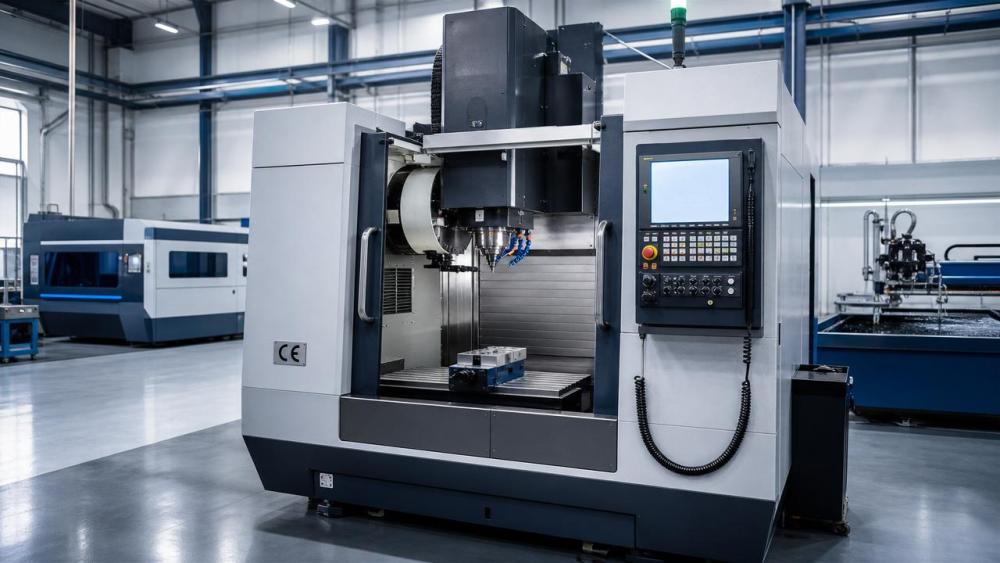
In summary, the Temu penalty reflects a calibrated escalation in enforcement focus on digital trade infrastructure, not a broad revision of product compliance fundamentals. It is best understood as a reinforcement of existing duties — made operationally visible through platform-level accountability mechanisms. For affected businesses, proactive alignment with documentation, representation, and traceability requirements remains the most pragmatic response — rather than anticipating sweeping legislative change.
Source: European Commission Press Release, 29 May 2026.
Note: Implementation guidance, national authority responses, and potential follow-up investigations remain under observation.
Product Recommendations
 Abrasive Delivery SystemsIndustrial Waterjet Cutters: Abrasive Costs That Erode MarginsAnalyst :5-Axis Machining Scientist
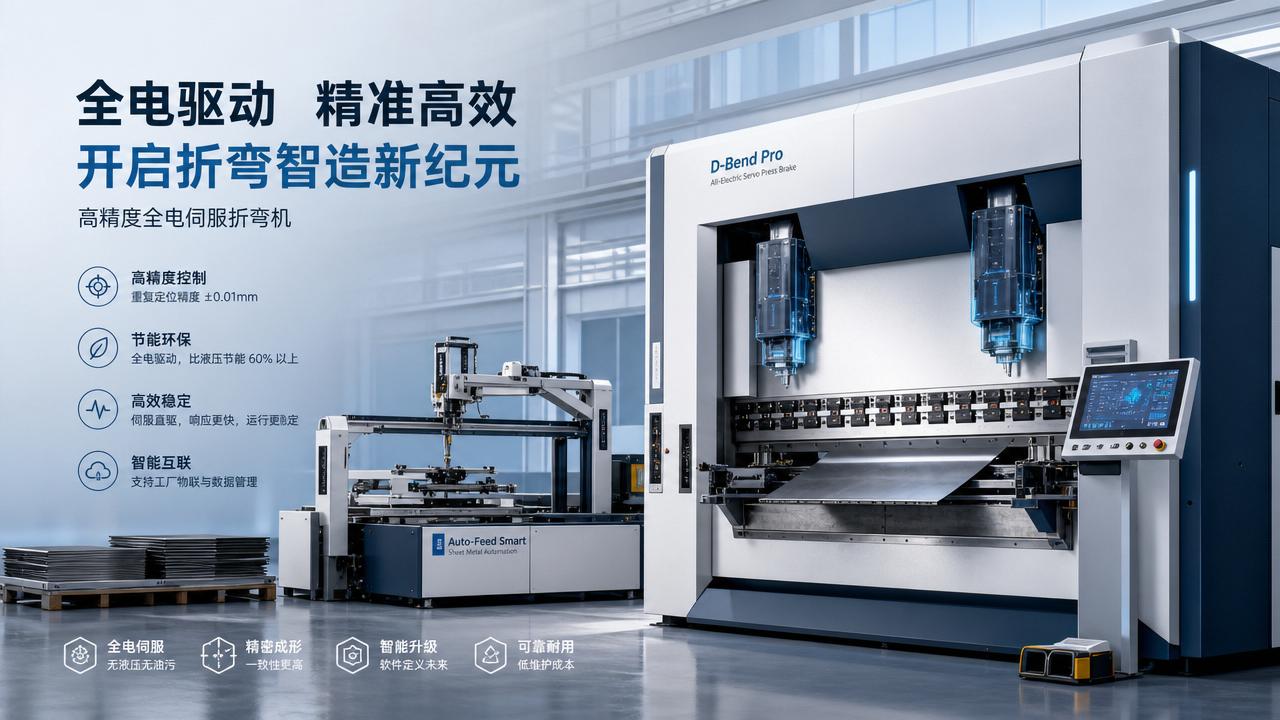
 All-Electric Press BrakesAll-Electric Servo Drives: Energy Savings vs Upgrade CostAnalyst :Precision Turning Architect
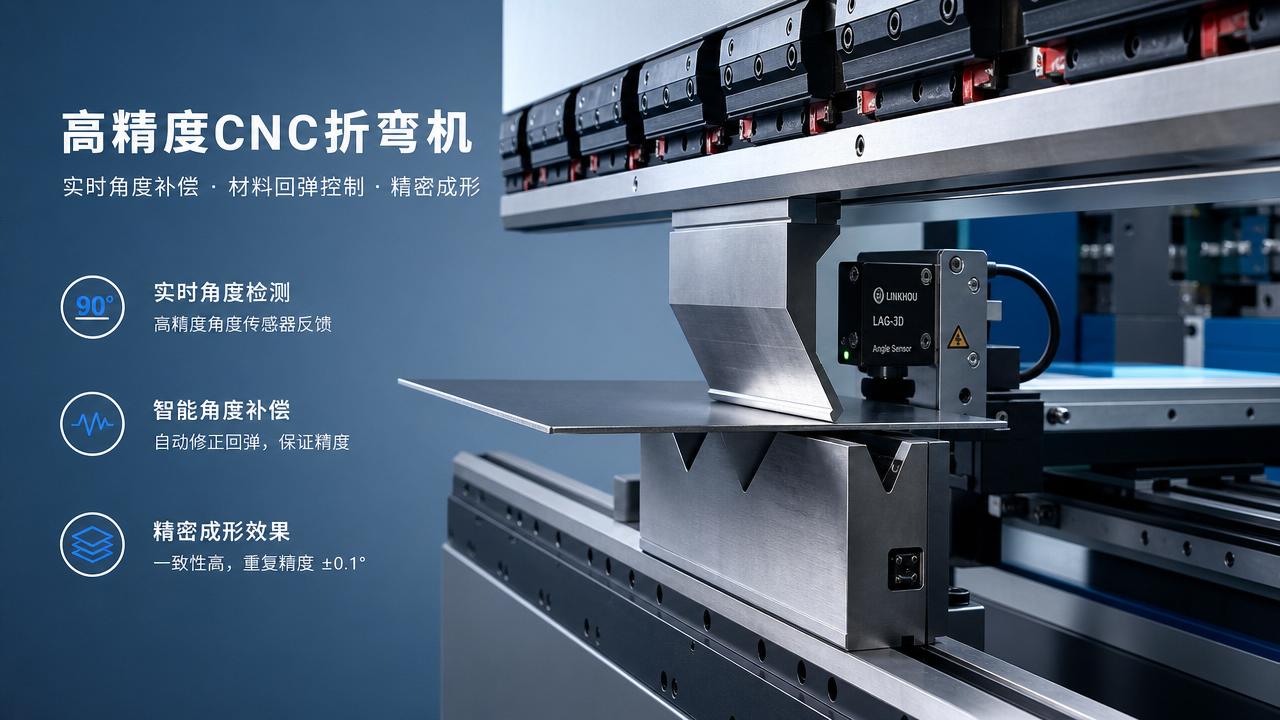
 All-Electric Press BrakesReal-Time Angle Compensation: What It Fixes and What It Doesn'tAnalyst :Precision Turning Architect
 Latest Sector NewsHigh-Strength Steel Machining: Tool Life Myths to AvoidAnalyst :Dr. Alistair Vaughn
 3D 5-Axis LaserComposite Material Cutting Without Delamination: Key MethodsAnalyst :
 Robotic Bending CellsAutomated Sheet Metal Forming: Hidden Setup Costs ComparedAnalyst :Precision Turning Architect