The Hanover Tiretechnology Expo 2027 — scheduled for 2–4 March 2027 — will introduce a dedicated ‘Smart Forming & Robotic Bending’ exhibition zone. This development signals growing industry demand for high-precision, low-carbon, flexible sheet metal fabrication solutions, particularly among Tier 1 automotive suppliers and OEMs in Germany. Manufacturers of electric press brakes, robotic bending cells, and mill-turn centers serving tire mold production and lightweight wheel machining should monitor this shift closely — as it reflects tangible procurement trends rather than conceptual interest.
Event Overview
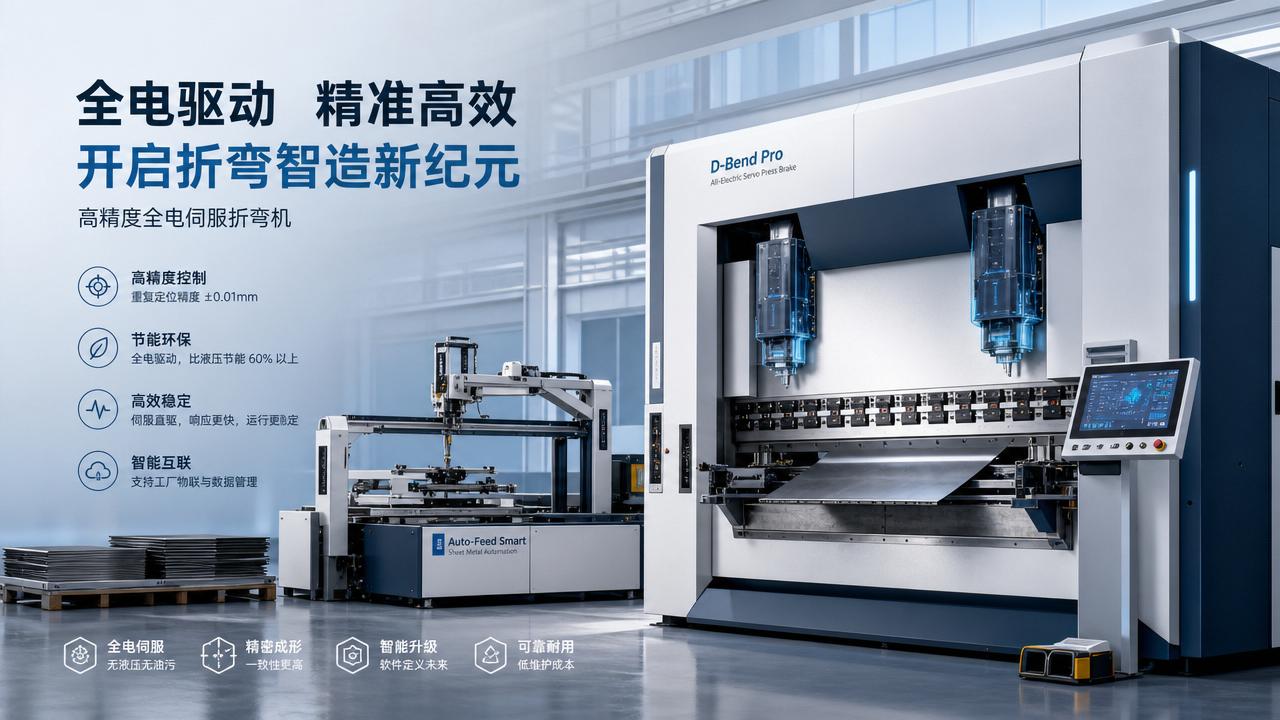
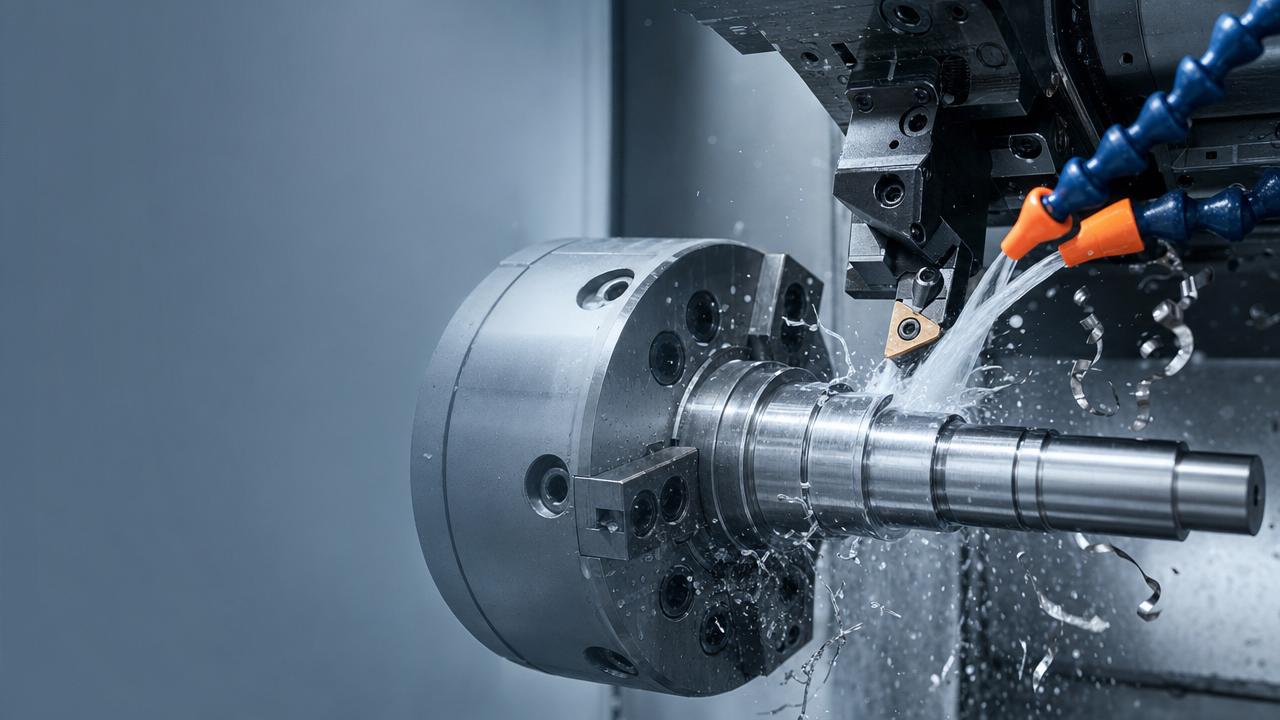
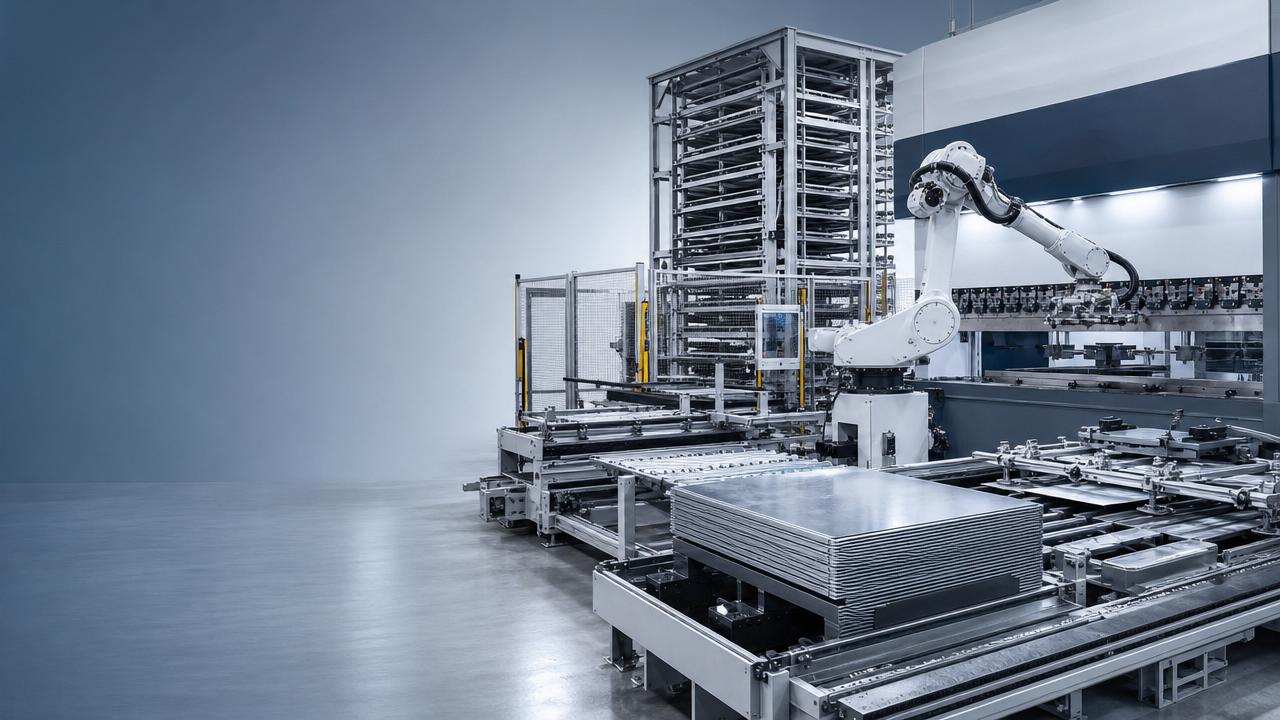
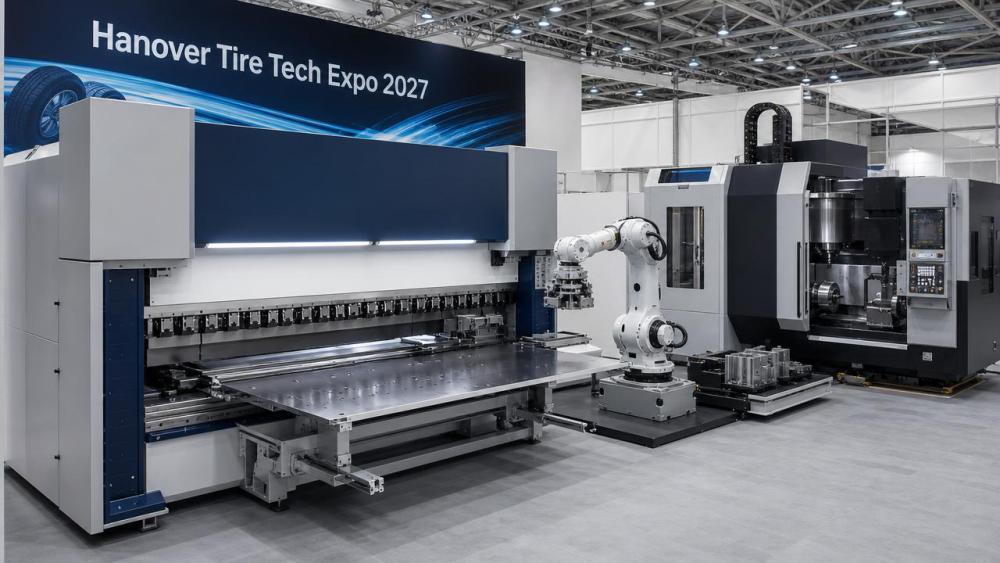
The 2027 edition of the Tiretechnology Expo in Hanover, organized by UKIP, will feature a newly announced ‘Smart Forming & Robotic Bending’ exhibition area. The zone will showcase application cases focused on tire mold manufacturing and lightweight wheel machining, with emphasis on All-Electric Press Brakes, Robotic Bending Cells, and Mill-Turn Centers. The event takes place from 2 to 4 March 2027. UKIP has confirmed that the addition responds directly to bulk procurement requirements from German OEMs and Tier 1 suppliers — including BMW and Continental — for high-accuracy, low-emission, flexible sheet metal production lines. Exhibition space booking is now open; Chinese exhibitors must complete VDA 6.4 system audit registration by 31 August 2026.
Industries Affected
Manufacturers of Precision Sheet Metal Equipment
Suppliers of All-Electric Press Brakes, robotic bending systems, and integrated mill-turn machining platforms are directly affected. Demand signals from BMW and Continental indicate prioritization of process repeatability, energy efficiency, and rapid reconfiguration — not just raw throughput. Impact manifests in product specification alignment (e.g., tighter positional accuracy tolerances, real-time force feedback integration) and qualification timelines, as VDA 6.4 compliance becomes a gatekeeper for participation.
Tire Mold Tooling Producers
Companies designing or machining steel molds for radial tire curing face downstream pressure to adopt more agile, digitally traceable forming processes. The new zone highlights how smart bending and hybrid machining reduce manual setup and improve contour fidelity — critical for complex tread pattern cavities. Impact includes tighter collaboration cycles with equipment vendors and increased scrutiny of in-process metrology capabilities.
Lightweight Wheel Fabricators
Producers of forged or flow-formed aluminum wheels — especially those supplying premium German OEMs — encounter intensified expectations around material utilization, cycle time variability, and surface integrity. Robotic bending cells and mill-turn centers enable single-setup processing of multi-contour rim profiles. The zone’s focus suggests accelerated adoption of such platforms may soon influence tier-2 supplier qualification criteria.
Chinese Export-Oriented Machinery Suppliers
Firms targeting the European automotive supply chain via Hanover face a concrete procedural requirement: VDA 6.4 certification must be completed and registered by 31 August 2026 to secure exhibition space. Delay risks exclusion from direct engagement with engineering teams from BMW, Continental, and other attendees who use the show for technical due diligence — not just branding.
What Companies and Practitioners Should Prioritize Now
Confirm VDA 6.4 Audit Timeline and Scope
Chinese machinery exporters must verify whether their current quality management system covers all clauses required under VDA 6.4 (specifically Edition 2023), including risk-based process audits, change control for production equipment, and documented evidence of continuous improvement in setup reduction and energy consumption per part. External audit scheduling should begin no later than May 2026 to meet the 31 August deadline.
Map Product Capabilities to Stated Application Use Cases
Equipment manufacturers should explicitly align technical documentation — such as repeatability data, bending angle deviation logs, and energy consumption benchmarks — with the two stated application domains: tire mold component fabrication and lightweight wheel rim forming. Generic performance claims are less likely to resonate than application-specific validation reports.
Prepare for Engineering-Level Engagement, Not Just Booth Presence
Attendees from BMW and Continental are expected to conduct on-site technical assessments during the event. Companies should designate staff with deep process knowledge (e.g., bending simulation expertise, ISO 2768 tolerance interpretation, servo-electric actuation diagnostics) — not solely sales representatives — to support live discussions and demo coordination.
Monitor UKIP’s Official Communications for Zone-Specific Criteria
While the zone’s thematic scope is confirmed, UKIP has not yet published detailed layout rules, minimum equipment specifications, or co-location preferences (e.g., whether robotic cells must integrate with specific CAD/CAM providers). Subscribing to UKIP’s exhibitor newsletter and reviewing updates issued after April 2026 is advisable to avoid misalignment in booth design or demonstration planning.
Editorial Perspective / Industry Observation
Observably, this zone introduction is less a standalone innovation and more a formalized reflection of procurement behavior already underway within German automotive supply chains. Analysis shows that BMW’s 2025 Supplier Sustainability Guidelines and Continental’s ‘Zero Emission Production’ roadmap both reference ‘flexible, electrified forming’ as a strategic capability — but until now, no major trade fair had structured its floor plan to mirror that priority. The move therefore functions primarily as a signal: it confirms that flexibility and decarbonization in sheet metal working are transitioning from R&D topics to procurement filters. It does not yet indicate widespread deployment — but it does mark the point where non-compliance begins to carry tangible commercial consequence for equipment suppliers seeking Tier 1 access.
Concluding, the addition of the ‘Smart Forming & Robotic Bending’ zone at Tiretechnology Expo 2027 is best understood not as an isolated exhibition update, but as a calibrated response to operational shifts in high-end automotive manufacturing. Its significance lies in institutionalizing what was previously fragmented technical dialogue into a visible, auditable, and deadline-bound pathway for market access — especially for non-European machinery suppliers. Current interpretation should emphasize procedural readiness and application-specific validation over speculative technology forecasting.
Source: Official announcement by UKIP (organizer of Tiretechnology Expo); confirmed dates and VDA 6.4 deadline published on tiretechnology-expo.com; referenced OEM procurement drivers cited in UKIP’s press release dated Q3 2024. Note: Specific technical criteria for zone participation (e.g., minimum automation level, data interface requirements) remain pending and are subject to official UKIP updates through early 2026.
Product Recommendations
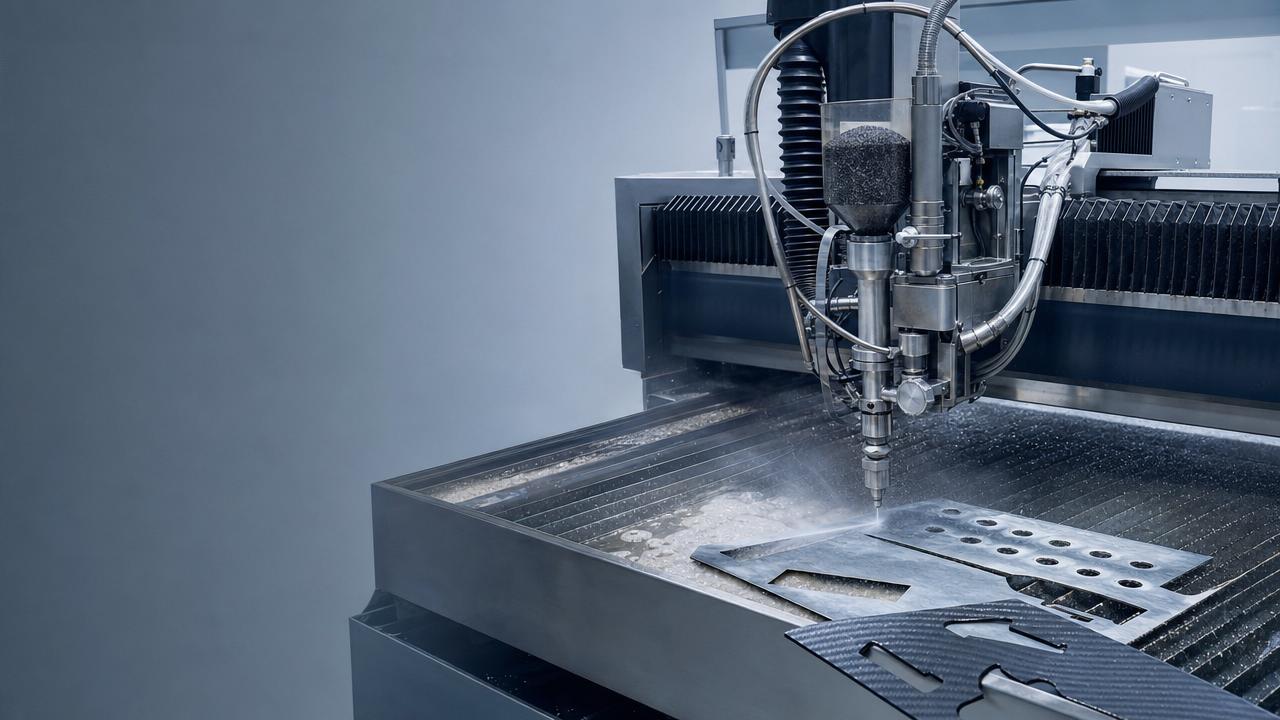
 Abrasive Delivery SystemsIndustrial Waterjet Cutters: Abrasive Costs That Erode MarginsAnalyst :5-Axis Machining Scientist
 All-Electric Press BrakesAll-Electric Servo Drives: Energy Savings vs Upgrade CostAnalyst :Precision Turning Architect
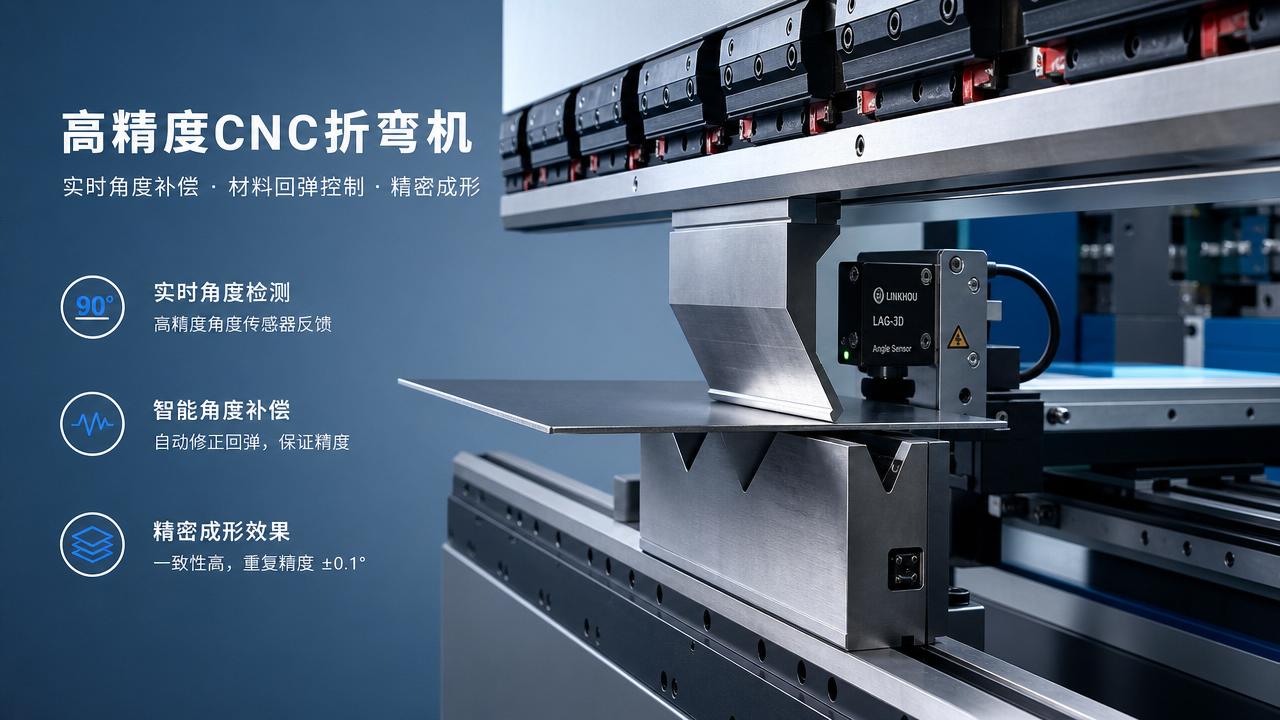
 All-Electric Press BrakesReal-Time Angle Compensation: What It Fixes and What It Doesn'tAnalyst :Precision Turning Architect
 Latest Sector NewsHigh-Strength Steel Machining: Tool Life Myths to AvoidAnalyst :Dr. Alistair Vaughn
 3D 5-Axis LaserComposite Material Cutting Without Delamination: Key MethodsAnalyst :
 Robotic Bending CellsAutomated Sheet Metal Forming: Hidden Setup Costs ComparedAnalyst :Precision Turning Architect