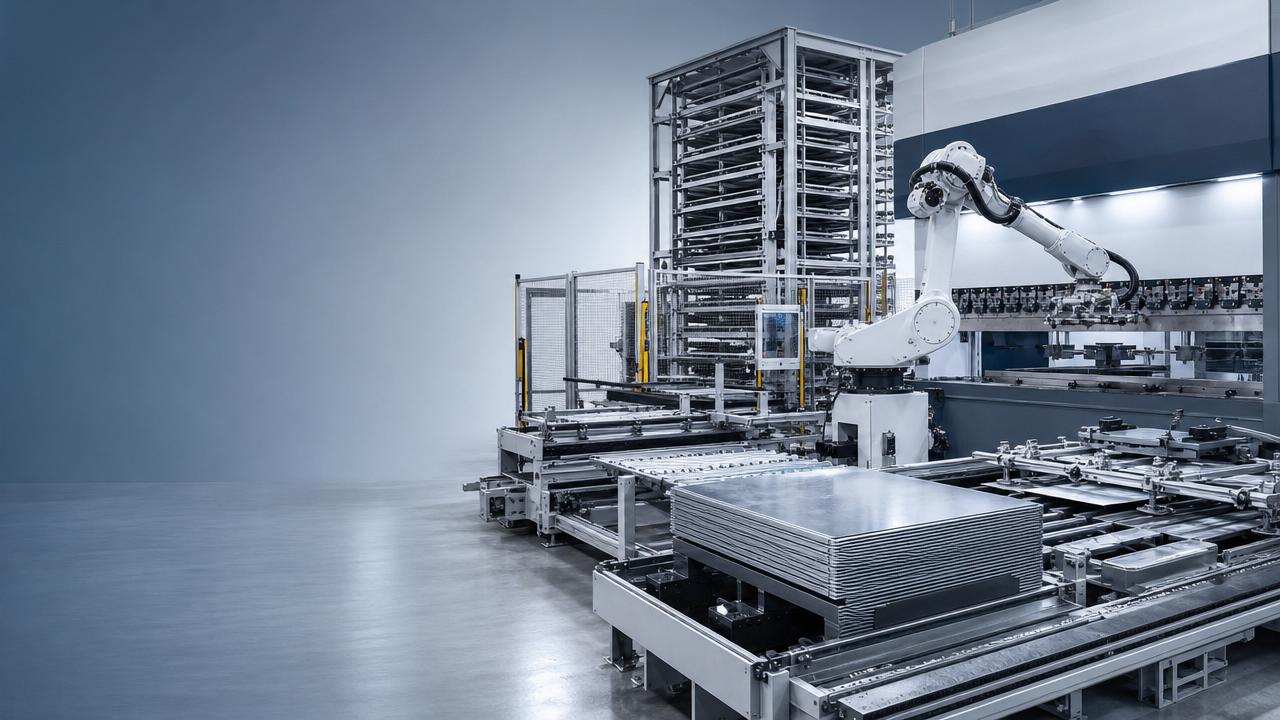
What Drives the Cost of Aerospace Machining Equipment?
For business evaluators, the price of aerospace machining equipment is shaped by more than machine size or brand reputation.
Cost reflects 5-axis precision, spindle performance, thermal stability, CNC intelligence, automation readiness, compliance demands, and long-term service capability.
As aerospace programs pursue lighter structures, tighter tolerances, and more resilient supply chains, aerospace machining equipment is becoming a strategic production asset.
Understanding these cost drivers helps compare total value, reduce technical risk, and select platforms that support future production growth.
Aerospace Machining Equipment Is Moving From Capacity Tool to Precision Infrastructure
The aerospace manufacturing environment is changing quickly.
Airframe structures, turbine components, landing gear, and space hardware now require complex geometries and repeatable micron-level accuracy.
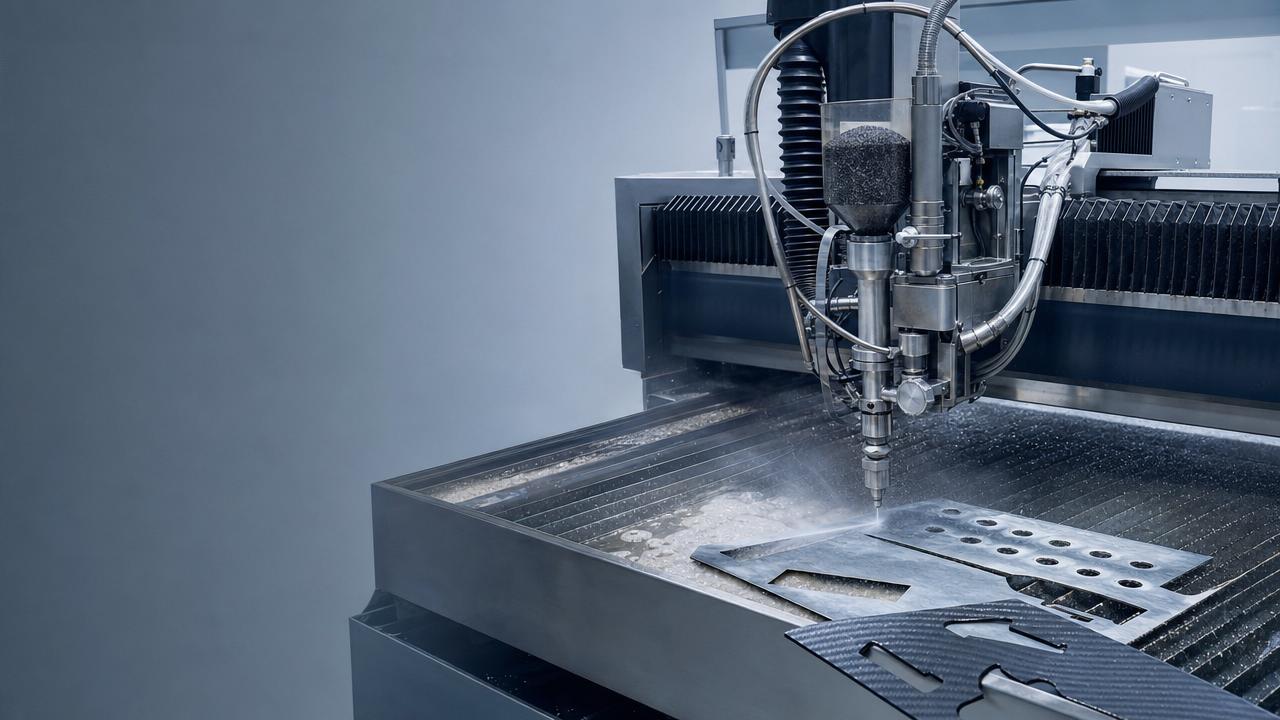
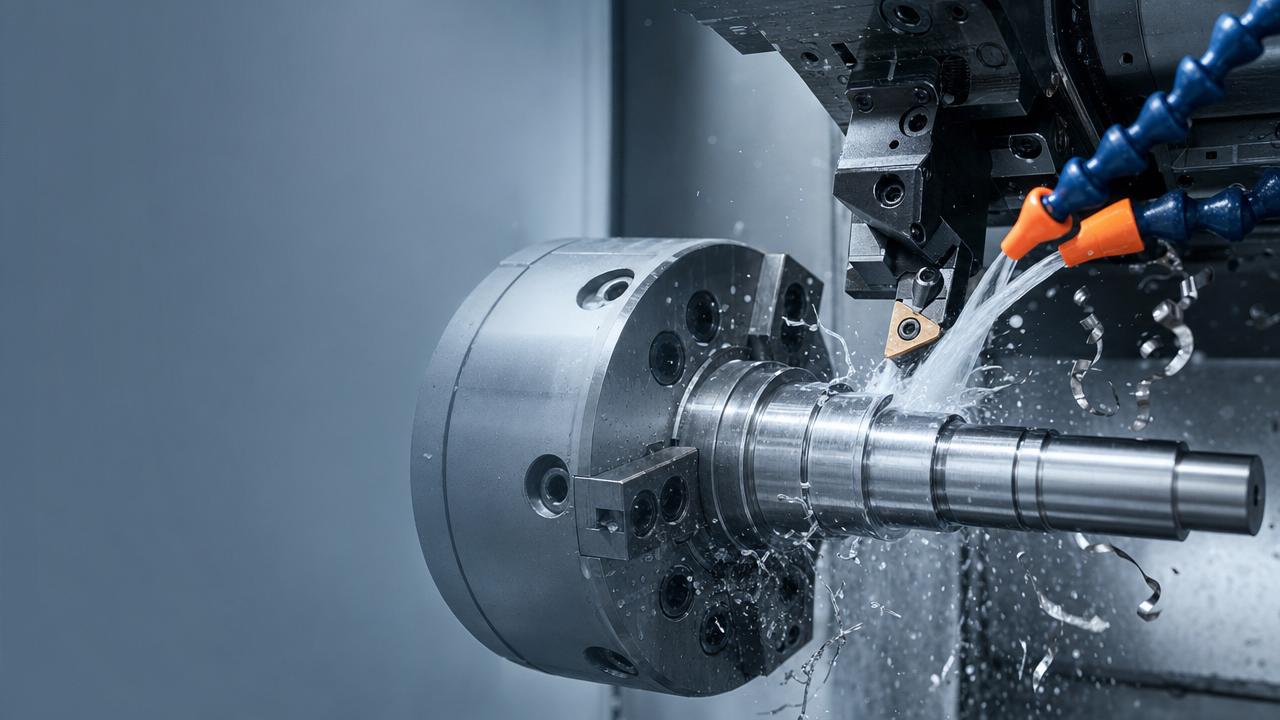
This shift raises the technical threshold for aerospace machining equipment across milling, turning, grinding, waterjet cutting, and hybrid machining operations.
The market no longer rewards only high metal removal rates.
It increasingly rewards process stability, traceable quality, digital connectivity, and the ability to machine difficult materials without dimensional drift.
Titanium alloys, nickel-based superalloys, aluminum-lithium alloys, and carbon fiber composites all expose weaknesses in ordinary machining platforms.
Therefore, the cost of aerospace machining equipment often reflects hidden engineering depth rather than visible machine volume.
Trend Signals That Are Raising Equipment Value Expectations
Several signals show why aerospace machining equipment is becoming more expensive and more sophisticated.
- More parts are designed for single-setup 5-axis machining to reduce cumulative tolerance error.
- Aircraft engines require higher thermal resistance, pushing more superalloy machining into production.
- Space and defense programs demand documented process reliability and strict data traceability.
- Flexible production cells are replacing isolated machines in advanced aerospace factories.
- Export controls and component shortages increase attention on CNC systems, linear scales, and spindles.
These signals make aerospace machining equipment a long-cycle investment rather than a simple capital purchase.
The real question becomes whether the platform can protect quality, throughput, and compliance over many production years.
Core Technical Drivers Behind the Price Gap
The largest cost differences usually come from technical systems that are difficult to see during a showroom inspection.
5-Axis Accuracy Carries a Premium
High-end aerospace machining equipment often requires true simultaneous 5-axis control, not only indexed positioning.
Rotary axes, direct drives, encoder resolution, and RTCP functions all influence final part accuracy.
This matters because aerospace parts often combine thin walls, deep pockets, curved surfaces, and strict datum relationships.
A lower-cost machine may reach the programmed path but still struggle with dynamic contour accuracy.
Spindles and Tooling Interfaces Define Cutting Economics
Spindles are a major cost center in aerospace machining equipment.
High torque supports roughing titanium and nickel alloys, while high speed supports aluminum structural machining.
Premium spindle bearings, cooling circuits, vibration control, and tool interfaces reduce chatter and extend tool life.
The initial machine price may rise, but stable cutting can lower cost per qualified part.
Thermal Stability Is a Hidden Price Multiplier
Long-cycle aerospace components expose thermal weaknesses.
Machine bases, columns, linear guides, ball screws, motors, and spindle housings all expand during operation.
Advanced aerospace machining equipment uses thermal symmetry, chilled systems, compensation models, and high-resolution feedback devices.
These systems increase acquisition cost, yet they reduce rework, inspection delays, and tolerance uncertainty.
Automation Readiness Is Becoming a Cost Baseline
Automation used to be optional for many machining environments.
In aerospace production, it is increasingly tied to consistency, labor availability, and machine utilization.
Modern aerospace machining equipment may need pallet pools, robotic loading, tool monitoring, probing, and digital workholding verification.
It may also need interfaces for MES, tool management software, and closed-loop quality systems.
The machine with the lowest purchase price may be expensive if it cannot join an automated cell later.
- Pallet systems increase spindle uptime during long aerospace programs.
- Robot interfaces reduce manual handling risks for valuable workpieces.
- Tool breakage detection protects expensive parts during unattended machining.
- In-process probing shortens setup time and supports adaptive correction.
Compliance and Documentation Add Real Engineering Cost
Aerospace machining equipment serves industries where failure consequences are severe.
That reality increases the value of machine validation, calibration history, cybersecurity, software control, and documentation discipline.
Equipment may need to support AS9100 quality systems, customer audits, defense requirements, and controlled technical data environments.
Traceability functions do not always appear dramatic, but they influence acceptance in regulated aerospace supply chains.
The cost of aerospace machining equipment therefore includes trust, repeatability, and audit readiness.
Application Demands Create Different Cost Profiles
Not every aerospace application requires the same investment level.
The part family, material, tolerance, batch pattern, and inspection burden shape the required machine configuration.
Supply Chain Risk Is Now Part of Equipment Pricing
Core components strongly affect the price and delivery time of aerospace machining equipment.
CNC systems, linear scales, torque motors, rotary tables, spindles, sensors, and high-end bearings remain strategic components.
When export controls tighten or supply chains become unstable, equipment builders adjust sourcing, inventory, and risk premiums.
This means two similar machines may carry different cost structures because their component resilience differs.
A lower price may hide longer lead times, limited spare parts, or weaker service continuity.
Total Cost of Ownership Matters More Than Purchase Price
The visible price of aerospace machining equipment is only one part of the business equation.
Energy use, tool life, scrap rate, setup time, floor space, maintenance, training, and software updates influence lifecycle economics.
A machine that holds tolerance faster may justify a higher acquisition cost through fewer rejected parts.
A platform with strong service coverage may also reduce downtime during critical delivery windows.
- Compare cost per qualified part, not only machine price.
- Include fixture design, tooling packages, CAM postprocessors, and inspection integration.
- Evaluate maintenance intervals, spare parts availability, and remote diagnostic capability.
- Consider scalability for automation, additional axes, and future production programs.
How Different Business Functions Feel the Cost Impact
The rising cost of aerospace machining equipment affects more than capital planning.
Engineering teams gain more process capability, but must validate toolpaths, fixtures, and compensation strategies carefully.
Production teams benefit from higher repeatability, yet require stronger skills in probing, setup control, and data interpretation.
Quality teams gain richer data, but must manage measurement correlation and audit documentation.
Finance teams need lifecycle models that include scrap avoidance, uptime, and program qualification risk.
Key Points to Watch Before Comparing Equipment Offers
A structured comparison prevents misleading price conclusions.
- Confirm whether 5-axis performance is simultaneous, indexed, or limited by control options.
- Review spindle torque curves, duty cycles, cooling design, and rebuild support.
- Check thermal compensation methods under realistic production conditions.
- Assess CNC look-ahead, smoothing, RTCP, and high-speed interpolation capability.
- Evaluate probing, tool monitoring, fixture verification, and inspection connectivity.
- Verify automation interfaces before future unmanned production is required.
- Review service response, spare parts strategy, training, and software update policies.
These factors reveal whether aerospace machining equipment is priced for basic capacity or long-term aerospace reliability.
Practical Judgment Framework for Future Decisions
The best evaluation approach connects technical capability with production strategy.
The Direction of Cost Is Clearer Than the Exact Price
The cost of aerospace machining equipment will keep reflecting precision, intelligence, reliability, and integration depth.
Machines with stronger sensors, better controls, and automation-ready architecture will command higher initial prices.
However, they can also protect margins when aerospace parts become harder to machine and easier to reject.
Future-ready aerospace machining equipment should be judged by tolerance security, uptime, process data, and adaptability.
The most resilient choice is rarely the cheapest machine.
It is the platform that keeps producing qualified aerospace parts as designs, materials, and compliance expectations evolve.
Action Path for Smarter Evaluation
Start with the most demanding part family, not the average part.
Map its material, tolerances, cycle time, fixture needs, inspection points, and future automation potential.
Then compare aerospace machining equipment by verified capability, not brochure specifications alone.
Request cutting trials, thermal data, control demonstrations, service commitments, and lifecycle cost assumptions.
This approach turns equipment pricing into a disciplined investment judgment.
For deeper sector intelligence, AMTS tracks 5-axis CNC machining, precision cutting, automation, and advanced manufacturing trends.
Use those insights to understand where aerospace machining equipment cost is rising, where value is improving, and where risk is hiding.
Product Recommendations
 Abrasive Delivery SystemsIndustrial Waterjet Cutters: Abrasive Costs That Erode MarginsAnalyst :5-Axis Machining Scientist
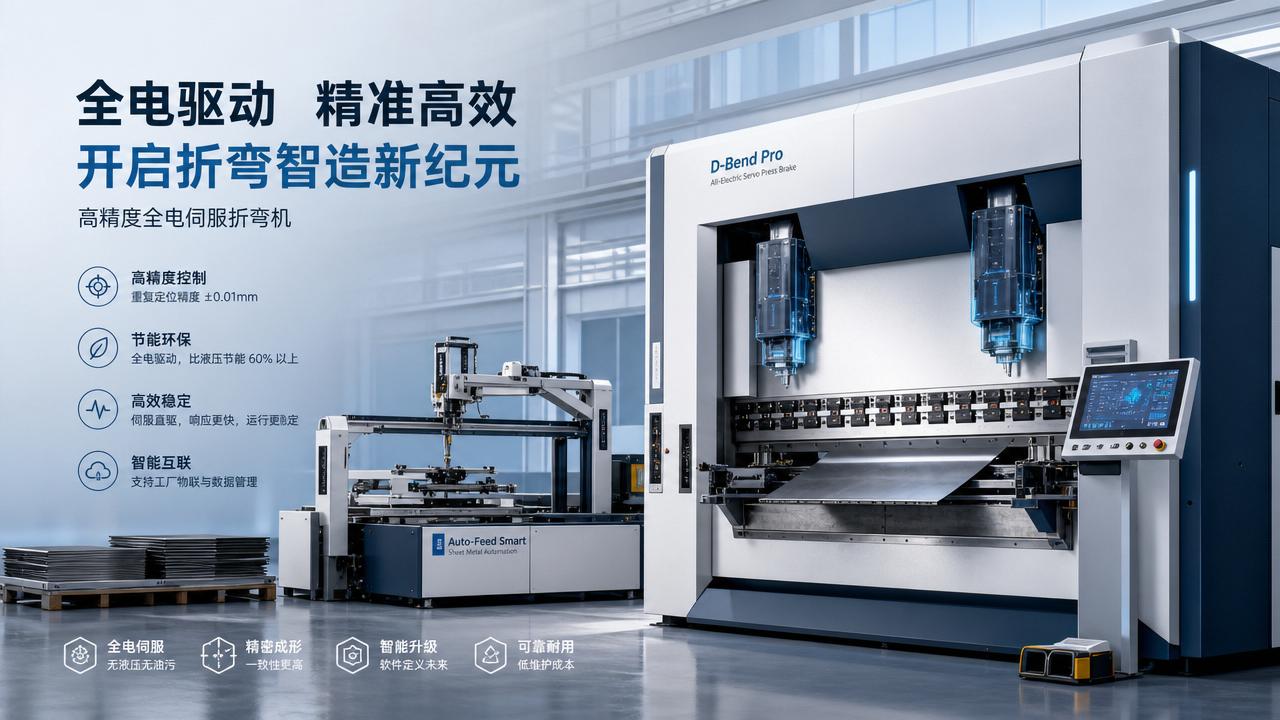
 All-Electric Press BrakesAll-Electric Servo Drives: Energy Savings vs Upgrade CostAnalyst :Precision Turning Architect
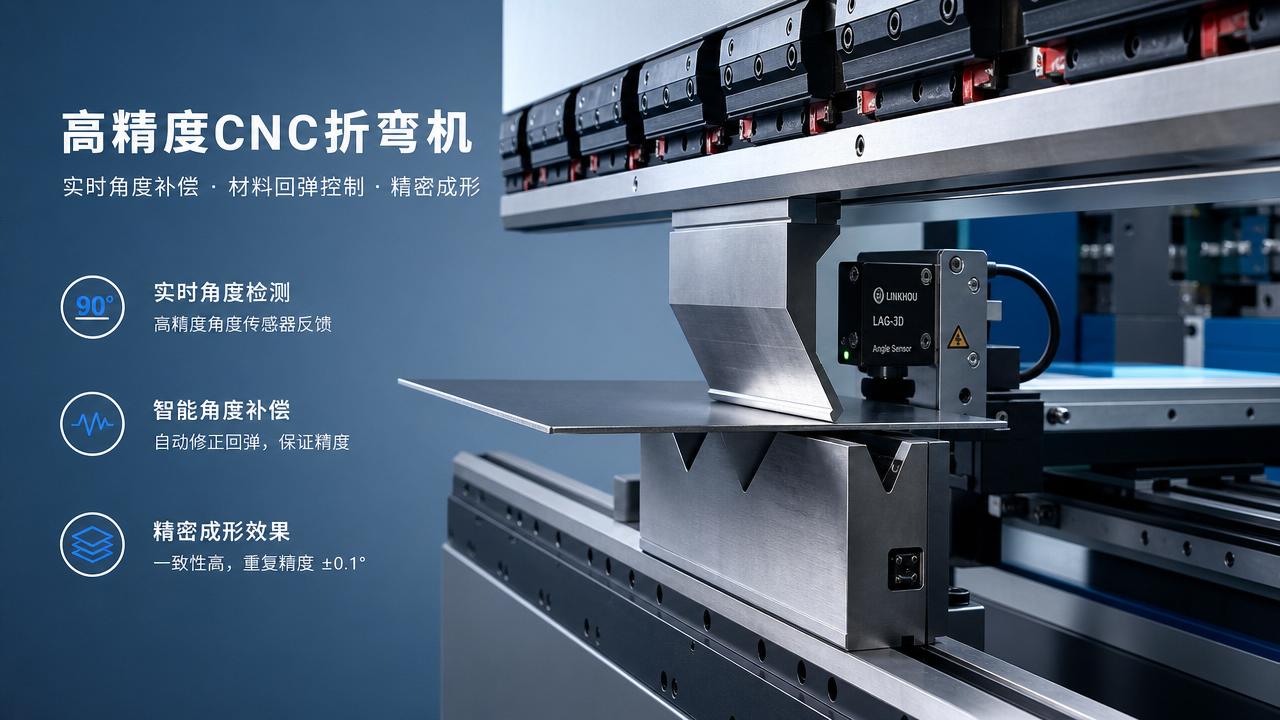
 All-Electric Press BrakesReal-Time Angle Compensation: What It Fixes and What It Doesn'tAnalyst :Precision Turning Architect
 Latest Sector NewsHigh-Strength Steel Machining: Tool Life Myths to AvoidAnalyst :Dr. Alistair Vaughn
 3D 5-Axis LaserComposite Material Cutting Without Delamination: Key MethodsAnalyst :
 Robotic Bending CellsAutomated Sheet Metal Forming: Hidden Setup Costs ComparedAnalyst :Precision Turning Architect