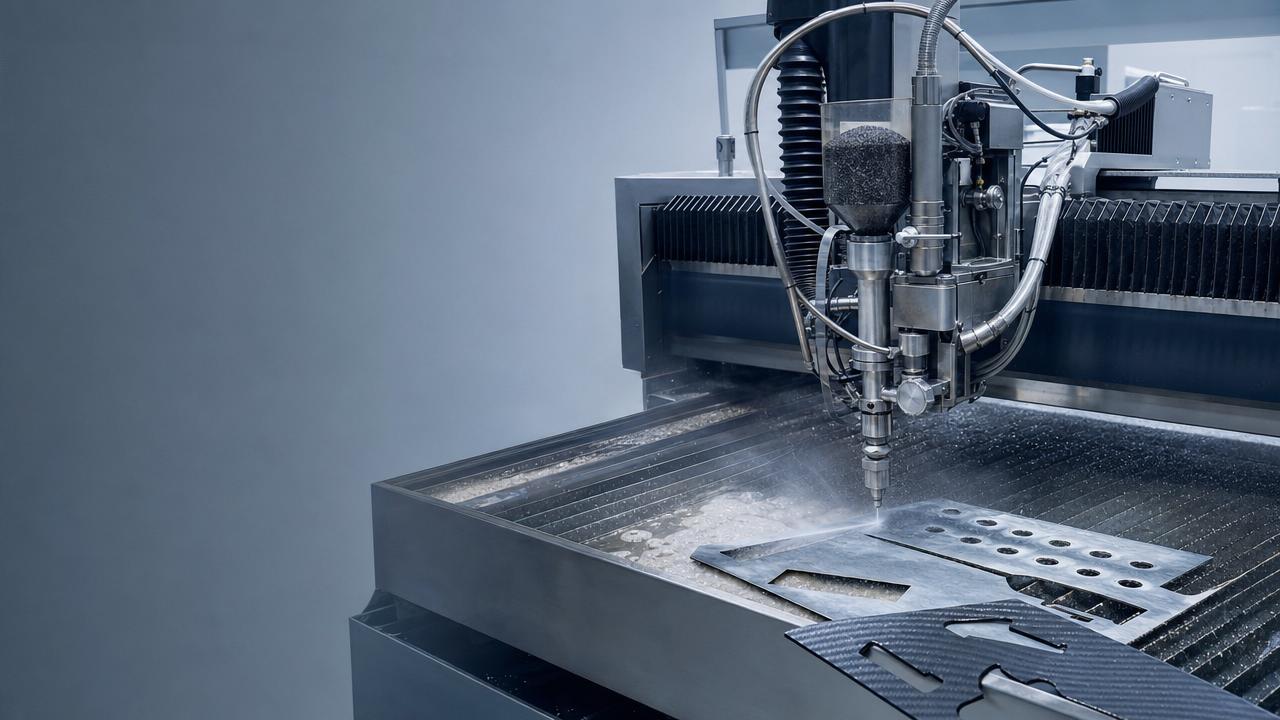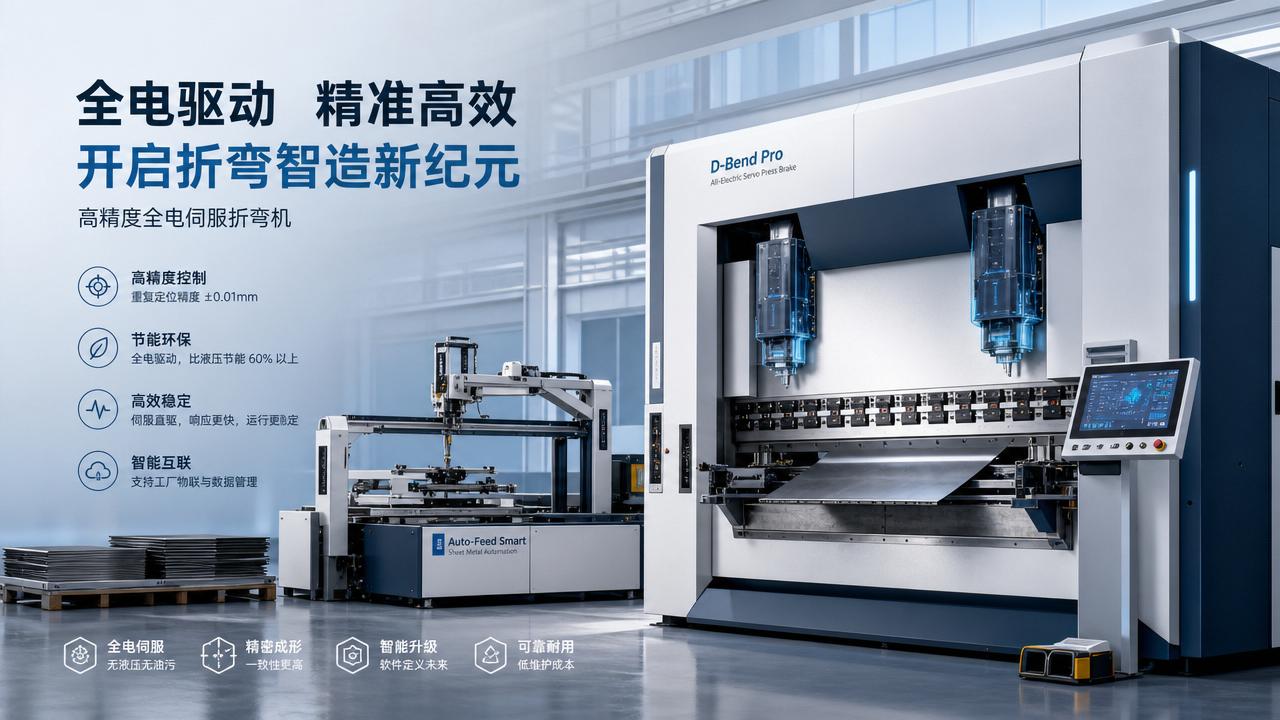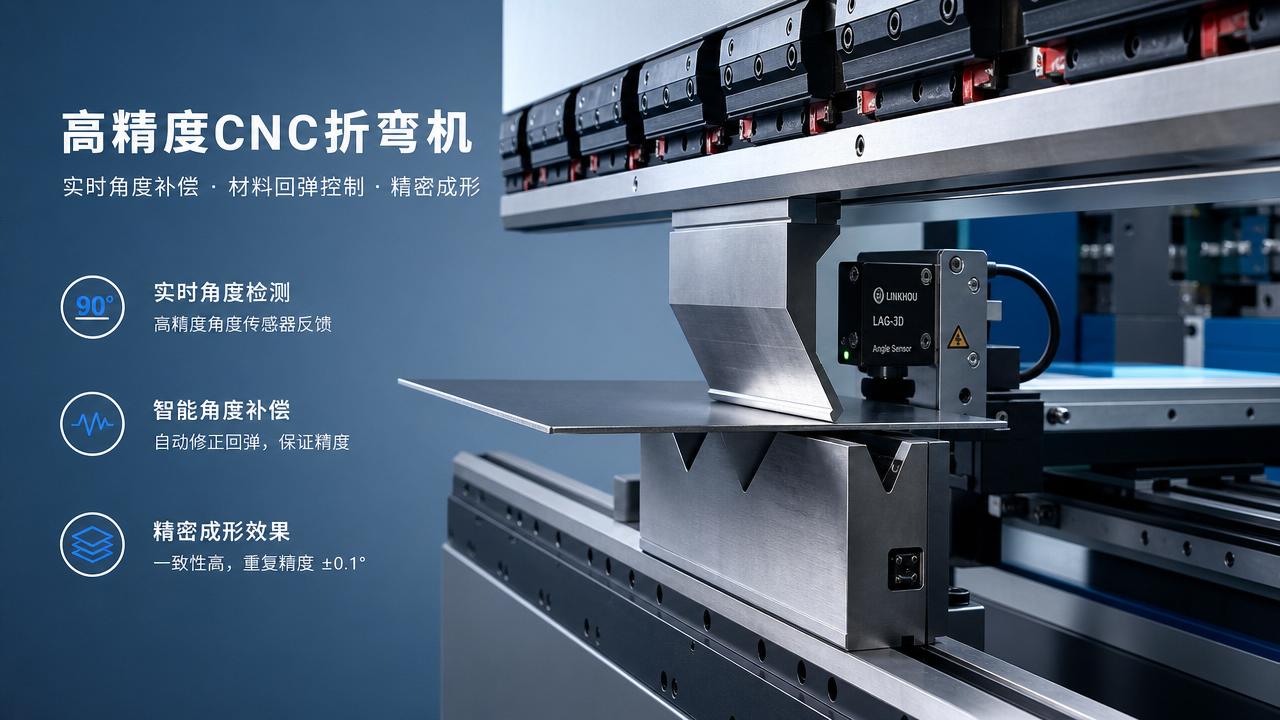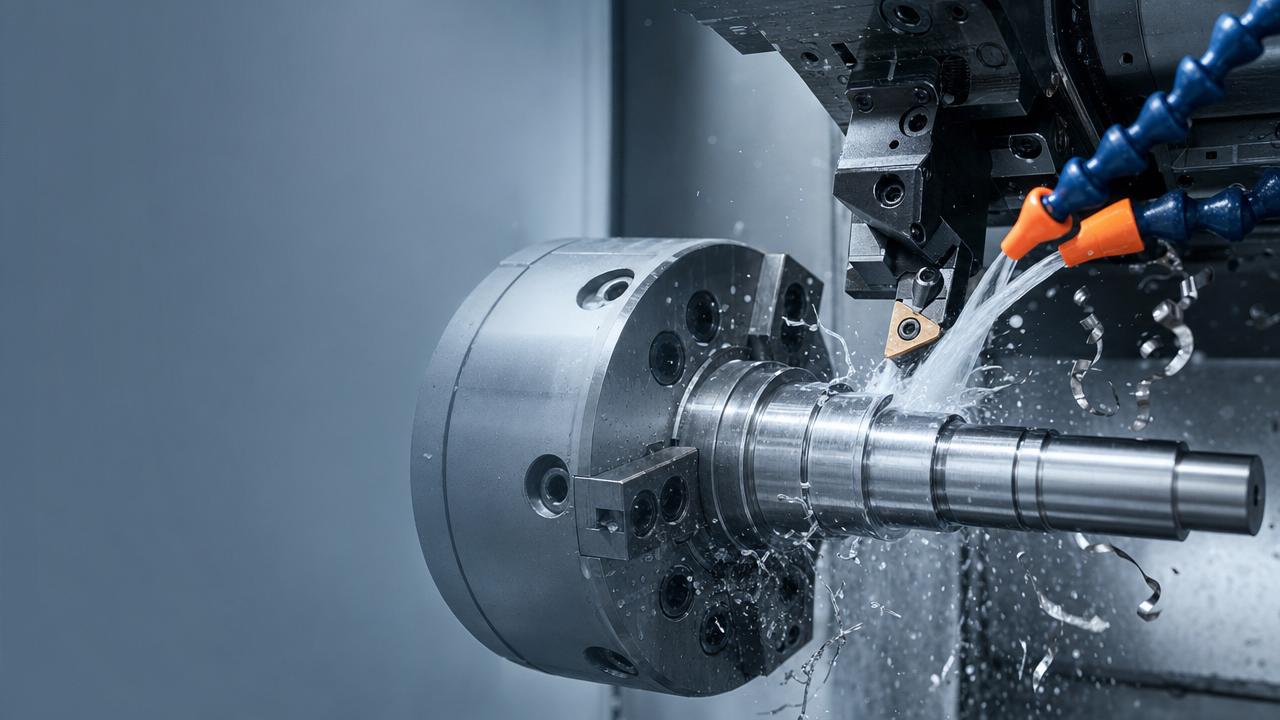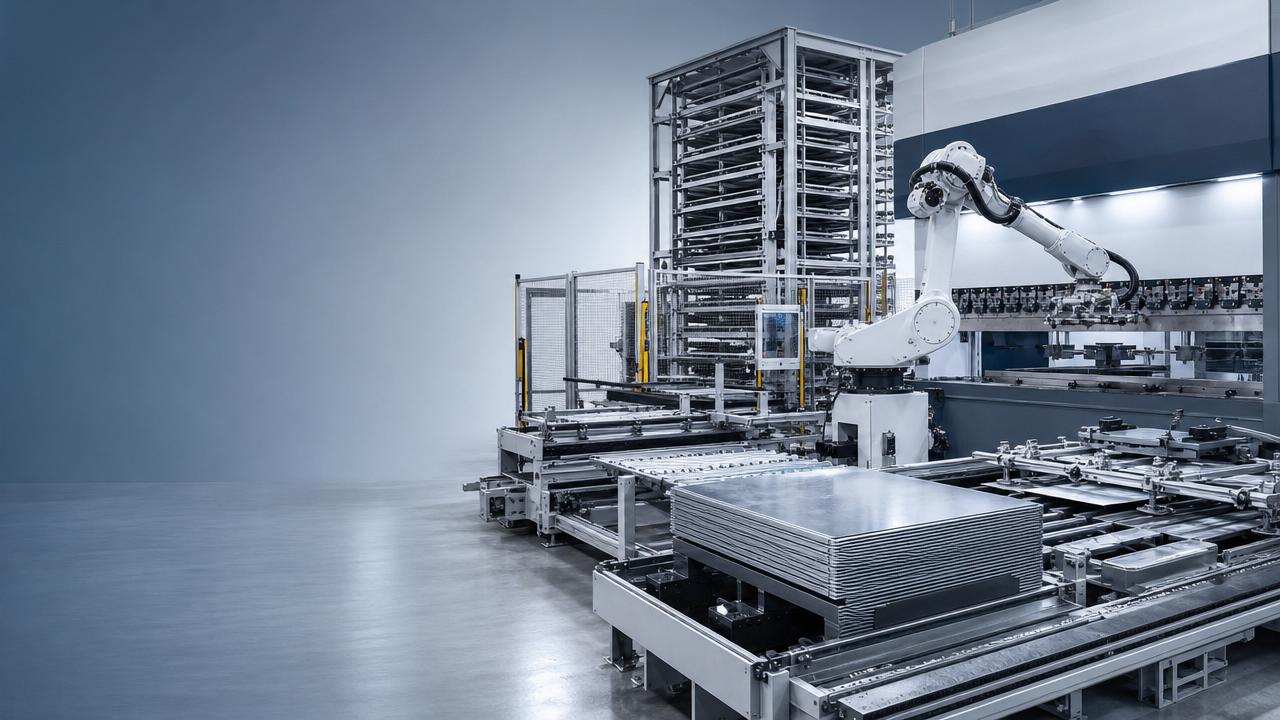
Choosing between CNC machining centers is no longer just a comparison of spindle speed, travel range, or price. For procurement teams, the real challenge is identifying which machine can deliver stable precision, process flexibility, automation readiness, and lifecycle value under demanding production conditions. Before committing capital, buyers must evaluate technical performance, control systems, rigidity, service support, and total cost of ownership with a clear, application-driven framework. This guide highlights the key factors that help you compare CNC machining centers confidently before making a purchase decision.
Start with the part family, not the machine catalog
The first mistake in comparing CNC machining centers is starting from brochures. A procurement decision should begin with real parts, materials, tolerances, and batch patterns.
Aerospace brackets, NEV aluminum housings, medical implants, die components, and high-strength steel fixtures do not impose the same demands on a machine structure.
What should procurement teams define first?
- Identify the maximum workpiece size, clamping method, and whether five-sided or full 5-axis machining is required.
- List key materials, including aluminum alloys, titanium, stainless steel, tool steel, cast iron, and composite-related fixtures.
- Define tolerance targets for positioning accuracy, repeatability, surface finish, roundness, and geometric consistency after long cycles.
- Estimate annual production volume, typical batch size, tool change frequency, and expected unmanned operating hours.
This application profile prevents overbuying a sophisticated platform or underbuying a machine that cannot hold accuracy in production.
Which CNC machining centers fit different production scenarios?
Different CNC machining centers solve different manufacturing problems. A vertical machine may be economical, while a 5-axis platform may reduce fixtures, setups, and cumulative errors.
The following comparison helps buyers match machine configuration with realistic shop-floor needs rather than relying on one headline specification.
This table shows why the “best” machine depends on part geometry and production rhythm. CNC machining centers should be compared through process fit, not prestige.
How should you evaluate accuracy, rigidity, and thermal behavior?
Accuracy is not a single number. Procurement teams should separate positioning accuracy, repeatability, volumetric accuracy, contouring accuracy, and long-cycle thermal drift.
For demanding CNC machining centers, micron-level performance depends on structure, feedback systems, compensation algorithms, spindle condition, and environment control.
Key accuracy questions before issuing a purchase order
- Ask whether accuracy data is measured under international test methods such as ISO 230 or equivalent acceptance procedures.
- Request sample cutting tests using a representative material, cycle time, tool length, and surface quality requirement.
- Confirm whether the machine uses linear scales, rotary encoders, ball screw compensation, or thermal error compensation.
- Evaluate whether the machine maintains geometry after warm-up, heavy cutting, and repeated tool changes.
Rigidity is equally important. A heavy machine is not automatically rigid; buyers must review casting design, guideway type, bearing support, and spindle overhang.
In titanium or high-strength steel machining, insufficient rigidity leads to chatter, premature tool wear, unstable dimensions, and hidden cost escalation.
Which technical parameters matter most in CNC machining centers?
Many quotations present long parameter lists, but not every number has equal purchasing value. Buyers should prioritize parameters linked to real machining risk.
The table below turns common specifications into practical procurement questions for CNC machining centers across general manufacturing, aerospace, and NEV applications.
A balanced specification package is more valuable than one impressive figure. CNC machining centers must work as integrated systems, not isolated components.
How do control systems and digital readiness affect lifecycle value?
The CNC system is the brain of a machining center. It affects toolpath execution, operator efficiency, diagnostics, networking, and automation expansion.
For 5-axis CNC machining centers, RTCP, dynamic fixture offset, collision avoidance, and high-speed look-ahead functions can directly influence usable precision.
Digital capabilities worth checking
- Machine data output for monitoring spindle load, alarm history, cycle time, idle time, and maintenance indicators.
- Compatibility with CAM workflows, post-processors, tool libraries, probing cycles, and simulation software.
- Support for robotic loading, pallet pools, automatic doors, part probing, and tool breakage detection.
- Cybersecurity and user access control when machines connect to factory networks or remote service channels.
Smart manufacturing is not only about installing sensors. It is about making data useful for quality control, planning, maintenance, and procurement accountability.
What should total cost of ownership include beyond purchase price?
The cheapest offer can become expensive when downtime, tooling mismatch, weak service, or low residual value appears after installation.
When comparing CNC machining centers, procurement teams should evaluate capital cost and operating cost together, especially under tight delivery schedules.
A realistic cost comparison should include output quality and machine availability. Lost production time can outweigh a modest discount very quickly.
How should buyers check compliance, acceptance, and supplier risk?
Compliance expectations vary by region and end market. Buyers should confirm machine safety, electrical documentation, export controls, and customer-specific quality requirements.
For aerospace, medical, NEV, and defense-adjacent supply chains, documentation discipline can be as important as the machine itself.
Practical compliance checklist
- Confirm applicable machine safety standards, guarding, emergency stops, interlocks, and electrical cabinet documentation.
- Review acceptance testing methods, including laser interferometer checks, ballbar testing, spindle inspection, and test cutting.
- Assess whether control systems, linear scales, or other core components face supply restrictions or extended lead times.
- Verify training materials, maintenance manuals, spare parts lists, and software license conditions before contract closure.
AMTS tracks global equipment policy, CNC system supply chains, and advanced manufacturing trends to help buyers avoid avoidable sourcing blind spots.
What does a disciplined purchasing process look like?
A structured process reduces subjective decision-making. It also aligns procurement, engineering, production, finance, and quality teams around measurable requirements.
The goal is not to create paperwork. It is to make sure CNC machining centers are evaluated under conditions close to actual production.
Recommended evaluation sequence
- Build an application brief covering parts, materials, tolerances, cycle targets, automation expectations, and available floor conditions.
- Shortlist suppliers based on machine architecture, installed references in similar applications, and local service capability.
- Request a complete quotation that includes options, accessories, software, training, delivery, installation, and acceptance conditions.
- Run sample machining or process simulation to verify toolpath performance, thermal behavior, surface finish, and dimensional stability.
- Score alternatives using weighted criteria, then negotiate contract terms, warranty coverage, spare parts, and delivery milestones.
This process gives procurement teams evidence for internal approval and protects against decisions driven mainly by sales presentations or short-term pricing.
Common mistakes when comparing CNC machining centers
Even experienced buyers can miss technical details that affect production months later. These mistakes usually emerge after the machine is already installed.
Mistake 1: judging only by maximum spindle speed
Maximum rpm matters for small tools and aluminum finishing, but torque at working speed often matters more for steel, titanium, and roughing operations.
Mistake 2: ignoring fixture and automation compatibility
A machine may meet travel requirements but still fail when fixtures, probes, robot grippers, or pallet systems are added to the process.
Mistake 3: accepting vague service promises
Service should be defined by response time, remote diagnostic capability, parts availability, technician coverage, and escalation procedures for critical failures.
FAQ for procurement teams comparing CNC machining centers
The following questions reflect common purchasing concerns when buyers compare capability, cost, delivery, and long-term operating risk.
How many axes should a new machining center have?
Choose axes based on part geometry and setup reduction. If complex surfaces or multi-face access dominate production, 5-axis capability may justify the higher investment.
What should be included in a sample cutting test?
Use representative material, actual tool holders, target tolerances, comparable coolant conditions, and inspection data. A simple demo part rarely proves production capability.
Is a linear scale necessary for all CNC machining centers?
Not always. Linear scales are valuable where high positioning accuracy, thermal compensation, and long-term repeatability are critical, especially for precision molds or aerospace parts.
How long does procurement and installation usually take?
Lead time depends on configuration, control system availability, accessories, logistics, and site preparation. Custom 5-axis or automated cells typically require longer coordination.
Why choose AMTS as your intelligence partner?
AMTS helps procurement teams interpret CNC machining centers through a technical and commercial lens, not only through supplier claims or catalog language.
Our focus covers 5-axis machining, CNC turning, laser cutting, press brakes, and waterjet technologies across the advanced manufacturing foundation.
You can consult AMTS when confirming machine parameters, comparing configurations, assessing automation readiness, reviewing certification needs, or preparing supplier evaluation criteria.
We can also support discussions on delivery cycles, sample machining expectations, customized production scenarios, quotation structure, and lifecycle cost comparison.
For buyers facing aerospace precision, NEV lightweighting, high-strength materials, or dark-factory planning, AMTS provides structured insight for confident capital decisions.
Product Recommendations
 Abrasive Delivery SystemsIndustrial Waterjet Cutters: Abrasive Costs That Erode MarginsAnalyst :5-Axis Machining Scientist
 All-Electric Press BrakesAll-Electric Servo Drives: Energy Savings vs Upgrade CostAnalyst :Precision Turning Architect
 All-Electric Press BrakesReal-Time Angle Compensation: What It Fixes and What It Doesn'tAnalyst :Precision Turning Architect
 Latest Sector NewsHigh-Strength Steel Machining: Tool Life Myths to AvoidAnalyst :Dr. Alistair Vaughn
 3D 5-Axis LaserComposite Material Cutting Without Delamination: Key MethodsAnalyst :
 Robotic Bending CellsAutomated Sheet Metal Forming: Hidden Setup Costs ComparedAnalyst :Precision Turning Architect