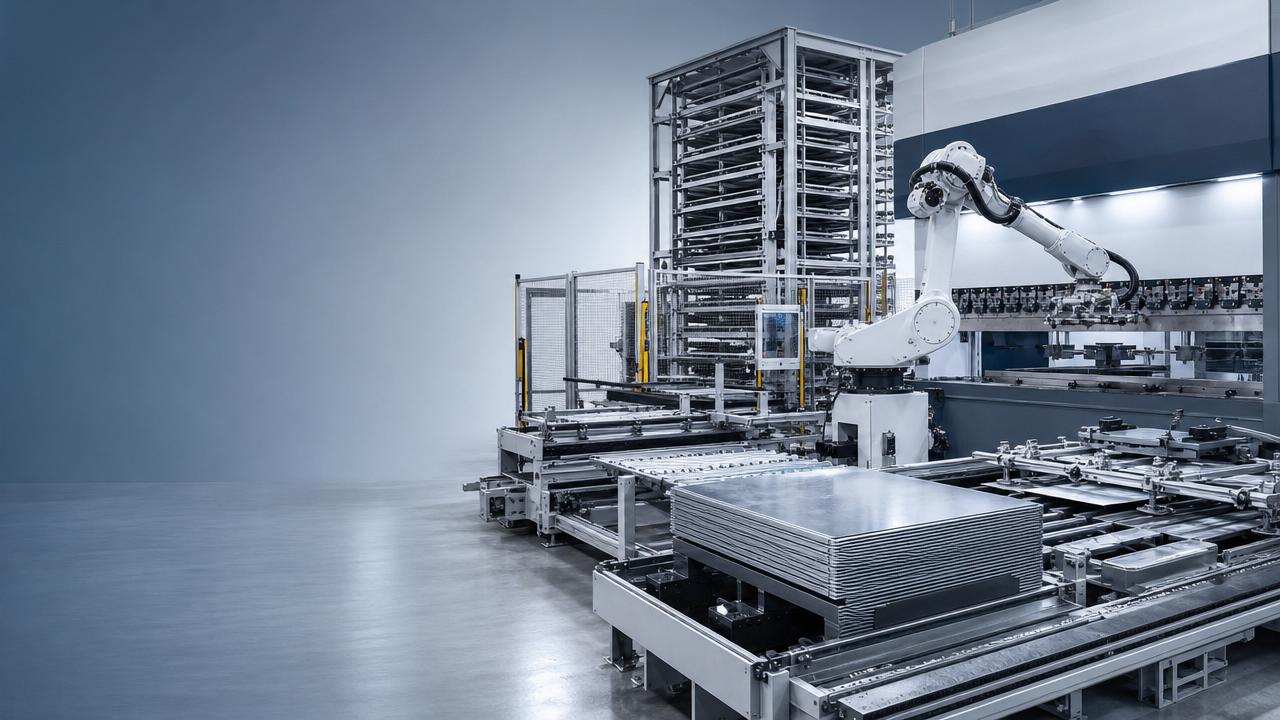
How to Select Smart Factory Equipment with Data, Integration, and ROI Discipline
Selecting smart factory equipment is no longer a purely technical purchase—it is a business decision tied to data quality, system integration, and measurable ROI.
For evaluation teams comparing CNC machining centers, laser cutters, press brakes, waterjet systems, or automated cells, the real question is whether each asset can connect reliably, improve throughput, reduce variation, and support future factory intelligence.
This guide frames equipment selection around practical checks that help decision-makers balance precision capability, digital readiness, lifecycle cost, and strategic value.
What Business Evaluators Are Really Trying to Decide
Most buyers searching for smart factory equipment are not looking for a generic definition. They are trying to reduce investment risk before committing capital.
The central question is whether a machine will deliver higher productivity, better quality control, and usable data without creating integration complexity or hidden operating costs.
For advanced manufacturing, the stakes are higher because equipment accuracy, thermal stability, automation readiness, and software openness directly affect commercial competitiveness.
A five-axis machining center, fiber laser cutter, CNC press brake, or waterjet system should therefore be assessed as both production asset and data source.
The best selection process does not start with the brochure. It starts with production bottlenecks, quality losses, labor constraints, customer requirements, and payback assumptions.
Start with the Business Case, Not the Machine Specification
Before comparing brands or configurations, evaluation teams should define the operational problem the investment must solve in measurable business terms.
Examples include reducing setup time, improving first-pass yield, raising spindle utilization, lowering scrap, supporting unattended shifts, or meeting tighter aerospace tolerances.
For NEV and lightweighting applications, the case may involve higher-volume aluminum machining, stable laser cutting of thin sheet, or flexible forming of mixed materials.
Each objective should have a baseline. Without current cycle time, defect rate, labor hours, energy use, and maintenance cost, ROI becomes a sales discussion.
A strong business case also separates must-have capabilities from attractive options. This prevents overbuying technology that looks advanced but adds little economic value.
Check Precision Capability Against Real Production Conditions
Precision should be evaluated under realistic operating conditions, not only through ideal test cuts or factory acceptance demonstrations with simplified workpieces.
For five-axis CNC equipment, examine volumetric accuracy, RTCP performance, thermal compensation, spindle stability, and repeatability across complex curved surfaces.
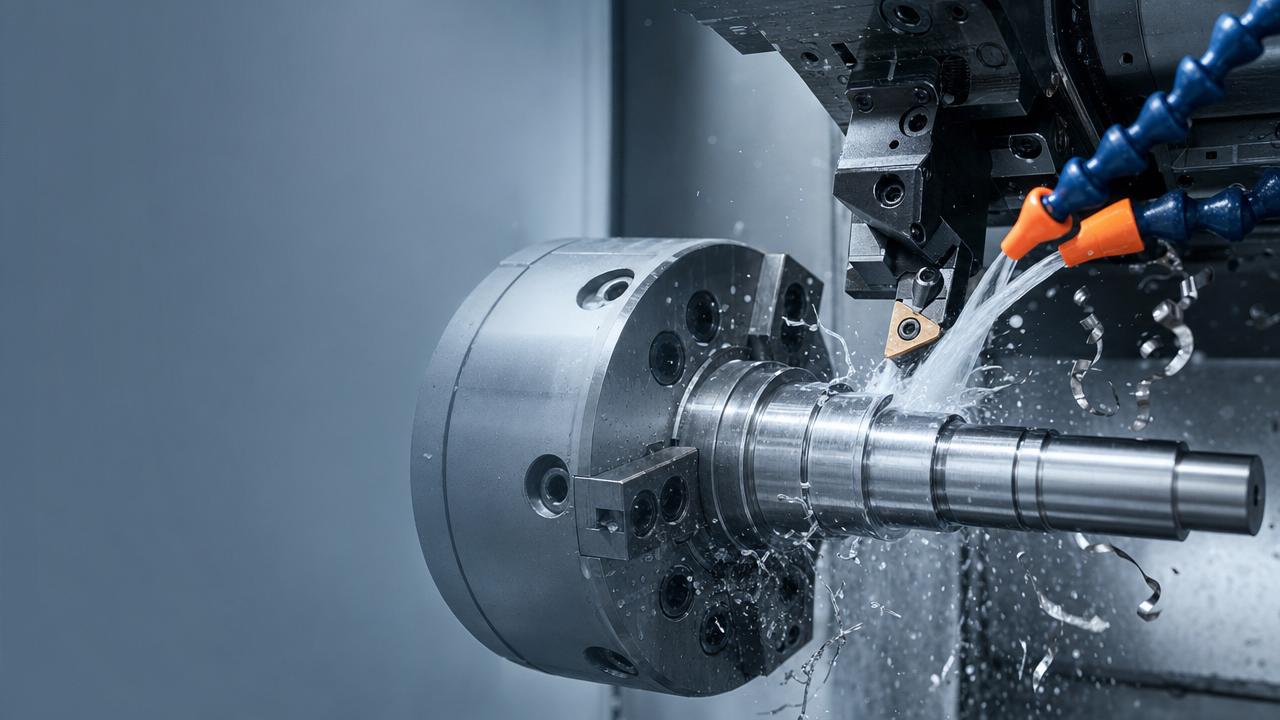
For CNC lathes, consider rigidity, turret indexing accuracy, bar-feeding compatibility, and stability during long production runs with tight cylindrical tolerances.
For laser cutting systems, verify edge quality, kerf consistency, pierce reliability, nesting efficiency, and performance across thickness ranges used in your factory.
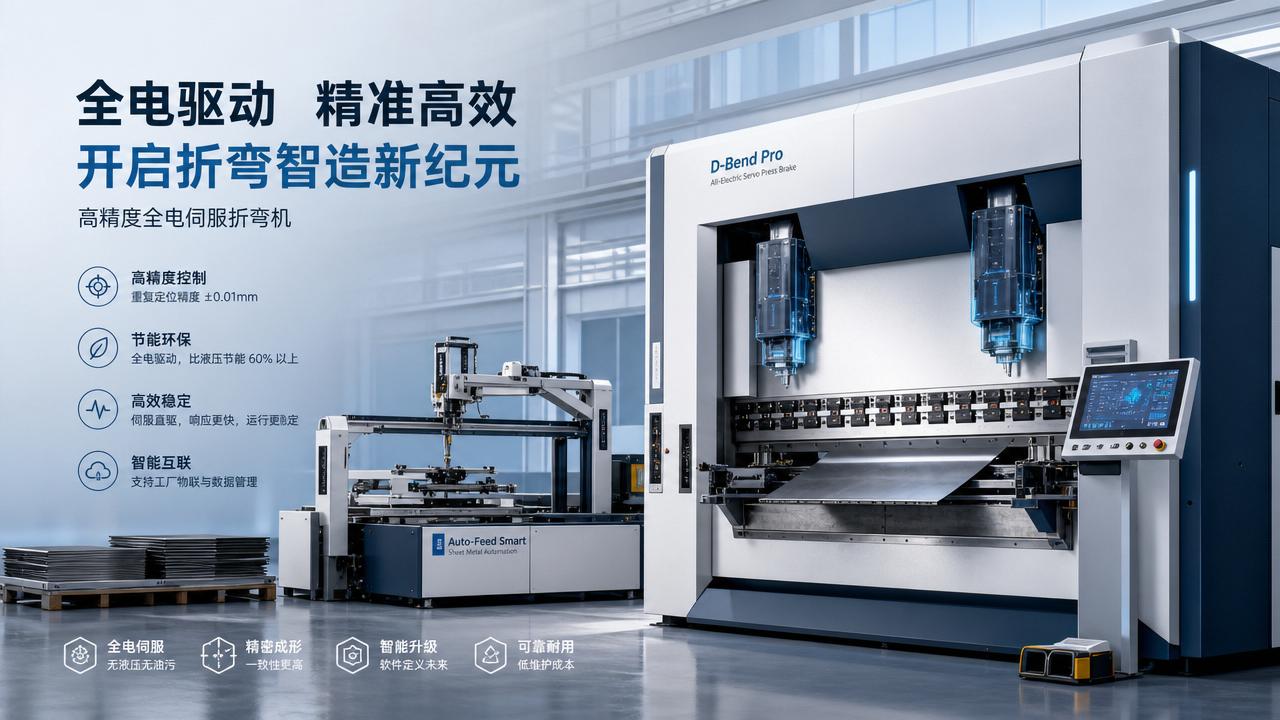
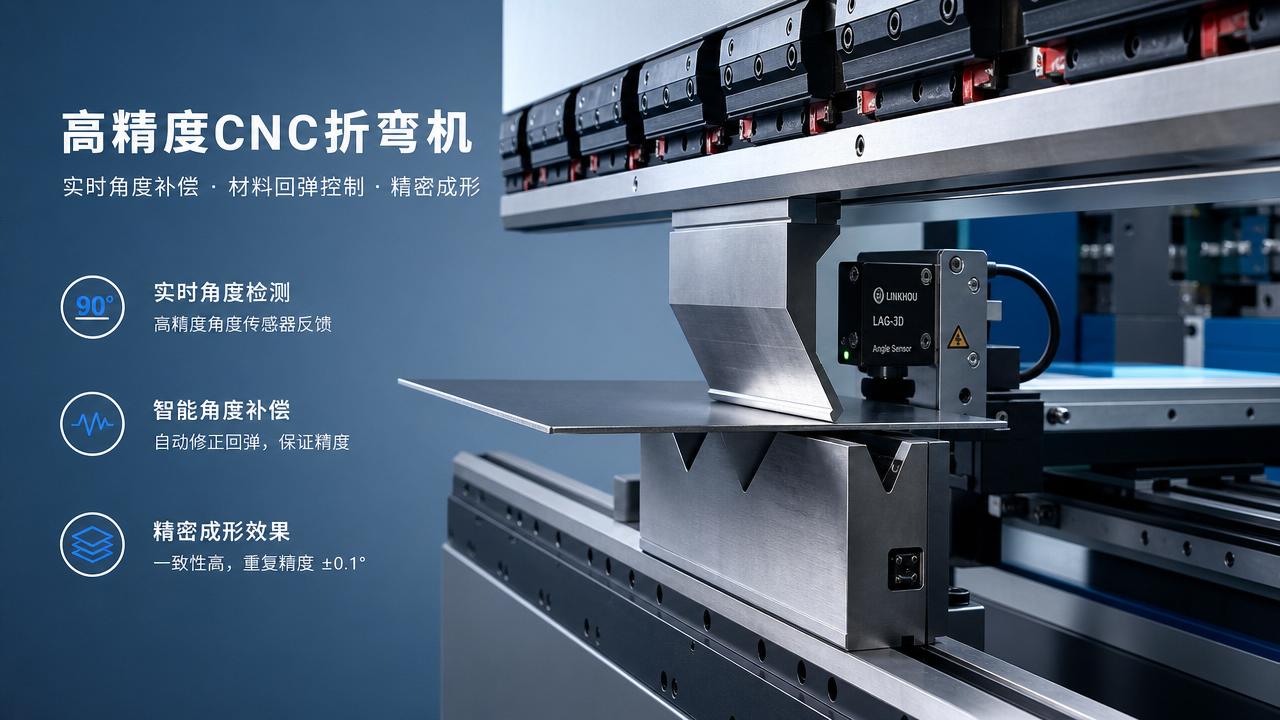
For press brakes, angle consistency, backgauge accuracy, crowning control, and material compensation are more important than nominal tonnage alone.
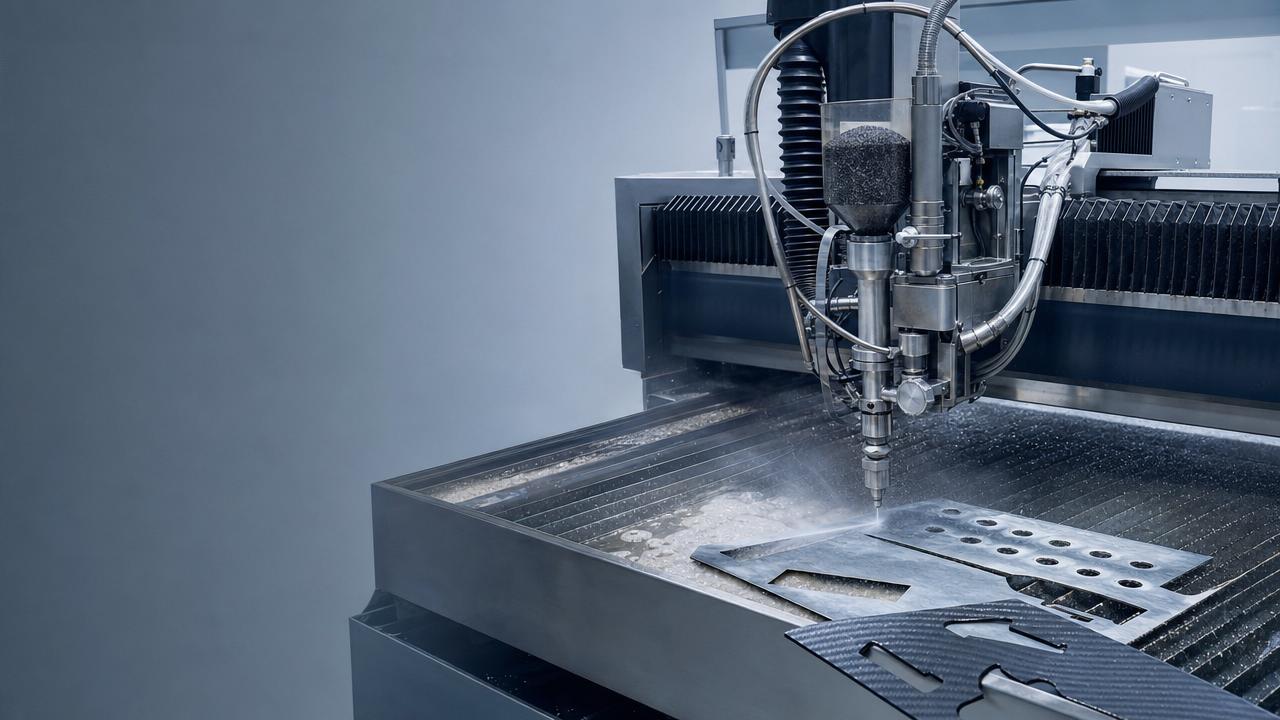
For waterjet cutters, assess cut taper, pump reliability, abrasive consumption, and performance on heat-sensitive composites where no heat-affected zone is critical.
Make Data Quality a Core Selection Criterion
Smart factory equipment is only useful if it produces accurate, timely, contextualized data that business and engineering teams can trust.
Many machines can display dashboards, but not all can provide structured data suitable for production analytics, maintenance prediction, or quality traceability.
Evaluation teams should ask which data points are available, how often they are sampled, and whether data can be exported through standard interfaces.
Important signals include spindle load, axis position, alarms, tool life, energy consumption, part count, cycle status, program name, and quality-related measurements.
Data without context has limited value. A machine alarm becomes more useful when linked to part number, operator, tool, batch, and production order.
For high-precision manufacturing, sensor reliability and calibration discipline matter because poor data can lead to wrong decisions and false confidence.
Evaluate Integration Before You Sign the Purchase Order
Integration is where many smart factory equipment projects lose momentum. A technically excellent asset can underperform if it becomes an isolated island.
Business evaluators should confirm compatibility with MES, ERP, PLM, quality management systems, tool management platforms, and plant-level monitoring software.
Ask whether the equipment supports protocols such as OPC UA, MTConnect, Ethernet/IP, Modbus TCP, or vendor APIs with documented access.
Closed systems may simplify initial deployment but create long-term dependency. Open and documented connectivity usually improves scalability and supplier flexibility.
Integration also includes physical automation. Robotic loading, pallet pools, automatic tool changers, conveyor systems, and safety fencing must fit the production flow.
For sheet metal operations, press brake automation should be evaluated with part mix, gripper design, offline programming, and bend sequence complexity.
Look Beyond Automation Claims to Real Workflow Impact
Automation should not be judged by whether robots are present. It should be judged by whether the whole workflow becomes faster and more stable.
A robotic cell that reduces manual loading but increases programming time may not improve overall equipment effectiveness in a high-mix environment.
For machining centers, palletization can create major gains when setup strategy, fixture repeatability, tool availability, and inspection routines are aligned.
For laser cutting, automation value depends on material handling, nesting software, remnant management, part sorting, and downstream bending capacity.
For waterjet systems, unattended operation may be limited by abrasive management, nozzle wear, material support, and process monitoring capability.
The best automation decisions are based on value stream analysis. They remove bottlenecks rather than simply replacing visible manual work.
Build a Practical ROI Model with Lifecycle Cost
ROI should include more than purchase price and expected output. Smart factory equipment has operating, integration, training, maintenance, and upgrade costs.
Core cost categories include machine price, tooling, fixtures, software licenses, automation accessories, foundation work, utilities, spare parts, and service contracts.
Operational costs should include energy consumption, cutting gas, abrasives, coolant, consumables, preventive maintenance, downtime risk, and operator skill requirements.
Revenue-side benefits may include increased capacity, shorter lead times, premium quality capability, lower scrap, reduced rework, and access to higher-value customers.
For business evaluation, payback should be tested under conservative, expected, and aggressive scenarios rather than a single optimistic sales forecast.
A useful ROI model also considers utilization. Expensive smart factory equipment only creates value when demand, scheduling, and upstream supply support its capacity.
Ask Vendors for Proof, Not Only Promises
Vendor comparison should focus on evidence. Technical claims become credible when supported by application references, benchmark data, service records, and integration examples.
Ask vendors to demonstrate performance using your materials, tolerances, part geometry, batch size, and expected production rhythm whenever possible.
For CNC systems, request evidence of accuracy retention, thermal behavior, controller capability, post-processor maturity, and toolpath performance on complex surfaces.
For laser equipment, compare real cutting charts, gas consumption, maintenance intervals, lens protection systems, and service response in your region.
For press brakes, ask for bend accuracy data across material thickness variations, not only demonstrations on clean sample parts.
For waterjet cutters, check pump uptime, abrasive consumption rates, nozzle life, and support experience with your specific material types.
Assess Service, Skills, and Organizational Readiness
Even advanced equipment can disappoint if the organization lacks programming skills, maintenance discipline, process engineering, or data governance.
Evaluation teams should identify who will program, operate, maintain, troubleshoot, and analyze the machine once it enters production.
Training should cover more than basic operation. It should include process optimization, alarm handling, preventive maintenance, data interpretation, and safety procedures.
Service capability is equally important. A machine with excellent specifications but weak local support can create unacceptable downtime risk.
For critical production assets, evaluate spare parts availability, remote diagnostics, response time commitments, technician competence, and escalation procedures.
Organizational readiness also includes cybersecurity and data ownership. Connected equipment should be protected without blocking legitimate production visibility.
Match Equipment Choice to Production Scenario
No single smart factory equipment configuration fits every manufacturer. Selection should reflect product mix, tolerance level, volume, material, and labor environment.
High-mix, low-volume producers may value fast changeover, offline programming, flexible fixturing, and open integration more than maximum peak speed.
High-volume producers may prioritize automation reliability, cycle-time stability, predictive maintenance, and repeatable quality control across multiple shifts.
Aerospace suppliers often need traceability, five-axis accuracy, exotic material capability, and documented process control that satisfies demanding customer audits.
NEV supply chains may emphasize lightweight metal processing, scalable sheet metal automation, aluminum machining throughput, and rapid adaptation to design changes.
Medical and precision component producers may focus on micron-level consistency, clean data records, and tightly controlled tool wear compensation.
Create a Selection Scorecard for Decision Discipline
A structured scorecard helps business evaluators compare alternatives objectively and avoid decisions driven by price pressure or impressive demonstrations.
Recommended categories include precision performance, throughput impact, data availability, integration openness, automation readiness, lifecycle cost, service capability, and supplier credibility.
Each category should be weighted according to business objectives. A factory pursuing unattended production may weight integration and automation higher.
A supplier serving aerospace customers may assign greater weight to accuracy, process documentation, calibration support, and quality traceability.
The scorecard should also include disqualifiers. Examples include unsupported communication protocols, inadequate service coverage, unstable process results, or unclear data ownership.
When multiple stakeholders score independently, differences reveal hidden assumptions and help align finance, operations, engineering, and quality teams.
Common Mistakes That Reduce Smart Factory ROI
One common mistake is buying advanced equipment before fixing basic production data, tooling discipline, maintenance routines, or scheduling reliability.
Another mistake is assuming a machine is smart because it has a screen, dashboard, or remote access function.
Smart value comes from actionable information, reliable control, and connected workflows, not from decorative digital features with limited operational use.
Some buyers underbudget integration and training, then wonder why the machine performs below its promised productivity level.
Others pursue maximum specification when a more balanced configuration would deliver better payback, lower complexity, and easier adoption.
The most damaging mistake is treating equipment selection as a one-time purchase rather than a lifecycle decision affecting competitiveness for years.
Final Checklist Before Approving the Investment
Before final approval, confirm that the selected equipment solves a defined bottleneck and has a measurable path to operational improvement.
Verify that the machine can meet required tolerances under realistic materials, part geometry, production rhythm, and environmental conditions.
Confirm that necessary data is available, accurate, contextualized, and accessible through interfaces compatible with your factory architecture.
Review the total cost of ownership, including consumables, tooling, software, training, integration, maintenance, energy, downtime, and future upgrades.
Validate vendor support through references, regional service coverage, spare parts commitments, application expertise, and documented response processes.
Finally, test the ROI case against conservative assumptions. If the investment still makes sense, the decision is far more resilient.
Conclusion: Select for Precision, Connectivity, and Business Value
Smart factory equipment selection should combine engineering rigor with financial discipline. The best asset is not always the most advanced machine.
The right choice is the equipment that improves production performance, generates trustworthy data, integrates with systems, and supports future automation strategy.
For business evaluators, the key is to move beyond headline specifications and examine real workflow impact, lifecycle cost, and supplier accountability.
When precision capability, data readiness, integration openness, and ROI logic align, equipment investment becomes a foundation for smarter manufacturing competitiveness.
In that sense, smart factory equipment is not simply purchased. It is selected as part of a long-term operating model for precision, intelligence, and growth.