For finance decision-makers, the issue is practical: is automated sheet metal forming worth the setup cost in real production conditions? The answer depends on part mix, labor pressure, quality targets, and scheduling discipline.
In many fabrication environments, automated sheet metal forming lowers unit cost by reducing touch time, scrap, rework, and production delays. Yet not every workshop, product family, or growth plan justifies the same investment path.
This article examines where automated sheet metal forming creates measurable returns, where setup cost can outweigh benefits, and how to judge fit through real operating scenarios rather than sales claims.
Why the setup cost question changes by production scenario
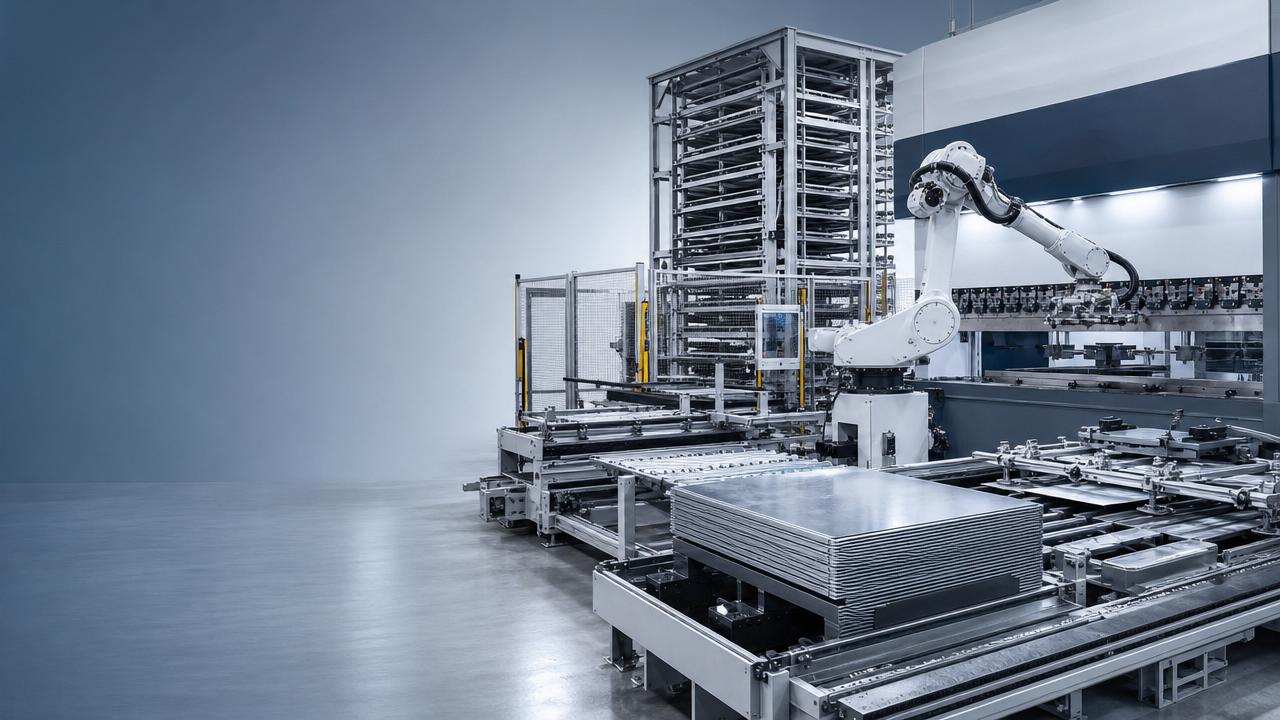
Automated sheet metal forming includes robotic loading, angle measurement, offline programming, tool libraries, material handling, and integrated press brake control. Setup cost therefore includes more than the machine price alone.
The real comparison is not manual versus automated bending in theory. It is the total cost of producing a stable volume of acceptable parts, on time, with predictable labor and material usage.
A low-volume prototype line may value flexibility most. A high-volume enclosure line may value consistency, labor substitution, and unattended shifts. The same automated sheet metal forming cell can look expensive in one case and obvious in another.
This is why AMTS and similar advanced manufacturing intelligence platforms often frame equipment decisions around application fit, not technology appeal. Precision, throughput, and integration matter only when linked to business demand.
Scenario 1: High-volume repeat parts usually justify automated sheet metal forming faster
The clearest return appears in repeatable part families with stable tooling and long production runs. Electrical cabinets, appliance panels, EV brackets, shelving components, and HVAC parts often fit this profile.
Here, automated sheet metal forming reduces repetitive handling and operator dependency. A robot can load, position, and unload consistently. Angle control and recipe management reduce first-piece drift and operator variation.
When annual volume is high, even small cycle-time gains compound quickly. Saving ten seconds per part can create major annual capacity increases. That can defer additional equipment purchases or overtime costs.
Scrap reduction also matters. Manual forming errors often come from orientation mistakes, inconsistent backgauge use, or fatigue across long shifts. Automated sheet metal forming can remove many of these repeatable error sources.
Core judgment points in repeat-production environments
- Part demand remains stable for 12 months or longer.
- Tooling changes are limited and predictable.
- Labor availability is tight or costly.
- Quality penalties for angle variation are significant.
- Night shift or lights-out production is a realistic target.
Scenario 2: Mixed-model, medium-volume production needs careful ROI analysis
Many job shops and diversified industrial suppliers do not run long batches. They switch between materials, bend sequences, and geometries throughout the week. In this setting, automated sheet metal forming can still work, but only with strong process discipline.
The return depends on offline programming quality, standard tooling strategy, barcode-driven work instructions, and material flow planning. Without these, robot idle time can erase expected gains.
For medium-volume production, setup reduction is often more important than raw bending speed. If an automated sheet metal forming cell can shorten changeovers and stabilize first-pass yield, ROI may still be attractive.
However, if every part requires custom grippers, frequent manual intervention, or complex reprogramming, setup cost may take too long to recover. Flexibility must be proven, not assumed.
What makes automation work in mixed-model environments
- Common part families with similar dimensions or bend logic.
- A shared tooling library across orders.
- Reliable digital drawings and revision control.
- Offline simulation before production release.
- Planned batching to reduce random switching.
Scenario 3: Prototype and low-volume custom work often benefit less
Low-volume custom production can expose the limits of automated sheet metal forming economics. Aerospace fixtures, one-off enclosures, specialized medical carts, and maintenance parts may change too often for efficient automation.
In such cases, skilled manual or semi-automated press brake work may remain the better option. Human adaptability can beat robotic consistency when every job introduces unusual bends, material behavior, or urgent revisions.
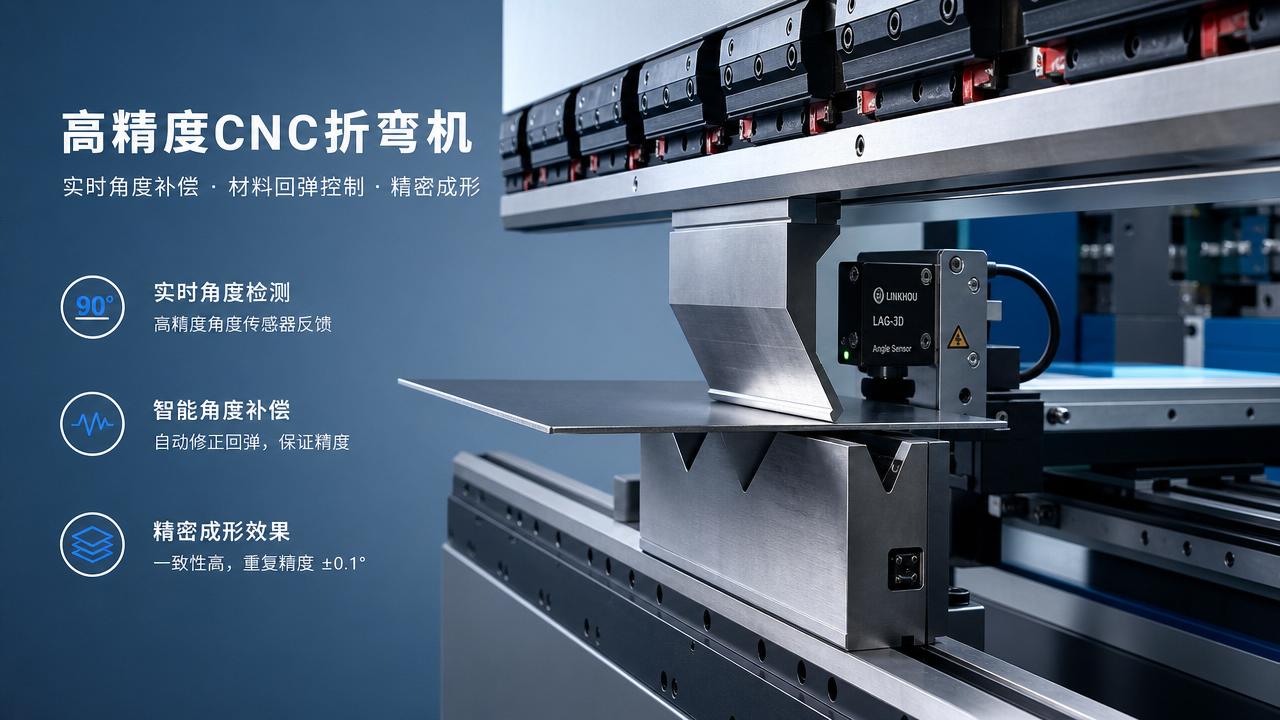
This does not mean automation has no place. Automated angle measurement, digital setup guidance, and tool recognition can still improve performance without requiring a full robotic cell.
The best answer may be phased automation. Start with software, sensing, and standardization. Add robotic handling later when repeatable demand appears.
Scenario differences that most affect setup cost recovery
The following comparison shows why automated sheet metal forming produces different outcomes across production scenarios.
How to estimate ROI for automated sheet metal forming with fewer blind spots
A useful ROI model should include direct and hidden variables. Many calculations focus on labor alone and ignore material waste, quality escape cost, scheduling friction, and output reliability.
Include these cost and gain categories
- Capital cost for machine, robot, tooling, software, and integration.
- Training, maintenance, and spare parts.
- Cycle-time reduction and capacity release.
- Labor redeployment, not only labor elimination.
- Scrap, rework, and quality complaint reduction.
- Revenue gains from faster delivery or added production windows.
It is also wise to model utilization in conservative, expected, and optimistic cases. Automated sheet metal forming becomes compelling when acceptable payback survives the conservative scenario.
Practical ROI questions worth answering first
- What percentage of current bends can run unattended?
- How many annual hours are lost to setup and rework today?
- Which parts create the highest scrap or late-delivery cost?
- Can production planning support stable batching?
- Is downstream welding, assembly, or coating ready for higher output?
Where companies often misjudge automated sheet metal forming
One common mistake is buying for headline speed. Maximum strokes per minute mean little if material flow, tooling organization, and program readiness remain weak.
Another mistake is assuming automation removes process variability by itself. Poor drawings, uncontrolled material springback, and inconsistent blank quality still create problems.
Some operations also overlook integration cost. Automated sheet metal forming performs best when linked with laser cutting, part identification, storage, and production software. Isolated automation often underdelivers.
Finally, there is the utilization trap. A sophisticated cell with low scheduling discipline can spend too much time waiting, changing tools, or handling unsuitable parts. In that case, the setup cost becomes hard to defend.
A staged adoption path usually lowers risk
The strongest approach is often incremental. Begin by mapping bend families, tooling commonality, and first-pass yield losses. Then identify where automated sheet metal forming would solve a repeatable, expensive bottleneck.
Possible stages include digital tooling management, angle sensing, offline programming, semi-automatic handling, and finally full robotic cells. Each stage builds data and process stability for the next investment step.
This approach fits the broader smart manufacturing logic highlighted across advanced equipment sectors. Precision machines create more value when software, process control, and application intelligence mature together.
Final judgment: when automated sheet metal forming is worth the setup cost
Automated sheet metal forming is usually worth the setup cost when demand is repeatable, labor is constrained, quality consistency matters, and the production system can keep the cell busy.
It is less attractive when product mix is highly unstable, digital process control is weak, and annual utilization is too low. In those situations, selective automation may create better returns than full automation.
The best next step is to analyze actual part families, setup losses, and scrap patterns before comparing equipment options. That turns automated sheet metal forming from a technology debate into a measurable investment case.
For organizations tracking advanced fabrication trends, AMTS provides useful context on press brakes, flexible forming systems, laser integration, and smart factory evolution. Better intelligence leads to better capital decisions.
Product Recommendations
 Abrasive Delivery SystemsIndustrial Waterjet Cutters: Abrasive Costs That Erode MarginsAnalyst :5-Axis Machining Scientist
 All-Electric Press BrakesAll-Electric Servo Drives: Energy Savings vs Upgrade CostAnalyst :Precision Turning Architect
 All-Electric Press BrakesReal-Time Angle Compensation: What It Fixes and What It Doesn'tAnalyst :Precision Turning Architect
 Latest Sector NewsHigh-Strength Steel Machining: Tool Life Myths to AvoidAnalyst :Dr. Alistair Vaughn
 3D 5-Axis LaserComposite Material Cutting Without Delamination: Key MethodsAnalyst :
 Robotic Bending CellsAutomated Sheet Metal Forming: Hidden Setup Costs ComparedAnalyst :Precision Turning Architect