Is high-strength steel machining worth the extra cycle time when every capital decision must show measurable return? For finance approvers, the answer depends on total cost, part performance, scrap risk, and downstream reliability. This article examines how high-strength steel machining can increase processing time yet reduce failure costs, improve lifecycle value, and strengthen competitiveness in aerospace, EV, and precision manufacturing programs.
Why does high-strength steel machining take longer, and why does that matter financially?
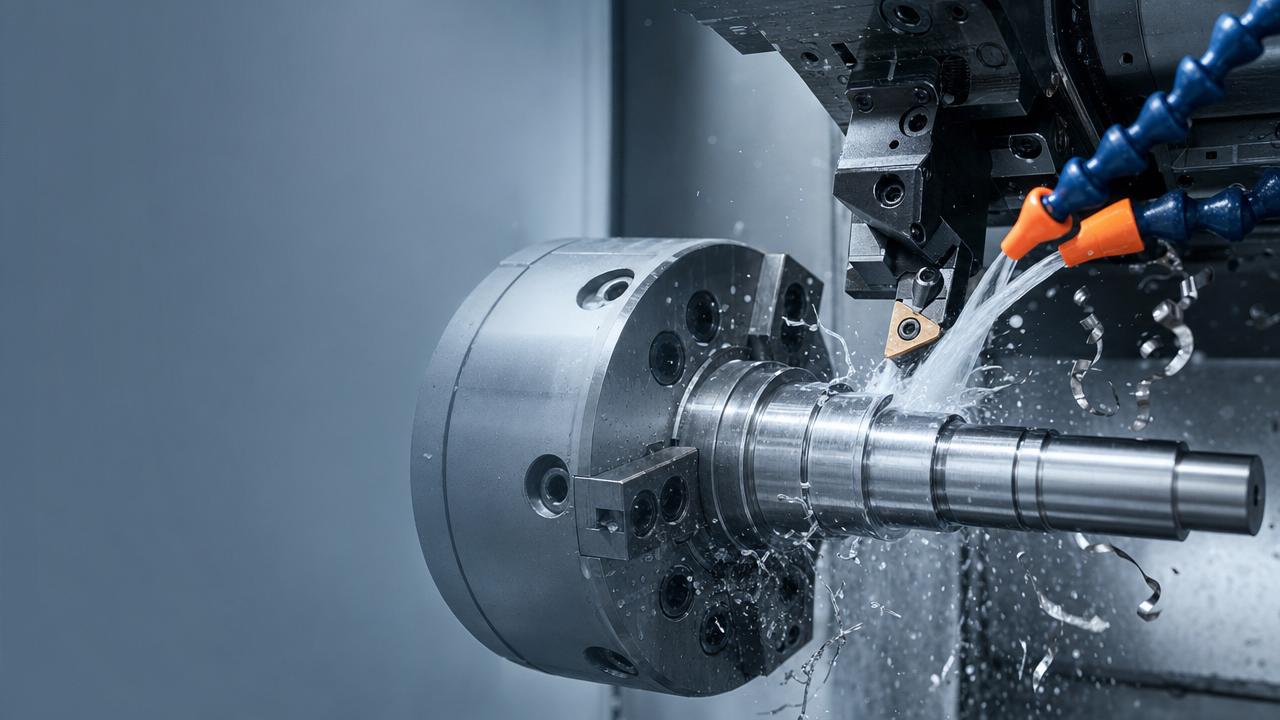
High-strength steel machining usually means lower cutting speeds, tighter thermal control, more rigid workholding, and stronger demands on spindle stability, tool coating, coolant delivery, and process planning. Those factors extend cycle time, but they also protect part geometry, surface integrity, and dimensional repeatability.
For a finance approver, longer machine hours are only one side of the equation. The more important question is whether extra cycle time prevents rework, field failure, warranty exposure, missed certifications, or production disruption in high-value programs.
This is especially relevant in aerospace structures, EV safety components, precision tooling, and industrial systems where fatigue strength, crash behavior, and service life matter more than simple piece-part speed.
- Harder materials increase tool wear and can demand more frequent inserts, better coatings, or advanced toolpath strategies.
- Higher tensile strength often means tighter process windows, where vibration, heat, or built-up edge can quickly damage quality.
- The cost of a bad part can be far greater than the cost of a slower part when the component enters a certified or safety-critical assembly.
AMTS tracks these trade-offs across 5-axis CNC machining centers, CNC lathes, laser systems, press brakes, and waterjet applications, giving decision-makers a wider view than isolated machine-hour calculations.
Where high-strength steel machining creates the strongest business case
Not every project justifies the extra burden of high-strength steel machining. The best return usually appears where lighter weight, higher load capacity, reduced section thickness, or better crash performance changes the economics of the final product.
Application scenarios that reward slower but better processing
- Aerospace brackets, housings, and structural interfaces that must balance strength, weight, and traceable quality records.
- NEV chassis and safety parts where thinner sections and stronger materials support lightweighting without compromising stiffness.
- Precision tooling, dies, and fixtures that need long service life under repeated load.
- Industrial components exposed to abrasion, pressure, or cyclic stress where replacement downtime is expensive.
In these scenarios, high-strength steel machining can help reduce part count, enable thinner wall designs, and improve lifecycle durability. That shifts value from direct production speed to downstream savings and system-level performance.
The table below helps finance teams compare where extra cycle time is easier to justify and where it may remain difficult to defend.
The key point is simple: high-strength steel machining pays back fastest in high-consequence applications. When the part is low value and easy to replace, longer cycle time is much harder to defend.
How should finance approvers compare cycle time against total cost?
The common mistake is to compare only machining minutes per part. A stronger evaluation compares total landed and lifecycle cost, including tooling consumption, scrap, rework, inspection burden, warranty exposure, and production interruption.
A practical cost framework for high-strength steel machining
- Measure direct machine cost: spindle time, setup time, tooling, coolant, and operator support.
- Add quality cost: first-article inspection, in-process metrology, rework risk, scrap exposure, and traceability burden.
- Add program risk: missed delivery, qualification delay, customer penalties, and line stoppage impact.
- Add lifecycle value: fewer failures, longer maintenance intervals, and better performance in service.
AMTS often sees the real decision emerge only after these layers are combined. In many advanced manufacturing programs, the cheapest machining route on paper becomes the most expensive route after scrap and reliability are included.
The next comparison table is useful when reviewing supplier quotes or internal capital requests for high-strength steel machining programs.
For finance teams, this comparison supports a more disciplined approval process. It moves the discussion from “Why is this part slower?” to “What cost category becomes smaller because the part is slower?”
What technical factors determine whether high-strength steel machining is efficient or wasteful?
The return on high-strength steel machining depends heavily on process capability. A shop with the wrong machine dynamics or poor programming may turn a valid material choice into avoidable cost. A capable shop may do the opposite.
Technical checkpoints finance teams should request before approval
- Machine rigidity and spindle behavior, especially for thin walls, interrupted cuts, or deep cavity milling.
- Toolpath quality, including step-over strategy, engagement control, and chatter reduction on 5-axis platforms.
- Tooling selection, such as carbide grade, coating choice, edge preparation, and documented wear limits.
- Coolant strategy, because heat management directly affects tool life and surface integrity in high-strength steel machining.
- Inspection plan, including in-process probing, final metrology, and control of distortion or residual stress effects.
This is where AMTS brings unusual value. Because its intelligence scope spans 5-axis CNC machining centers, CNC lathes, laser cutting, forming systems, and automation cells, it can frame machining choices as part of a broader production system rather than a single machine purchase.
For example, a component family may justify slower high-strength steel machining if upstream blank accuracy from laser cutting improves stock consistency, or if robotic handling reduces setup variation in repeat batches.
How should procurement teams evaluate suppliers for high-strength steel machining?
Supplier selection should not be based on quoted unit price alone. For high-strength steel machining, the right supplier often charges more per hour but lowers the total program cost through process stability and fewer surprises.
Procurement checklist for financial and technical review
- Ask how the supplier controls tool wear and whether replacement thresholds are documented instead of handled reactively.
- Confirm whether the shop has experience with tight-tolerance or safety-related parts in aerospace, EV, medical, or industrial applications.
- Review their metrology capacity, especially if the geometry requires 5-axis positioning accuracy or profile verification.
- Check whether they can support pilot runs, sample validation, and process refinement before full-scale release.
- Clarify lead time assumptions, because cycle time, fixture development, and inspection planning all affect delivery.
Where high-strength steel machining is new to the organization, approval should also include a phased decision gate: prototype, pre-series, then full production. That reduces financial exposure while generating real cost data.
What standards, compliance, and risk issues should not be ignored?
In regulated or export-sensitive sectors, machining quality is not only a technical issue. It can affect customer acceptance, audit readiness, and cross-border program continuity. Finance leaders should ensure that high-strength steel machining decisions reflect these non-obvious costs.
Common areas of compliance relevance
- Material traceability, heat lot records, and inspection documentation for critical industries.
- Dimensional control practices aligned with customer drawings, GD&T expectations, and inspection plans.
- Process repeatability where PPAP-style or other formal submission expectations may apply in automotive supply chains.
- Export control awareness for advanced machine tool components, controllers, and precision subsystems in international sourcing.
AMTS follows exactly these surrounding issues: not only machining science, but also supply chain dynamics, control systems, linear scales, and the policy environment that influences advanced equipment deployment. For approval teams, that broader context reduces blind spots.
Common misconceptions about high-strength steel machining
“Longer cycle time always means lower profitability.”
Not necessarily. If slower machining reduces scrap in a high-value component, the gross margin may improve despite higher direct processing time. Profitability should be measured at program level, not minute level.
“Only aerospace benefits from high-strength steel machining.”
That is outdated. EV lightweighting, industrial durability upgrades, and advanced tooling all create valid use cases. The business case depends on function, not on industry label alone.
“Any CNC supplier can machine high-strength steel well enough.”
Capability varies sharply. Machine rigidity, toolpath intelligence, probing routines, and process discipline matter far more when materials become harder and tolerances tighter.
FAQ: practical questions finance approvers ask before approving high-strength steel machining
How do I know whether the extra cycle time is justified?
Start with failure consequence and replacement cost. If the part sits inside a critical assembly, causes downtime, or requires expensive validation when it fails, high-strength steel machining may be justified even with longer production time.
What should I ask for in a quotation review?
Request assumptions on tooling life, setup time, inspection scope, scrap allowance, and delivery risk. Ask whether the quote reflects stable production data or only theoretical cycle time from CAM programming.
Is high-strength steel machining suitable for low-volume projects?
Often yes, especially where part value is high and quality risk is unacceptable. In low volume, the penalty of a failed part can be proportionally larger because each piece carries more engineering and scheduling weight.
Can process optimization reduce the cycle time penalty?
Yes. Better workholding, improved cutter engagement, advanced 5-axis strategies, in-process probing, and upstream blank consistency can all reduce wasted time without compromising material performance.
Why many decision-makers turn to AMTS before making the final call
High-strength steel machining is rarely just a machining question. It sits at the intersection of part design, machine capability, toolpath strategy, automation readiness, and supply chain risk. AMTS covers that full picture through its focus on industrial mother machines and the advanced manufacturing foundation behind them.
Its strength lies in connecting micron-level physical tolerances with CNC algorithms, equipment evolution, and real commercial demand in aerospace and NEV markets. For financial stakeholders, that means better input before capital is committed.
Why choose us for guidance on high-strength steel machining decisions?
If you are evaluating whether high-strength steel machining is worth the extra cycle time, AMTS can support the decision with manufacturing intelligence that goes beyond a generic supplier pitch. We help finance and procurement teams examine process assumptions, equipment fit, cost drivers, and application risk before approval.
- Request parameter review for material type, tolerance range, geometry complexity, and expected production volume.
- Discuss machine selection across 5-axis CNC machining centers, CNC lathes, laser-cut blanks, and related process chains.
- Clarify lead time expectations, pilot-run strategy, and where cycle time can be shortened without increasing risk.
- Review certification and documentation requirements for regulated or export-sensitive projects.
- Open a structured quotation discussion covering tooling assumptions, inspection burden, sample support, and customization needs.
When the decision involves more than a piece-part price, informed analysis matters. Contact AMTS to compare processing options, validate technical assumptions, and build a stronger financial case for or against high-strength steel machining in your next program.
Product Recommendations
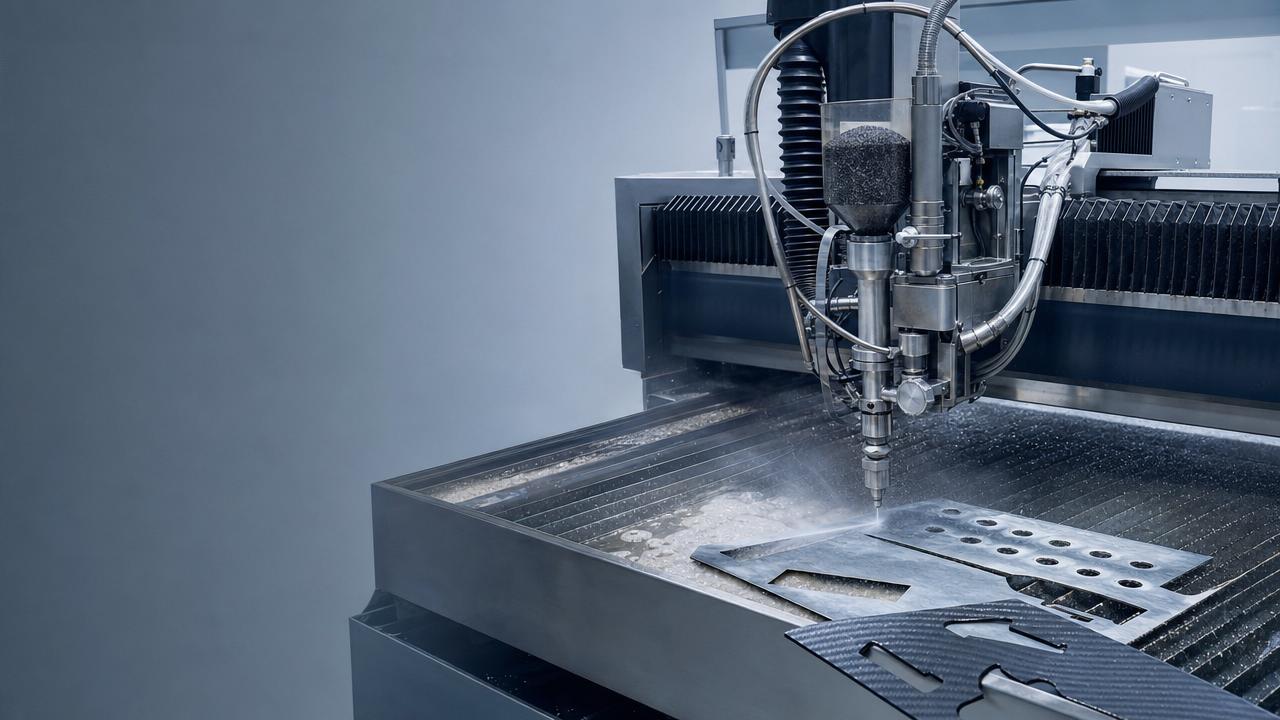
 Abrasive Delivery SystemsIndustrial Waterjet Cutters: Abrasive Costs That Erode MarginsAnalyst :5-Axis Machining Scientist
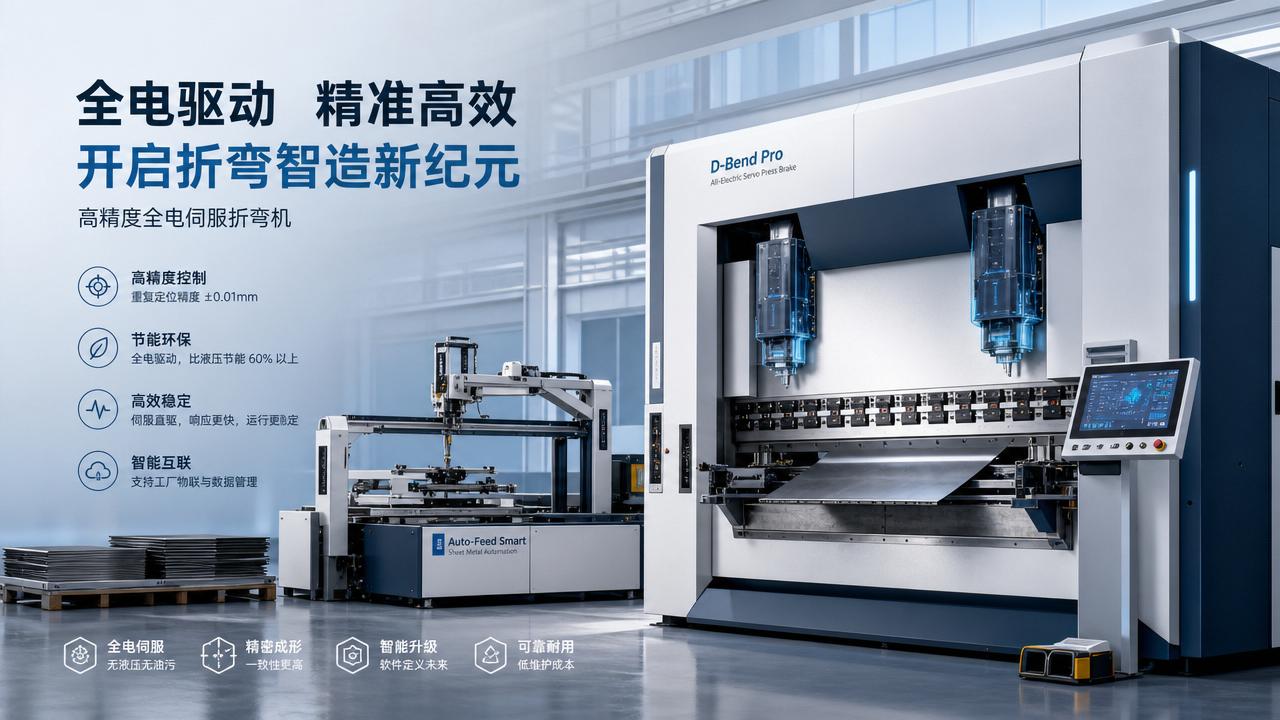
 All-Electric Press BrakesAll-Electric Servo Drives: Energy Savings vs Upgrade CostAnalyst :Precision Turning Architect
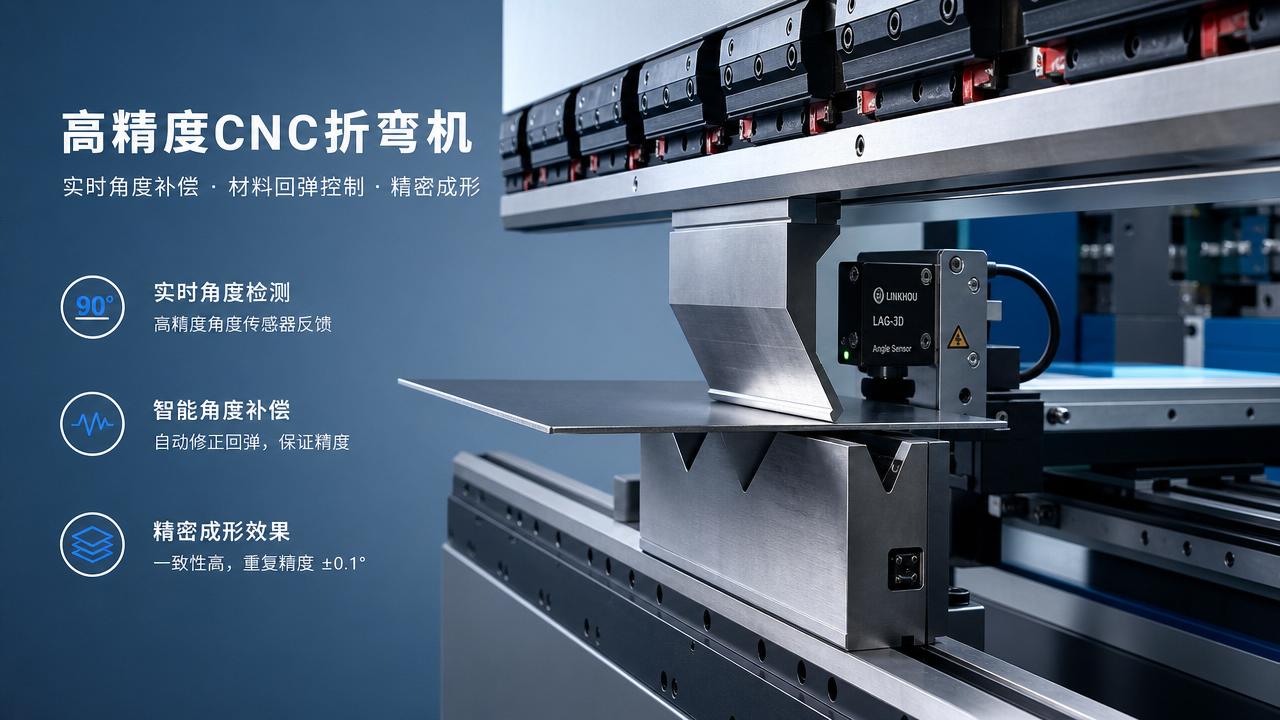
 All-Electric Press BrakesReal-Time Angle Compensation: What It Fixes and What It Doesn'tAnalyst :Precision Turning Architect
 Latest Sector NewsHigh-Strength Steel Machining: Tool Life Myths to AvoidAnalyst :Dr. Alistair Vaughn
 3D 5-Axis LaserComposite Material Cutting Without Delamination: Key MethodsAnalyst :
 Robotic Bending CellsAutomated Sheet Metal Forming: Hidden Setup Costs ComparedAnalyst :Precision Turning Architect