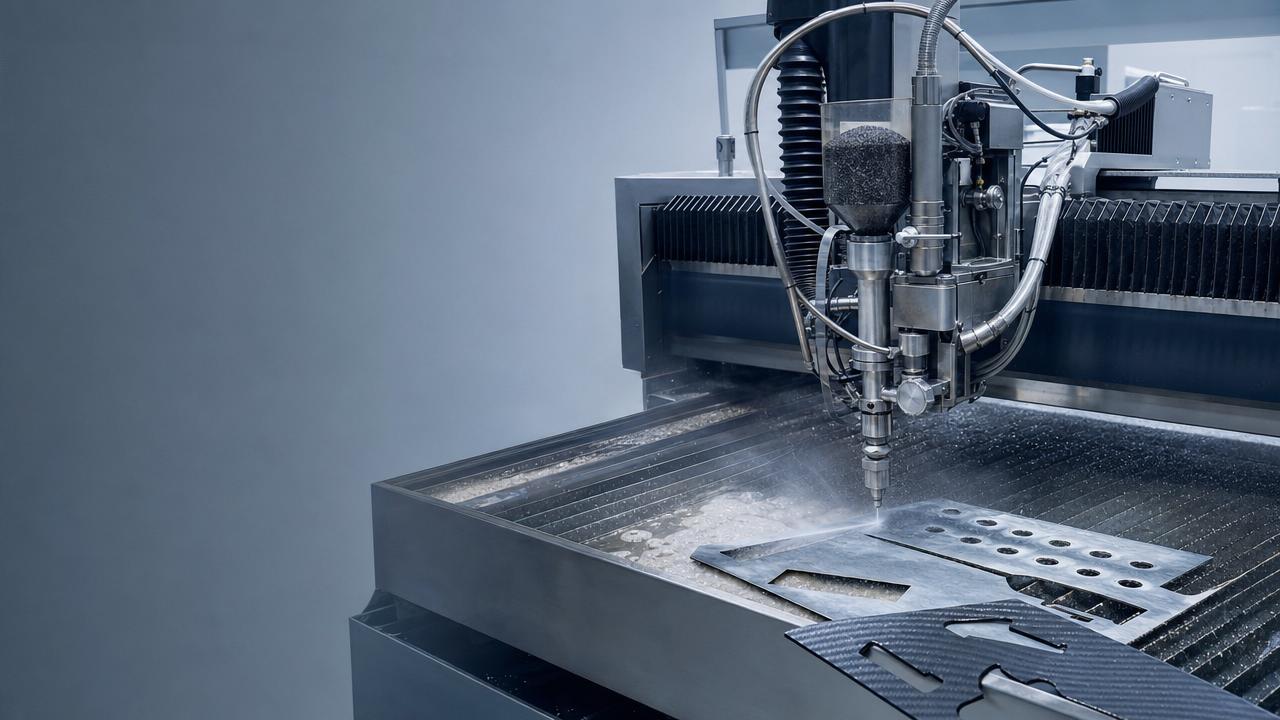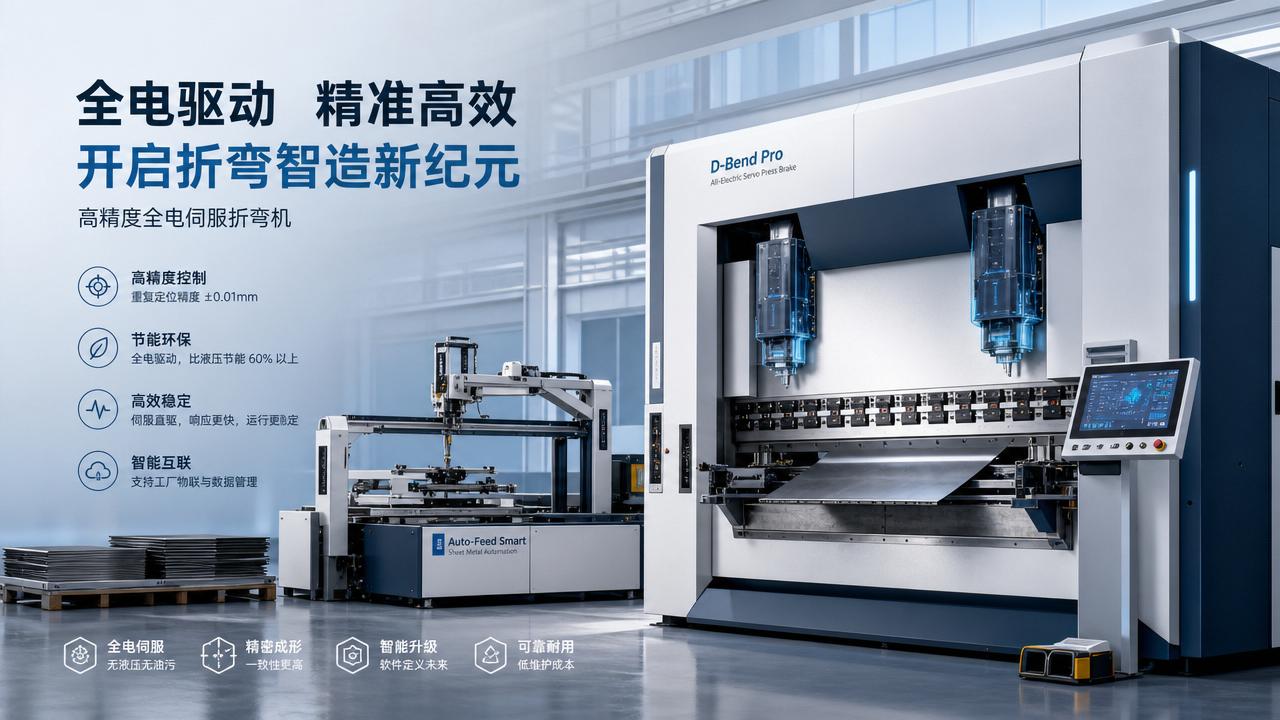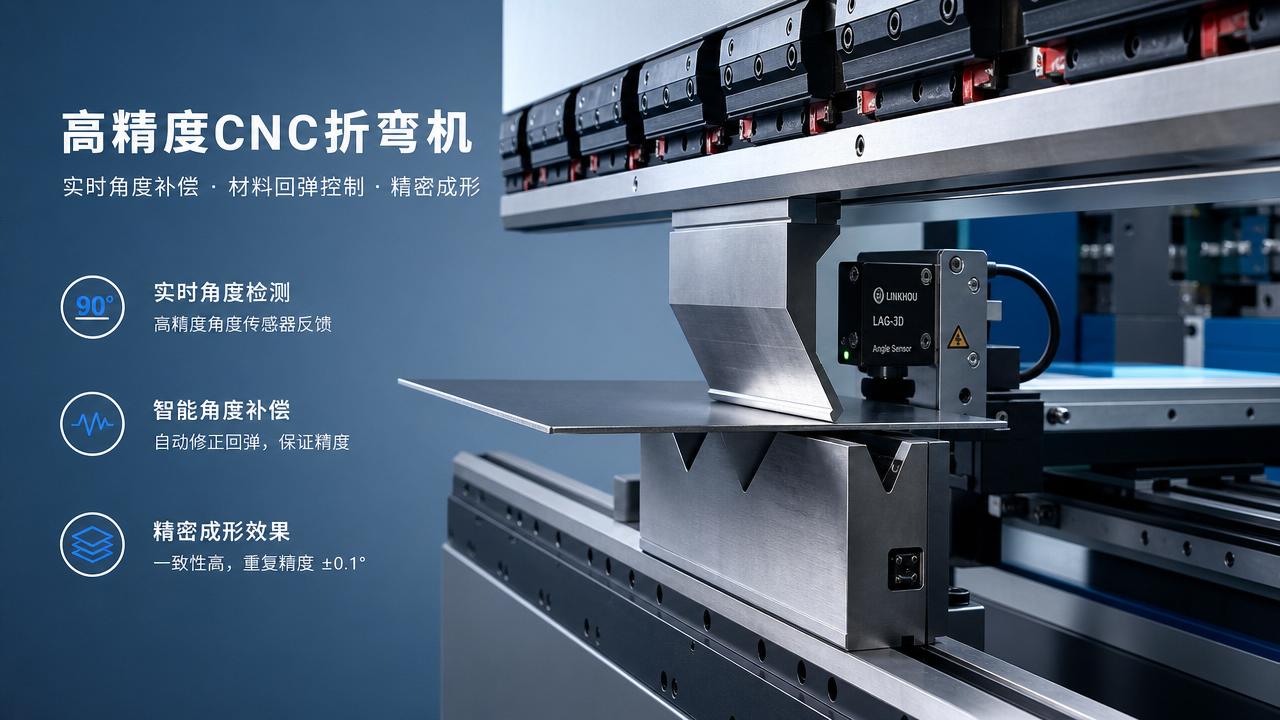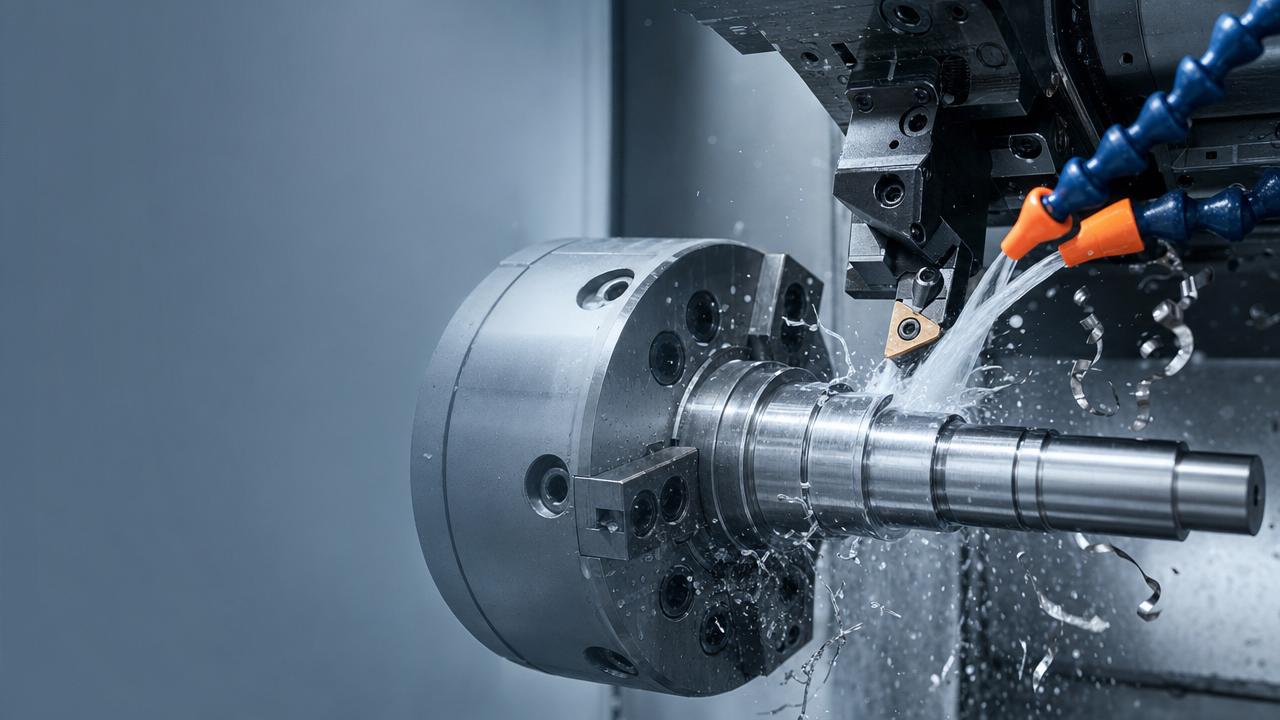
For procurement teams, precision CNC machining is not simply a quality issue; it is a pricing lever. The tighter the tolerance, the more every step of production is constrained, from machine selection to fixturing, cycle time, inspection, scrap risk, and supplier capacity. In many RFQs, the biggest hidden cost driver is not material or volume alone, but how tightly the drawing controls features that may not need extreme precision.
In practical sourcing terms, part cost and tolerances are linked by a clear rule: every unnecessary micron costs money. Buyers who understand this relationship can compare quotations more intelligently, identify where suppliers are pricing risk rather than machining time, and decide when precision CNC machining creates real functional value and when it only inflates cost.
What procurement teams are really trying to understand
When buyers search for how precision CNC machining affects part cost and tolerances, they are usually not looking for a textbook definition. They want to know why quotes vary so much between suppliers, which tolerances truly drive price, how to avoid over-specifying parts, and how to reduce quality risk without compromising performance.
For procurement, the core decision is rarely “Do we need precision?” The real question is “Where do we need precision, and what is the most cost-effective way to buy it?” That distinction matters because many machined parts contain only a few critical features, while the rest of the geometry can be produced with wider tolerances at much lower cost.
This is why experienced sourcing teams examine tolerance zones feature by feature rather than treating the entire drawing as equally critical. Precision CNC machining delivers excellent repeatability, but it becomes expensive when every surface, bore, thread, or profile is held to a tight standard regardless of actual assembly or performance requirements.
Why tighter tolerances increase CNC machining cost
The relationship between tolerance and price is driven by process difficulty. A looser tolerance gives the machinist more freedom in cutting parameters, tooling strategy, and production speed. A tighter tolerance reduces that freedom, meaning slower feeds, additional passes, more stable tooling, and more process control are needed to consistently hit the target.
Machine capability is another major factor. Standard CNC equipment may achieve general tolerances efficiently, but micron-level repeatability often requires higher-end machines with thermal stability, advanced controls, better spindle performance, and more rigid structures. Suppliers with such capability typically carry higher capital costs, and those costs appear in part pricing.
Setup time also rises as tolerances tighten. Precision CNC machining often demands more careful workholding, part alignment, datum control, and tool offset verification. If a supplier must spend extra time ensuring positional accuracy before the first cut, that setup effort is spread into the piece price, especially on low- to medium-volume orders.
Inspection adds a further layer of cost. Tight tolerances usually require more in-process checks, final dimensional verification, calibrated gauges, and sometimes coordinate measuring machine inspection. In some cases, the inspection burden becomes nearly as significant as the machining itself, particularly for aerospace, medical, and EV powertrain components.
Finally, scrap risk increases. A part that misses a very tight tolerance band may become unusable even if the deviation is tiny. Suppliers account for this risk in their quotes. Two shops may estimate similar machining time, yet the one pricing a higher probability of rejection, rework, or process instability will often submit the more expensive quotation.
Which part features usually drive the highest cost
Not all tolerances are equally expensive. Procurement teams should pay close attention to the features that trigger special machining or inspection methods. Tight true position tolerances on multiple holes, close-tolerance bearing fits, deep precision bores, thin-wall parts, and highly controlled flatness or perpendicularity often raise cost disproportionately.
Surface finish can also become a hidden cost driver. A very low roughness requirement may force suppliers to add finishing passes, use premium tools, reduce cutting speed, or apply secondary processes such as grinding, honing, or polishing. If the finish requirement is stricter than the application actually needs, the buyer may be paying for no real functional gain.
Complex geometry matters as much as nominal tolerance values. Freeform surfaces, multiaxis contours, difficult access areas, and parts requiring 5-axis CNC machining usually involve more advanced programming, collision avoidance, and longer cycle times. Even when the tolerance callout looks moderate, geometry complexity can make precision control much more expensive.
Material choice changes the cost equation as well. Aluminum is usually easier and faster to machine than titanium, Inconel, hardened steel, or certain stainless grades. A tolerance that is economical in one material may be costly in another because of tool wear, heat generation, burr formation, or dimensional movement during machining.
Wall thickness and part rigidity are often overlooked in sourcing reviews. Slender parts, thin ribs, and low-stiffness structures can deflect during cutting or measurement. To achieve the same tolerance on a flexible component, the supplier may need custom fixturing, lighter cuts, or additional process steps, all of which affect quote value.
How precision level changes supplier pricing logic
From a procurement perspective, suppliers do not price precision CNC machining based only on minutes at the machine. They price a combination of machine time, engineering effort, process confidence, measurement burden, and quality liability. This is why two quotations for the same drawing may differ sharply even when both suppliers appear technically capable.
A lower-cost supplier may assume standard workholding, basic inspection, and a normal scrap rate. A higher-cost supplier may assume dedicated fixtures, tighter process control, first-article validation, and more frequent checks. The difference is often not margin alone but a different interpretation of what is required to deliver tolerance compliance consistently.
Volume affects this logic. At prototype stage, precision costs more per part because setup, programming, and validation are divided across very few units. In production, those fixed costs can be amortized, but only if the process is stable. If tolerances remain exceptionally tight, ongoing inspection and process control may still keep unit prices elevated even at higher volumes.
Lead time also changes supplier behavior. If buyers request short delivery on high-precision parts, suppliers may add premium pricing to cover schedule risk, overtime, or reduced room for process optimization. Precision and urgency together almost always cost more than either factor alone.
How buyers can tell whether a tolerance is worth paying for
The most effective procurement teams challenge drawings constructively. That does not mean ignoring engineering intent; it means confirming which dimensions are truly critical to fit, sealing, motion, strength, or safety. If a feature does not influence function, assembly, or compliance, it may not need a premium tolerance callout.
A useful approach is to classify features into three groups: critical, important, and standard. Critical features directly affect performance or assembly and should retain tight control. Important features may need moderate control for consistency. Standard features should follow general machining tolerances unless there is a clear technical reason to do otherwise.
Buyers should also ask suppliers where they see cost concentration in the drawing. High-quality suppliers can often identify tolerance stack-ups, difficult datums, or unnecessarily strict geometric dimensioning and tolerancing requirements. These conversations frequently reveal opportunities to lower cost without reducing part fitness for use.
Another smart step is to compare the tolerance requirement with the assembly context. If the mating component or downstream process cannot practically benefit from micron-level precision, then extreme machining accuracy may be wasted. Procurement savings often come from aligning tolerance with the real capability and needs of the full system.
Questions procurement should ask when reviewing quotes
To evaluate quotations accurately, buyers should move beyond total price and ask targeted technical-commercial questions. Which features are driving cost? Are special fixtures required? Is the supplier planning 3-axis, 4-axis, or 5-axis CNC machining? What inspection method is included? What process capability does the supplier expect on critical dimensions?
It is also important to ask whether the quote assumes first-article inspection, production part approval, material certification, or traceability. In many industries, these quality requirements can materially affect the final price. If one supplier includes them and another does not, the comparison is not truly like for like.
Procurement should ask about expected yield and rework risk as well. Shops that work near the edge of tolerance capability may still quote aggressively, but hidden instability can lead to delays, quality escapes, or inconsistent batches later. A slightly higher quote from a more capable supplier may reduce total procurement risk significantly.
For repeat programs, buyers should discuss process locking and change control. Precision CNC machining depends on consistency across setups, tools, operators, and machines. If a supplier cannot maintain process discipline over time, attractive first-order pricing may become expensive through nonconformance, sorting, or line disruption.
When high precision creates real value
There are many situations where tight tolerances are absolutely justified. Aerospace structural interfaces, turbine components, medical implants, battery system connectors, high-speed rotating parts, hydraulic sealing surfaces, and precision bearing seats all depend on controlled geometry to perform safely and reliably.
In these cases, precision CNC machining is not an unnecessary premium but a risk-control mechanism. Better tolerance control can reduce vibration, leakage, wear, misalignment, thermal issues, and assembly failures. For procurement, the right question is not whether the part is expensive, but whether the cost of lower precision would be even higher in service failures or production disruption.
High precision also creates value when it eliminates secondary operations or improves assembly throughput. A part machined accurately enough to fit consistently without manual adjustment may lower labor cost downstream. In other words, a higher piece price can still produce a better total cost outcome when the full manufacturing chain is considered.
How to reduce cost without sacrificing functional performance
One proven strategy is tolerance optimization. Instead of applying a blanket tight standard across the drawing, define tight limits only on functional features and use general tolerances elsewhere. This allows suppliers to focus precision where it matters while machining noncritical areas more efficiently.
Design simplification is another strong lever. Reducing unnecessary deep pockets, difficult internal corners, ultra-thin walls, or multiple setups can lower both machining time and tolerance risk. Procurement teams involved early in supplier discussion often uncover these savings before production begins.
Material review can help as well. If two materials meet the application, the one with better machinability may deliver the same performance at lower cost. Likewise, reviewing whether a turned feature can replace a milled one, or whether a standard stock size can be used, can improve sourcing economics.
Volume planning matters too. If annual demand justifies it, dedicated fixtures, process refinement, and statistical control can reduce the per-part cost of precision CNC machining over time. Buyers should consider total program value rather than evaluating each order in isolation.
A practical sourcing mindset for precision CNC machining
For procurement professionals, the best approach is to treat tolerance as a strategic requirement, not a default specification. Precision CNC machining affects part cost because it changes how the supplier must manufacture, measure, and guarantee the component. The tighter the requirement, the more cost is driven by risk control rather than metal removal alone.
The strongest buying decisions come from understanding which tolerances are functionally necessary, which features are expensive to control, and which suppliers can hold the required level with stable process capability. That is how procurement moves from price comparison to value-based sourcing.
In short, precision has a price, but it also has purpose. When buyers align tolerance requirements with real application needs, they reduce overspending, improve quote transparency, and build more reliable supply outcomes. That is the most practical way to source precision CNC machining parts with both cost discipline and technical confidence.
Product Recommendations
 Abrasive Delivery SystemsIndustrial Waterjet Cutters: Abrasive Costs That Erode MarginsAnalyst :5-Axis Machining Scientist
 All-Electric Press BrakesAll-Electric Servo Drives: Energy Savings vs Upgrade CostAnalyst :Precision Turning Architect
 All-Electric Press BrakesReal-Time Angle Compensation: What It Fixes and What It Doesn'tAnalyst :Precision Turning Architect
 Latest Sector NewsHigh-Strength Steel Machining: Tool Life Myths to AvoidAnalyst :Dr. Alistair Vaughn
 3D 5-Axis LaserComposite Material Cutting Without Delamination: Key MethodsAnalyst :
 Robotic Bending CellsAutomated Sheet Metal Forming: Hidden Setup Costs ComparedAnalyst :Precision Turning Architect