Buying medical-grade dental implants is not just about price. It is about safety, traceable materials, precision manufacturing, and stable long-term outcomes.
To judge medical-grade dental implants before buying, look beyond marketing claims. Focus on certifications, titanium grade, surface treatment, machining accuracy, packaging, and clinical support.
This guide explains the most important questions to ask. It also shows how advanced manufacturing standards influence implant quality and buyer confidence.
What exactly are medical-grade dental implants?
Medical-grade dental implants are implant components made for clinical use under strict material, processing, and quality requirements.
Most high-quality implants use commercially pure titanium or titanium alloy. These materials are chosen for biocompatibility, corrosion resistance, and fatigue strength.
However, not every titanium implant is truly medical grade. The term should be supported by recognized standards, validated production, and controlled sterilization.
In practical terms, medical-grade dental implants should deliver consistent fit, clean surfaces, predictable osseointegration, and documented traceability from raw material to final packaging.
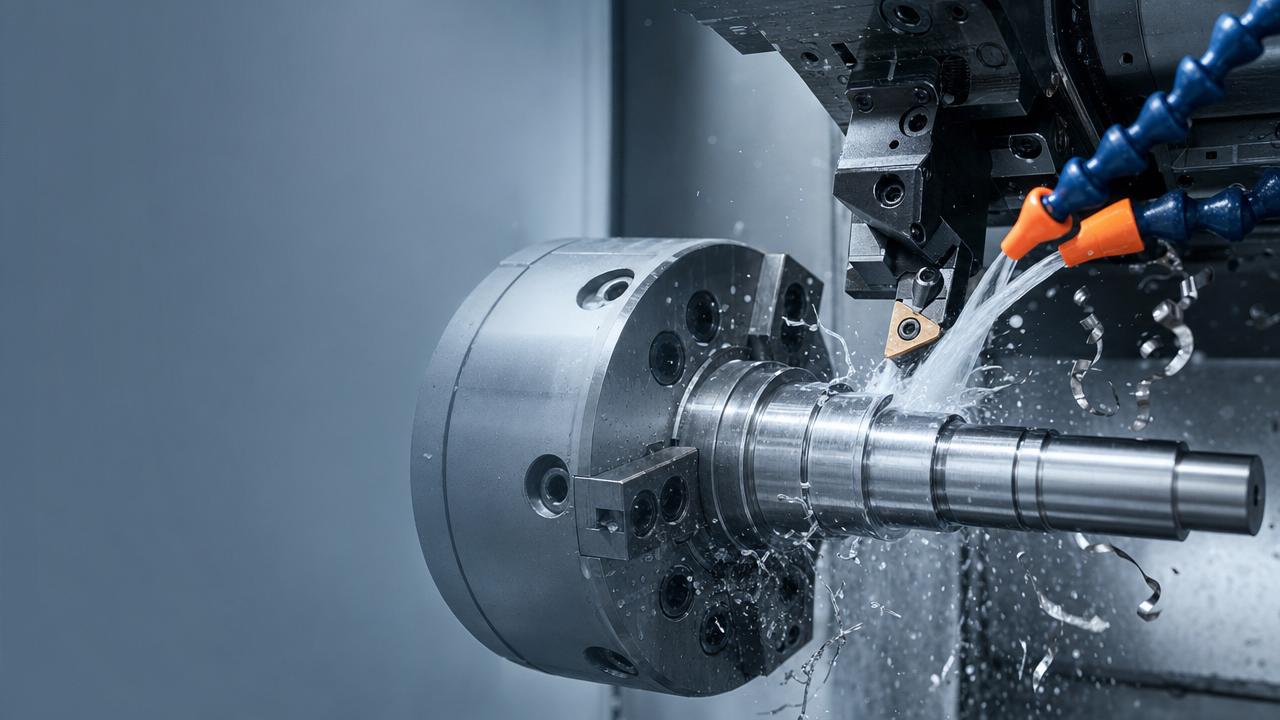
This is where advanced machining matters. Precision CNC turning, Swiss-type processing, and strict metrology help produce thread geometry and connection tolerances with high consistency.
Which certifications and documents should you check first?
When evaluating medical-grade dental implants, documentation is the fastest way to separate reliable products from risky ones.
Start with regulatory and quality system evidence. Common references include ISO 13485, CE marking where applicable, and FDA-related compliance for relevant markets.
Also ask for material certificates. These should identify titanium grade, batch number, chemical composition, and test results from approved suppliers.
Sterilization records are equally important for packaged implants. The label should clearly show sterility status, lot number, expiration date, and storage instructions.
Useful documents include:
- ISO 13485 quality management certificate
- Material mill certificate for titanium stock
- Product specification sheet with dimensions and tolerances
- Surface treatment description and validation data
- Sterilization and packaging validation documents
- Instructions for use and contraindication information
If a supplier cannot provide these records clearly, confidence in the medical-grade dental implants should drop immediately.
How can you judge material quality and manufacturing precision?
Material quality starts with titanium purity and consistency. Reputable medical-grade dental implants usually specify Grade 4 titanium or Ti-6Al-4V ELI, depending on design needs.
Purity alone is not enough. Precision manufacturing determines how the implant behaves during insertion and long-term loading.
Look at the machining details. Implant threads should be sharp, clean, and uniform, without burrs, deformation, or visible chatter marks.
The implant-abutment connection should also be consistent. Poor tolerances can create micro-gaps, increase bacterial leakage, and reduce mechanical stability.
High-end implants are often produced using advanced CNC lathes and precision inspection systems. These technologies support repeatable micron-level dimensions in critical features.
Key manufacturing signs to review include:
- Uniform thread profile and edge finish
- No surface contamination or embedded particles
- Precise internal hex or conical connection geometry
- Consistent dimensions across batches
- Inspection reports from calibrated metrology equipment
In short, medical-grade dental implants should reflect both good biomaterials and strong manufacturing discipline.
Why does surface treatment matter so much?
Surface treatment directly affects how bone interacts with the implant. It is one of the most important performance factors in medical-grade dental implants.
Many premium implants use sandblasted, acid-etched, anodized, or hybrid surface processes. These aim to improve roughness, wettability, and early osseointegration.
But not every rough surface is safe or consistent. Poorly controlled treatment may leave residue, create unstable topography, or reduce long-term reliability.
Ask how the surface is processed, cleaned, and verified. Good suppliers should explain roughness targets, decontamination methods, and post-treatment inspection.
Warning signs include vague claims such as “advanced bio-surface” without any process description or validation support.
Reliable medical-grade dental implants often come with data about:
- Surface roughness range
- Cleaning and passivation methods
- Residue control and contamination testing
- Clinical or laboratory performance evidence
How do you compare premium implants with low-cost options?
A lower price does not always mean poor quality. Still, very cheap implants often cut corners in traceability, validation, packaging, or after-sales support.
The real comparison should include total risk, not just purchase cost. Failure, replacement, and treatment delays can make a cheap choice far more expensive.
Use the table below to compare medical-grade dental implants more objectively.
This kind of comparison helps evaluate medical-grade dental implants on measurable factors instead of branding alone.
What common mistakes should you avoid before buying?
One common mistake is assuming every implant sold internationally meets the same medical standard. Regulations, testing depth, and quality controls can differ widely.
Another mistake is focusing only on implant body material while ignoring connection precision, sterility, and packaging integrity.
Buyers also overlook production capability. The best medical-grade dental implants usually come from factories with advanced CNC equipment and stable process control.
In advanced manufacturing, repeatability is everything. A product that looks acceptable once may still fail if batch consistency is weak.
Avoid these errors:
- Choosing based only on the lowest quote
- Ignoring batch traceability and labeling
- Accepting unclear surface treatment claims
- Skipping verification of sterilization status
- Not checking dimensional compatibility and documentation
What is a practical checklist for judging medical-grade dental implants?
A simple checklist makes the review process faster and more reliable. It also reduces the chance of missing critical details.
This checklist is especially useful when comparing several medical-grade dental implants from different sources.
In the end, judging medical-grade dental implants requires a balance of material science, manufacturing quality, and practical verification.
The best choice is usually the one with documented titanium quality, precise machining, validated surface treatment, and reliable sterile packaging.
Before buying, request certificates, study the technical details, and compare options using a structured checklist. A careful review now can prevent expensive problems later.
For any evaluation involving medical-grade dental implants, confidence should come from evidence, not slogans.
Product Recommendations
 Abrasive Delivery SystemsIndustrial Waterjet Cutters: Abrasive Costs That Erode MarginsAnalyst :5-Axis Machining Scientist
 All-Electric Press BrakesAll-Electric Servo Drives: Energy Savings vs Upgrade CostAnalyst :Precision Turning Architect
 All-Electric Press BrakesReal-Time Angle Compensation: What It Fixes and What It Doesn'tAnalyst :Precision Turning Architect
 Latest Sector NewsHigh-Strength Steel Machining: Tool Life Myths to AvoidAnalyst :Dr. Alistair Vaughn
 3D 5-Axis LaserComposite Material Cutting Without Delamination: Key MethodsAnalyst :
 Robotic Bending CellsAutomated Sheet Metal Forming: Hidden Setup Costs ComparedAnalyst :Precision Turning Architect