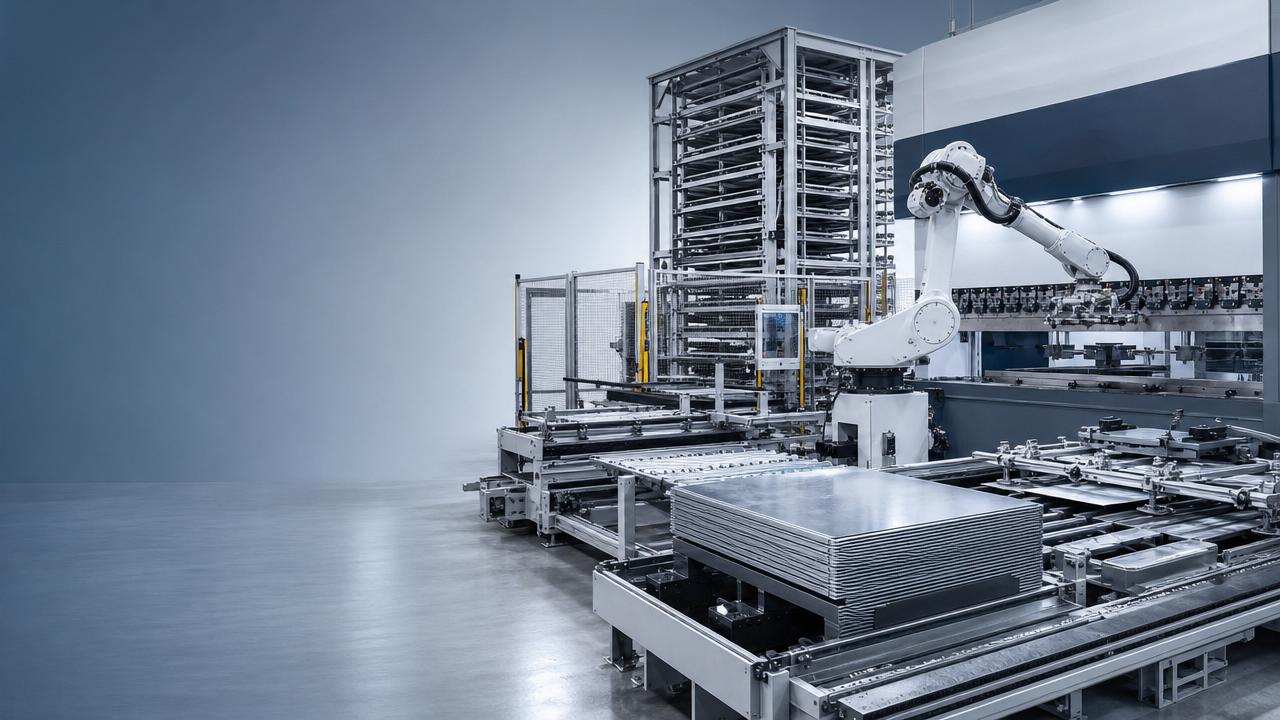
For finance decision-makers, the fastest-paying smart factory equipment in 2026 is usually not the most complex machine on the floor. It is the equipment that removes a proven bottleneck, raises utilization, cuts labor dependence, and delivers auditable gains within a controllable implementation window.
In most capital-intensive plants, that means automation attached to existing capacity often pays back faster than buying entirely new flagship equipment. Robotic loading cells, laser cutting automation, press brake automation, in-process measurement, and production monitoring frequently outperform larger greenfield investments on speed of return.
That said, the right answer depends on where margin is currently leaking. If throughput is constrained by setups, scrap, overtime, or operator availability, the best smart factory equipment is the asset that fixes that specific constraint first. Finance teams should evaluate payback by bottleneck impact, ramp risk, and cash conversion, not by technical sophistication alone.
What is the real search intent behind “smart factory equipment” in 2026?
The core search intent is commercial and evaluative. Readers are not looking for a broad definition of Industry 4.0. They want to know which smart factory equipment categories are most likely to generate the quickest, lowest-risk return on capital in 2026.
For finance approvers, the practical question is simple: where can capital be deployed now to improve output, labor efficiency, quality consistency, and planning confidence without creating a long, uncertain ramp-up period? They want a ranking, a decision framework, and evidence-based tradeoffs.
They also want to understand which investments are easier to justify in sectors such as aerospace, precision metal cutting, sheet metal fabrication, and NEV manufacturing. In these environments, tolerance, repeatability, uptime, and traceability directly affect margin and customer confidence.
What finance decision-makers care about most before approving equipment
Financial approvers typically focus on five questions. First, how quickly will the investment pay back? Second, how reliable are the assumptions? Third, what operational risks could delay value capture? Fourth, will the equipment increase flexibility or lock the business into narrow demand assumptions?
Fifth, can benefits be measured clearly after installation? If the savings model depends on vague productivity gains that are difficult to audit, approval becomes harder. Smart factory equipment earns support faster when it ties directly to labor hours saved, scrap reduced, throughput increased, or quote-to-cash cycle shortened.
This is why equipment that digitizes current operations and automates repetitive handling often secures approval faster than prestige machinery. The business case is cleaner. Baseline metrics already exist. The implementation period is shorter. And the organization can see value without redesigning the entire production system.
Which smart factory equipment usually pays off fastest?
Across many discrete manufacturing environments, the fastest-payback category is automation added to an existing bottleneck machine. Examples include robotic load/unload systems for CNC lathes and machining centers, pallet systems, automatic material towers for laser cutting, and press brake cells with robot handling.
Why do these projects move fast? Because they monetize underused machine capacity that has already been paid for. If a CNC lathe sits idle between cycles or during shift changes, a robotic tending cell can increase spindle utilization without requiring the purchase of another full machine tool.
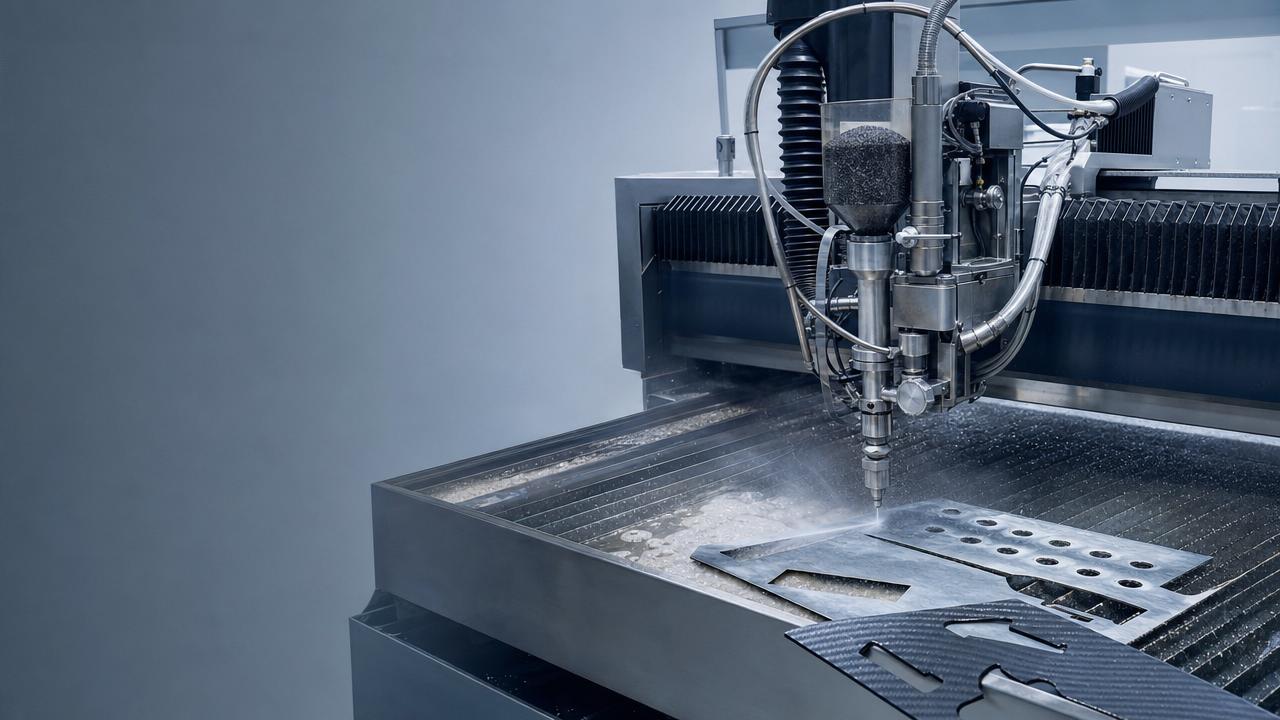
Similarly, laser cutting lines often lose time in material handling rather than cutting itself. Automating sheet loading, unloading, sorting, and storage can raise output, reduce labor exposure, and stabilize job flow with less risk than replacing the core laser source.
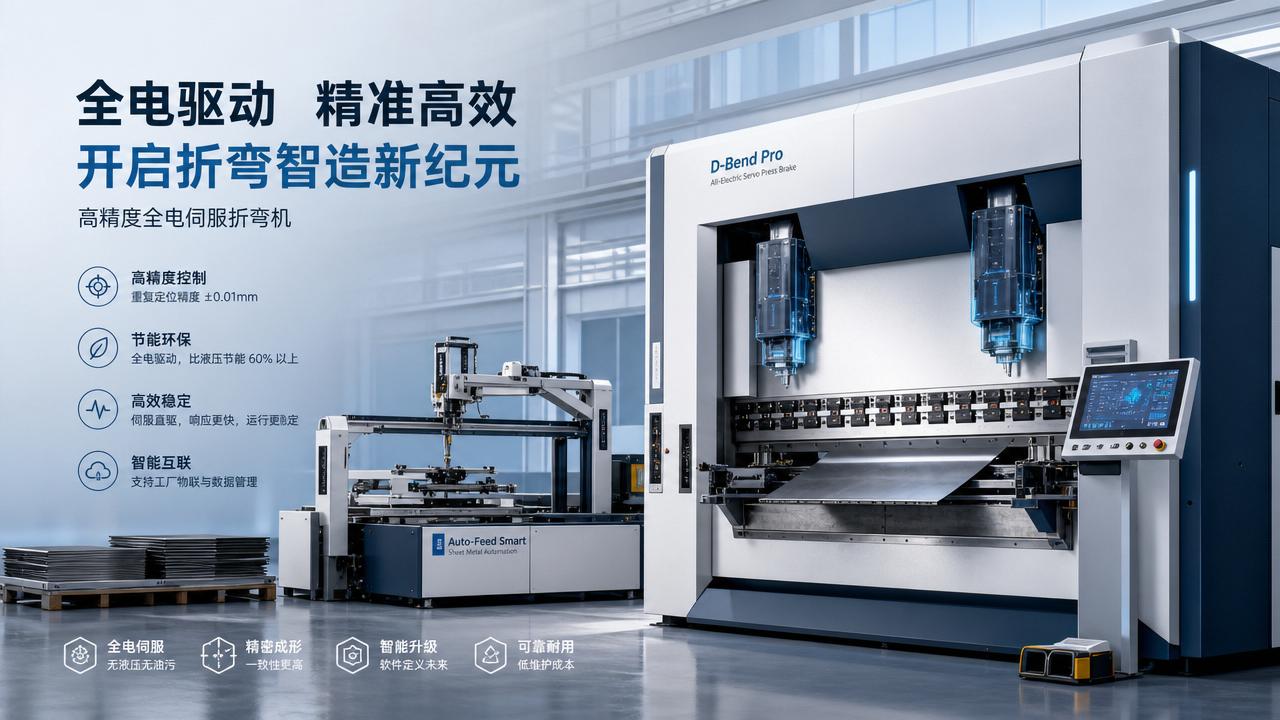
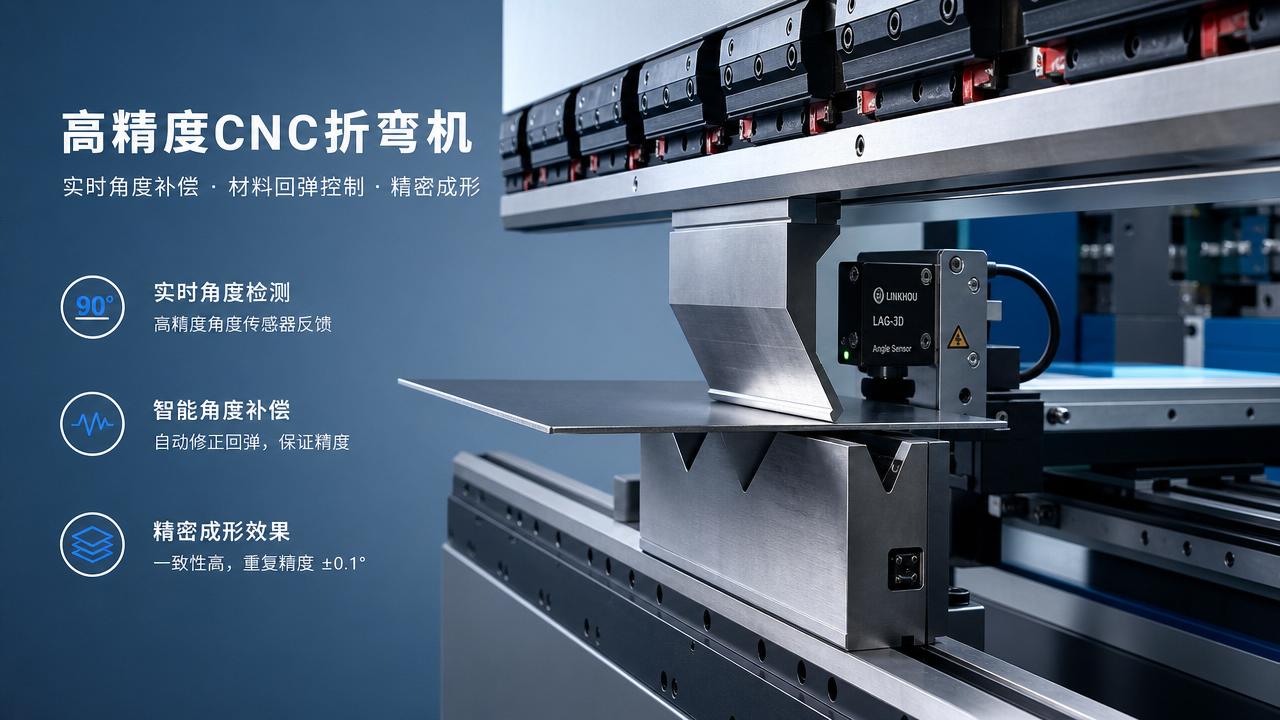
Press brake automation can also pay back quickly in labor-constrained environments. Bending is often affected by setup variability, material mix, operator skill, and rework. Automated angle measurement, offline programming, and robotic part handling can improve consistency while making output less dependent on scarce expert operators.
Production monitoring and machine connectivity are another high-return category when deployed with discipline. On their own, dashboards do not create savings. But when tied to OEE improvement, downtime root-cause reduction, maintenance planning, and scheduling discipline, they can unlock measurable value at relatively low capital cost.
Where 5-axis CNC machining centers fit in the payback discussion
Five-axis CNC machining centers are among the most strategically important smart factory equipment categories, especially in aerospace, medical, energy, and high-complexity NEV components. However, they do not always deliver the fastest payback in pure financial terms.
Their value is strongest when they replace multiple setups, reduce fixturing, improve geometric accuracy, and enable production of higher-margin parts that cannot be won with three-axis capacity. In these cases, the return is driven less by simple labor reduction and more by capability expansion and quote conversion.
For finance teams, that means a 5-axis investment should be justified differently from a robotic tending cell. The model should include setup reduction, scrap prevention on expensive parts, lower work-in-process, shorter lead times, and revenue capture from contracts requiring complex machining capability.
If demand is secure and the current process uses multiple setups with high cumulative error risk, a five-axis center can produce strong returns. But if the organization lacks CAM maturity, skilled programming, and a stable part pipeline, ramp-up risk can delay payback despite the machine’s technical value.
Laser cutting equipment: fast ROI when flow, not power, is the bottleneck
Laser cutting machines can pay off fast, but only when buyers distinguish between cutting power and production flow. Many factories assume a higher-power fiber laser guarantees the best return. In reality, the fastest payback often comes from automation around an already capable laser line.
If the current bottleneck is manual loading, sheet retrieval, nesting inefficiency, or downstream queue disruption, then adding an automation tower, sort system, or integrated software may beat the economics of buying a larger laser source. The productivity gain becomes more immediate and less speculative.
That said, there are cases where a new laser cutting machine does pay back quickly. Shops processing thicker material, high volumes, or mixed materials may benefit from faster cut speeds, lower consumable costs, better edge quality, and reduced secondary operations. But these gains must be tied to real order mix, not brochure specifications.
Finance approvers should ask whether the expected return comes from more available machine hours, more sellable output, fewer labor hours, or lower rework. If those drivers are not clearly separated, laser investments can be overestimated.
Press brakes and sheet metal forming: overlooked, but often highly bankable
Among smart factory equipment categories, CNC press brakes are sometimes underestimated by non-operations leaders. Yet in many fabrication environments, bending creates hidden cost through setup delays, operator dependency, angle inconsistency, and queue imbalance after laser cutting.
Modern press brakes with automatic crowning, angle measurement, servo-electric drives, and offline programming can reduce first-part errors and shorten setup time. When paired with robotic handling, they can also stabilize output on repeat jobs and extend productive hours beyond normal staffing limits.
For a finance team, this matters because the economics are often visible. Fewer scrap parts, faster setup, less rework, and more predictable labor can be measured quickly. In high-mix sheet metal environments, these improvements can create a clearer payback case than more glamorous investments.
The key is application fit. Highly variable, low-repeat work may not justify full robotic bending cells immediately. But incremental upgrades such as programming software, angle control, and tool management can still generate attractive returns with lower capital exposure.
CNC lathes, Swiss-type systems, and turning automation
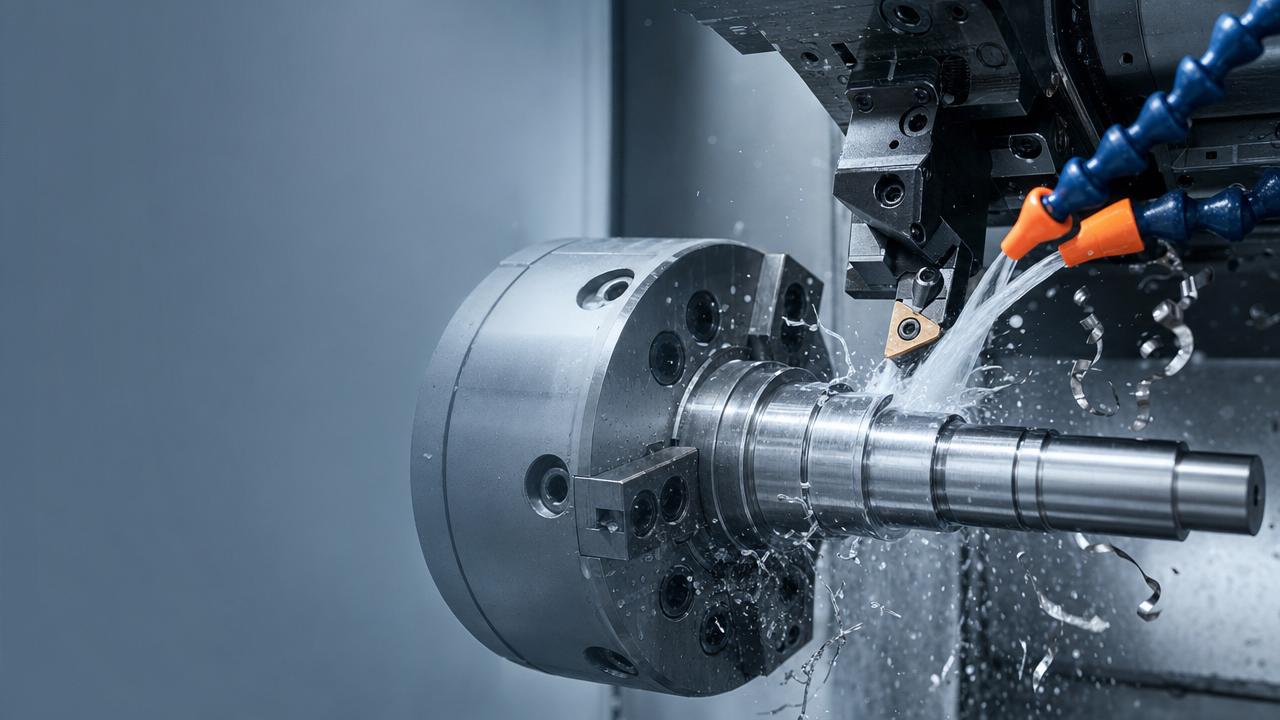
CNC lathes remain one of the strongest candidates for fast-return smart factory equipment, especially when parts are cylindrical, repeatable, and labor handling is the true bottleneck. Automated bar feeding, part catchers, robotic tending, and in-cycle gauging can all improve asset productivity rapidly.
In precision sectors such as medical, automotive, connectors, and industrial components, even small improvements in spindle uptime and dimensional consistency can materially affect profitability. This is especially true where labor costs are rising or night-shift staffing is unstable.
Swiss-type lathes can also justify investment quickly when miniaturized high-precision parts require stable unattended production. However, finance teams should examine programming complexity, scrap sensitivity, and the cost of changeovers before assuming a premium configuration automatically means faster ROI.
As with other categories, the best returns come when automation is attached to a verified throughput constraint. Buying turning capacity without solving setup discipline, inspection delays, or downstream bottlenecks can dilute the investment case.
What usually pays back slower than expected
Projects tend to underperform when they require a full process redesign, major workforce retraining, or extensive software integration before any savings appear. Large-scale MES programs, digital twins, and fully autonomous factory visions can be strategically important, but they often pay back slower than line-level automation.
Another common issue is purchasing highly advanced equipment for marketing value rather than operational need. If utilization remains low, if quoting does not support premium pricing, or if programming skill is weak, a technically excellent asset may sit below target productivity for too long.
Finance teams should also be cautious about ROI models built on unrealistic labor elimination assumptions. In many factories, smart factory equipment reallocates labor rather than removes it immediately. The true gain may be higher throughput, lower overtime, or reduced dependence on scarce skilled operators.
A practical framework to compare investments
To compare smart factory equipment options, start with one question: what is the current profit constraint? Is it machine utilization, labor availability, scrap, setup time, quoting speed, or missed delivery performance? Capital should attack the constraint, not abstract modernization goals.
Next, model three benefit layers separately. The first is direct savings, such as labor reduction, scrap reduction, and lower consumables. The second is capacity gain, such as more spindle hours or parts per shift. The third is strategic upside, such as new contract eligibility or improved customer retention.
Then assign implementation risk. Consider commissioning time, software integration, operator training, part-program maturity, maintenance support, and spare-part availability. A moderate-return project with low ramp risk often deserves priority over a higher-return project with uncertain execution.
Finally, require a ninety-day and one-year measurement plan before approval. If the plant cannot define baseline metrics and post-installation KPIs, the investment case is not ready. The most finance-friendly projects are those whose benefits can be tracked in operational and financial language from day one.
How 2026 conditions change the answer
In 2026, three trends strengthen the case for selective automation. First, labor volatility remains a structural issue in machining and fabrication. Second, aerospace and NEV supply chains continue to demand tighter quality control and more traceable production. Third, financing discipline is tighter than in expansion-heavy years.
These conditions favor smart factory equipment that improves existing asset productivity and reduces execution risk. Equipment that supports unattended or lightly attended operation, improves first-pass yield, and raises schedule confidence will often outperform larger bets on speculative capacity growth.
This is especially relevant in advanced manufacturing segments where micron-level tolerances, thermal stability, and process repeatability matter. The smartest investment is not merely digital. It is operationally grounded, financially measurable, and aligned with a real production constraint.
Bottom line: what pays off fastest?
If the question is purely speed of payback, the answer in 2026 is usually bottleneck-focused automation around existing machines, followed by targeted upgrades in monitoring, measurement, and material flow. These projects tend to produce the fastest and clearest returns with manageable implementation risk.
New 5-axis CNC machining centers, laser cutting machines, CNC press brakes, and advanced turning systems can absolutely generate strong ROI, but only when tied to verified throughput constraints or revenue-critical capability gaps. They are best approved through a disciplined, application-specific business case.
For finance decision-makers, the winning approach is to treat smart factory equipment as a portfolio of return profiles. Fund the projects that create measurable gains quickly, sequence larger capability investments behind proven demand, and insist on KPI visibility from baseline through ramp-up.
In short, the fastest-paying smart factory equipment is the equipment that fixes today’s most expensive production problem with the least execution risk. That is the standard that should guide capital allocation in 2026.
Product Recommendations
 Abrasive Delivery SystemsIndustrial Waterjet Cutters: Abrasive Costs That Erode MarginsAnalyst :5-Axis Machining Scientist
 All-Electric Press BrakesAll-Electric Servo Drives: Energy Savings vs Upgrade CostAnalyst :Precision Turning Architect
 All-Electric Press BrakesReal-Time Angle Compensation: What It Fixes and What It Doesn'tAnalyst :Precision Turning Architect
 Latest Sector NewsHigh-Strength Steel Machining: Tool Life Myths to AvoidAnalyst :Dr. Alistair Vaughn
 3D 5-Axis LaserComposite Material Cutting Without Delamination: Key MethodsAnalyst :
 Robotic Bending CellsAutomated Sheet Metal Forming: Hidden Setup Costs ComparedAnalyst :Precision Turning Architect