Medical-grade dental implants often cost more at the start, and that extra price can feel difficult to justify when you are already paying for surgery, restoration, and follow-up care. In many cases, however, the higher cost is worth it when it reflects better materials, stricter manufacturing standards, stronger clinical evidence, and a lower risk of complications over time.
That does not mean the most expensive implant is always the best choice for every patient. The real question is whether the implant system offers proven quality, long-term reliability, and a treatment plan that matches your oral health, bone condition, and budget. For most patients, value matters more than price alone.
What most patients really want to know before paying more
When people search for information about medical-grade dental implants, they are usually not looking for technical definitions. They want a practical answer to a simple concern: will paying more give me a safer implant, a longer-lasting result, and fewer problems later?
That concern is reasonable. Dental implants are not a small purchase, and unlike cosmetic add-ons, they affect chewing, comfort, appearance, and oral health for many years. Patients want confidence that the implant placed in their jaw is reliable, biocompatible, and backed by real evidence rather than marketing language.
They also want to know where the extra cost actually goes. Is it paying for higher-grade titanium, better surface treatment, cleaner production, stronger testing, or simply a premium brand name? Understanding that difference is the key to making a smart decision.
What “medical-grade” usually means in dental implants
The term “medical-grade dental implants” generally refers to implant systems made from biocompatible materials under strict quality control, with documented manufacturing standards and clinical validation. In practice, this often means high-purity titanium or titanium alloy designed for long-term implantation in the human body.
Medical-grade also suggests consistency. A quality implant is not only about the raw material but also about precise machining, surface engineering, sterility, and traceability. Small variations in thread geometry, surface roughness, or fit between the implant and abutment can influence healing, stability, and long-term performance.
For patients, the most important point is this: a true medical-grade implant should come from a manufacturer that follows regulated production processes and can demonstrate product reliability. That is very different from choosing a low-cost product with limited documentation or unclear clinical history.
Why some dental implants cost more than others
The price difference between implant systems is usually driven by several factors. The first is material quality. Premium implants commonly use highly purified titanium or advanced titanium alloys known for strength, corrosion resistance, and tissue compatibility.
The second factor is manufacturing precision. Dental implants are small components, but they require extremely accurate dimensions and surface control. Better production technology helps ensure a consistent fit between the implant, abutment, and crown, reducing the chance of microgaps, loosening, or uneven stress over time.
Third, some brands invest heavily in research, clinical trials, and long-term outcome data. That investment raises product cost, but it also gives dentists and patients more confidence. If an implant design has ten or more years of documented success rates, that evidence has real value.
Another factor is regulatory compliance and quality assurance. Sterile packaging, batch traceability, testing, and international certification all add cost. While these features may be invisible to the patient, they are part of what supports safety and consistency in real treatment.
Are medical-grade dental implants safer?
In general, higher-quality medical-grade dental implants can be safer, especially when compared with poorly documented or low-standard alternatives. Safety in implant dentistry depends on biocompatibility, mechanical reliability, clean manufacturing, and proper surgical placement.
A good implant material should integrate well with bone and resist corrosion inside the mouth. Since implants remain in the body for years, material purity matters. Inferior products may not always fail immediately, but lower consistency can increase the risk of inflammation, poor fit, or component-related complications.
That said, even the best implant is not automatically safe if treatment planning is weak. A skilled clinician, proper imaging, healthy gums, and good oral hygiene remain essential. Product quality reduces risk, but it does not replace professional technique or patient care.
Do they last longer, and does longevity justify the higher price?
For many patients, this is the deciding issue. If a more expensive implant lasts significantly longer and avoids costly repairs, it may be the better financial choice in the long run. In many cases, that is exactly why medical-grade dental implants are worth considering.
Well-established implant systems often show excellent long-term survival rates when placed correctly and maintained properly. The benefit is not only whether the implant remains in the jaw, but whether the whole restoration stays functional, stable, and comfortable with minimal complications.
A cheaper implant that fails early can become much more expensive than a premium implant. Removal, bone grafting, healing time, and replacement treatment can increase both cost and stress. Patients often focus on the initial quote, but long-term value depends on how likely the treatment is to succeed and remain problem-free.
If you are younger or expect the implant to serve you for decades, durability becomes even more important. Paying more once can be more economical than paying less and facing repeated problems later.
What benefits are patients actually paying for?
When the higher price is justified, patients are usually paying for a combination of better design, better manufacturing, and better predictability. One major benefit is reliable osseointegration, which is the process of the implant bonding with the bone.
Another benefit is component precision. A well-made implant system offers a more accurate connection between parts, which can help reduce bacterial leakage, screw loosening, and mechanical wear. These issues are not always visible at the start, but they matter over time.
Patients may also benefit from stronger prosthetic support. A stable implant platform helps the final crown or bridge function more naturally under chewing forces. This can improve comfort and reduce the risk of future restorative complications.
Finally, better implant systems often come with wider clinical support, replacement parts availability, and clearer treatment protocols. If you ever need maintenance or follow-up work years later, that support can be extremely useful.
When the higher price may be worth it the most
Not every case is equally demanding. The extra cost of medical-grade dental implants is often easiest to justify when the patient has limited bone, higher bite force, a visible front-tooth area, or a need for long-term reliability with minimal rework.
It can also matter more if you have a history of dental problems, grinding, gum concerns, or medical factors that may slow healing. In these cases, reducing avoidable risk becomes especially valuable. Better materials and better system design may support a more predictable result.
Patients replacing a single tooth in a low-stress area may feel more comfortable with a mid-range option from a reputable manufacturer. But for full-mouth rehabilitation, complex bite cases, or highly aesthetic areas, quality differences become more meaningful.
In short, the more complex your case or the longer you expect the implant to serve you, the more reasonable it becomes to pay for a proven, high-quality implant system.
When a higher price may not automatically mean better value
There are also situations where paying more does not guarantee a better outcome. Some pricing differences come from branding, clinic location, or bundled service models rather than meaningful differences in implant quality.
A premium implant placed by an inexperienced provider may still underperform compared with a reputable mid-tier implant placed by a skilled implant dentist. The clinician’s diagnosis, surgical planning, and restorative execution strongly influence results.
This is why patients should avoid making decisions based only on the words “premium” or “medical-grade.” Ask what implant brand is being used, what evidence supports it, how long it has been on the market, and why your dentist recommends it for your specific case.
If a clinic cannot clearly explain the value behind the higher price, the extra cost may not be justified. Transparency is a good sign of both product quality and professional integrity.
How to judge whether an implant quote is truly worth it
If you want to compare options wisely, start by asking what is included in the treatment fee. Some quotes cover only the implant fixture, while others include imaging, extraction, bone grafting, temporary teeth, final crown placement, and follow-up appointments.
Next, ask about the implant manufacturer and the clinical track record of that system. A trusted implant brand with long-term data is often a safer investment than an unknown low-cost option, even if the initial price is higher.
You should also ask about the dentist’s experience with that implant system. A clinician who uses a system regularly and understands its surgical and restorative workflow may achieve more predictable outcomes than someone selecting products mainly on price.
Finally, review warranty terms and long-term support. If replacement components are widely available and the clinic has a clear maintenance plan, that adds practical value beyond the original procedure.
Questions to ask your dentist before choosing medical-grade dental implants
Before agreeing to treatment, ask: what implant brand are you recommending, and why is it right for my case? This helps move the conversation from price to suitability and evidence.
Ask whether the implant material is high-purity titanium or titanium alloy, and whether the system has published long-term success data. You do not need to become an engineer, but you should understand whether the product has real credibility.
It is also useful to ask about risks specific to your mouth. Do you need bone grafting? Is there gum disease that should be treated first? Do you grind your teeth? These factors can affect success more than the product label alone.
Finally, ask what happens if something fails. Knowing the clinic’s policy on repairs, replacement, and follow-up care can help you judge the true long-term value of the treatment.
The bottom line: are medical-grade dental implants worth the higher price?
In many cases, yes, medical-grade dental implants are worth the higher price because they can offer better material quality, stronger manufacturing consistency, longer clinical history, and lower long-term risk. For patients who want durability and confidence, that added value is often meaningful.
Still, the best choice is not simply the highest-priced option on the list. The right decision depends on the implant system, the dentist’s skill, your oral condition, and how well the treatment plan addresses your long-term needs rather than just the immediate procedure.
If you are comparing quotes, focus on total value instead of upfront cost alone. A carefully selected, well-documented implant placed by an experienced clinician is usually a better investment than a cheaper option that may carry greater uncertainty.
Ultimately, paying more makes sense when the added cost buys proven safety, fit, support, and longevity. That is what turns a dental implant from an expense into a long-term health investment.
Product Recommendations
 Abrasive Delivery SystemsIndustrial Waterjet Cutters: Abrasive Costs That Erode MarginsAnalyst :5-Axis Machining Scientist
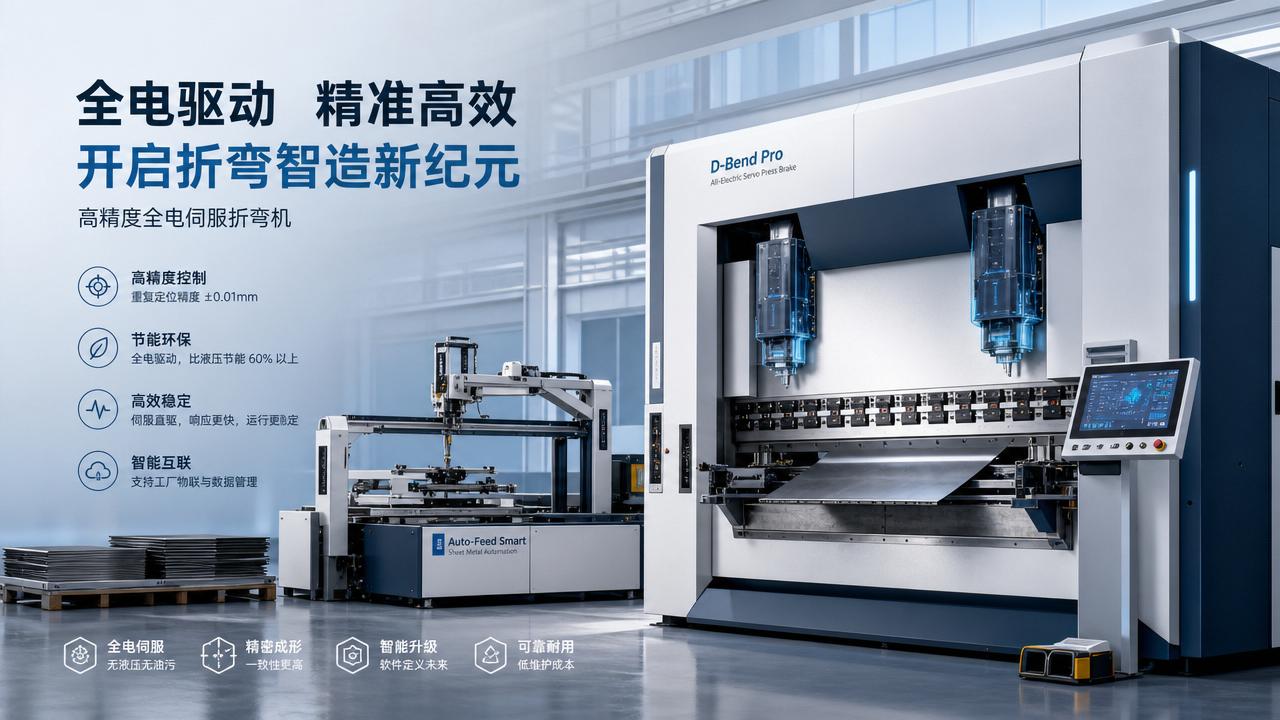
 All-Electric Press BrakesAll-Electric Servo Drives: Energy Savings vs Upgrade CostAnalyst :Precision Turning Architect
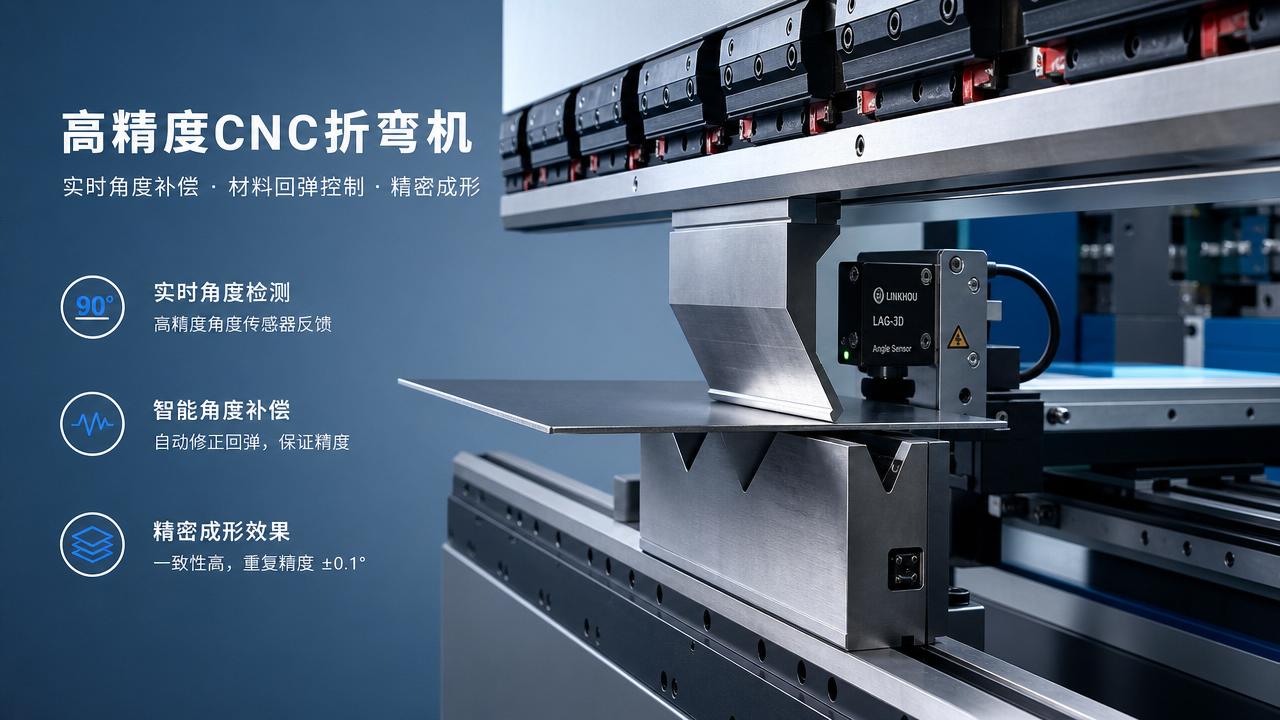
 All-Electric Press BrakesReal-Time Angle Compensation: What It Fixes and What It Doesn'tAnalyst :Precision Turning Architect
 Latest Sector NewsHigh-Strength Steel Machining: Tool Life Myths to AvoidAnalyst :Dr. Alistair Vaughn
 3D 5-Axis LaserComposite Material Cutting Without Delamination: Key MethodsAnalyst :
 Robotic Bending CellsAutomated Sheet Metal Forming: Hidden Setup Costs ComparedAnalyst :Precision Turning Architect