For business leaders under pressure to accelerate EV programs without inflating budgets, EV manufacturing solutions offer a practical path to lower launch costs, faster ramp-up, and stronger quality control.
By combining precision machining, flexible forming, intelligent automation, and data-driven planning, companies can reduce tooling waste, shorten validation cycles, and build scalable operations.
That shift matters now because EV launches face tighter margins, faster model refresh cycles, and higher expectations for lightweight structures, battery safety, and traceable quality.
EV manufacturing solutions are becoming a cost-control requirement, not a future option
The EV industry is moving from experimental growth to disciplined industrial execution. Launch success depends less on aggressive spending and more on production systems that prevent delay, scrap, and rework.
This is why EV manufacturing solutions now sit at the center of launch planning. They connect equipment capability, process stability, digital monitoring, and supplier coordination.
In advanced factories, the biggest savings rarely come from one machine alone. They come from a tightly linked chain of machining, cutting, forming, inspection, and automated handling.
AMTS follows this transition closely through high-precision machining, laser processing, sheet metal forming, and strategic intelligence around smart manufacturing infrastructure.
Several market signals explain why launch economics are changing so quickly
The current environment rewards flexible capacity and punishes rigid launch models. EV platforms are evolving before traditional tooling investments have fully paid back.
Battery enclosure designs, lightweight body structures, and thermal management components now require faster engineering changes and tighter tolerance consistency across multiple parts.
At the same time, geopolitical supply risks and export controls are changing sourcing strategies for CNC systems, linear scales, lasers, and automation modules.
- Shorter launch windows increase the cost of every engineering change.
- Mixed-material vehicle structures demand more process flexibility.
- Quality traceability is becoming essential for battery and safety parts.
- Capital efficiency matters more as EV pricing pressure grows.
- Automation must scale without locking production into one model mix.
The main drivers behind lower launch costs are technical, operational, and organizational
The strongest EV manufacturing solutions reduce cost before full production starts. They improve design transfer, tooling readiness, first-pass yield, and line balancing.
These drivers reinforce each other. Better machining improves assembly consistency. Better forming improves enclosure fit. Better data improves launch decisions across the whole production chain.
Where EV manufacturing solutions create the earliest and largest financial impact
Battery enclosures and structural housings
Battery trays and enclosures combine lightweighting demands with strict sealing and safety requirements. Precision cutting and forming reduce leakage risks, distortion, and assembly mismatch.
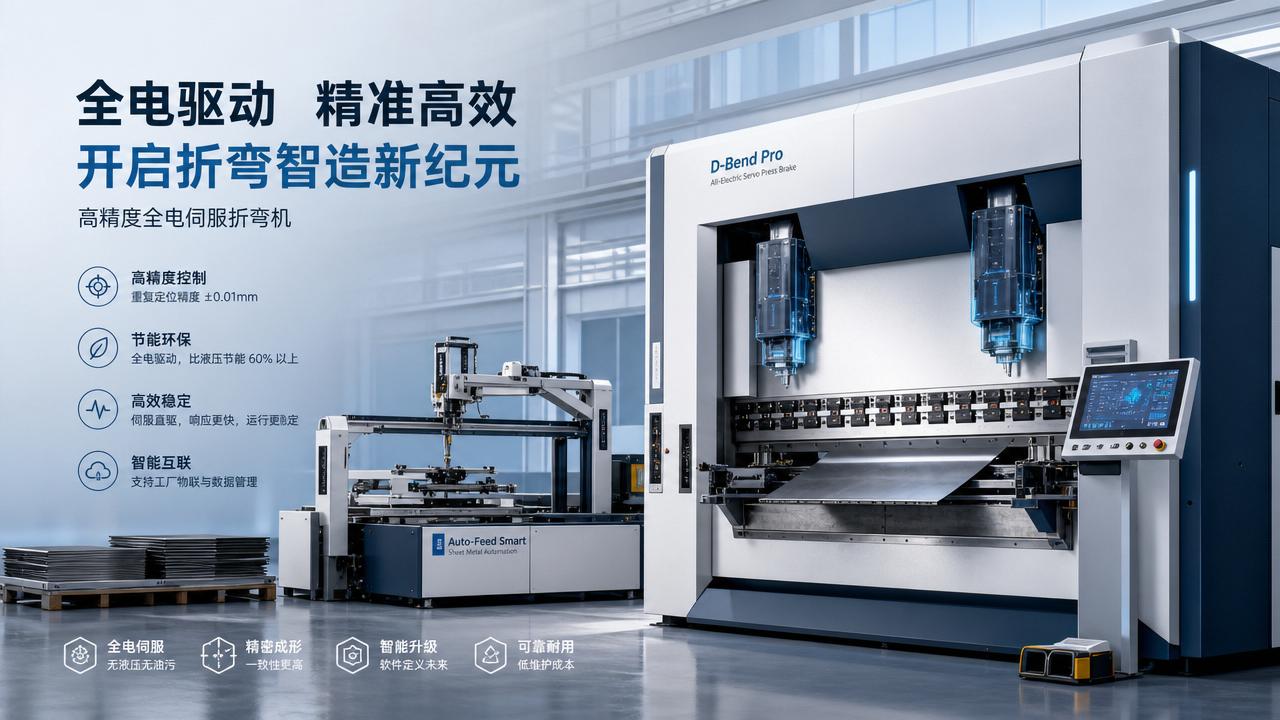
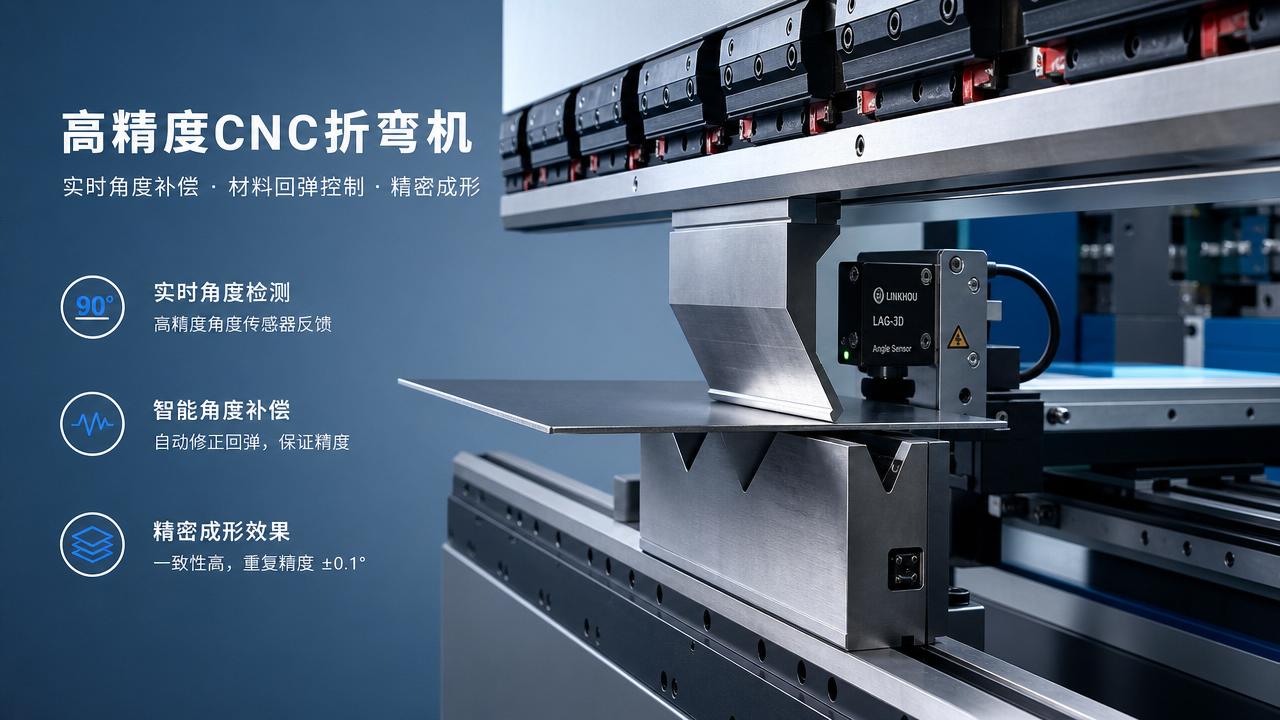
When laser cutting, press braking, and inspection are linked early, EV manufacturing solutions help avoid costly redesign loops and late-stage fixture corrections.
Motor, shaft, and cylindrical components
CNC lathes remain critical for rotor shafts, housings, and precision cylindrical parts. Stable turning processes improve concentricity, surface finish, and downstream balancing efficiency.
Launch costs drop when fewer parts fail inspection and when machining programs transfer smoothly from prototype runs to volume production.
Complex lightweight parts
5-axis CNC machining supports complex aluminum and high-strength alloy parts in one setup. That reduces workholding changes, tolerance stacking, and cycle-time unpredictability.
For EV manufacturing solutions, this matters because launch cost inflation often begins with unstable prototype-to-production transitions on complex geometry.
The impact extends across engineering, sourcing, operations, and quality systems
Cost reduction is not limited to the shop floor. EV manufacturing solutions influence quoting accuracy, platform planning, spare capacity strategy, and supplier qualification.
- Engineering gains faster feedback on whether a part can be machined or formed consistently.
- Sourcing gains more confidence in equipment and component availability.
- Operations gain smoother ramp-up through automation and reduced manual adjustments.
- Quality teams gain traceable data for dimensional and process control.
This broader influence explains why high-value launch planning increasingly depends on integrated manufacturing knowledge rather than isolated equipment purchases.
The smartest focus areas are no longer the cheapest machines, but the strongest process links
When evaluating EV manufacturing solutions, the key question is not simply machine price. The key question is how well each process supports launch stability and future model variation.
- Check whether 5-axis machining can handle geometry changes without long reprogramming delays.
- Assess whether laser systems maintain cut quality across different thicknesses and alloys.
- Review press brake angle compensation for repeatable forming during material variation.
- Use waterjet cutting where heat-affected zones could create hidden downstream defects.
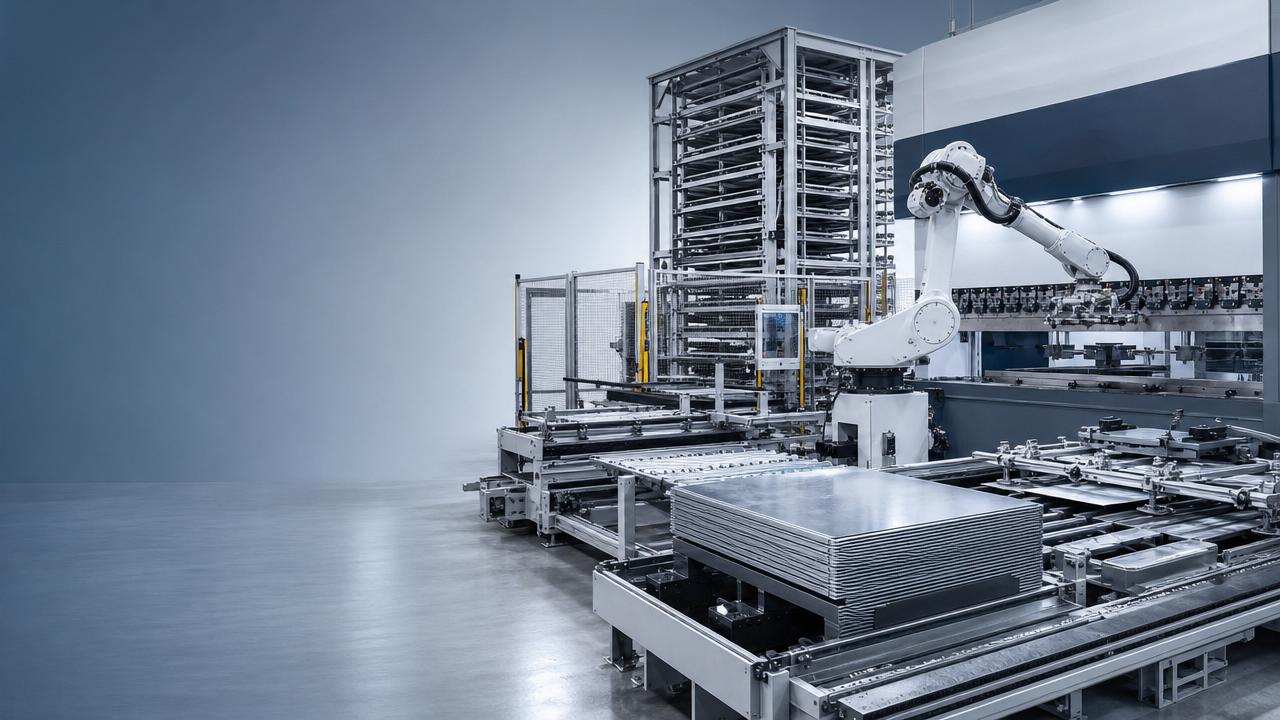
- Prioritize automation interfaces that support modular expansion instead of rigid line design.
- Track core component supply risks for CNC controls, sensors, and motion systems.
These choices help preserve optionality. In a volatile EV market, optionality often protects margin better than maximizing short-term utilization.
A practical response starts with phased decisions instead of oversized early investment
A phased approach can lower launch exposure while keeping scale potential open. It also aligns better with shifting demand and engineering revision cycles.
This staged model works especially well when EV manufacturing solutions are selected around long-term precision, flexibility, and data connectivity.
The next step is to align launch strategy with precision capability and intelligence depth
Companies that cut launch costs consistently do three things well. They understand part-critical tolerances, build flexible process routes, and monitor strategic supply dependencies early.
That is where AMTS provides value. Its focus on 5-axis CNC machining, metal cutting, sheet forming, and strategic intelligence supports better decisions across advanced EV production programs.
Use EV manufacturing solutions as a framework, not a slogan. Review the launch chain part by part, process by process, and supplier by supplier.
The fastest savings often appear where precision capability, flexible equipment, and manufacturing intelligence meet. That intersection is where launch cost reduction becomes repeatable and scalable.
Product Recommendations
 Abrasive Delivery SystemsIndustrial Waterjet Cutters: Abrasive Costs That Erode MarginsAnalyst :5-Axis Machining Scientist
 All-Electric Press BrakesAll-Electric Servo Drives: Energy Savings vs Upgrade CostAnalyst :Precision Turning Architect
 All-Electric Press BrakesReal-Time Angle Compensation: What It Fixes and What It Doesn'tAnalyst :Precision Turning Architect
 Latest Sector NewsHigh-Strength Steel Machining: Tool Life Myths to AvoidAnalyst :Dr. Alistair Vaughn
 3D 5-Axis LaserComposite Material Cutting Without Delamination: Key MethodsAnalyst :
 Robotic Bending CellsAutomated Sheet Metal Forming: Hidden Setup Costs ComparedAnalyst :Precision Turning Architect