For 2026 capital planning, laser cutting machines are being judged less by headline price and more by lifecycle economics. The market has shifted from simple wattage comparisons to broader questions: how much usable throughput does a system deliver, how stable is cut quality across material types, how deeply can it connect with digital production, and how expensive will it be to maintain performance over five to seven years? In sectors tied to aerospace, EV lightweighting, metal fabrication, electronics, and general industrial supply, the real cost of laser cutting machines now sits at the intersection of hardware, software, energy, labor, and service risk. Understanding those cost drivers early helps avoid overbuying, under-specifying, or choosing a platform that becomes expensive after installation.
Why 2026 upgrades are changing the cost logic for laser cutting machines
The upgrade cycle entering 2026 is shaped by three simultaneous pressures. First, sheet metal demand is becoming more variable: thinner aluminum for EV structures, high-strength steel for safety parts, stainless for enclosures, and mixed-batch fabrication for customized production. Second, labor availability continues to favor automation-ready equipment. Third, energy pricing and uptime sensitivity are pushing buyers to evaluate total cost per cut rather than machine list price. As a result, laser cutting machines with similar quoted prices can produce very different long-term returns.
Another signal is the widening performance gap between standard systems and digitally integrated platforms. In older buying models, a machine was mainly a cutting asset. In 2026, it is increasingly a node in a connected manufacturing cell, expected to exchange data with MES, nesting software, ERP, warehouse systems, and sometimes robotic loading units. That shift turns software architecture, controller flexibility, and remote diagnostics into major cost factors, even though they may not be obvious in initial quotations for laser cutting machines.
The main cost drivers are moving beyond source power alone
Power still matters, but it is no longer the sole proxy for value. A 12 kW or 20 kW system may look attractive on specification sheets, yet actual economics depend on process stability, material mix, assist gas consumption, nozzle life, pierce time, and how often operators must intervene. The following table summarizes the most influential cost drivers behind modern laser cutting machines.
Power selection is becoming a precision decision
A larger power source does not automatically mean a better investment. For many mixed-production environments, real output depends on the ratio of thin-sheet work to thick-plate jobs, the need for edge quality, and the share of nitrogen cutting. Some laser cutting machines in the mid-power range outperform higher-power units on annual profitability because they align better with actual work orders. In 2026, smart selection means modeling the material portfolio, not chasing the biggest available laser source.
Automation now changes ROI faster than raw cutting speed
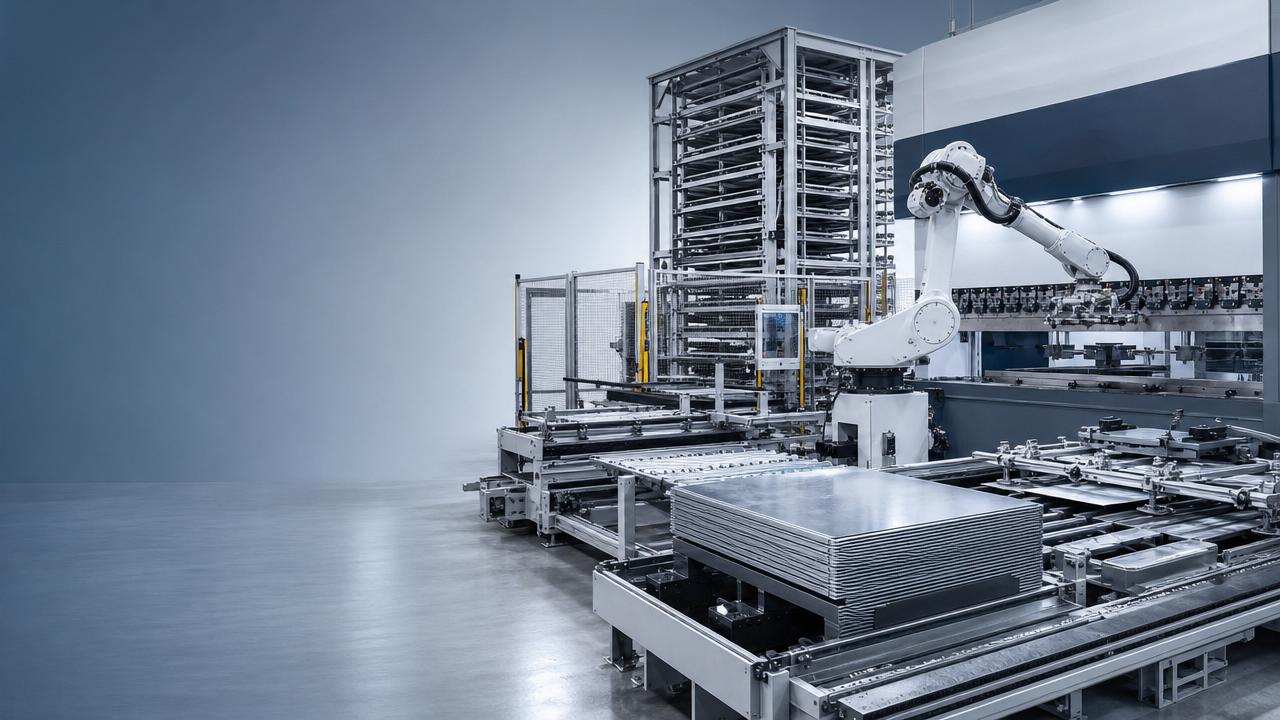
Automatic sheet loading, pallet exchange, part sorting, and storage integration can transform machine utilization. A fast cutting core with slow manual handling often creates bottlenecks. That is why automation-equipped laser cutting machines may justify a higher initial budget: they convert capacity into usable throughput, extend unattended shifts, and reduce dependence on manual intervention. In labor-tight regions, this has become one of the strongest cost drivers in upgrade planning.
What is pushing these costs upward or downward
- Demand for high-strength steel, aluminum alloys, and reflective materials is increasing process complexity.
- Digital manufacturing expectations are forcing deeper software and controller compatibility.
- Energy management is becoming a board-level issue in many industrial operations.
- Supply chain sensitivity for optics, laser sources, linear motion components, and CNC controls still affects replacement timelines and pricing.
- Quality traceability requirements are making monitoring, logging, and repeatability more valuable than before.
- The spread of lights-out production is raising the value of stable, self-correcting laser cutting machines.
These forces do not move uniformly across every industry, but together they explain why basic machine comparisons have become less useful. The winning platform is often not the cheapest or the fastest on paper; it is the one that produces predictable output under changing material, staffing, and scheduling conditions.
The impact extends across production, maintenance, and quoting accuracy
When laser cutting machines are selected without a full view of cost drivers, the consequences appear in multiple business areas. Production may see unstable cycle times due to material-specific tuning issues. Maintenance may face higher lens, nozzle, or protective window consumption than expected. Commercial teams may quote jobs too aggressively because the assumed cost per meter or cost per part does not reflect gas usage, scrap rates, or downtime exposure.
By contrast, well-matched laser cutting machines improve more than cutting performance. They support tighter nesting efficiency, steadier delivery promises, and cleaner integration with downstream bending, welding, and assembly steps. In advanced manufacturing environments, this system-level effect can be more valuable than a narrow comparison of cut speed alone.
The most important checkpoints before locking a 2026 specification
- Validate the material mix: review thickness distribution, annual volume, and the share of stainless, carbon steel, aluminum, copper, or coated materials.
- Calculate operating cost per application: include electricity, assist gas, consumables, scrap, maintenance intervals, and expected uptime.
- Check software openness: confirm compatibility with nesting tools, ERP, MES, scheduling systems, and remote diagnostics platforms.
- Stress-test automation assumptions: estimate real gains from loading, unloading, sorting, and tower storage rather than accepting generic ROI claims.
- Audit service capability: examine local parts inventory, response time, training quality, and diagnostic support for laser cutting machines.
- Review upgrade path: determine whether controls, cutting heads, and automation modules can be expanded later without major redesign.
A practical framework for comparing laser cutting machines without sourcing mistakes
This framework works especially well in comparative reviews where several laser cutting machines seem technically close. It shifts the discussion from brochure metrics to business-fit economics, which is where most upgrade value is won or lost.
The next move should be data-led, not quote-led
The strongest 2026 decisions will come from pairing machine specifications with actual production evidence: historical nesting results, material consumption, downtime logs, delivery pressure, and future automation goals. That approach reduces the chance of selecting laser cutting machines that look competitive at order stage but become costly through underutilization, software friction, or support delays.
AMTS continues to track the evolution of high-precision metal cutting, automation architecture, and the strategic component trends shaping next-generation laser cutting machines. A disciplined review of power fit, digital compatibility, service depth, and lifecycle efficiency is the clearest way to protect ROI in 2026 upgrades. The immediate next step is simple: build a comparison sheet based on real operating data, then evaluate each machine against throughput, cost per part, integration readiness, and long-term upgrade flexibility before entering final sourcing discussions.
Product Recommendations
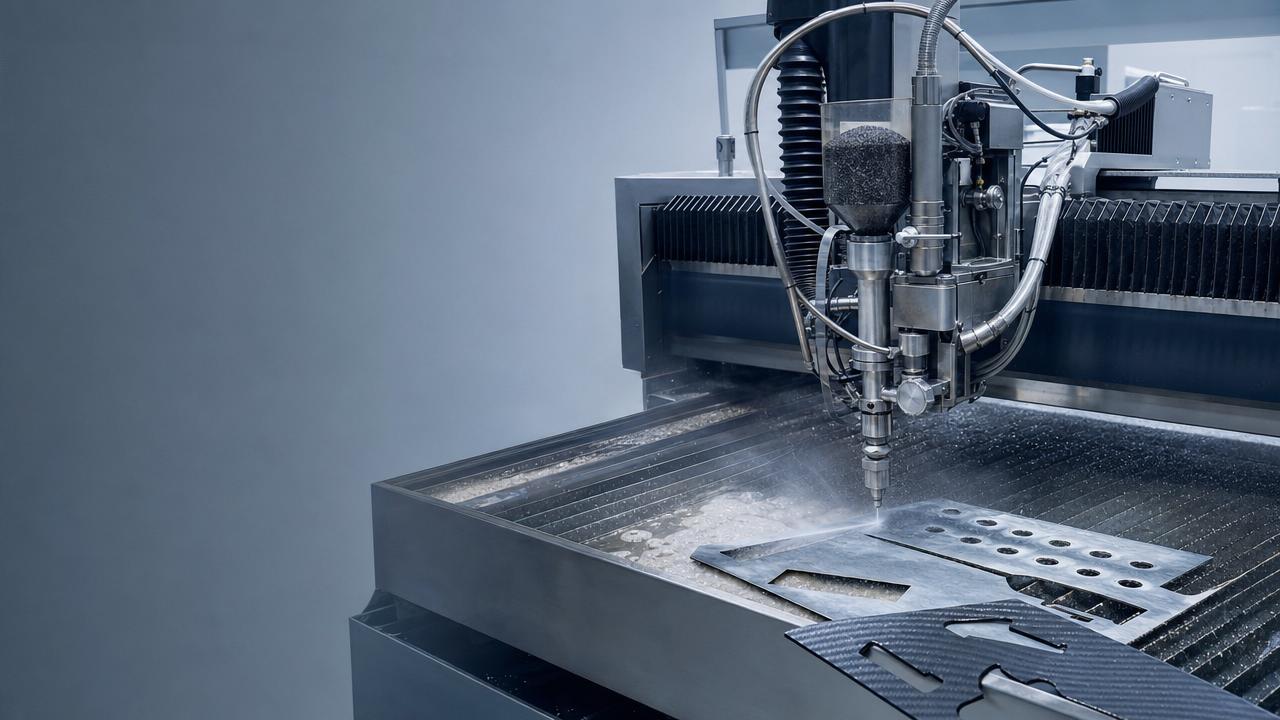
 Abrasive Delivery SystemsIndustrial Waterjet Cutters: Abrasive Costs That Erode MarginsAnalyst :5-Axis Machining Scientist
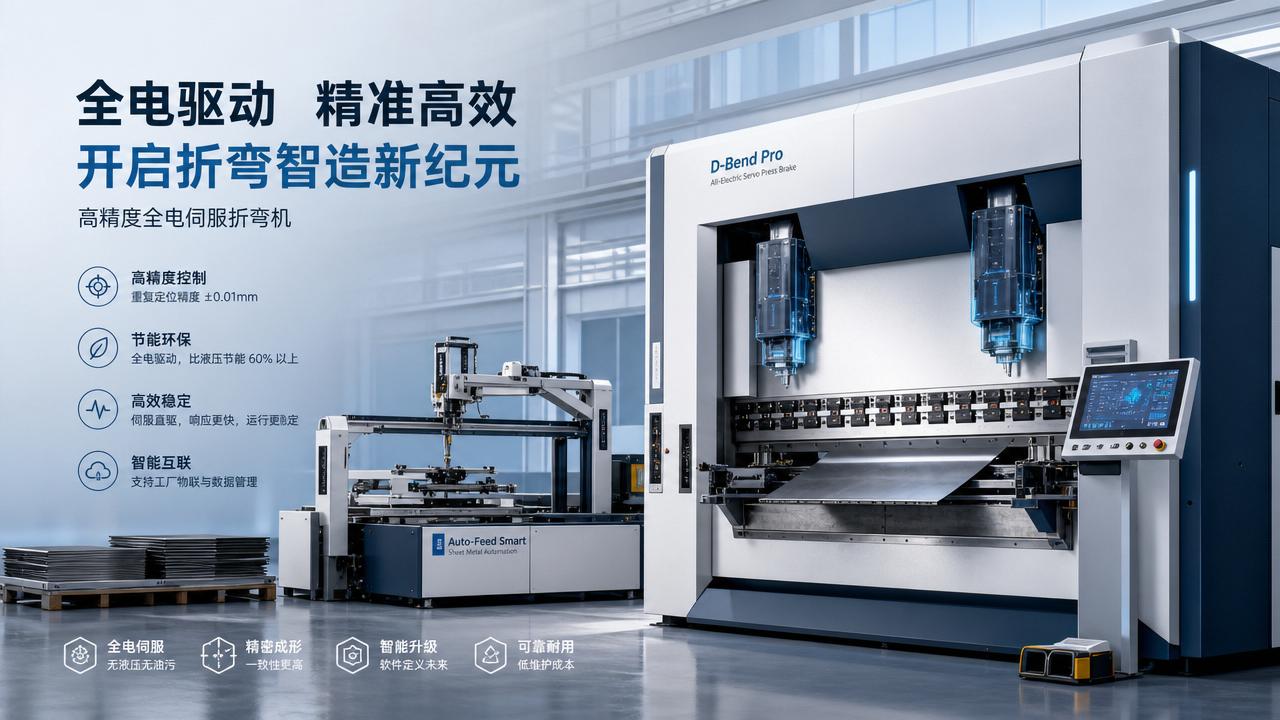
 All-Electric Press BrakesAll-Electric Servo Drives: Energy Savings vs Upgrade CostAnalyst :Precision Turning Architect
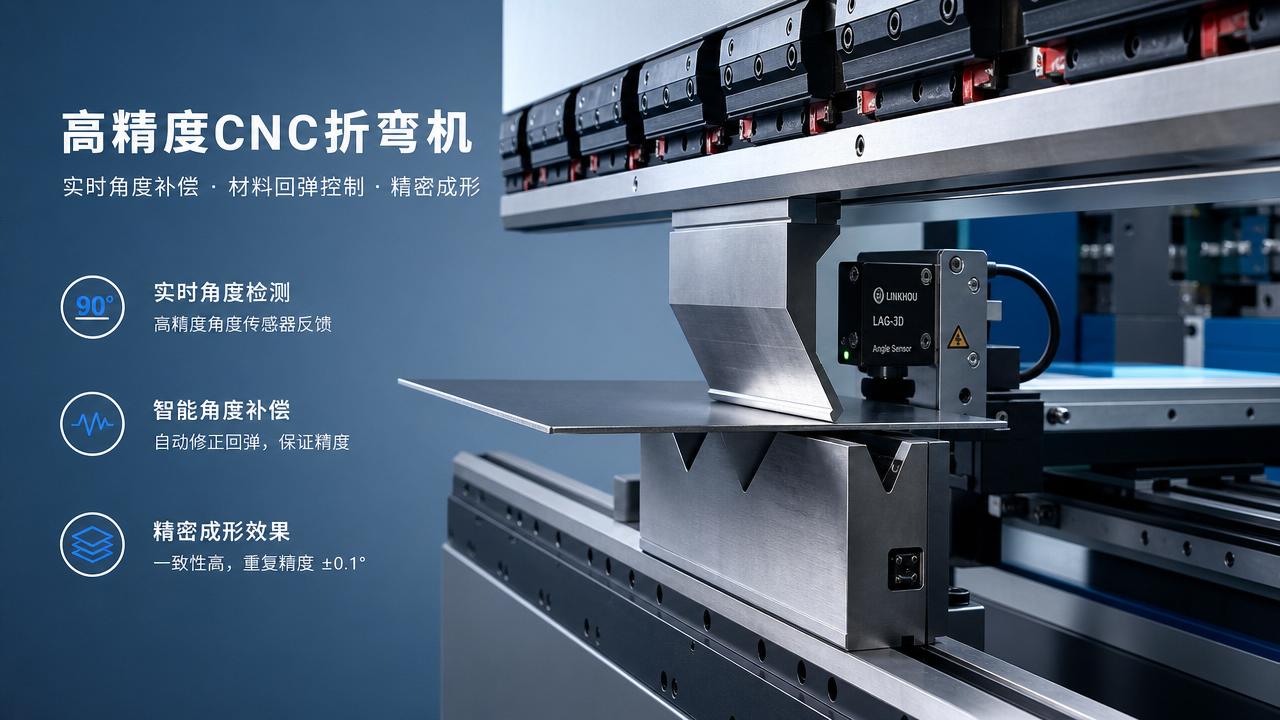
 All-Electric Press BrakesReal-Time Angle Compensation: What It Fixes and What It Doesn'tAnalyst :Precision Turning Architect
 Latest Sector NewsHigh-Strength Steel Machining: Tool Life Myths to AvoidAnalyst :Dr. Alistair Vaughn
 3D 5-Axis LaserComposite Material Cutting Without Delamination: Key MethodsAnalyst :
 Robotic Bending CellsAutomated Sheet Metal Forming: Hidden Setup Costs ComparedAnalyst :Precision Turning Architect