For business evaluators, investing in smart factory equipment is no longer about chasing trends—it is about identifying which technologies generate measurable ROI first. From 5-axis CNC machining centers and laser cutting systems to press brakes and waterjet cutters, the right choice depends on precision demands, automation potential, and market alignment. This article explores where returns appear fastest and how manufacturers can prioritize equipment with confidence.
The core search intent behind “smart factory equipment” in this context is practical and financial: decision-makers want to know which equipment investments pay back fastest, under what operating conditions, and how to avoid spending heavily on automation that looks advanced but does not improve margins.
For business evaluators, the short answer is clear. The fastest ROI usually comes from smart factory equipment that improves utilization, reduces labor dependency, cuts scrap, and integrates easily into existing production flows. In most factories, that means automation-ready laser cutting systems, CNC press brakes with angle compensation and offline programming, and CNC lathes or machining centers upgraded with monitoring, loading automation, and process control. Full 5-axis capability often creates outstanding strategic value, but its ROI is usually fastest only when part complexity, setup reduction, and high-value work justify the premium.
What Business Evaluators Actually Need to Know First
Most readers searching this topic are not looking for a generic definition of smart manufacturing. They want a ranking logic. Which equipment category should be funded first? Which one reduces operating cost fastest? Which one expands capacity without adding proportional labor? And which one creates measurable value within a timeframe that finance teams can support?
That means the evaluation should focus less on futuristic language and more on five hard questions: how quickly the equipment raises throughput, how much it lowers unit cost, whether it solves a known bottleneck, how difficult it is to implement, and whether the new capability aligns with real demand from target industries such as aerospace, medical, or NEV manufacturing.
In other words, the right smart factory equipment is not the most advanced machine in the brochure. It is the one that closes the biggest gap between current factory performance and profitable market demand.
The Best ROI Usually Starts with Bottleneck Equipment, Not Prestige Equipment
A common mistake in capital planning is to begin with the most impressive technology instead of the most constraining process. Smart factory investment should start where delays, rework, labor shortages, and variability are already hurting the business. If a shop constantly waits for cutting capacity, laser automation may deliver ROI before a new machining center. If bending accuracy causes downstream fit-up issues, an advanced press brake may outperform a more glamorous machine in financial terms.
Fast-return projects usually share three characteristics. First, they attack an active bottleneck. Second, they improve a process with repeatable volume, where small cycle-time gains multiply quickly. Third, they require moderate organizational change rather than a full production-system redesign.
This is why business evaluators should avoid asking, “What is the smartest equipment?” and instead ask, “What removes the most expensive constraint in the current production model?” That shift in framing leads to more reliable ROI decisions.
Which Smart Factory Equipment Typically Delivers ROI First?
In broad industrial terms, the equipment that delivers ROI first is usually the one that combines high utilization potential, straightforward automation, measurable labor savings, and direct impact on yield. In many sheet metal and fabrication environments, laser cutting machines and CNC press brakes lead the list. In turning-heavy environments, CNC lathes with bar feeders, robotic part handling, and in-process monitoring often pay back quickly. In high-mix precision machining, 5-axis machining centers can create major value, but the speed of ROI depends more heavily on part mix and programming maturity.
Fiber laser cutting systems often rank near the top because their value is easy to quantify. They reduce cut time, improve edge quality, minimize secondary processing, and work well with automated loading and unloading. For shops processing recurring materials and thickness ranges, the improvement in throughput can be dramatic. When paired with nesting software and material tracking, lasers also improve sheet utilization, which directly affects margins.
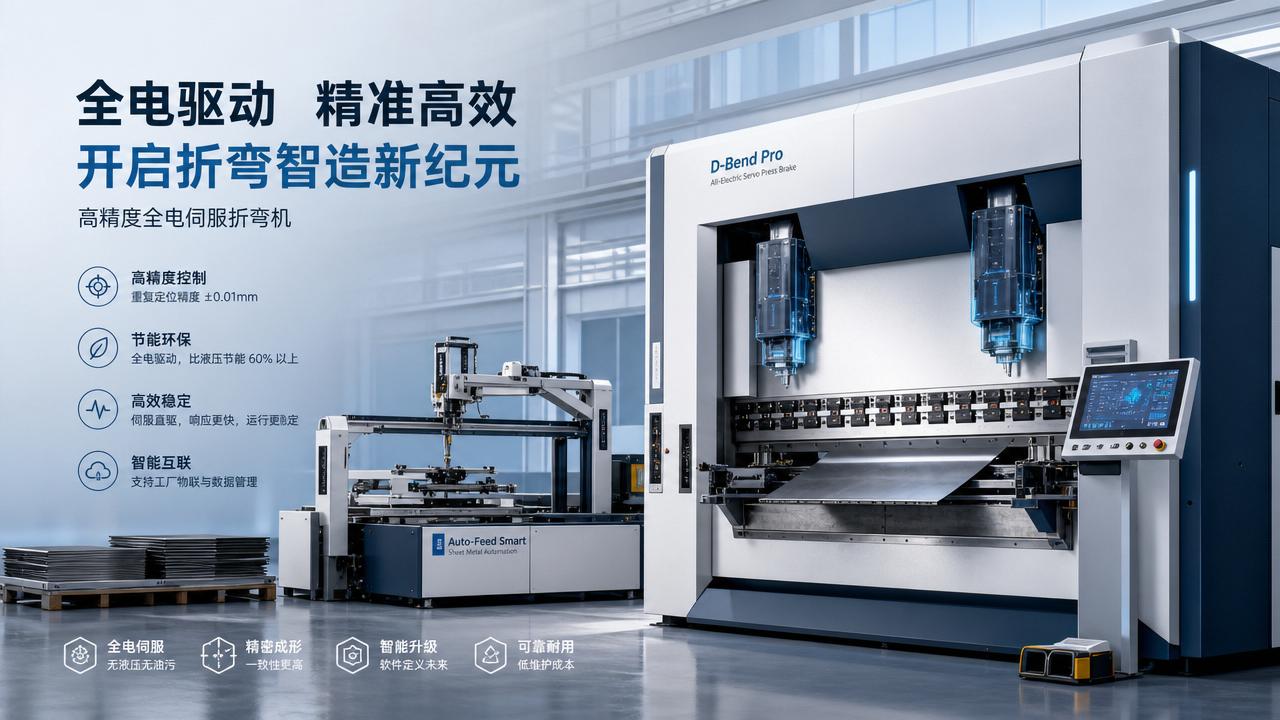
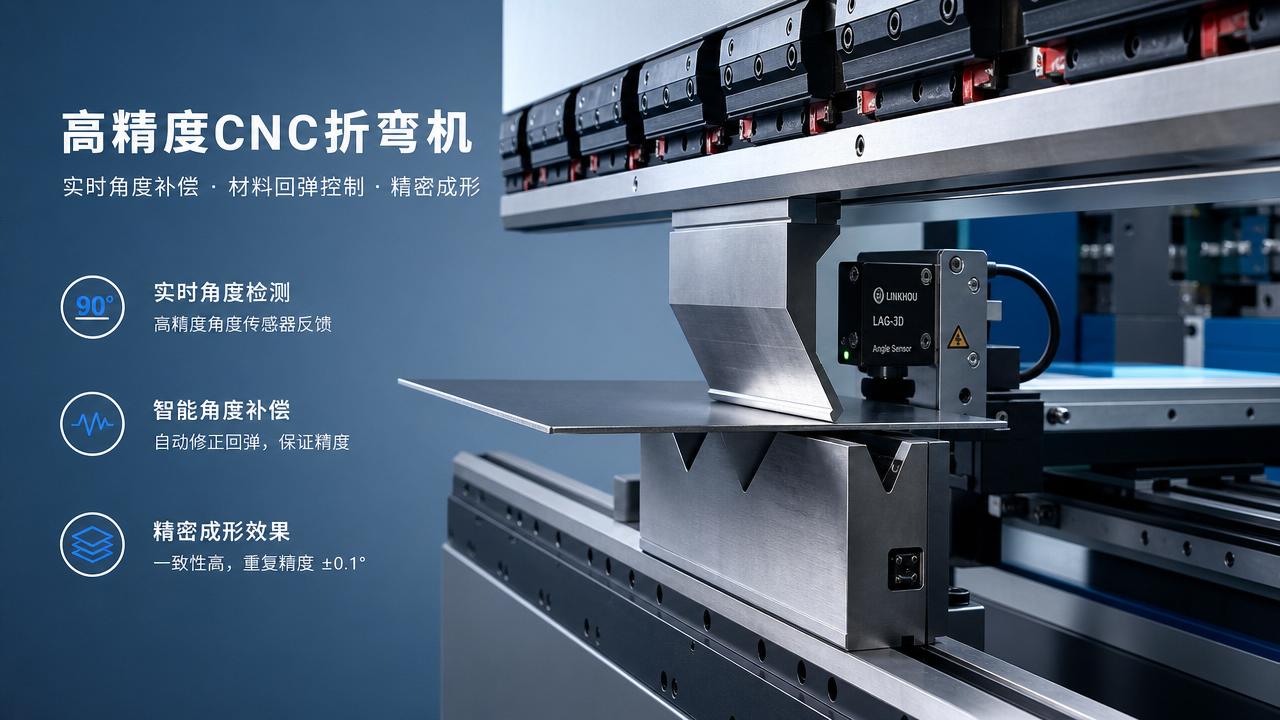
CNC press brakes can also produce fast ROI, especially when labor skill gaps are severe. Features such as offline programming, automatic tool setup assistance, real-time angle correction, and servo-electric efficiency reduce scrap, shorten setup, and make output less dependent on a few highly experienced operators. In a labor-constrained market, that benefit matters as much as pure cycle time.
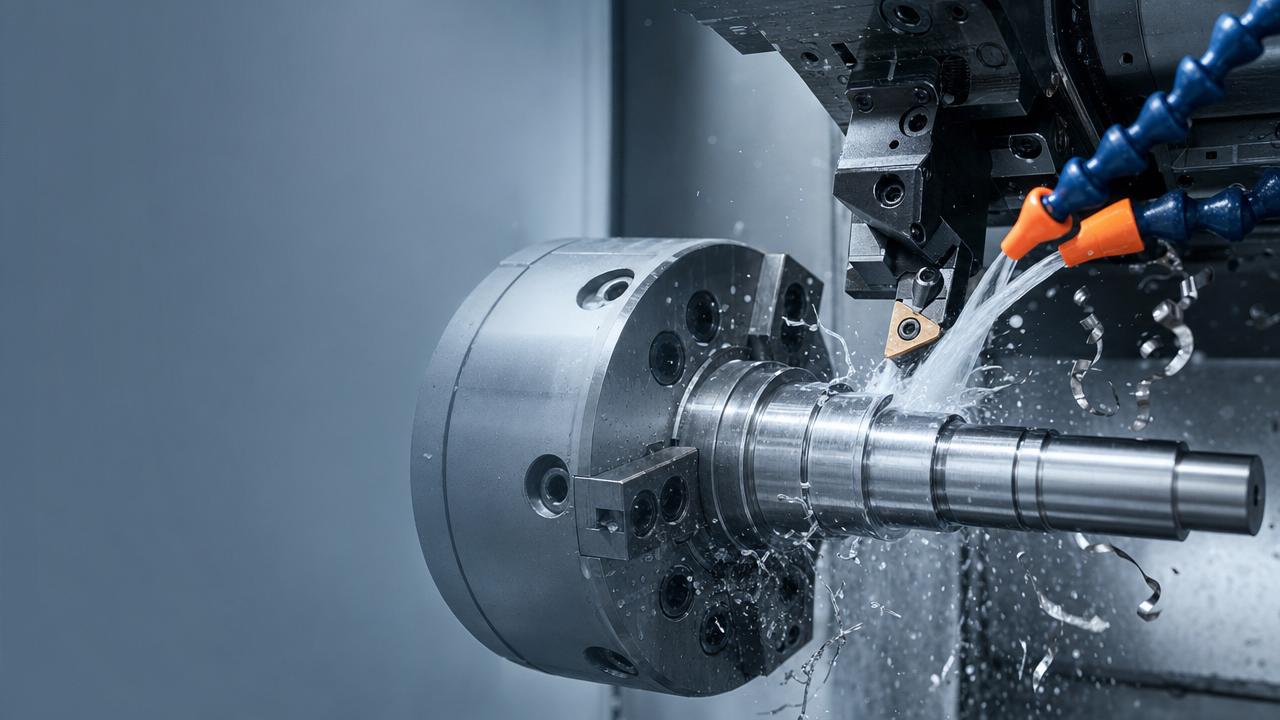
CNC lathes are frequently underestimated in smart factory conversations, yet they can be among the best first investments. Turning operations often run high volumes of repeatable cylindrical parts. Adding bar feeders, automatic gauging, tool-life monitoring, and unattended operation can significantly improve spindle utilization. Because the process is repeatable, the financial impact is easier to model than in highly variable manual operations.
5-axis CNC machining centers are different. They can generate exceptional long-term value by reducing setups, improving precision, and enabling complex geometries in one clamping. For aerospace components, medical implants, precision molds, and NEV structural parts, they may be essential. However, they do not always deliver the fastest initial ROI unless the factory already has strong CAM capability, stable demand for complex parts, and enough work to keep the machine loaded.
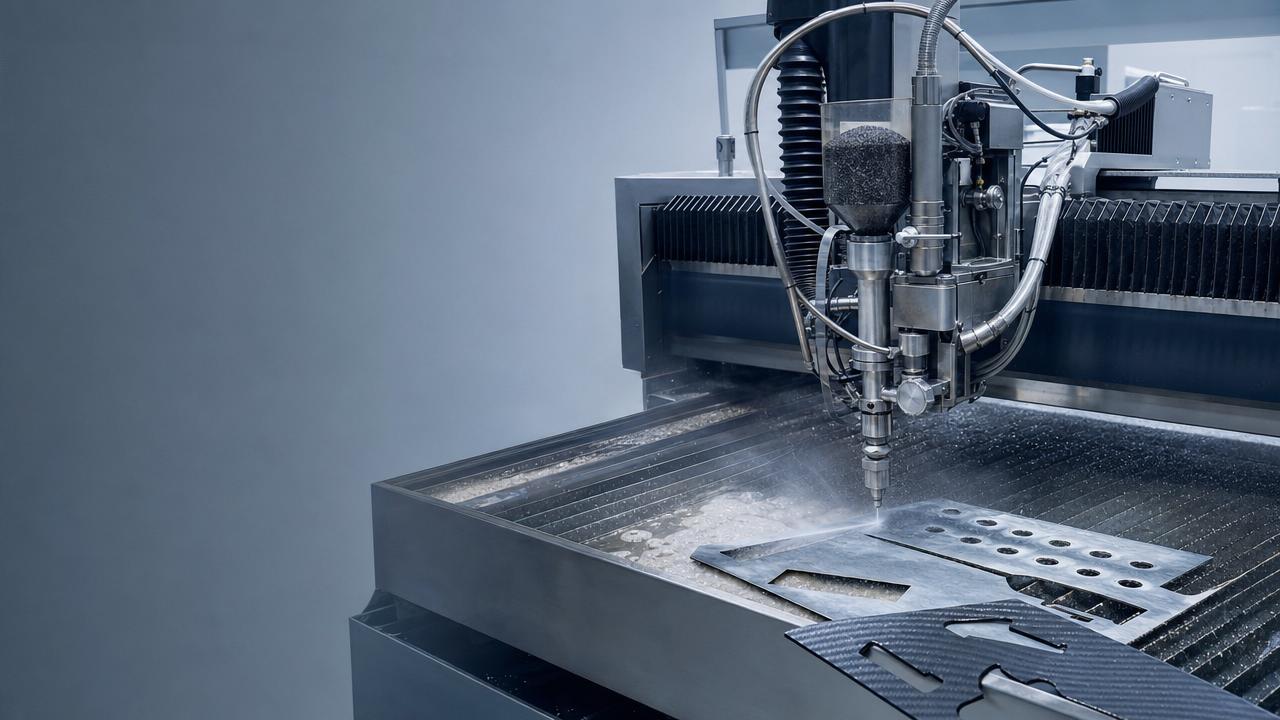
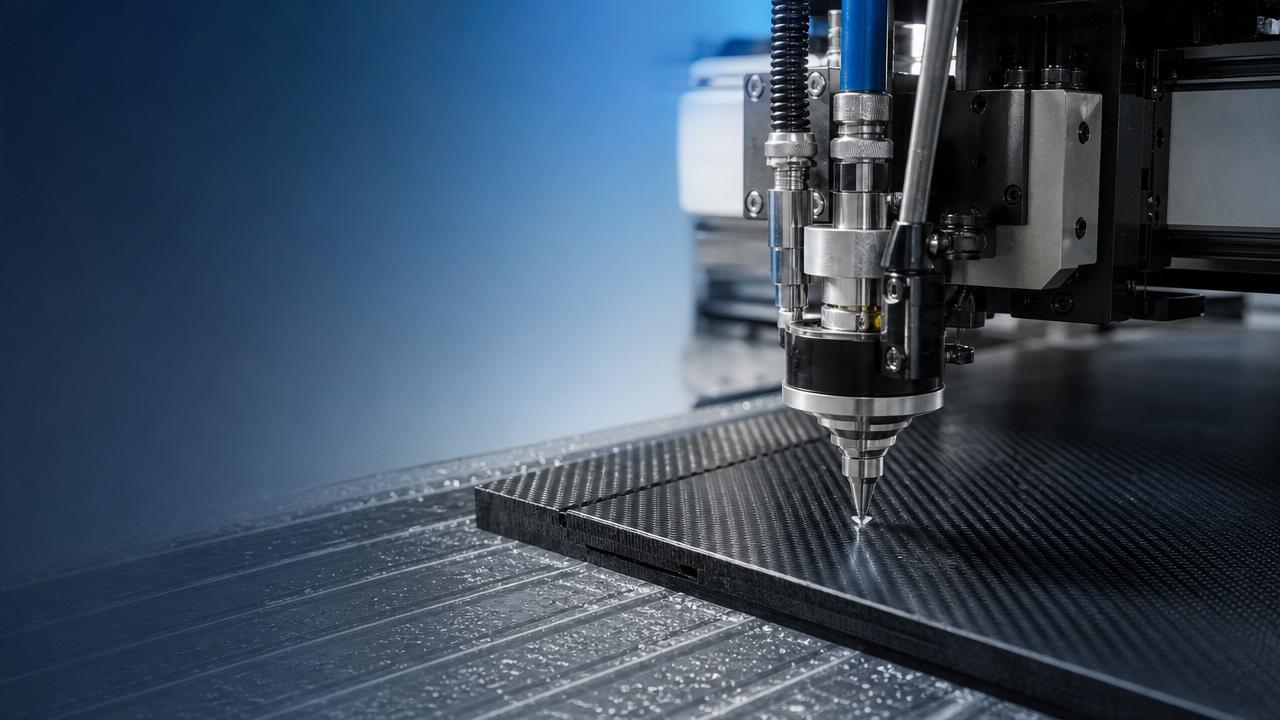
Industrial waterjet cutters occupy a more specialized ROI category. They are rarely the fastest universal payback machine, but in applications involving heat-sensitive composites, titanium, laminated materials, or parts where no heat-affected zone is critical, they can be the only economically viable option. For the right niche, that exclusivity itself becomes the ROI driver.
Why Laser Cutting and Press Brake Automation Often Win the First Round
For many evaluators, the first round of smart factory equipment investment should prioritize processes where automation complexity is relatively low and cost reduction is highly visible. Laser cutting and bending fit this pattern well. Both are central production stages in sheet metal environments, both generate data cleanly, and both connect naturally to digital scheduling and material flow systems.
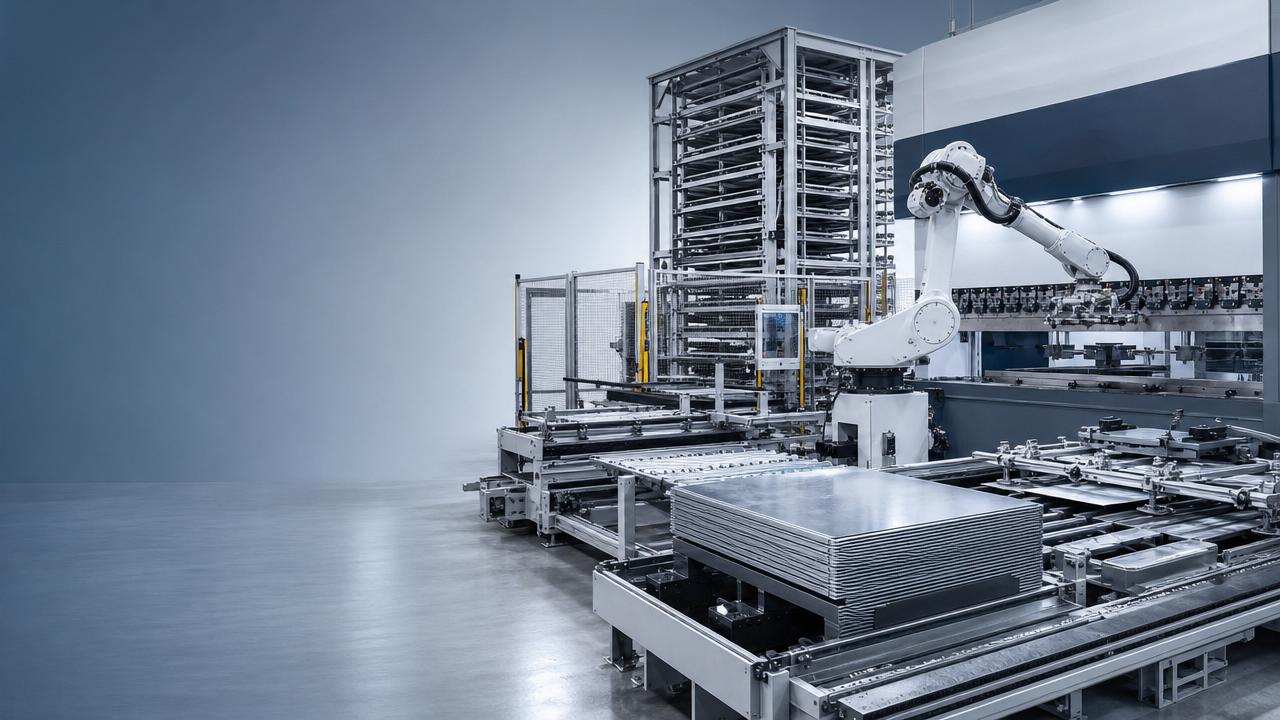
A modern laser cell can improve business performance in multiple ways at once: faster processing, lower labor per part, less waiting between jobs, better material yield, and cleaner handoff to downstream bending or welding. If a factory already has enough order volume, these gains tend to show up quickly in OEE, on-time delivery, and gross margin.
Likewise, a smart press brake can reduce one of the most persistent hidden costs in fabrication: setup dependency on skilled operators. If every new part requires manual correction and trial bends, the real cost is not only scrap but also schedule instability. Automated angle measurement, digital tooling libraries, and robot-assisted part handling can turn bending from an artisanal bottleneck into a more scalable process.
These technologies are also easier to justify because their performance metrics are familiar to finance and operations teams. Material yield, cycle time, labor hours, scrap rates, and machine uptime are all measurable before and after installation.
When 5-Axis CNC Machining Centers Deliver Superior ROI
Although 5-axis machines are not always the fastest payback investment, they can become the highest-value smart factory equipment in the right operating model. This happens when part geometry is complex, tolerances are tight, setup time is expensive, and customers reward capability with premium pricing or long-term contracts.
In aerospace, for example, the ability to machine blades, housings, or structural parts in fewer setups can dramatically reduce cumulative tolerance error. That lowers inspection burden and scrap risk while improving delivery confidence. In medical manufacturing, one-setup machining of implants or precision instruments can improve consistency and support validated processes. In NEV supply chains, the pressure for lightweight structures and high-precision aluminum components increasingly rewards advanced machining capability.
However, business evaluators should be realistic. A 5-axis machine’s ROI depends on more than spindle speed and axis count. It depends on CAM expertise, collision-avoidance discipline, tooling strategy, fixturing, operator training, and the ability to feed the machine with profitable work. If those conditions are weak, the machine may be underutilized and the return delayed.
That is why 5-axis investments should be assessed as part of a capability platform, not as an isolated asset purchase. The question is not only whether the machine is productive, but whether the business can systematically convert its capability into revenue, margin, and customer differentiation.
Smart Upgrades Can Outperform New Machine Purchases in Early ROI
Another important judgment for evaluators is whether the best first move is new equipment at all. In many factories, the first measurable ROI comes from making existing machines smarter rather than replacing them immediately. Machine monitoring, tool-condition sensing, automatic probing, digital work instructions, palletization, robotic tending, and production analytics can unlock capacity at far lower capital cost.
This is especially true when the current equipment base is mechanically sound but operationally underoptimized. If spindle uptime is low because of long setups, poor scheduling, or manual loading delays, buying a more advanced machine may not solve the root cause. Adding automation and visibility to existing assets may produce a faster and less risky return.
For example, a CNC lathe with stable cutting performance but inconsistent operator attendance may benefit more from a bar feeder and remote monitoring than from total replacement. A machining center with frequent setup variation may gain more from probing cycles, fixture standardization, and software integration than from another machine on the floor.
In ROI terms, this matters because low-disruption upgrades often improve cash efficiency. They can raise output without the learning curve, floor space requirements, utility modifications, and process requalification that come with major new equipment.
The ROI Model Should Include More Than Purchase Price
Many weak equipment decisions come from narrow cost models. Business evaluators should measure smart factory equipment using total economic impact, not only purchase cost and simple depreciation. A realistic ROI model includes direct labor reduction, throughput improvement, scrap reduction, quality gains, setup savings, energy use, maintenance burden, software cost, training time, and implementation risk.
It should also include strategic upside. Can the equipment win higher-value work? Can it reduce dependence on scarce labor? Can it improve lead times enough to increase customer retention? Can it create resilience against supply chain volatility by bringing outsourced processes in-house?
At the same time, the model should penalize hidden complexity. Equipment that requires rare programming skills, unstable upstream material quality, or major line redesign may look attractive in vendor presentations but produce delayed returns in real operations.
A practical framework is to score each equipment option against four categories: operational improvement, financial return, implementation difficulty, and strategic fit. The best first investment is usually the one with high operational and financial impact, moderate implementation difficulty, and clear alignment with target markets.
How to Prioritize by Factory Type and Market Focus
Not every factory should fund the same equipment first. In precision machining environments serving aerospace or medical customers, 5-axis machining centers, probing systems, and process monitoring may justify early investment because quality and complexity drive margin. In general metal fabrication, laser cutting and bending automation often produce faster financial results because volume, material yield, and labor efficiency matter most.
For suppliers targeting NEV production, evaluators should pay close attention to lightweight materials, throughput expectations, and traceability requirements. Equipment that supports aluminum machining, high-strength steel forming, digital process control, and scalable automation often creates stronger ROI because it aligns directly with evolving customer demand.
For mixed-production shops, the best answer may be staged investment. Start with equipment that stabilizes a bottleneck and improves data visibility. Then expand into higher-complexity assets once scheduling, programming, and labor systems are ready. This sequence often produces better returns than jumping immediately to the most advanced platform.
Common Reasons Smart Factory Equipment Fails to Meet ROI Expectations
Even strong technology can disappoint when the buying logic is weak. One common problem is overbuying capability. A machine built for extreme complexity will not pay back quickly if the actual work mix is simple and price-sensitive. Another issue is underestimating change management. Smart factory equipment changes workflows, staffing needs, programming practices, and maintenance routines.
Some companies also fail because they automate a nonstandard process. If part routings, fixtures, tooling, or material handling are inconsistent, automation may magnify instability rather than eliminate it. In those cases, standardization should come before or alongside capital investment.
Vendor evaluation is another critical point. Buyers should look beyond nominal machine specifications and assess application support, software usability, service response, spare parts access, and integration experience. For sophisticated assets such as 5-axis CNC systems or robotic cutting cells, after-sales support can materially influence realized ROI.
A Practical Decision Rule for First Investment
If a business evaluator needs a concise decision rule, it is this: fund the smart factory equipment that solves a proven bottleneck, integrates with current operations, reduces dependence on scarce labor, and produces measurable gains within twelve to twenty-four months. In many factories, this means starting with smart cutting, bending, or turning automation rather than leading with the most complex machining platform.
Choose 5-axis first when complexity is the business model. Choose laser first when throughput and sheet utilization drive profit. Choose press brake automation first when quality variation and skilled-labor dependency slow growth. Choose waterjet first when material sensitivity makes cold cutting strategically necessary. And always consider whether retrofitting intelligence into existing machines can deliver a faster first return.
Conclusion
The smartest first investment in smart factory equipment is rarely determined by technology prestige alone. It is determined by where the factory loses the most money today and where market demand will reward better capability tomorrow. For business evaluators, the fastest ROI typically comes from equipment that lifts utilization, reduces labor dependence, improves consistency, and fits naturally into current production realities.
That is why the most effective capital decisions begin with bottleneck analysis, not equipment catalogs. When investment is tied to process economics, implementation readiness, and customer demand, smart factory equipment becomes more than automation. It becomes a disciplined path to stronger margins, higher resilience, and sustainable manufacturing competitiveness.
Product Recommendations
 Abrasive Delivery SystemsIndustrial Waterjet Cutters: Abrasive Costs That Erode MarginsAnalyst :5-Axis Machining Scientist
 All-Electric Press BrakesAll-Electric Servo Drives: Energy Savings vs Upgrade CostAnalyst :Precision Turning Architect
 All-Electric Press BrakesReal-Time Angle Compensation: What It Fixes and What It Doesn'tAnalyst :Precision Turning Architect
 Latest Sector NewsHigh-Strength Steel Machining: Tool Life Myths to AvoidAnalyst :Dr. Alistair Vaughn
 3D 5-Axis LaserComposite Material Cutting Without Delamination: Key MethodsAnalyst :
 Robotic Bending CellsAutomated Sheet Metal Forming: Hidden Setup Costs ComparedAnalyst :Precision Turning Architect