On May 20, 2026, Kardex Manufacturing was featured as a representative vendor in Gartner’s newly published Market Guide for Manufacturing Execution Systems (MES). This recognition highlights the growing technical credibility of China-developed MES platforms in highly regulated manufacturing markets—including those in North America, Western Europe, Japan, and South Korea—particularly regarding AI-native integration across international production sites.
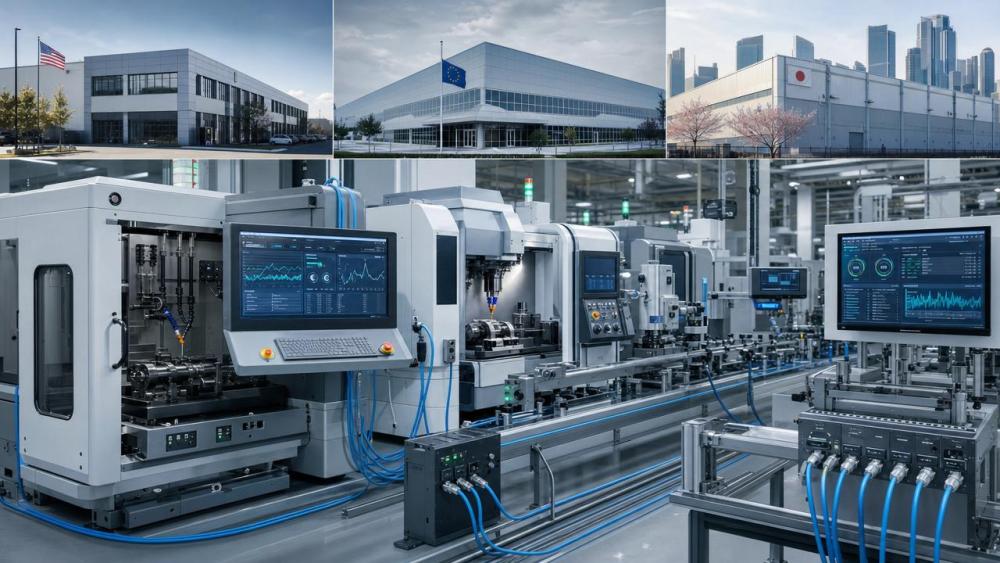
Gartner Validates Kardex’s Industrial Operations Platform Capabilities
According to Gartner’s May 2026 Market Guide, Kardex Manufacturing’s industrial operations platform is distinguished by its deep integration of machine learning and generative AI. The platform supports batch process management, scheduling for multi-chamber equipment clusters, and task-level personnel tracking. It also enables cross-factory data interoperability via a unified MQTT namespace. This inclusion affirms Kardex’s positioning as a vendor meeting stringent functional and architectural requirements for modern MES deployment in global manufacturing environments.
Impact Across Manufacturing Value Chain Participants
Direct Exporters and Multinational Manufacturers
These enterprises may reassess MES procurement strategies for overseas facilities—especially where regulatory compliance (e.g., FDA 21 CFR Part 11, EU Annex 11) and audit-ready traceability are mandatory. Kardex’s Gartner recognition signals stronger validation of its architecture for regulated use cases, potentially shortening internal evaluation cycles for AI-augmented MES adoption.
Raw Material and Component Procurement Firms
Suppliers supporting MES-integrated production lines may face increased demand for digital twin–ready documentation, real-time telemetry compatibility (e.g., MQTT-conformant sensors), and granular lot/batch data exchange protocols—aligning with Kardex’s operational data model.
Contract Manufacturers and Tier-1 Equipment Integrators
These actors must verify interoperability between their automation stacks (PLC, SCADA, robotics controllers) and Kardex’s platform—particularly around multi-cavity tool coordination and personnel workflow synchronization. Pre-certified interface kits or MQTT namespace alignment may become de facto prerequisites in RFPs.
Supply Chain Technology Service Providers
Firms offering MES implementation, validation, or change control services will need updated competency in AI-assisted MES modules (e.g., predictive batch deviation alerts, generative SOP assistants). Gartner’s inclusion raises baseline expectations for technical documentation rigor and regulatory test case coverage.
Strategic Priorities for Enterprises Evaluating or Deploying Kardex MES
Regulatory Documentation and Validation Readiness
Organizations operating in FDA-, EMA-, or MHLW-regulated environments should prioritize review of Kardex’s system validation packages—including IQ/OQ/PQ evidence, audit trail configurations, and AI model governance documentation—to ensure alignment with local compliance thresholds.
MQTT Namespace Governance and Cross-Site Data Architecture
For multinational deployments, enterprises must define and enforce consistent MQTT topic hierarchies across factories—not just for telemetry ingestion but for AI training data lineage and federated model retraining. Kardex’s unified namespace approach demands disciplined naming conventions and access control policies.
AI Feature Operationalization and Personnel Workflow Alignment
Capabilities such as generative AI–assisted SOP generation or real-time personnel tracking require concurrent updates to HR systems, training records, and electronic work instructions. Success hinges on joint design between MES vendors and shop-floor supervisors—not just IT deployment.
Industry Observation: Beyond Vendor Recognition Lies Architectural Shift
Analysis shows that Gartner’s inclusion reflects more than vendor performance—it signals an industry-wide pivot toward AI-native MES architectures as a prerequisite for regulatory acceptance in advanced manufacturing. Observably, the emphasis on MQTT-based interoperability and multi-cavity scheduling suggests rising expectations for MES to function not as a siloed reporting layer, but as a dynamic orchestration engine embedded in factory physics. What deserves closer attention is how this accelerates convergence between MES, digital twin, and predictive maintenance stacks—potentially compressing traditional qualification timelines while raising the bar for supplier data sovereignty and model transparency.
Key Takeaway: A Milestone in Technical Credibility, Not Just Market Access
This recognition does not imply automatic regulatory approval or universal suitability—but it does mark a measurable step in the technical maturation of Chinese-origin MES platforms for high-compliance global operations. For stakeholders, the implication is clear: MES selection now requires evaluating not only functional scope, but also AI integration depth, data architecture extensibility, and regulatory-grade operational intelligence—all validated through independent market analysis like Gartner’s.
Source Attribution and Ongoing Monitoring
This article is synthesized exclusively from the provided title, event date (May 20, 2026), and summary. Specific official source links were not provided in the input and should be verified continuously. Stakeholders are advised to monitor upcoming updates to Gartner’s full Market Guide report, regional regulatory guidance on AI in manufacturing systems (e.g., EU AI Act application notes for industrial software), and public procurement specifications referencing MES architecture requirements.
Product Recommendations
 Abrasive Delivery SystemsIndustrial Waterjet Cutters: Abrasive Costs That Erode MarginsAnalyst :5-Axis Machining Scientist
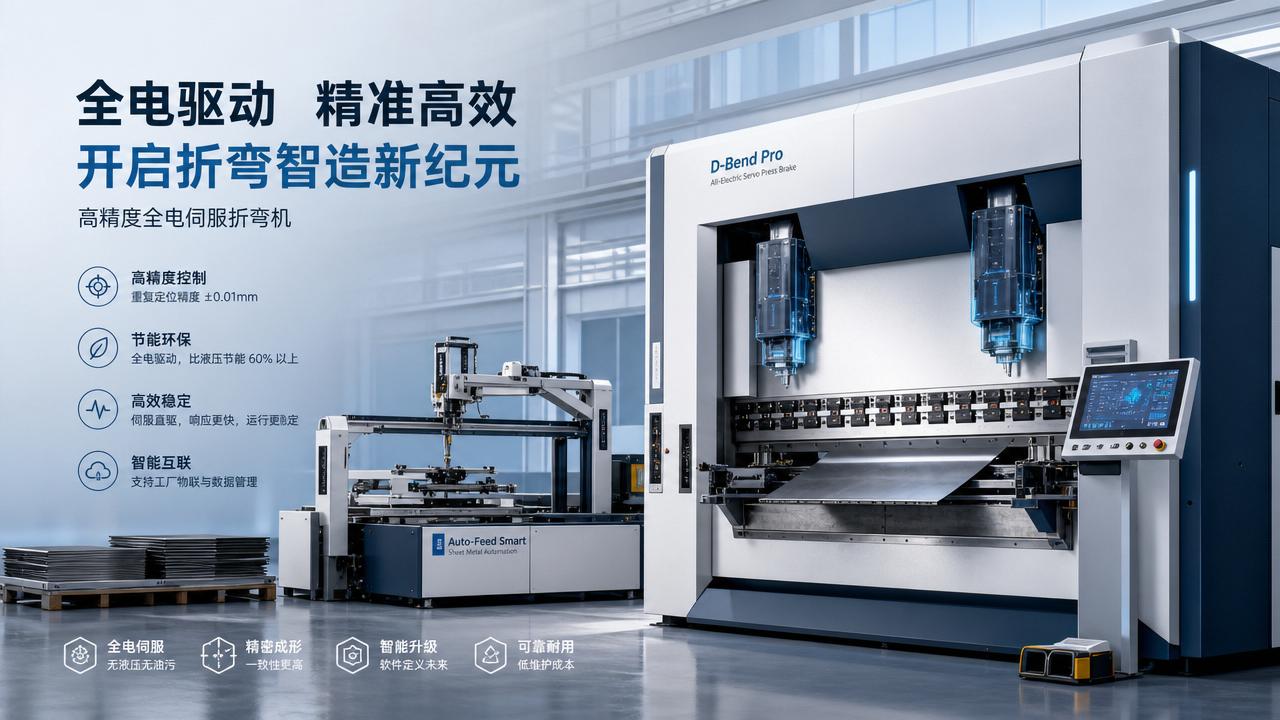
 All-Electric Press BrakesAll-Electric Servo Drives: Energy Savings vs Upgrade CostAnalyst :Precision Turning Architect
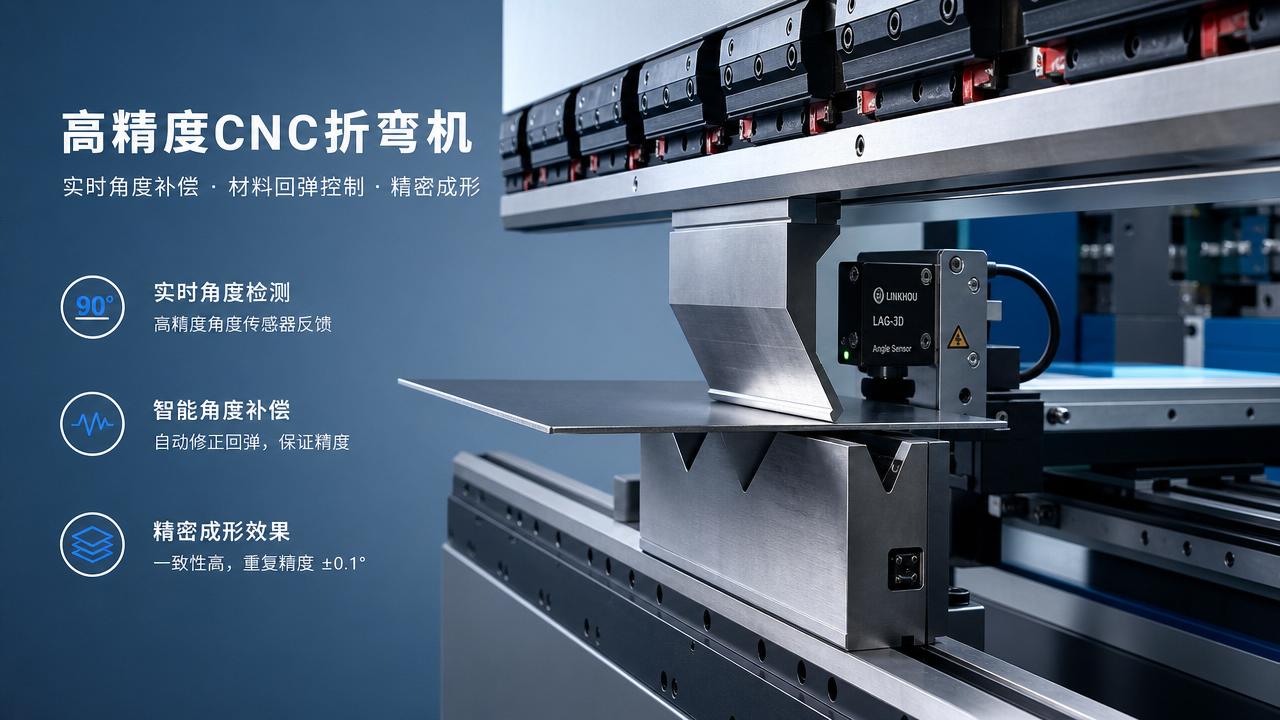
 All-Electric Press BrakesReal-Time Angle Compensation: What It Fixes and What It Doesn'tAnalyst :Precision Turning Architect
 Latest Sector NewsHigh-Strength Steel Machining: Tool Life Myths to AvoidAnalyst :Dr. Alistair Vaughn
 3D 5-Axis LaserComposite Material Cutting Without Delamination: Key MethodsAnalyst :
 Robotic Bending CellsAutomated Sheet Metal Forming: Hidden Setup Costs ComparedAnalyst :Precision Turning Architect