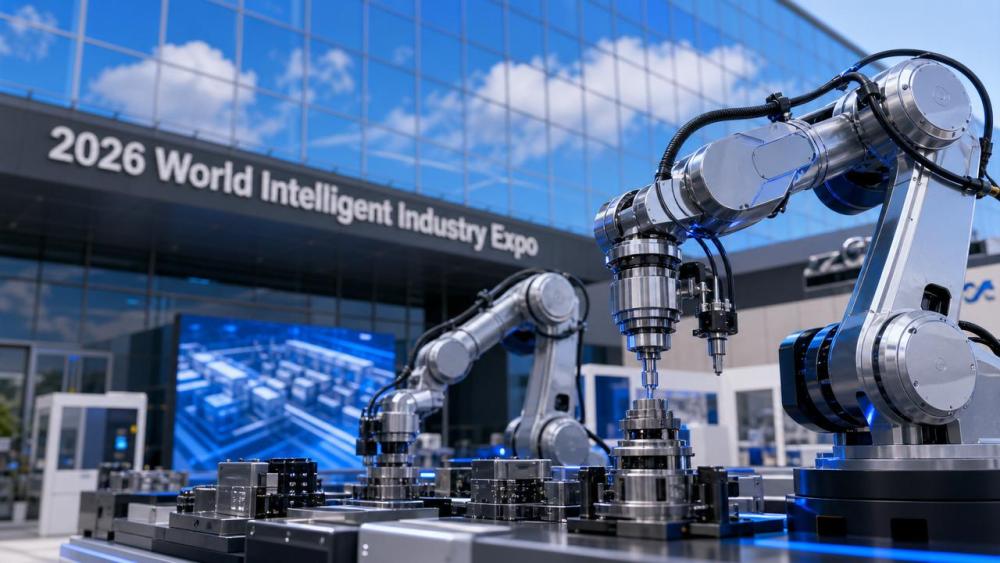
The 2026 World Intelligent Industry Expo opened in Tianjin on May 28, focusing on emerging application scenarios for embodied AI and high-precision manufacturing equipment export—particularly targeting new energy vehicles (NEVs) and aerospace sectors. The event runs through May 31 and signals strategic shifts for trade, manufacturing, and supply chain stakeholders engaged with Middle Eastern, Southeast Asian, and Shanghai Cooperation Organization (SCO) markets.
Event Overview
Held from May 28 to 31, 2026, in Tianjin, the 2026 World Intelligent Industry Expo adopted the theme ‘Intelligence Drives Global Progress, Energy Powers the Future.’ It featured six exhibition zones—including Artificial Intelligence Core Technologies, Embodied Intelligence, and Intelligent Manufacturing. Participating enterprises included Huawei, Tesla, and Unitree Robotics. Demonstrated technologies included five-axis collaborative robots, high-power laser processing integrated units, and intelligent production line digital twin platforms. The expo also launched the ‘Belt and Road’ Intelligent Equipment Matching Channel to strengthen export support services for countries in the Middle East, Southeast Asia, and SCO member states.
Industries Affected
Direct Exporters of Intelligent Manufacturing Equipment
These firms face evolving demand signals as the expo prioritizes high-precision systems for NEV and aerospace applications. Impact manifests in shifting buyer expectations around technical integration (e.g., digital twin compatibility), certification readiness (e.g., CE, GCC, ASEAN standards), and after-sales service localization.
Contract Manufacturers Serving NEV or Aerospace OEMs
Manufacturers supplying components or subsystems for intelligent production lines may see revised upstream specifications—especially regarding motion control precision, thermal stability under continuous operation, and interoperability with cloud-based monitoring platforms. Demand for modular, reconfigurable hardware is likely to rise.
Supply Chain Service Providers (Logistics, Certification, Localization Support)
Service providers supporting cross-border deployment of intelligent equipment must adapt to accelerated timelines for market entry in Belt and Road target regions. Requirements for bilingual technical documentation, local regulatory liaison, and commissioning support are becoming more standardized—and increasingly bundled into procurement contracts.
What Enterprises and Practitioners Should Monitor and Do Now
Track official rollout details of the ‘Belt and Road’ Intelligent Equipment Matching Channel
Monitor announcements from China’s Ministry of Commerce and provincial export promotion agencies regarding pilot partner lists, priority product categories (e.g., laser processing units vs. robotic controllers), and eligibility criteria for participation—these will shape near-term bidding and partnership opportunities.
Review technical compliance frameworks for key target markets
Confirm whether existing product certifications cover GCC Standardization Organization (GSO) requirements for industrial robotics or ASEAN Common Technical Dossier (CTD) templates for smart manufacturing systems—do not assume mutual recognition applies across all equipment classes.
Distinguish between policy signaling and commercial traction
While the expo highlights strategic intent, actual order volumes and financing mechanisms (e.g., export credit, local currency settlement pilots) remain unconfirmed. Prioritize engagement with confirmed buyer delegations—not just exhibitor booths—to assess real procurement timelines.
Prepare for pre-deployment coordination with overseas integrators
Begin aligning interface protocols (e.g., OPC UA version, cybersecurity certificate formats) and spare parts logistics models with known system integrators active in Saudi Arabia, Vietnam, or Kazakhstan—early alignment reduces field commissioning delays by up to 30% based on prior Belt and Road infrastructure projects.
Editorial Perspective / Industry Observation
Observably, this expo functions primarily as a coordination signal—not yet an operational milestone. Its significance lies less in immediate sales volume and more in standardizing expectations across Chinese equipment suppliers and overseas buyers in targeted regions. Analysis shows that the emphasis on ‘embodied intelligence’ and ‘high-precision manufacturing’ reflects a deliberate pivot from generic automation toward mission-critical, domain-specific capabilities—especially where reliability thresholds exceed those typical in consumer electronics or general industrial assembly. From an industry perspective, this marks the institutionalization of export-readiness as a design requirement, not an afterthought. It is not yet evidence of widespread market adoption, but rather the formalization of a preparation phase.
Conclusion: The 2026 World Intelligent Industry Expo should be understood as a structured inflection point in how intelligent manufacturing equipment is positioned for international markets—not as a standalone commercial event, but as a coordinated alignment mechanism among technology developers, system integrators, and policy enablers. Current conditions favor preparatory action over reactive response: firms best positioned are those treating export readiness as an embedded engineering constraint, not a marketing add-on.
Source: Official announcements from the 2026 World Intelligent Industry Expo Organizing Committee; confirmed participant list and exhibition zone structure as publicly released on May 28, 2026. Note: Details regarding transaction volumes, financing terms, and national-level implementation roadmaps under the ‘Belt and Road’ Intelligent Equipment Matching Channel remain pending official publication and require ongoing observation.
Product Recommendations
 Abrasive Delivery SystemsIndustrial Waterjet Cutters: Abrasive Costs That Erode MarginsAnalyst :5-Axis Machining Scientist
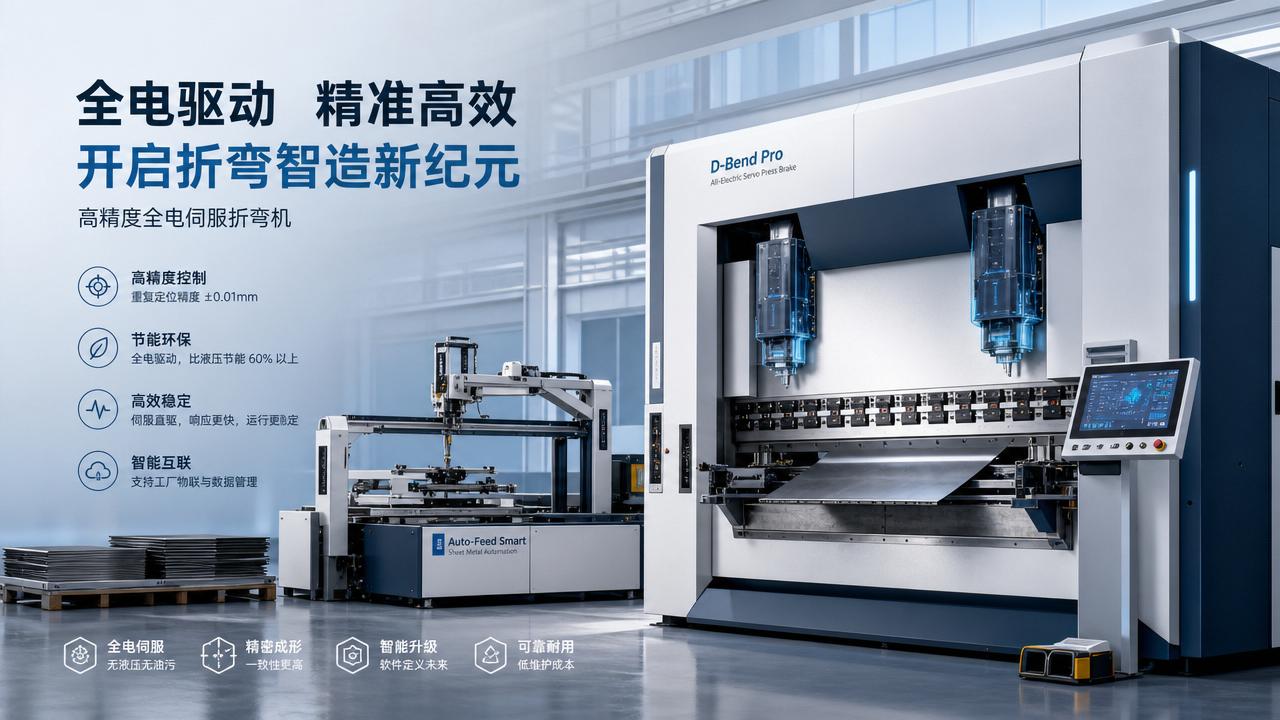
 All-Electric Press BrakesAll-Electric Servo Drives: Energy Savings vs Upgrade CostAnalyst :Precision Turning Architect
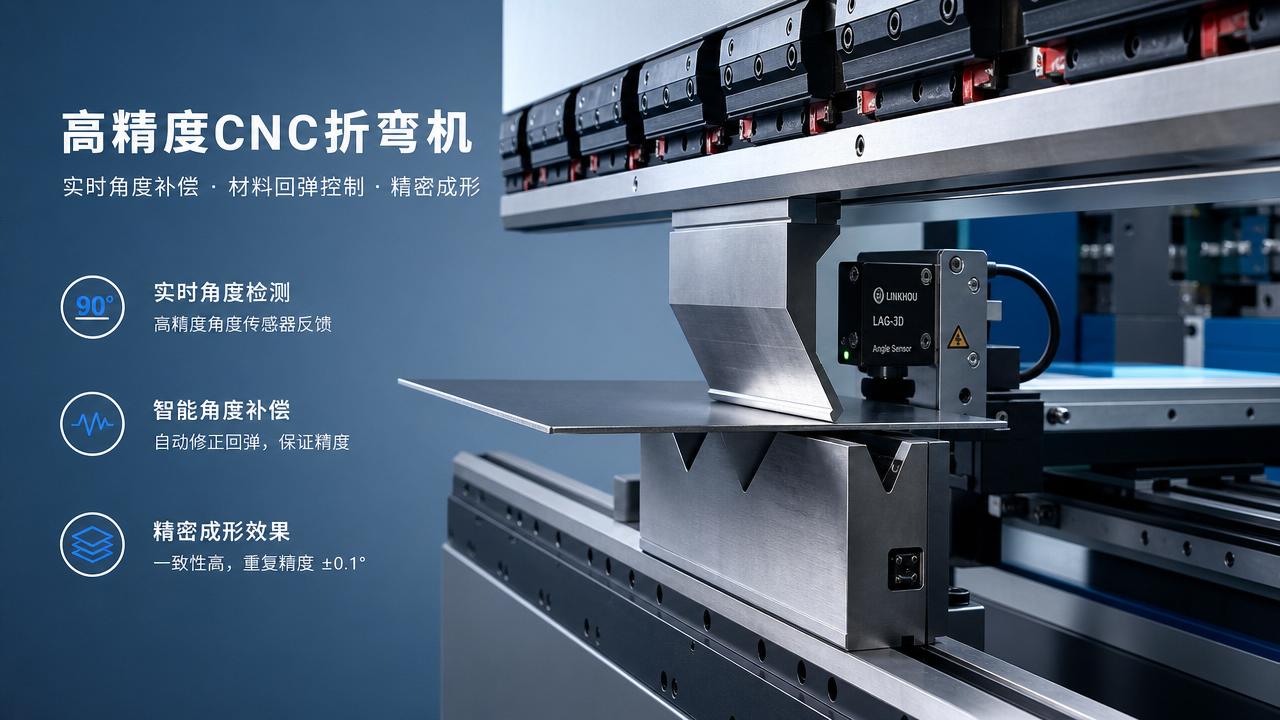
 All-Electric Press BrakesReal-Time Angle Compensation: What It Fixes and What It Doesn'tAnalyst :Precision Turning Architect
 Latest Sector NewsHigh-Strength Steel Machining: Tool Life Myths to AvoidAnalyst :Dr. Alistair Vaughn
 3D 5-Axis LaserComposite Material Cutting Without Delamination: Key MethodsAnalyst :
 Robotic Bending CellsAutomated Sheet Metal Forming: Hidden Setup Costs ComparedAnalyst :Precision Turning Architect