On May 28, 2026, Japan’s Ministry of Economy, Trade and Industry (METI) launched the ‘Advanced Photonic Manufacturing Support Program’, introducing procurement subsidies for imported ultrafast lasers and significantly accelerating JIS conformity assessment—marking a pivotal shift for global suppliers targeting Japan’s precision micro/nano-processing equipment market.
Key Policy Measures Announced by METI
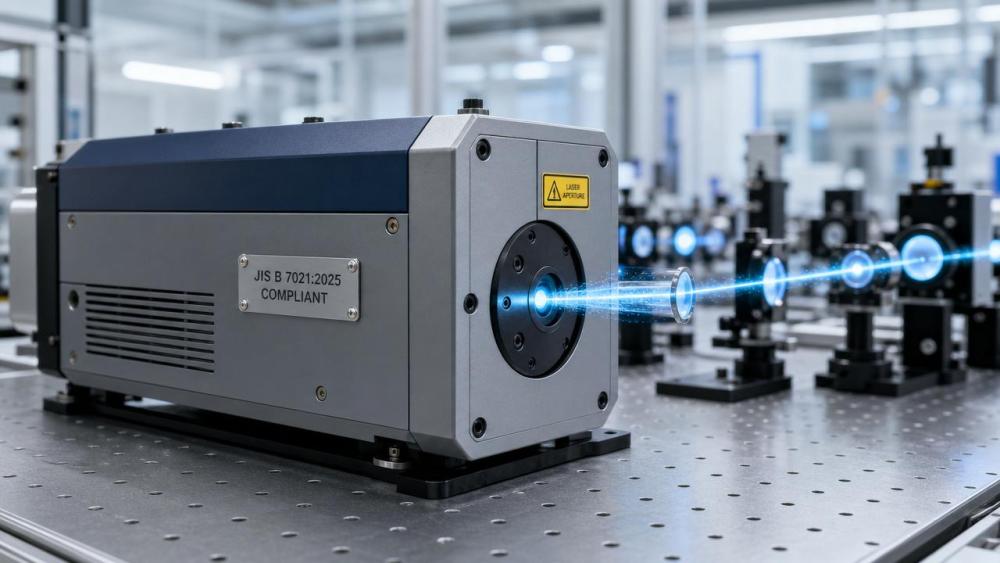
On May 28, 2026, METI officially initiated the ‘Advanced Photonic Manufacturing Support Program’. Under this initiative, importers of ultrafast lasers meeting specified technical criteria—pulse width under 500 fs and repetition rate above 1 MHz—are eligible for procurement subsidies of up to 30%. Concurrently, METI established a dedicated ‘fast-track pathway’ for type approval: Chinese manufacturers submitting test reports compliant with JIS B 7021:2025 to METI-designated certification bodies can obtain formal type recognition within 11 working days—a 67% reduction compared to standard processing time.
Impact Across Supply Chain Roles
Export-Oriented Trading Enterprises
These firms face immediate implications in pricing strategy and tender responsiveness. With subsidy eligibility tied to verified compliance, timely access to JIS B 7021:2025–certified products becomes critical for competitive bidding in Japanese industrial equipment tenders. Delays in certification now directly affect quotation validity and contract win rates.
Raw Material and Component Sourcing Firms
Suppliers of optical gain media, dispersion-compensating modules, or high-damage-threshold coatings must align their quality documentation with JIS B 7021:2025’s performance verification requirements—notably pulse stability, beam pointing accuracy, and thermal drift thresholds under defined operating conditions. Traceability of material certifications may now be subject to downstream audit during laser system-level JIS review.
Original Equipment Manufacturers (OEMs)
OEMs integrating ultrafast lasers into micromachining systems must ensure full traceability from subsystem certification to final assembly. METI’s fast-track does not waive system-level safety or electromagnetic compatibility (EMC) assessments under JIS C 61000 series; thus, OEMs must synchronize component-level JIS B 7021:2025 validation with broader product conformity timelines.
Supply Chain Compliance & Certification Service Providers
Third-party testing labs and regulatory consultants must update service offerings to include pre-submission gap analysis against JIS B 7021:2025, particularly for pulse parameter reproducibility testing across temperature and voltage variations. Demand is rising for turnkey support covering both test report preparation and METI-designated body liaison—especially given the compressed 11-day window.
Strategic Priorities for Exporting Companies
Validate JIS B 7021:2025 Test Report Readiness
Confirm that existing test reports explicitly cover all mandatory clauses—including temporal pulse profile fidelity, spatial beam quality (M² ≤ 1.3), and long-term power stability (
Align Technical Documentation with METI’s Fast-Track Requirements
Prepare supplementary technical files beyond test reports: user manuals must include Japanese-language safety warnings per JIS Z 8141, and firmware version logs must demonstrate compliance with JIS B 7021:2025’s embedded diagnostic functionality clauses (e.g., real-time pulse energy monitoring).
Assess Subsidy Eligibility Through End-User Engagement
Since subsidy claims require end-user application and verification, exporting companies should proactively coordinate with Japanese integrators or end-users to co-develop subsidy application packages—including purchase contracts referencing JIS-compliant model numbers and delivery schedules aligned with METI’s fiscal year disbursement windows.
Industry Observation: Beyond Speed—A Shift in Conformity Culture
Analysis shows that METI’s 11-day fast-track is less about administrative efficiency and more about recalibrating market expectations for technical transparency. Observably, the emphasis on JIS B 7021:2025—not IEC 60825 or ISO 11551—signals Japan’s intent to anchor high-precision laser adoption in domestically calibrated performance benchmarks. From an industry perspective, this move elevates the strategic value of local test infrastructure and native-language technical documentation, shifting competitive advantage toward manufacturers with embedded JIS literacy—not just CE or FDA readiness. What deserves closer attention is how rapidly other Asian markets may adopt similar ‘standards-first’ subsidy models, potentially fragmenting global conformity pathways further.
Broader Implications for Global Laser Markets
This initiative underscores Japan’s targeted investment in next-generation photonic manufacturing infrastructure—and reflects a growing policy trend where regulatory streamlining serves dual objectives: lowering market entry barriers for qualified foreign suppliers while reinforcing domestic technical sovereignty through standards-based gatekeeping. For exporters, success hinges not on speed alone, but on demonstrable mastery of JIS-specific performance logic and documentation rigor.
Source Attribution & Monitoring Guidance
This article was generated exclusively from the provided information: title, event date (May 28, 2026), and event summary. Specific official source links were not provided in the input and should be verified continuously. Stakeholders are advised to monitor upcoming METI public notices on subsidy application procedures, clarification of ‘importer’ eligibility definitions, updates to designated certification bodies’ accreditation status, and early tender announcements referencing the Advanced Photonic Manufacturing Support Program.
Product Recommendations
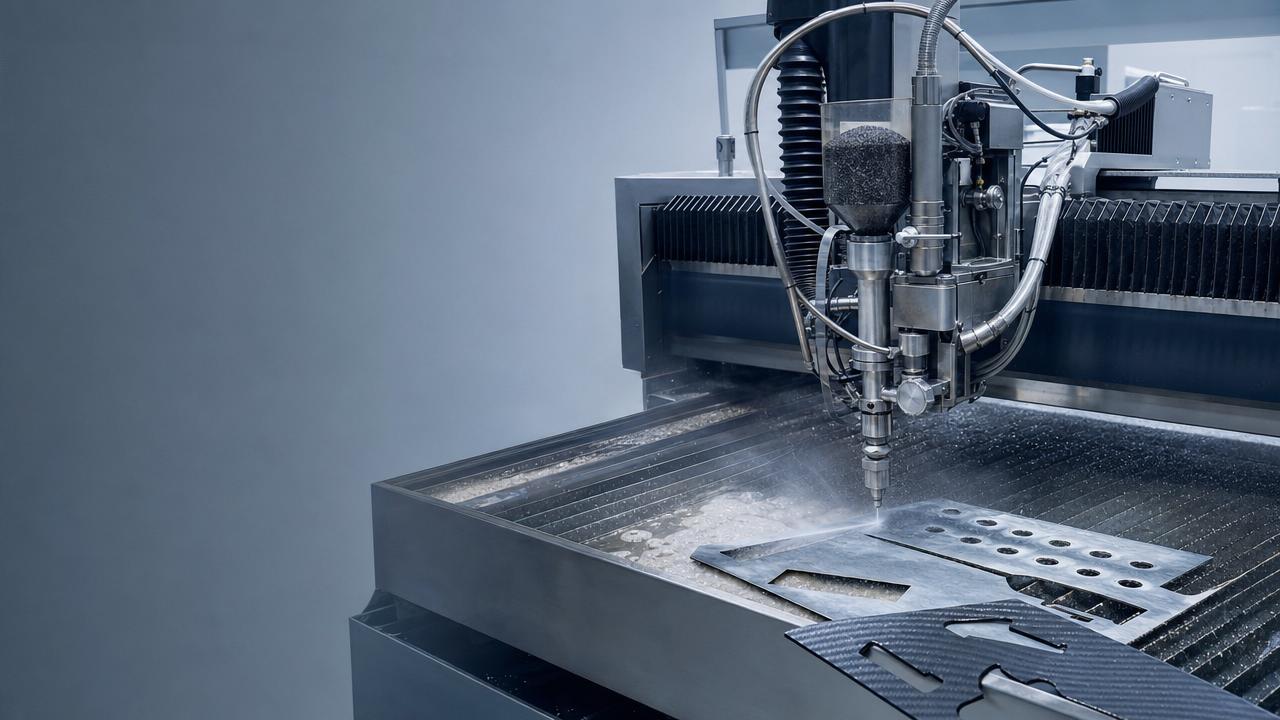
 Abrasive Delivery SystemsIndustrial Waterjet Cutters: Abrasive Costs That Erode MarginsAnalyst :5-Axis Machining Scientist
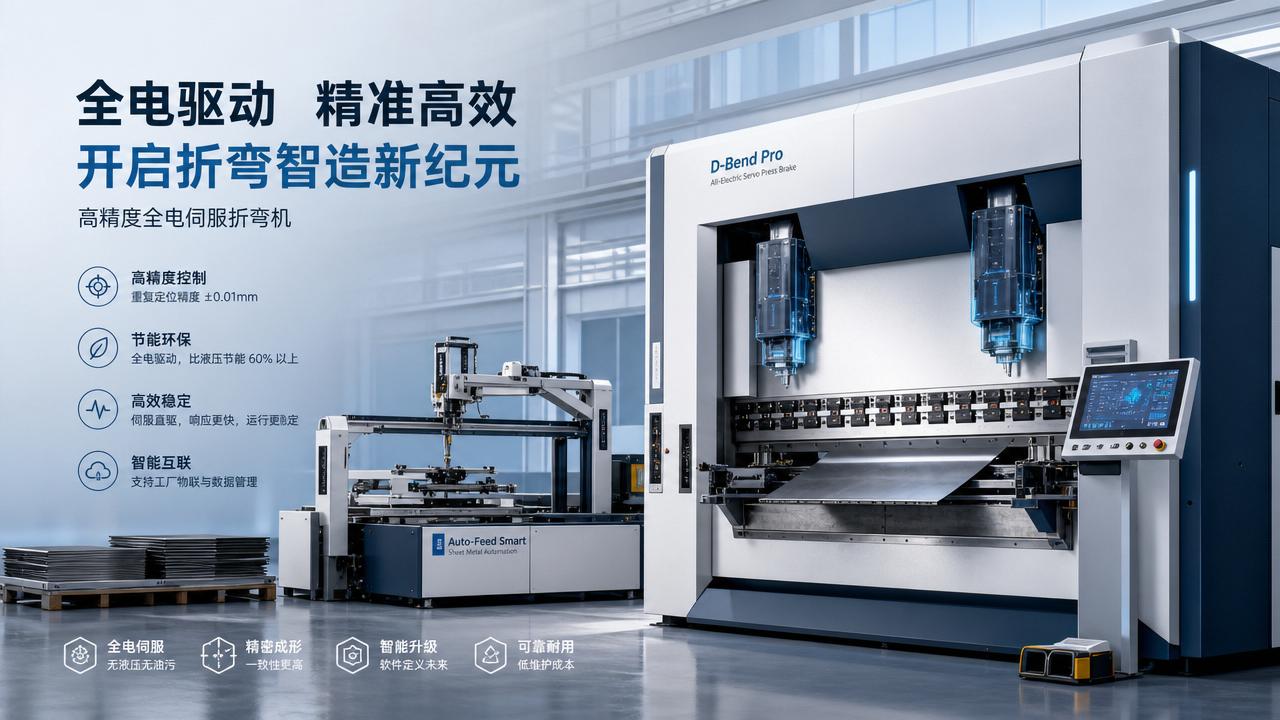
 All-Electric Press BrakesAll-Electric Servo Drives: Energy Savings vs Upgrade CostAnalyst :Precision Turning Architect
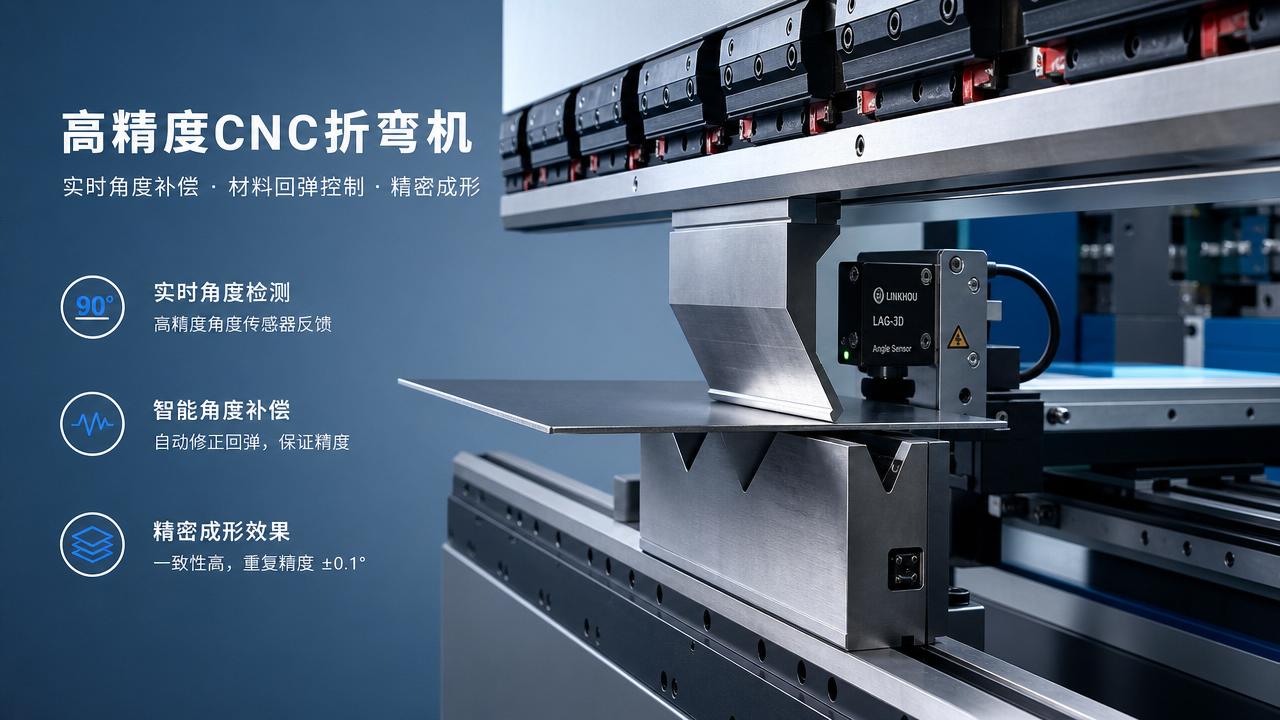
 All-Electric Press BrakesReal-Time Angle Compensation: What It Fixes and What It Doesn'tAnalyst :Precision Turning Architect
 Latest Sector NewsHigh-Strength Steel Machining: Tool Life Myths to AvoidAnalyst :Dr. Alistair Vaughn
 3D 5-Axis LaserComposite Material Cutting Without Delamination: Key MethodsAnalyst :
 Robotic Bending CellsAutomated Sheet Metal Forming: Hidden Setup Costs ComparedAnalyst :Precision Turning Architect