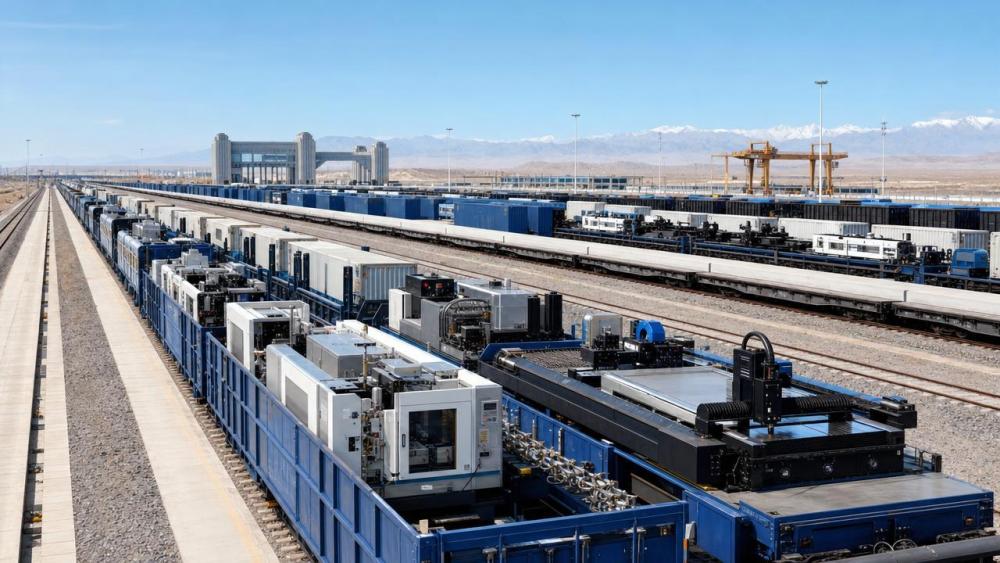
As of May 26, 2026, the Horgos Railway Port has handled 4,000 China–Europe and China–Central Asia freight trains year-to-date — three days earlier than in 2025. With specialized machinery accounting for 37% of total cargo volume and rail-sea transit time shortened by 12%, this milestone signals growing strategic importance for equipment exporters targeting Russia and Central Asia.
Event Overview
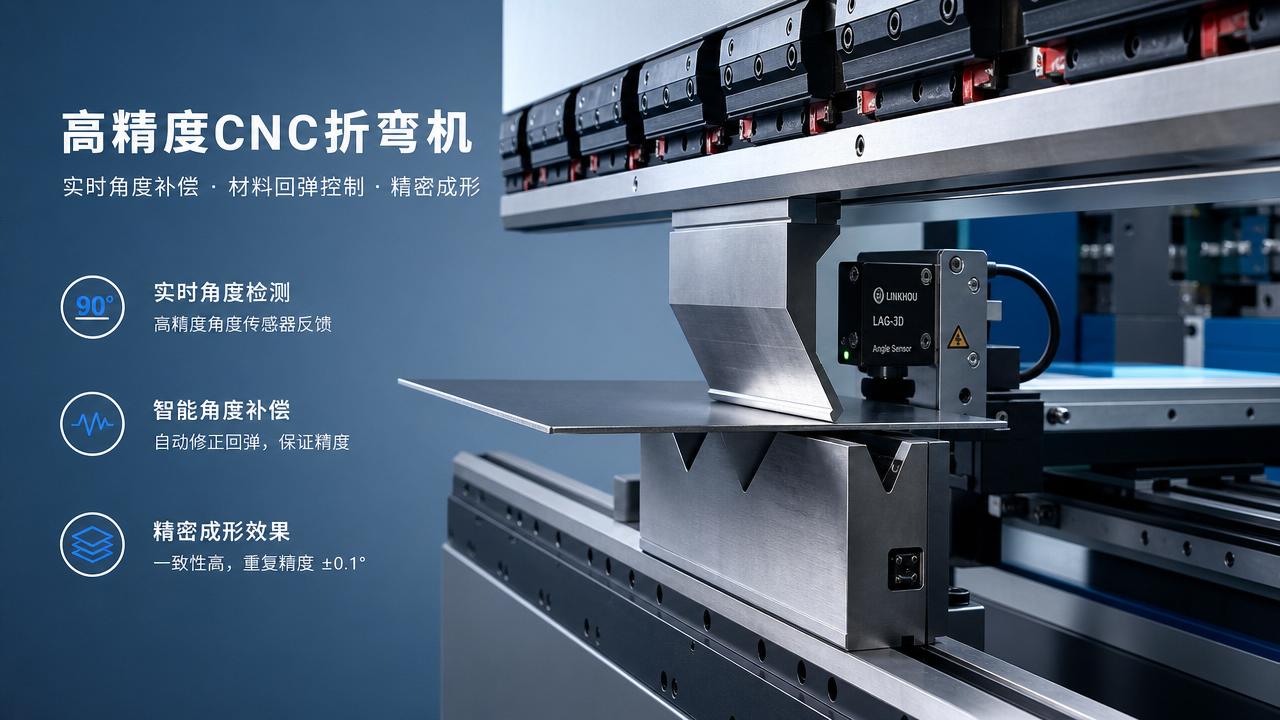
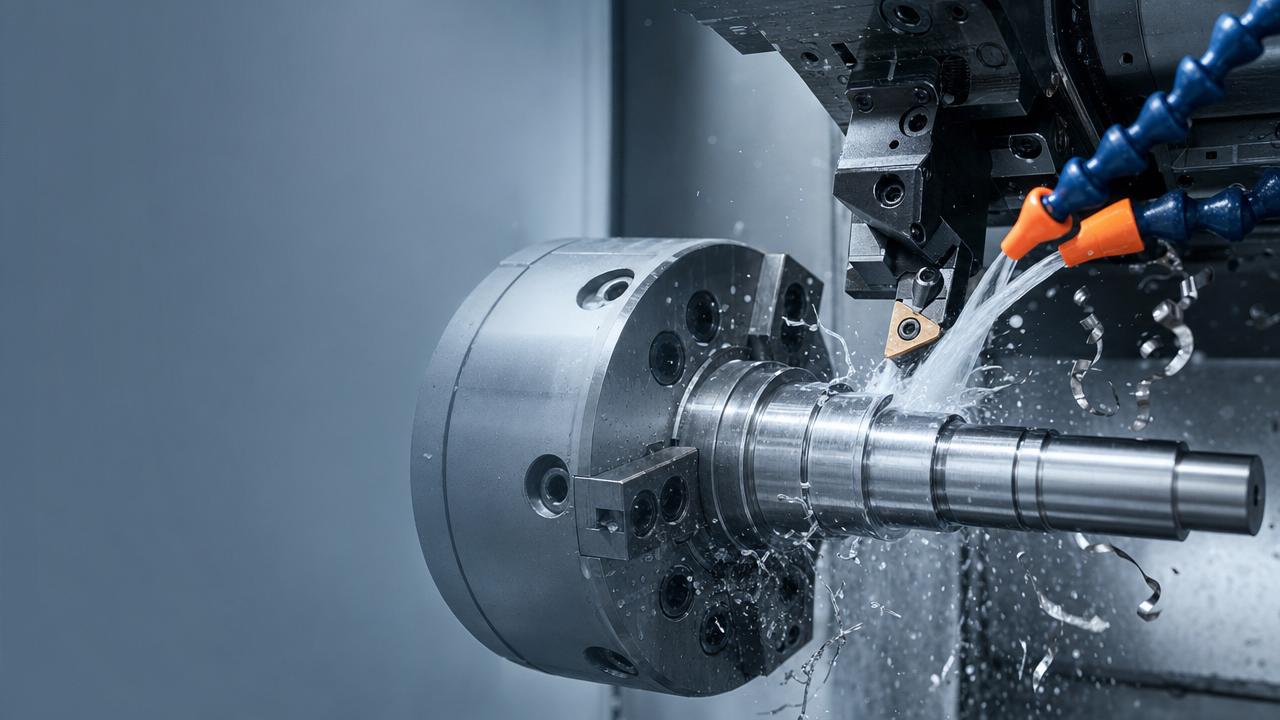
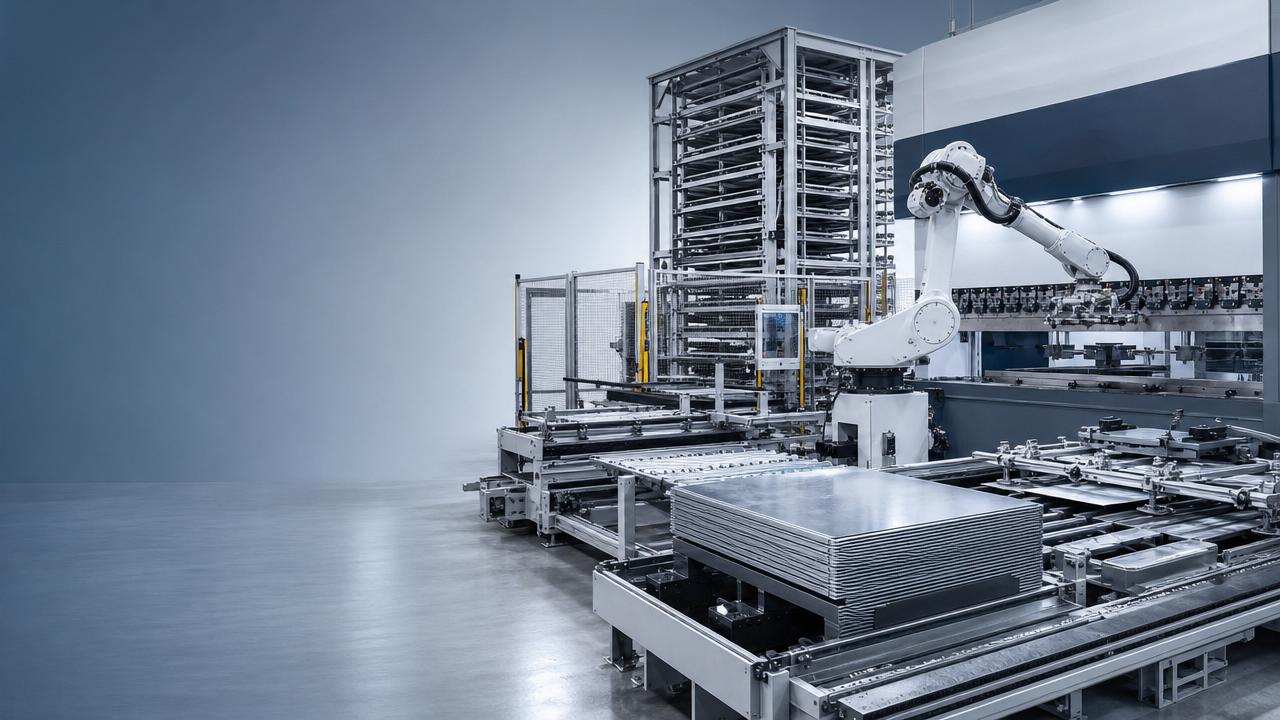
According to Urumqi Customs data released on May 26, 2026, the Horgos Railway Port processed its 4,000th China–Europe and China–Central Asia freight train of the year. The milestone was achieved three days ahead of the same point in 2025. Machinery—including five-axis machining centers, fiber laser cutting machines, and fully automated bending units—accounted for 37% of total freight volume. Average rail-sea multimodal transit time improved by 12% compared to 2025 levels.
Industries Affected
Direct Exporters of High-End Machinery
Exporters of precision machine tools and automated production systems are directly impacted, as Horgos has become a primary outbound channel for shipments to Russia and Central Asia. The 37% share of machinery in total freight indicates rising reliance on this corridor for time-sensitive, high-value consignments.
Domestic Equipment Manufacturers (OEMs)
Manufacturers supplying five-axis machining centers, fiber laser cutting machines, or automated bending units face tighter delivery expectations. The 12% reduction in average transit time implies downstream buyers may adjust order lead times and inventory planning accordingly.
Logistics & Multimodal Service Providers
Firms offering rail-sea coordination services between Northwest China and Eurasian markets benefit from increased volume and standardized handling of oversized or sensitive equipment. However, capacity constraints at Horgos could intensify competition for slot allocation and customs clearance priority.
Importers and Distributors in Russia/Central Asia
Downstream importers in target markets may observe more predictable arrival windows and improved equipment availability. Yet they also face potential pressure to align local warehousing, installation scheduling, and after-sales support with compressed end-to-end timelines.
What Enterprises and Practitioners Should Monitor and Do Now
Track official updates on capacity expansion and customs facilitation measures
The accelerated throughput suggests infrastructure upgrades or procedural optimizations are underway. Enterprises should monitor announcements from China State Railway Group and Urumqi Customs regarding slot allocation rules, inspection protocols, and bonded logistics support for high-value equipment.
Monitor shifts in top-performing equipment categories and destination demand patterns
Five-axis machining centers, fiber laser cutters, and automated bending units dominate current volumes. Companies should assess whether their product lines align with these trends—and whether regional demand signals (e.g., Russian industrial modernization plans) indicate sustained growth beyond short-term volatility.
Distinguish between policy momentum and operational readiness
A 12% reduction in average rail-sea transit time reflects aggregate performance—not guaranteed consistency per shipment. Firms must verify actual transit reliability for their specific cargo type, weight, and documentation profile before adjusting contractual delivery terms or customer commitments.
Prepare contingency buffers for documentation, customs coordination, and inland transport
Higher volume at Horgos increases risk of bottlenecks in pre-clearance documentation, loading coordination, or last-mile handover. Exporters should pre-validate equipment classification codes, confirm packaging compliance for rail transport, and designate on-site liaison personnel familiar with Horgos’ operational workflows.
Editorial Observation / Industry Perspective
Observably, this milestone is less a standalone achievement and more a reinforcing signal: Horgos is consolidating its role as the preferred land-based gateway for high-value industrial exports to Eurasia. Analysis shows the shift toward machinery-heavy cargo — rather than general consumer goods — reflects deeper structural alignment between China’s advanced manufacturing output and infrastructure-led trade corridors. It is currently better understood as an operational inflection point than a completed transformation; sustained growth will depend on consistent customs efficiency, cross-border interoperability, and stable transshipment capacity beyond peak seasons.
Conclusion: This development underscores Horgos’ evolving function—not merely as a transit node, but as a throughput enabler for capital-intensive export sectors. It is best interpreted not as a one-time headline, but as an indicator of shifting logistics gravity toward integrated, equipment-focused rail corridors in Northwest China.
Source: Urumqi Customs (data release dated May 26, 2026). Note: Ongoing observation is warranted for official updates on Horgos’ long-term capacity planning and tariff or regulatory adjustments affecting high-value machinery shipments.
Product Recommendations
 Abrasive Delivery SystemsIndustrial Waterjet Cutters: Abrasive Costs That Erode MarginsAnalyst :5-Axis Machining Scientist
 All-Electric Press BrakesAll-Electric Servo Drives: Energy Savings vs Upgrade CostAnalyst :Precision Turning Architect
 All-Electric Press BrakesReal-Time Angle Compensation: What It Fixes and What It Doesn'tAnalyst :Precision Turning Architect
 Latest Sector NewsHigh-Strength Steel Machining: Tool Life Myths to AvoidAnalyst :Dr. Alistair Vaughn
 3D 5-Axis LaserComposite Material Cutting Without Delamination: Key MethodsAnalyst :
 Robotic Bending CellsAutomated Sheet Metal Forming: Hidden Setup Costs ComparedAnalyst :Precision Turning Architect