Machine tool technology trends are no longer defined by a simple race for faster spindles, higher laser power, or larger work envelopes. In high-mix precision manufacturing, the harder problem is making a wider variety of parts correctly, repeatedly, and economically—often with shorter lead times, smaller batches, more difficult materials, and a shrinking pool of experienced operators.
This shift is especially visible in aerospace, medical components, energy equipment, electronics, and New Energy Vehicle (NEV) supply chains. A factory may machine a complex aluminum structural part in the morning, turn a hardened steel shaft in the afternoon, and form several low-volume sheet-metal variants before the next shift. The machine itself matters, but the production system around it matters just as much: programming, workholding, tool data, inspection, material flow, thermal control, and service access all affect whether capacity becomes usable output.
For decision-makers, the central question is changing. It is no longer “Which machine has the best headline specification?” It is “Which technology combination can absorb product variation without turning every new job into a new risk?”
High-Mix Manufacturing Is Pulling Technology in a Different Direction
High-volume production rewards repetition. Once a process is stable, cycle time reduction becomes the dominant lever. High-mix production is less forgiving. Setup time, first-piece approval, program revisions, fixture changes, and material inconsistency can consume more time than the actual cutting cycle. A shop can own highly capable equipment and still lose money if every part change requires tribal knowledge from one programmer or one senior setup technician.
That reality explains why current machine tool technology trends are converging around flexibility, process visibility, and error prevention. The most useful advances are not always dramatic. A more stable rotary axis, reliable probing routines, automatic tool measurement, better collision simulation, real-time angle compensation, or a robot that can tend a machine through an unattended shift may produce more operational value than a modest increase in rated speed.
The market is also separating “machine capability” from “production capability.” A five-axis machining center may be technically able to cut a complex impeller in one setup, but that does not mean the process is ready for production. The real test includes tool reach, spindle behavior under load, chip evacuation, fixture stiffness, post-processor quality, probing strategy, and the ability to recover after an interruption. Similar logic applies to laser cutting, bending, turning, and waterjet processing.
Five-Axis CNC Moves from Specialty Asset to Process Consolidation Tool
Five-axis CNC machining remains one of the most influential developments in precision manufacturing because it changes the setup equation. Complex curved surfaces, angled features, deep pockets, and multi-sided geometries can often be completed with fewer clampings. That reduces accumulated positioning error and can shorten the path from roughing to finished part.
The attraction is clear in components such as turbine-related geometries, structural aerospace parts, orthopedic components, molds, and intricate EV hardware. Yet the purchase decision should not stop at axis count. The distinction between a trunnion-style machine, a swivel-head configuration, and a larger gantry-based platform affects accessibility, rotary-axis loading, chip behavior, and part envelope. A machine that is excellent for compact prismatic parts may be a poor fit for long, thin-walled components.
RTCP—Rotational Tool Center Point—capability is another practical consideration. Properly implemented, it allows the control to maintain the programmed tool tip position as rotary axes move. For complex simultaneous machining, this is foundational. But RTCP does not eliminate the need for correct kinematics, calibrated machine geometry, trustworthy CAM output, and disciplined post-processor management. Many avoidable five-axis problems originate not in the cutting tool, but in the handoff between CAD, CAM, post processing, and machine control.
There is also a tendency to assume that five-axis machining should replace every multi-setup process. It should not. For simple parts with stable geometry and high repetition, a well-configured three-axis or horizontal machining process may remain more economical. The strongest business case for five-axis equipment is usually not “more axes”; it is fewer setups, better access, lower handling risk, and a cleaner path to complex future work.
Turning Technology Is Becoming More Connected, Not Less Relevant
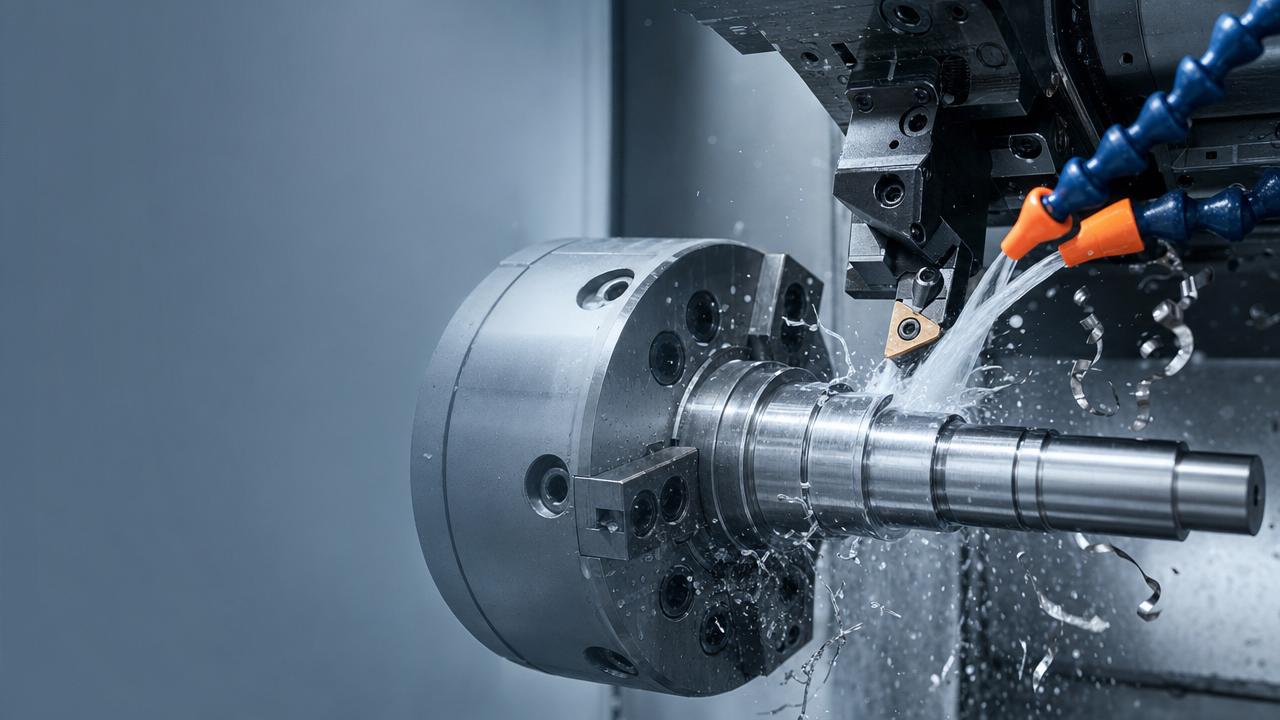
CNC lathes are sometimes treated as mature technology, but high-mix demand is pushing turning platforms toward greater integration. Mill-turn machines, sub-spindles, Y-axis capability, bar feeders, gantry loaders, and in-process gauging are increasingly evaluated as parts of one workflow rather than optional accessories.
The reason is straightforward: cylindrical parts frequently carry secondary features. Flats, cross holes, threads, keyways, eccentric details, and milled interfaces can force a part through multiple machines if the turning platform is too limited. Each transfer adds handling, queue time, datum risk, and scheduling complexity. In a high-mix environment, reducing those handoffs can be more valuable than reducing a few seconds of cutting time.
Swiss-type turning remains important for small, long, and delicate parts, particularly where support close to the cutting zone is needed. At the opposite end, heavy-duty turning still serves large shafts and rotational components that demand rigidity and controlled material removal. The common requirement is not size; it is predictable performance across changing work orders. Tool life monitoring, bar-stock consistency, chip control, and automated part handling deserve the same attention as spindle power.
Laser Cutting Is Becoming a Process-Control Conversation
Fiber laser cutting has changed the economics of sheet-metal processing, particularly for shops handling varied material thicknesses and frequent nesting changes. However, the conversation is moving beyond raw power ratings. Higher power can increase cutting potential, especially in thicker material, but it also raises questions about edge quality, assist gas selection, piercing behavior, heat management, nozzle condition, and downstream requirements.
A part that cuts quickly but requires extensive deburring or creates inconsistent weld preparation is not automatically a productive result. This is where process knowledge matters. The melt pool, gas flow, focus position, material surface condition, and cutting parameters interact continuously. For high-mix work, recipe management and the discipline to verify a new material batch can be more valuable than chasing maximum speed on a demonstration coupon.
Ultrafast laser technologies occupy a different space. Their relevance is strongest where thermal influence must be tightly managed, including certain microelectronics, fine-feature, and sensitive-material applications. They are not a universal replacement for conventional fiber laser systems. The correct choice depends on feature scale, material response, tolerance expectations, and whether the downstream process can tolerate a heat-affected zone.
Press Brakes Are Evolving into Flexible Forming Cells
Sheet-metal forming is often where a supposedly digital production flow becomes manual again. Operators compensate for material variation, bend sequence problems, springback, and tool selection in real time. Their judgment remains valuable, but relying entirely on individual experience makes output difficult to scale.
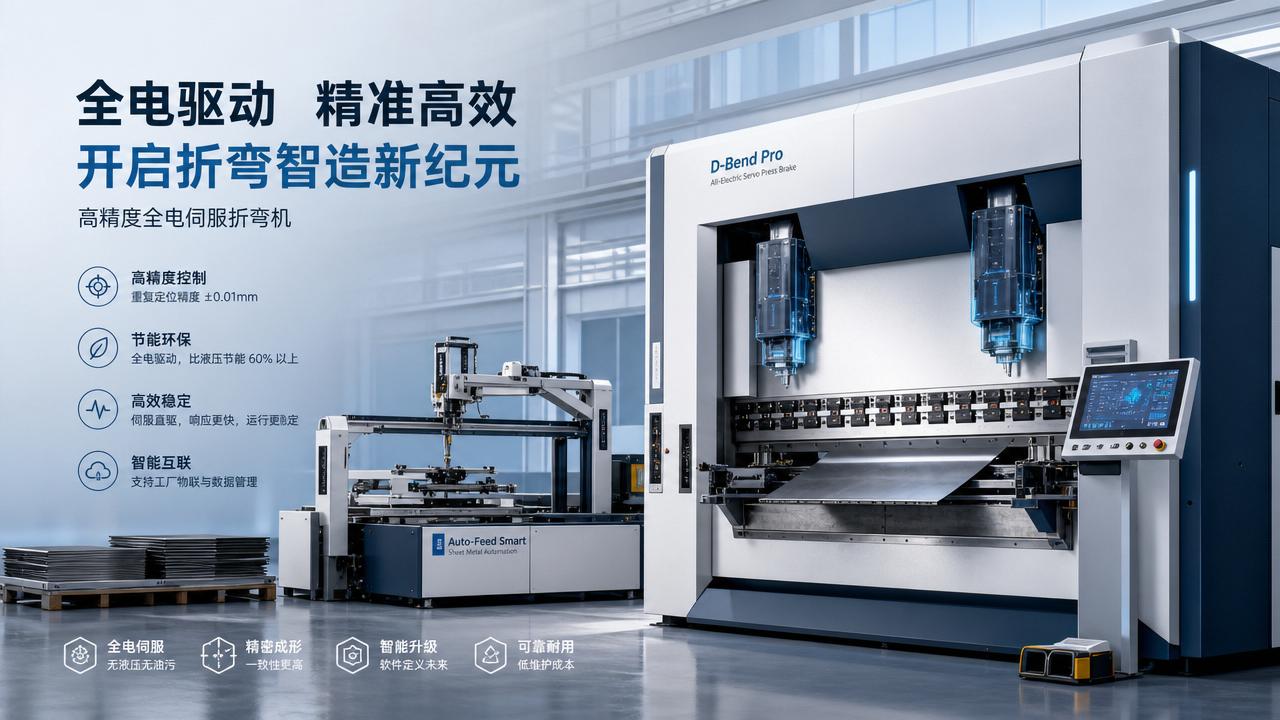
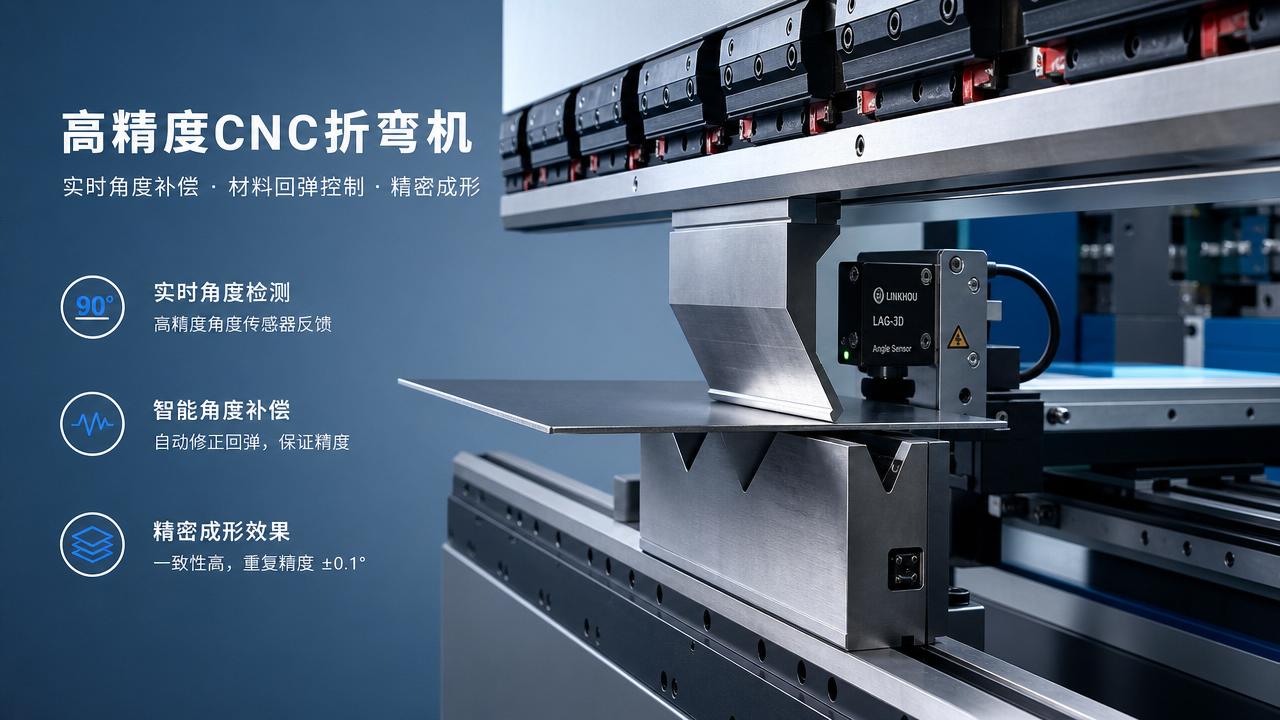
Modern CNC press brakes address part of this challenge through electric servo drives, angle measurement, offline programming, and real-time compensation. These features can improve repeatability across material lots and thickness variations, but they should be assessed in the context of actual part families. A shop producing simple brackets has very different needs from one bending complex enclosure panels with cosmetic surfaces and tight assembly relationships.
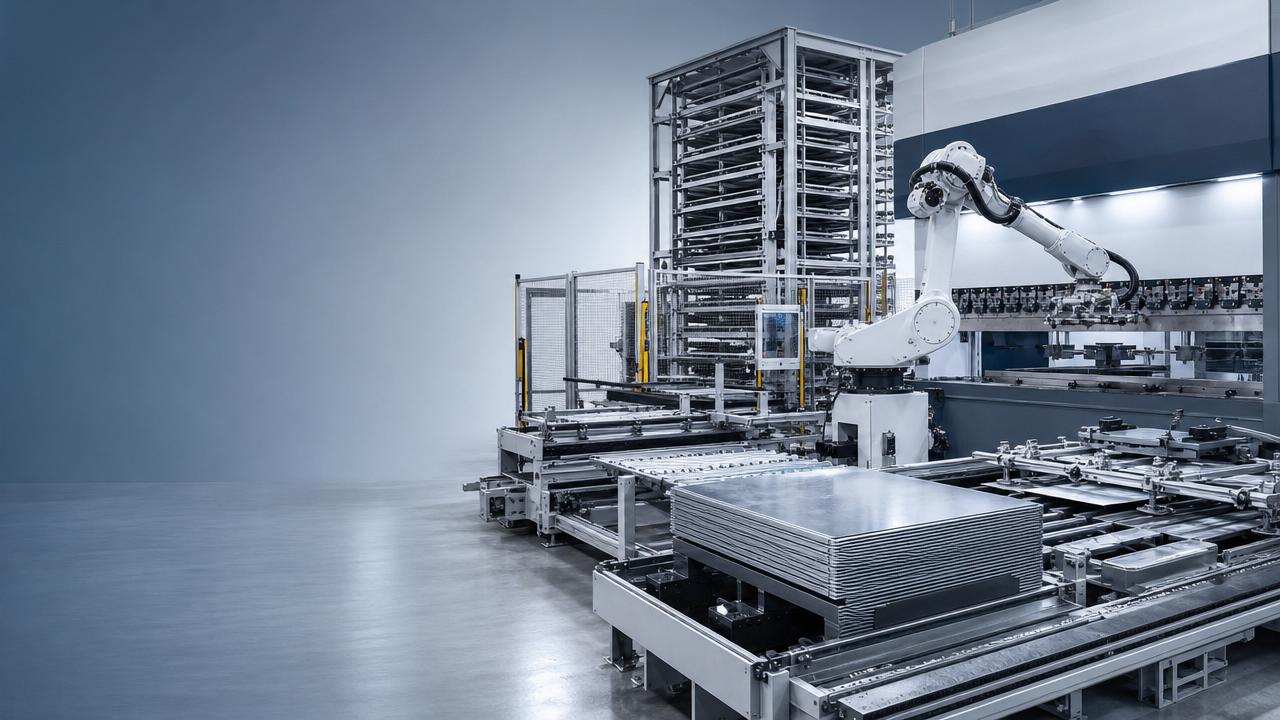
Robotic loading and unloading cells are becoming more realistic where batch sizes and part geometry support automation. Still, automation does not rescue an unstable bending process. If blank variation, tool management, or bend sequencing is poorly controlled, a robot will simply repeat the problem faster. The best candidates are parts with stable material handling, predictable orientation, and enough volume across a family of products to justify cell engineering.
Waterjet Retains a Strategic Role Where Heat Is the Enemy
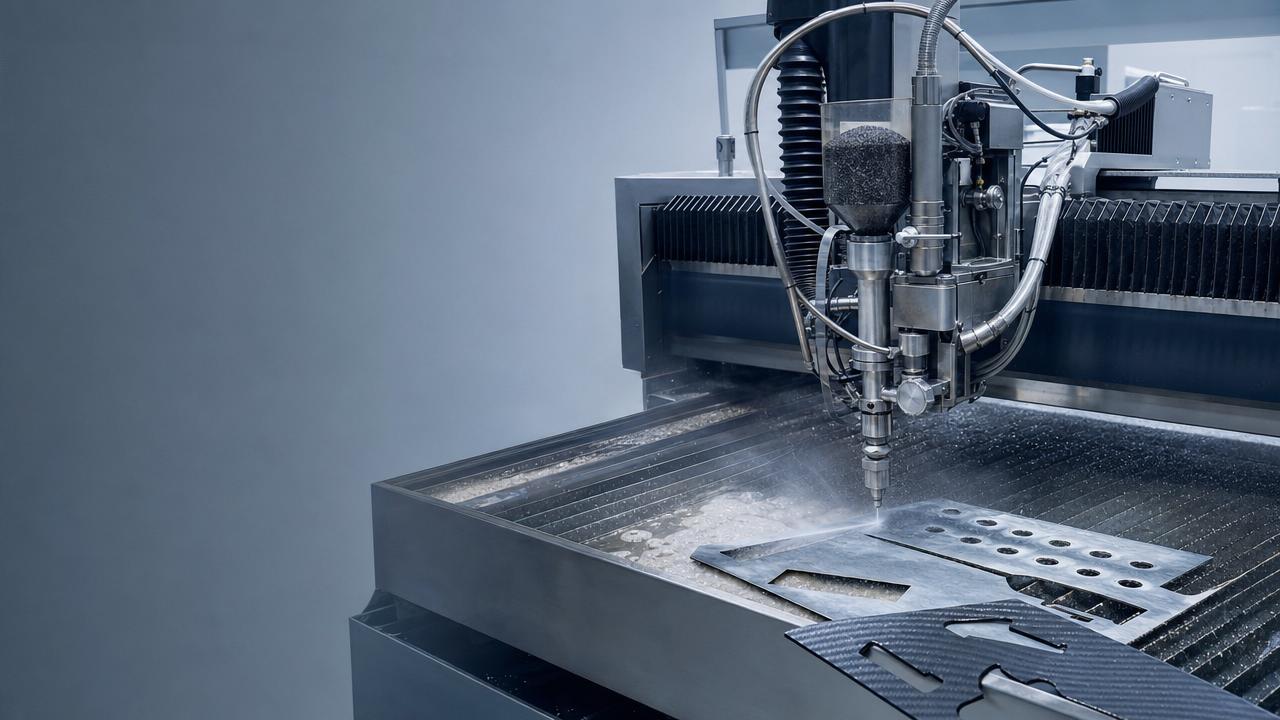
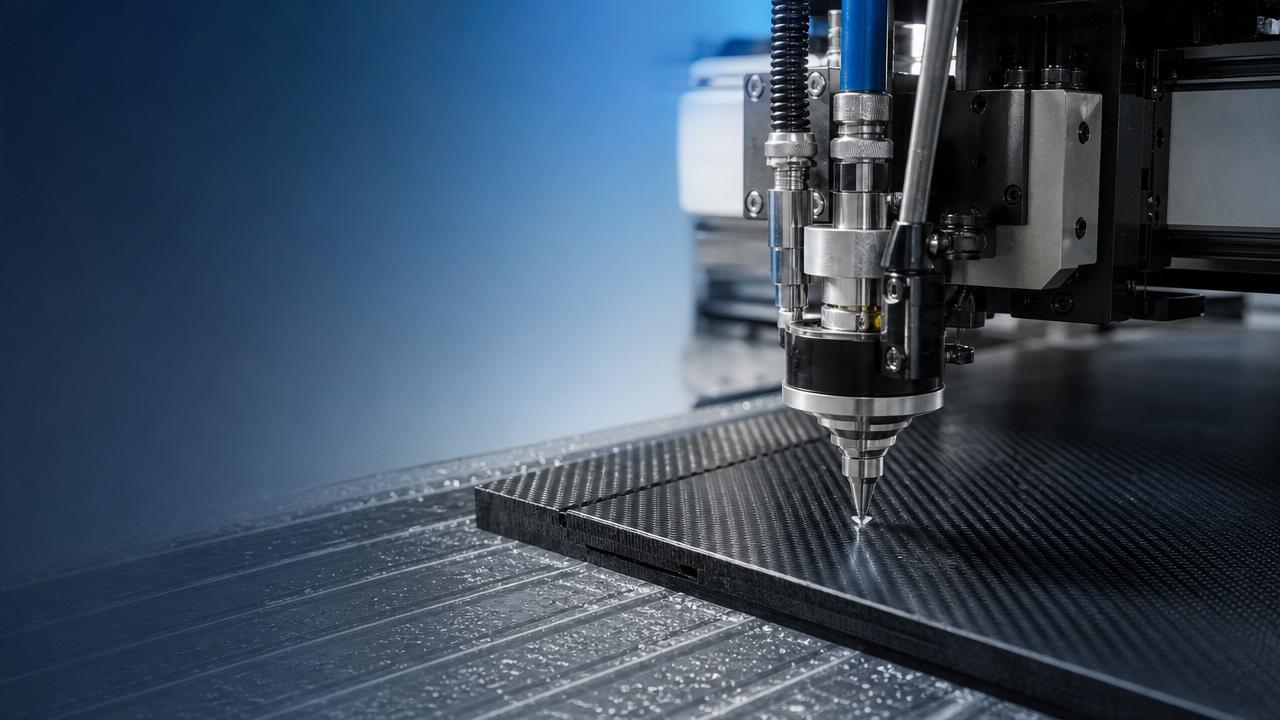
Industrial waterjet cutting is not always the fastest process, but it remains difficult to replace when thermal distortion or a heat-affected zone is unacceptable. Using ultra-high-pressure water—commonly described in the industry at pressures up to 90,000 PSI in certain systems—often combined with abrasive media, waterjet technology can cut materials that create complications for thermal processes.
Titanium, aerospace carbon-fiber composites, laminated materials, glass, and other heat-sensitive workpieces are typical areas where cold cutting deserves consideration. The absence of a conventional thermal HAZ can simplify downstream quality concerns, though it does not make the process effortless. Taper control, abrasive consumption, cut speed, edge finish, and water management all need to be evaluated against the final part requirement.
Waterjet is most convincing when it solves a material problem that another process creates. Buying it solely because it can cut “almost anything” is rarely a sufficient justification.
Automation Is Shifting from Lights-Out Ambition to Practical Resilience
The phrase “dark factory” attracts attention, but unattended production is not a switch that can be turned on after installing a robot. High-mix automation succeeds when exception handling is designed into the cell. That includes part identification, fixture confirmation, tool-life limits, pallet logic, in-process measurement, chip management, alarm escalation, and a clear process for recovering from an interrupted cycle.
A modest robotic cell feeding a stable machine family may deliver more dependable results than a highly ambitious automated line trying to handle every possible part. This is one of the more important machine tool technology trends: automation is becoming more modular. Manufacturers are increasingly looking for systems that can start with machine tending or pallet handling, then expand as process knowledge matures.
Data architecture is part of the same decision. Machine connectivity is useful only when it supports action. Recording spindle load, alarms, cycle status, energy use, tool changes, or inspection results can reveal bottlenecks, but data without ownership becomes another dashboard. The productive question is not “Can this machine connect?” It is “Which production decision will this information improve?”
The Less Visible Constraint: Controls, Metrology, and Serviceability
Advanced machine tools depend on a supply chain that extends well beyond castings and motors. CNC controls, encoders, linear scales, drive systems, bearings, spindle components, probes, laser sources, and software support can all shape delivery risk and lifecycle performance. For globally distributed operations, availability of local service expertise and spare parts may matter as much as the original machine specification.
Metrology deserves equal attention. As tolerances tighten, inspection cannot remain an isolated final step. Probe routines, tool setters, coordinate measuring strategies, thermal compensation, and traceable measurement practices must align with the machining process. Micron-level capability on a brochure means little if the measurement system cannot distinguish a true process shift from normal variation.
This is why industrial intelligence platforms such as the Global Advanced Manufacturing & Tooling Systems (AMTS) are increasingly focused on the connections between machine kinematics, CNC algorithms, cutting physics, component supply chains, and application demand. The useful insight is often found between disciplines: a five-axis toolpath issue may be tied to fixturing; laser edge quality may affect forming; EV lightweighting may alter both material selection and machining strategy.
What a Future-Ready Investment Decision Looks Like
The next generation of machine tool investment will favor manufacturers that define their part mix honestly. Before selecting equipment, it is worth mapping the work that consumes setup time, causes quality escapes, requires repeated manual intervention, or waits between processes. Those pain points often reveal a stronger investment case than average annual volume alone.
A sensible evaluation should test more than the machine. It should include representative parts, realistic tooling, actual materials where possible, required inspection steps, expected operator skill, automation boundaries, and service response expectations. If a supplier demonstration avoids the awkward parts of the production process—thin walls, deep cavities, variable material, difficult deburring, demanding datum relationships—that is useful information in itself.
Precision manufacturing is becoming more digital, more automated, and more integrated, but it is not becoming simpler. The winners will not necessarily be those with the most sophisticated machine on the floor. They will be the ones that combine the right machine architecture with stable processes, credible measurement, adaptable automation, and enough operational discipline to make advanced capability repeatable.
- CNC lathes
- CNC press brakes
- real-time angle compensation
- machine tools
- fiber laser cutting
- waterjet cutting
- waterjet processing
- cold cutting
- machine tool technology
- mill-turn machines
- advanced manufacturing
- precision manufacturing
- laser cutting
- linear scales
- advanced machine tools
- machine tool technology trends
Product Recommendations
 Abrasive Delivery SystemsIndustrial Waterjet Cutters: Abrasive Costs That Erode MarginsAnalyst :5-Axis Machining Scientist
 All-Electric Press BrakesAll-Electric Servo Drives: Energy Savings vs Upgrade CostAnalyst :Precision Turning Architect
 All-Electric Press BrakesReal-Time Angle Compensation: What It Fixes and What It Doesn'tAnalyst :Precision Turning Architect
 Latest Sector NewsHigh-Strength Steel Machining: Tool Life Myths to AvoidAnalyst :Dr. Alistair Vaughn
 3D 5-Axis LaserComposite Material Cutting Without Delamination: Key MethodsAnalyst :
 Robotic Bending CellsAutomated Sheet Metal Forming: Hidden Setup Costs ComparedAnalyst :Precision Turning Architect