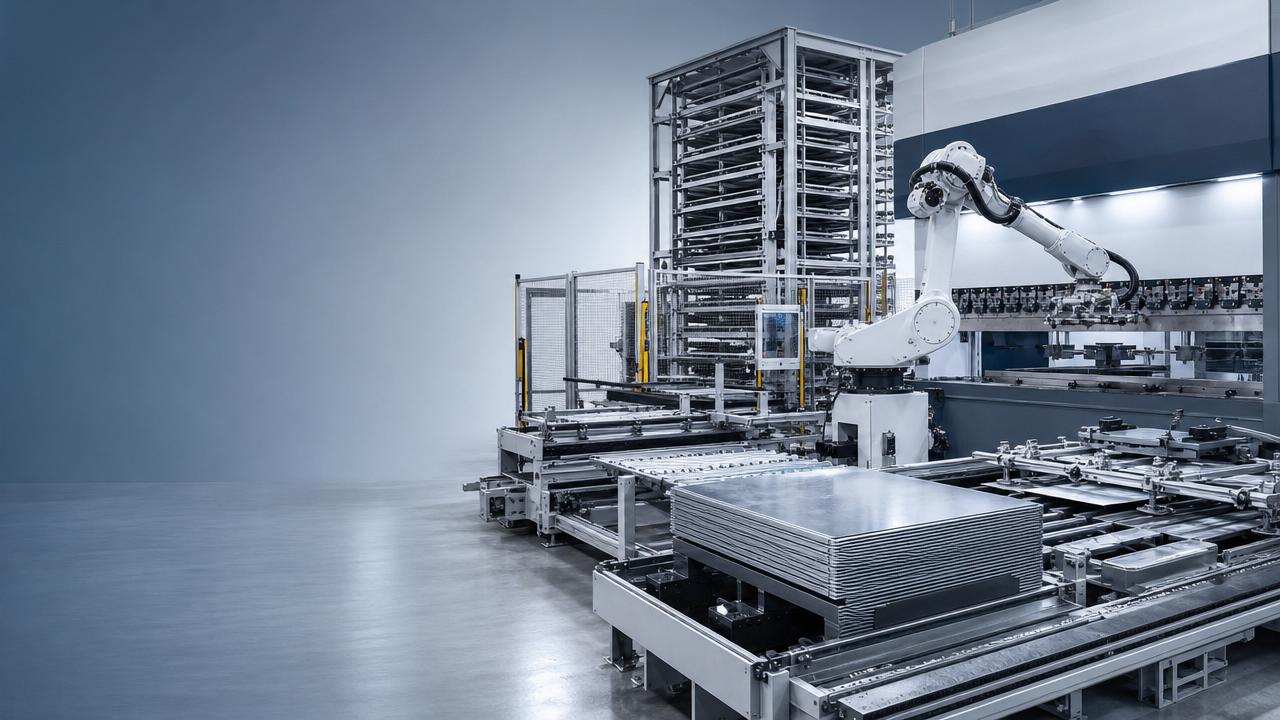
Industrial automation trends are no longer defined by isolated robots or one-time efficiency projects. They now describe a broader shift toward connected, data-aware, and precision-led factory operations. In sectors such as aerospace, NEV, medical manufacturing, and advanced metalworking, the pressure is clear: produce more complex parts, hold tighter tolerances, shorten lead times, and stay resilient when supply chains or labor conditions change.
That is why industrial automation trends matter at board level as much as on the shop floor. The real question is not whether automation is expanding. It is how factories can adopt the right forms of automation without creating new bottlenecks, quality risks, or data silos.
Why industrial automation trends are shifting now
Several forces are converging at the same time. Product designs are becoming lighter, stronger, and more complex. Customers also expect traceability, stable quality, and faster delivery.
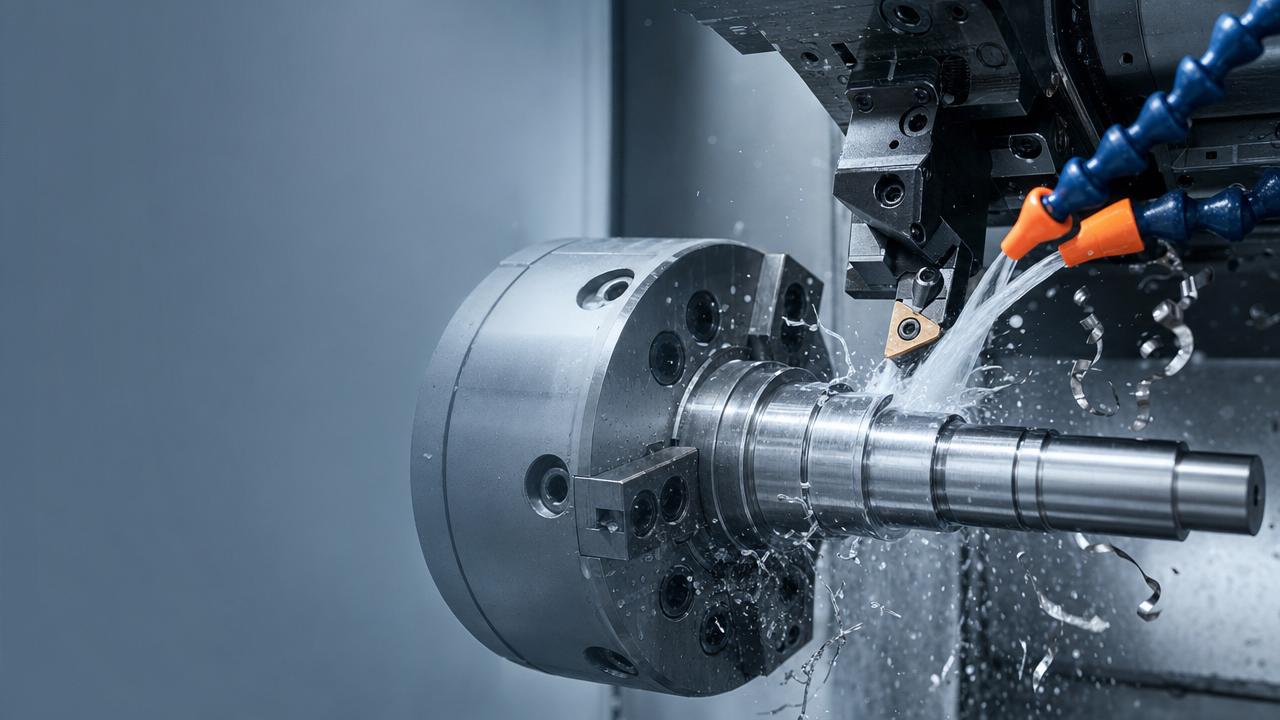
At the equipment level, machines are becoming more intelligent. A 5-axis machining center, a CNC lathe, or a laser cutting machine now produces not only parts, but also streams of process data.
This matters especially in precision manufacturing. When micron-level tolerances, thermal effects, tool wear, or material variation influence output, automation must go beyond motion control. It must support judgment, compensation, and repeatability.
AMTS tracks this transition closely across industrial mother machines. Its focus on 5-axis CNC systems, lathes, laser cutting, press brakes, and waterjet platforms reflects where the most practical automation gains are taking shape.
Seven practical shifts reshaping factory operations
1. From standalone machines to connected production cells
One of the most visible industrial automation trends is the move from isolated assets to linked cells. A machining center no longer works alone. It connects with loading robots, in-process inspection, tool management, and MES platforms.
This shift reduces waiting time between steps. It also makes production flow more measurable. In unmanned or lightly staffed operations, the link between machines becomes as important as machine speed itself.
2. From fixed programming to adaptive process control
Traditional automation followed fixed routines. Current industrial automation trends favor adaptive control, where systems react to tool wear, part variation, angle deviation, or thermal drift.
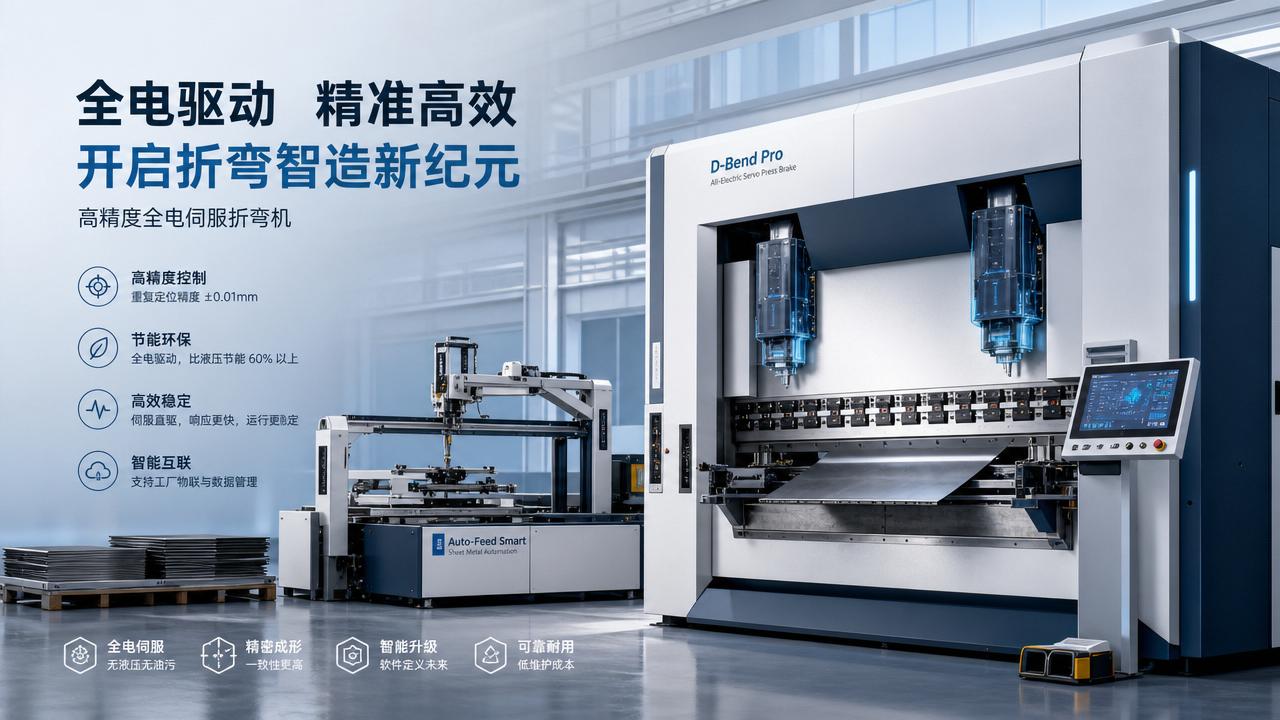
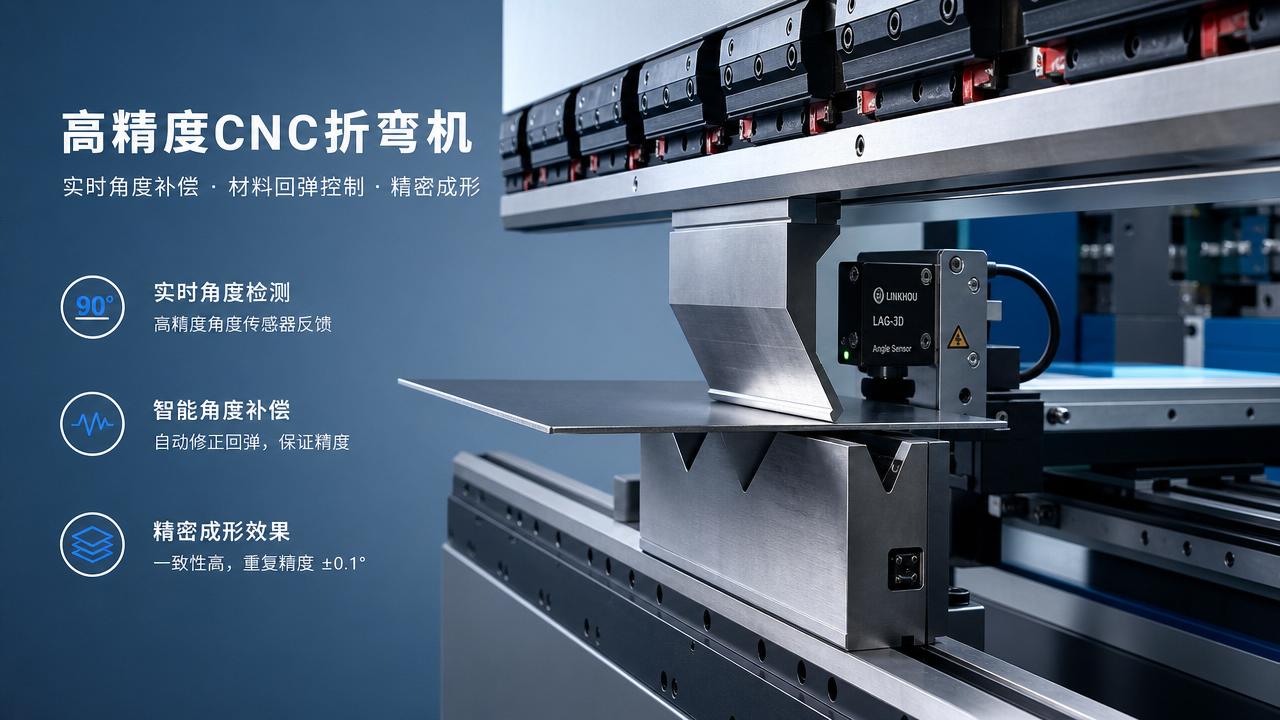
In press brakes, real-time angle compensation improves consistency across material batches. In 5-axis machining, RTCP strategies and feedback loops help maintain tool center accuracy on complex surfaces.
3. From labor substitution to precision enhancement
A common misunderstanding still appears in automation planning. The goal is not simply to remove manual work. The stronger business case often comes from making high-precision processes more stable and scalable.
That is especially true for aero-engine blades, battery enclosures, medical components, and lightweight structural parts. Here, industrial automation trends are tied to quality assurance, not just labor cost reduction.
4. From machine uptime to lifecycle performance
Factories now judge equipment by total lifecycle value. Spindle stability, laser source health, linear scale reliability, and maintenance predictability all affect output quality over time.
This is where industrial automation trends overlap with service intelligence. Predictive maintenance, remote diagnostics, and condition monitoring help prevent hidden losses before scrap or downtime appears.
5. From speed-first thinking to process-window optimization
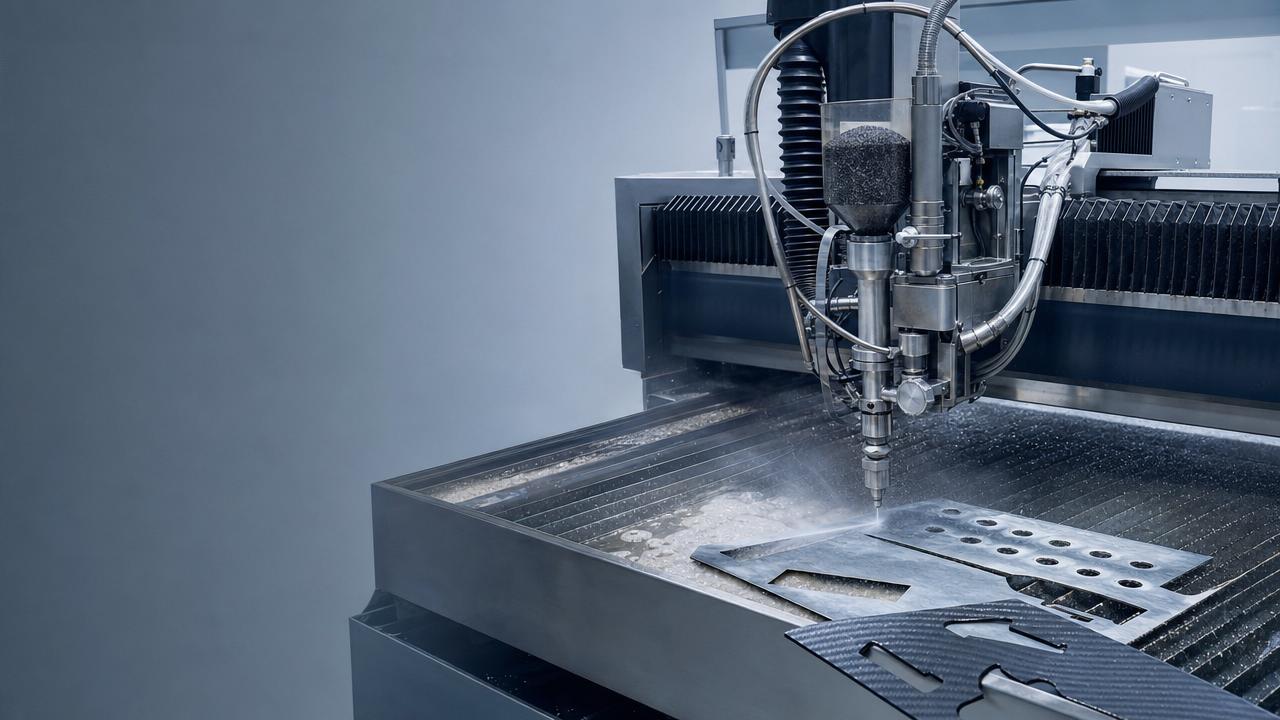
Faster is not always better. In laser cutting, melt pool behavior, assist gas settings, and edge quality define the usable process window. In waterjet cutting, nozzle condition and pressure stability shape cut integrity.
Industrial automation trends increasingly focus on balancing speed, tolerance, material behavior, and downstream finishing requirements. That makes automation a process strategy, not just a throughput tool.
6. From single-line efficiency to supply chain resilience
Automation decisions are now influenced by export controls, controller availability, and core component sourcing. A highly automated line still carries risk if critical CNC systems or sensing hardware face disruption.
This is why industrial automation trends now include strategic visibility. Equipment choices, software architecture, and supplier diversification are becoming part of the same operational conversation.
7. From generic digitalization to application-specific intelligence
Not all automation data has equal value. High-performing factories focus on application-specific signals: toolpath accuracy, vibration, temperature drift, part geometry, cutting quality, and material response.
That approach is more practical than broad digitalization programs. It also matches the way advanced sectors operate, where a single deviation can compromise performance, certification, or assembly fit.
Where these trends show the clearest business value
The value of industrial automation trends becomes clearer when viewed through actual production scenarios. Different equipment categories solve different operational problems.
Across these categories, the practical benefit is not abstract digital transformation. It is more predictable quality, better asset utilization, and stronger control over difficult production variables.
How to assess industrial automation trends without overcommitting
Many automation programs disappoint because they start with technology enthusiasm instead of process diagnosis. A better approach is to map decisions against a few operational questions.
- Which process step creates the most scrap, delay, or variability?
- Is the bottleneck caused by machine capability, material behavior, or workflow gaps?
- Will automation improve precision, traceability, or throughput in measurable terms?
- Can the new system integrate with existing controls, software, and inspection routines?
- Are key components and service support secure enough for long-term operation?
This is where informed market intelligence becomes useful. Monitoring controller ecosystems, export policy shifts, RTCP developments, robotics integration, and EV-driven material demand can improve timing and reduce investment error.
The next stage of factory competitiveness
The most important industrial automation trends are practical, not theatrical. They connect machine intelligence with process discipline. They support precision, resilience, and faster response to changing product requirements.
For operations shaped by advanced machining, metal cutting, and flexible sheet metal forming, the next step is usually not a full redesign. It is a sharper evaluation of where automation can stabilize tolerance, protect quality, and unlock capacity first.
Factories that treat automation as a precision strategy, rather than a standalone equipment upgrade, are better positioned to adapt. That makes industrial automation trends worth tracking not as headlines, but as decision signals for the next investment cycle.
- 5-axis CNC machining
- flexible sheet metal forming
- industrial mother machines
- CNC lathes
- aero-engine blades
- real-time angle compensation
- waterjet cutting
- cold cutting
- industrial automation
- precision manufacturing
- 5-axis machining
- laser cutting
- CNC systems
- industrial automation trends
- 5-axis machining center
Product Recommendations
 Abrasive Delivery SystemsIndustrial Waterjet Cutters: Abrasive Costs That Erode MarginsAnalyst :5-Axis Machining Scientist
 All-Electric Press BrakesAll-Electric Servo Drives: Energy Savings vs Upgrade CostAnalyst :Precision Turning Architect
 All-Electric Press BrakesReal-Time Angle Compensation: What It Fixes and What It Doesn'tAnalyst :Precision Turning Architect
 Latest Sector NewsHigh-Strength Steel Machining: Tool Life Myths to AvoidAnalyst :Dr. Alistair Vaughn
 3D 5-Axis LaserComposite Material Cutting Without Delamination: Key MethodsAnalyst :
 Robotic Bending CellsAutomated Sheet Metal Forming: Hidden Setup Costs ComparedAnalyst :Precision Turning Architect