Medical machining cost depends on much more than the size of a part or the amount of metal removed. A small component with tight tolerances, difficult-to-reach features, extensive inspection, and full material traceability can cost more than a larger, simpler part. The most useful quote is therefore the one that explains what must be made, how it will be verified, and which costs occur once versus with every order.
To compare suppliers fairly, start with the intended application and the complete set of requirements. An instrument handle, a surgical tool, and an implantable component may all be machined from metal, but they can call for very different materials, finishes, documentation, and controls. A lower unit price is only a saving if it covers the same deliverable.
What is included in the price of a machined medical part?
A quotation typically combines several types of cost. Some are incurred before the first acceptable part is produced; others recur with every batch or every unit. Separating them makes it easier to understand why a prototype can be expensive and why a production price may change with volume.
Shipping, tooling ownership, minimum order quantities, and charges for engineering changes can also affect the comparison. A supplier does not have to itemize every internal expense, but the quote should make its scope and assumptions clear enough to compare with competing offers.
Material choice affects more than the stock price
Material selection is often driven by the part’s intended use, strength, corrosion resistance, wear, and compatibility with its environment. Depending on the application, specifications may call for stainless steel, titanium alloys, engineering polymers, or other materials. The relevant comparison is not simply the price of a bar or sheet: it is the cost of turning the specified material into an acceptable finished part.
A material can be costly to machine because it limits cutting conditions, increases tool wear, produces difficult chips, or requires careful control of heat and distortion. Material utilization matters too. A component cut from a large billet may generate substantial scrap, while a shape closer to the finished form may reduce waste. That alternative can introduce its own tooling, lead-time, or minimum-order costs, so it becomes more attractive when demand is stable enough to support it.
Ask whether the quote includes the required material certificates and lot traceability. If a drawing specifies a particular grade or material form, an apparently cheaper substitute is not equivalent simply because it has a similar name. Any substitution belongs in the formal design and quality review, especially when the material is linked to the device’s intended use.
Tolerances and surface finish: specify what the part actually needs
Tight tolerances can increase machining time, inspection effort, and the risk that a part must be scrapped or reworked. The effect is especially noticeable when demanding requirements apply across many features or when those features are difficult to reach and measure.
Not every dimension serves the same purpose. A mating bore, sealing surface, or bearing location may need tighter control than an external surface that provides clearance. When a drawing applies the same demanding tolerance everywhere, the supplier may have to control and inspect features that do not need that level of precision for their function.
Surface finish should be reviewed in the same way. A fine finish may be necessary for a mating surface, cleaning performance, or another defined function. Applying it to every face can add finishing and verification work without improving the part. The design and quality teams should identify where each requirement matters before a revised drawing is sent for pricing.
A lower-cost alternative is only useful if the requirement can genuinely change. Procurement should request a drawing review rather than independently relaxing tolerances or finish specifications. The supplier can identify costly features; the device owner determines whether an alternative meets the design intent.
Geometry determines the process—and the number of times a part is handled
Complex geometry affects price through tool access, setup, workholding, and cycle time. Deep narrow pockets, thin walls, small internal radii, cross-holes, and features on several faces can require specialized tools or multiple operations. Each additional setup can introduce handling time and create another opportunity for variation.
For a small cylindrical component, a Swiss-type CNC lathe may be appropriate when its features and production volume suit that process. A conventional CNC lathe may be sufficient for a simpler turned part. For a component with angled features or complex surfaces, a five-axis machining center can sometimes reach more areas in fewer setups. That does not automatically make it the cheapest choice: machine time, programming, fixture design, and the number of parts all influence the result.
When reviewing a design for cost, ask the supplier to identify features that drive a second setup, require an unusually small tool, or make inspection difficult. A modest change to an internal corner radius or hole orientation may open up a simpler process. Such changes should be evaluated against assembly, function, and the controlled design—not accepted solely because they reduce machining time.
For sheet-based components, a cut-and-form process may be worth comparing with machining from solid stock. Laser cutting or waterjet cutting followed by forming can reduce material removal for suitable shapes, but edge condition, flatness, bend accuracy, and any required secondary finishing must still meet the part specification. A process comparison is meaningful only when both routes deliver the same finished requirements.
Why order quantity changes the unit price
Programming, fixture preparation, first-piece checks, and machine setup are generally spread across the parts in a production run. A small prototype order carries a larger share of those costs per unit. A larger batch can reduce the setup share, provided the parts can be produced consistently and the supplier has capacity.
Volume does not eliminate every cost. Material, cutting time, consumables, inspection, cleaning, and packaging may still recur with each unit or lot. Larger batches can also increase inventory exposure if the design changes or demand falls. For parts with an evolving design, a higher initial unit price may be preferable to holding stock that cannot be used.
Request pricing at quantities that reflect the actual purchasing plan, including the expected release schedule. A quote for a large batch produced at once is not necessarily comparable to the same annual quantity delivered in small releases. Ask whether the supplier can hold material or finished inventory, how long pricing remains valid, and what happens if a scheduled release changes.
Inspection and documentation can change the quote substantially
Two suppliers may plan to machine the same geometry but provide different levels of verification. One quote may include a basic dimensional report; another may include detailed measurements, material records, lot traceability, and a documented review before release. Neither scope should be assumed from the phrase “medical quality.”
Identify the features that require measurement, the sampling or inspection approach, and the records that must accompany each shipment. Some dimensions may require specialist equipment, dedicated fixtures, or methods that take longer than the machining operation itself. If the part has internal or difficult-to-access features, discuss how they will be inspected before selecting the lowest bid.
Traceability and quality system requirements should match the device, the organization’s responsibilities, and the applicable purchasing controls. A supplier’s quality certification can be useful evidence of its management system, but it does not by itself establish that every process, subcontractor, or finished part meets the purchase specification.
Also define the treatment of nonconforming parts: whether rework is allowed, who approves it, and how deviations are documented. An inexpensive quote can become costly if these decisions are left until a batch is ready to ship.
Compare total delivered cost, not just the quoted piece price
Consider two hypothetical quotes for the same component. Supplier A offers a lower unit price but excludes cleaning, detailed inspection records, and delivery. Supplier B includes those items and charges a separate setup fee. The comparison changes once the excluded services, freight, and setup are allocated across the planned quantity.
Use a common basis for each offer: the same drawing revision, material, finish, quantity, inspection scope, packaging, delivery location, and required records. Then calculate the cost for the intended order, including one-time charges and any external processing. If repeat orders are expected, compare the first order and subsequent orders separately; setup or tooling charges may not recur in the same way.
Lead time deserves the same scrutiny. Ask whether it starts when the purchase order is placed or after drawing approval, material availability, and any required tooling are settled. A short quoted production time may not include outside finishing or document review. Delays can disrupt a production schedule even when the part price is attractive.
Where to look for savings without weakening requirements
The best opportunity is often found before placing the order, while the design and purchasing assumptions can still be discussed. Give suppliers enough information to suggest practical alternatives, then route any proposed change through the appropriate design and quality review.
- Concentrate precision where it serves a function. Review general tolerances, feature-specific tolerances, and surface finishes with the engineering team. Retain the controls needed for fit, performance, and verification.
- Make the part easier to produce. Ask whether hole access, corner radii, wall thickness, or feature orientation creates avoidable tooling or setups. Assess each proposed change against the part’s intended use.
- Match the process to the shape and demand. Compare turning, milling, five-axis machining, or a cut-and-form route where appropriate. Include tooling and secondary operations in the comparison.
- Plan realistic batches. Use forecast demand and release schedules to evaluate setup savings against inventory and revision risk.
- Define inspection before requesting a quote. State what must be measured, how results are reported, and which records travel with each lot. This reduces mismatched assumptions and later commercial disputes.
- Review the complete supply chain. Establish who purchases material, manages finishing, performs final inspection, and resolves problems across subcontracted operations.
Before issuing a request for quotation, assemble the current controlled drawing, material and finish requirements, expected quantities, delivery schedule, and quality documentation requirements. Invite suppliers to identify cost drivers and propose alternatives separately from their compliant quote. That gives the buying team a dependable baseline and a practical list of changes to evaluate before committing to production.
Want to dive deeper into these market dynamics, or need data-driven support for your next business move? Drop a line below and let the analysts at AMTS provide customized insights.
We respect your privacy. Your information is strictly confidential.
Product Recommendations
 Abrasive Delivery SystemsIndustrial Waterjet Cutters: Abrasive Costs That Erode MarginsAnalyst :5-Axis Machining Scientist
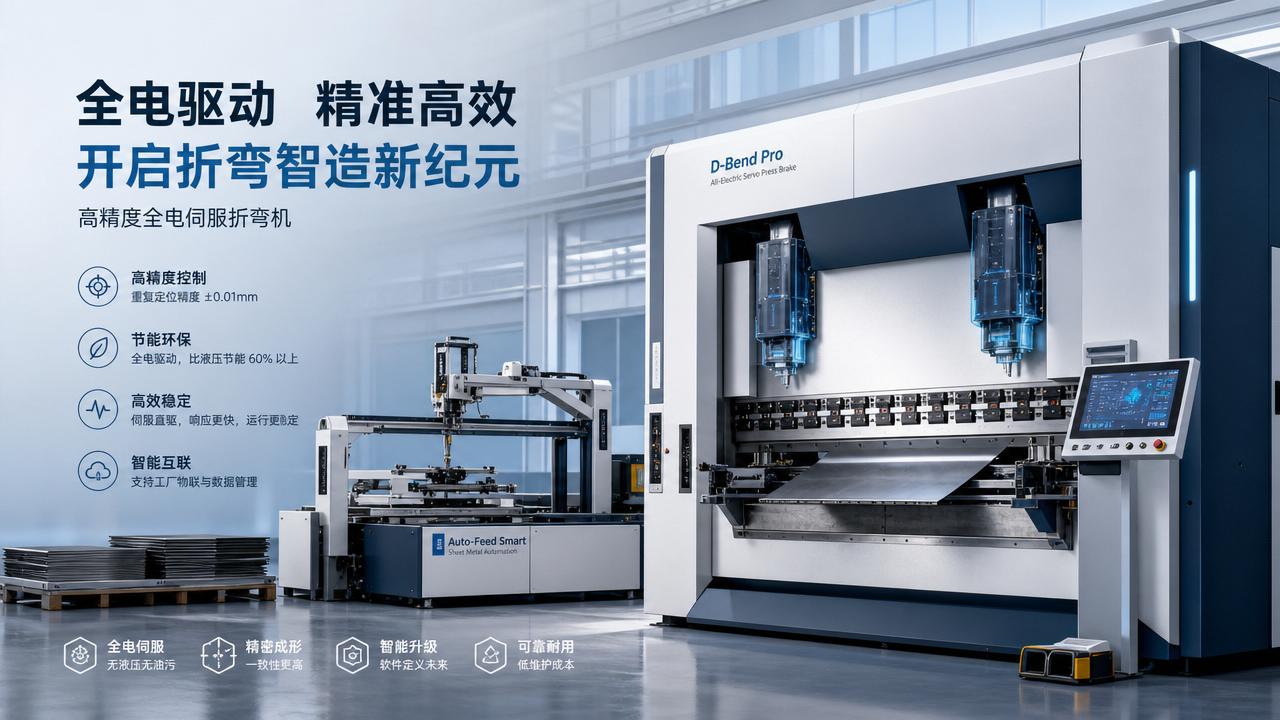
 All-Electric Press BrakesAll-Electric Servo Drives: Energy Savings vs Upgrade CostAnalyst :Precision Turning Architect
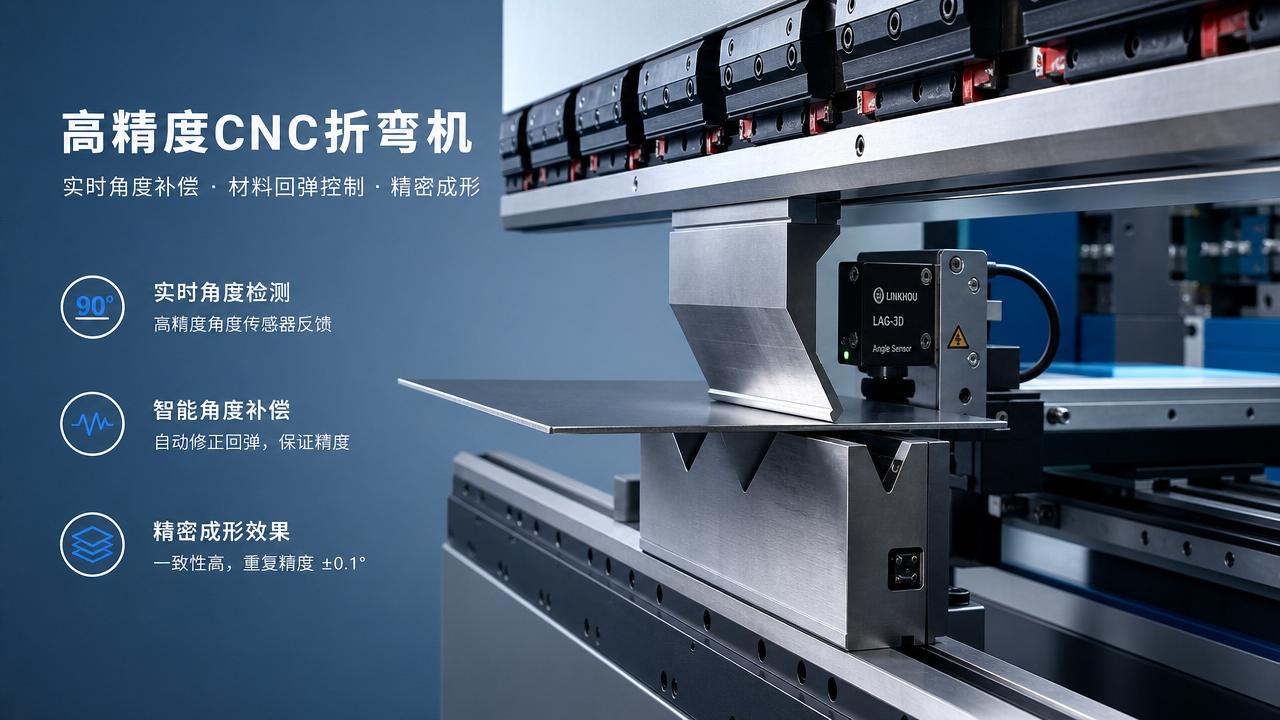
 All-Electric Press BrakesReal-Time Angle Compensation: What It Fixes and What It Doesn'tAnalyst :Precision Turning Architect
 Latest Sector NewsHigh-Strength Steel Machining: Tool Life Myths to AvoidAnalyst :Dr. Alistair Vaughn
 3D 5-Axis LaserComposite Material Cutting Without Delamination: Key MethodsAnalyst :
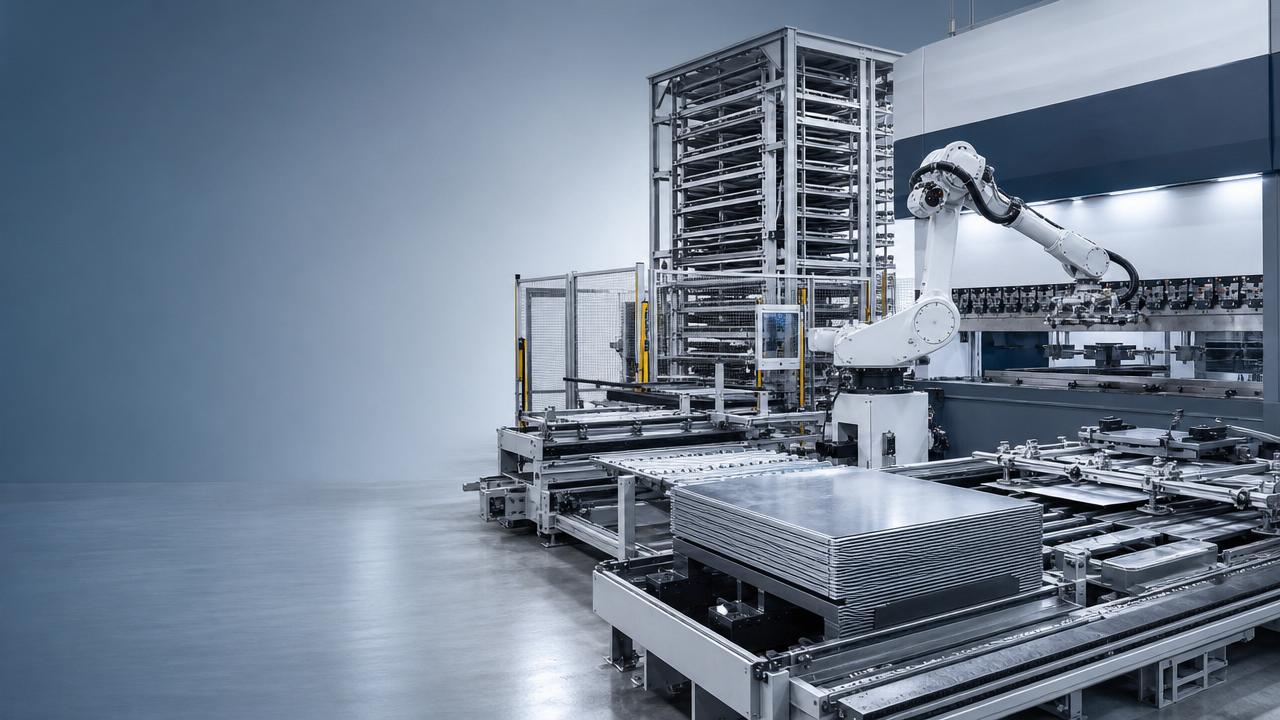
 Robotic Bending CellsAutomated Sheet Metal Forming: Hidden Setup Costs ComparedAnalyst :Precision Turning Architect