The machine tool industry outlook is shaped by competing forces: demand for precision manufacturing and automation on one side, and capital costs, supply chain constraints, and geopolitical uncertainty on the other. For business leaders, the central question is not simply whether to invest, but where a machine, production cell, or capacity expansion can earn its place.
Aerospace programs, electric vehicle production, and factory modernization all create opportunities. Yet they do not translate into interchangeable equipment orders. The strongest decisions connect a specific manufacturing bottleneck to a credible workload, a realistic operating model, and a plan for managing downside risk.
Machine Tool Industry Outlook: Growth Will Be Uneven
Machine tools are exposed to several investment cycles at once. An aerospace supplier may need additional capacity for difficult-to-machine components, while an automotive supplier may be reconsidering its mix of turning, milling, and sheet metal equipment. Contract manufacturers face another challenge: investing before they know which customer programs will fill the machines.
The direction of manufacturing investment is therefore more useful when examined by application than by a single market growth forecast. The following signals deserve particular attention:
- Order quality, not just order volume: A large equipment order may depend on customer financing, facility readiness, or a production program that can change. Examine delivery schedules, cancellation terms, and the proportion of demand supported by firm contracts.
- Installed capacity versus usable capacity: A factory can own enough machines on paper but lack the programming, tooling, inspection, or operators needed to produce a demanding part consistently.
- Replacement demand versus expansion: Replacing an aging machine may reduce maintenance exposure or improve process stability, even when the buyer does not expect a large increase in unit output.
- Regional exposure: Equipment demand depends on where parts are made, where machines are serviced, and whether trade restrictions or localization requirements affect the transaction.
For a builder, distributor, or investor, these distinctions matter because revenue timing and margins can differ substantially between a repeatable replacement sale and a customized production cell tied to a single program.
Where Demand Is Taking Shape
Aerospace: Capability and Qualification Drive the Purchase
Aerospace components often combine complex geometry, demanding materials, traceability requirements, and expensive workpieces. Five-axis machining can be attractive when it reduces setups, improves access to features, or enables a part to be produced with fewer transfers. But the business case depends on the part family and the complete process—not on the number of machine axes alone.
A buyer should test whether the proposed machine can reach the relevant features with practical tooling, maintain the required accuracy over the machining cycle, and fit the inspection strategy. Programming capability, fixture design, thermal behavior, and operator training can be as consequential as the machine specification.
Program announcements also need to be translated into a production schedule. A forecast for aircraft deliveries does not automatically become immediate machine tool demand: suppliers may have spare capacity, qualification may take time, and work may be distributed across several tiers. Boeing’s Commercial Market Outlook illustrates the long planning horizons involved in aircraft demand forecasts, but its projections are not forecasts of individual supplier equipment orders. Source: Boeing, Commercial Market Outlook, https://www.boeing.com/commercial/market/commercial-market-outlook.
Electric Vehicles: A Change in the Part Mix
Electric vehicle growth influences machine tool demand, but it changes what manufacturers need to make. Some suppliers face lower exposure to components specific to internal combustion powertrains, while opportunities arise around battery enclosures, structural parts, electric drive components, and thermal-management assemblies.
The International Energy Agency tracks electric car sales and policy developments in its Global EV Outlook. Its analysis is a useful starting point for understanding vehicle adoption, but a machine tool investment still requires a local assessment of platform awards, sourcing decisions, material choices, and production location. Source: IEA, Global EV Outlook, https://www.iea.org/reports/global-ev-outlook-2024.
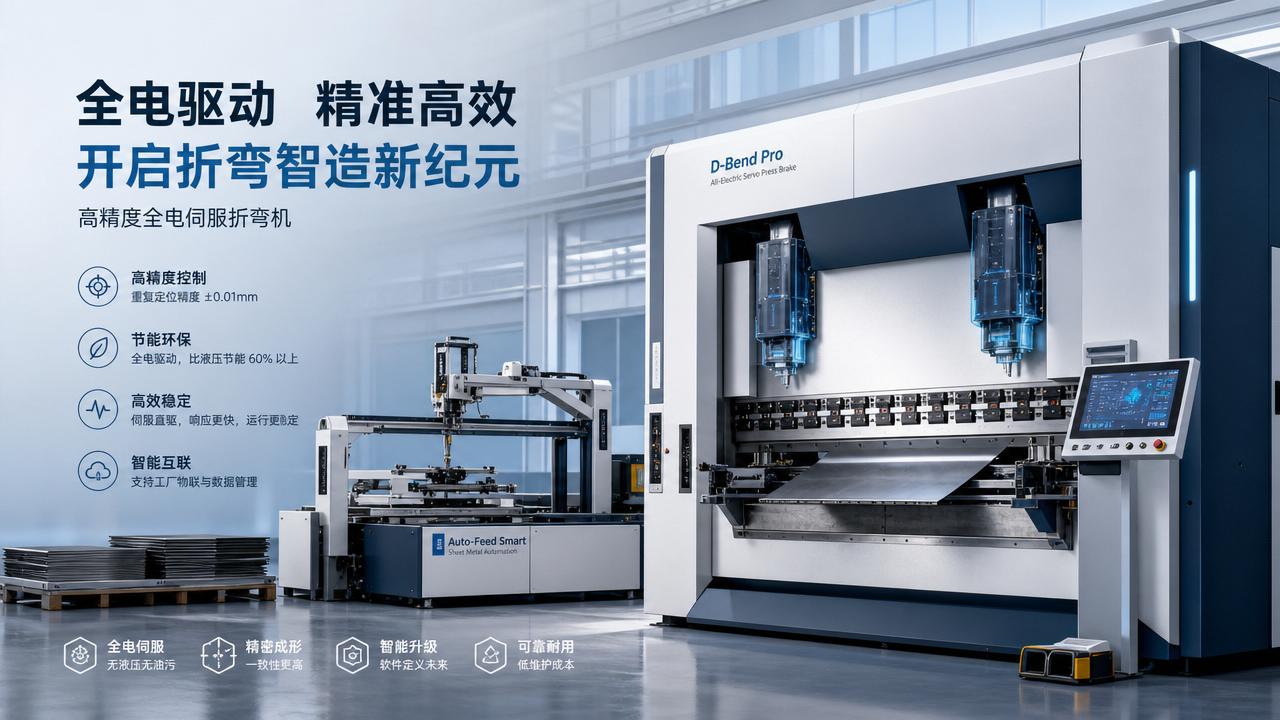
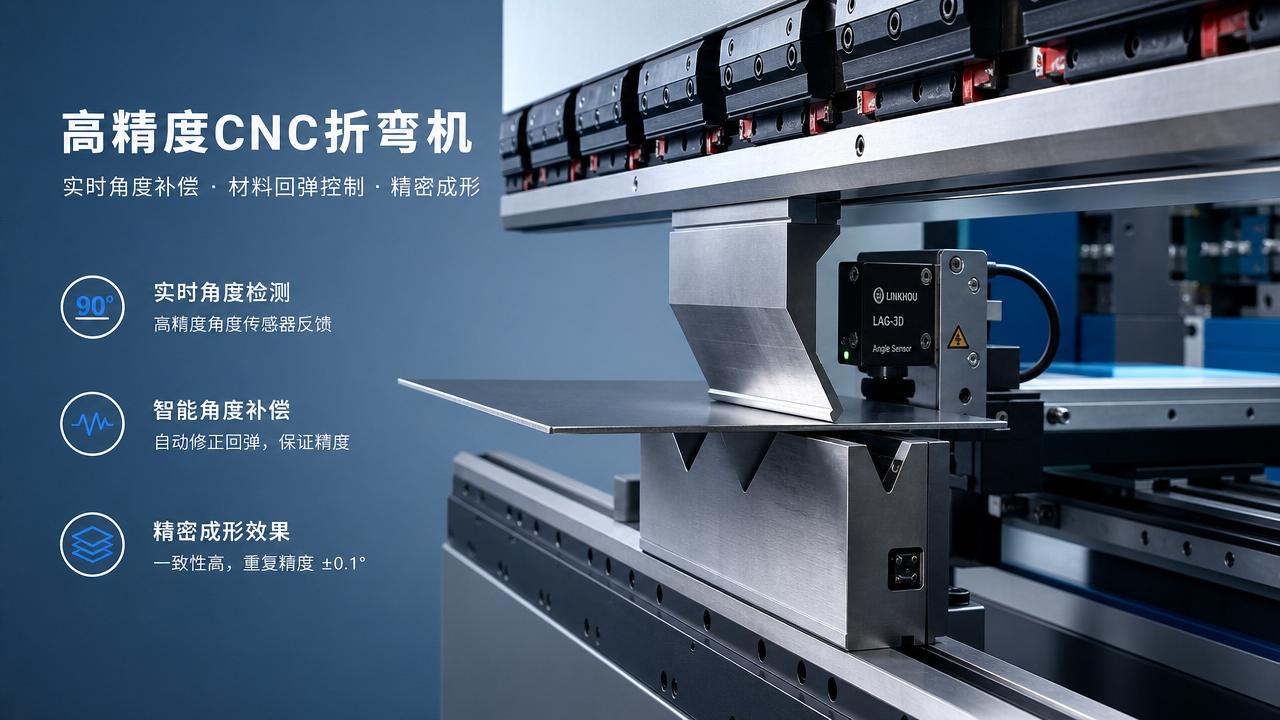
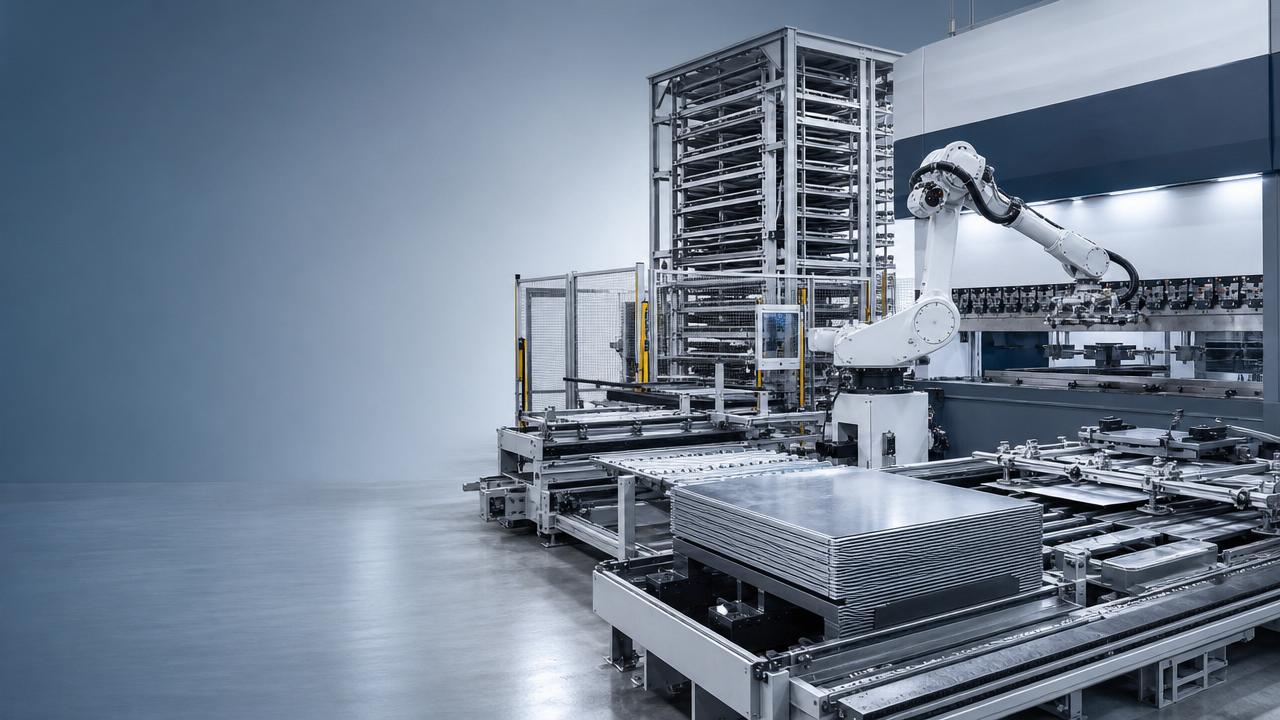
For example, a sheet metal supplier considering fiber laser cutting and automated bending should examine the expected mix of aluminum, steel, part thicknesses, batch sizes, and engineering changes. A high-speed cutting machine will not solve a downstream forming bottleneck, and a robotic press brake may be difficult to justify if part variation requires frequent complex changeovers.
Automation: Demand for More Than an Unattended Machine
Manufacturers are increasingly evaluating automation as a way to address staffing constraints, stabilize production, and extend productive hours. The International Federation of Robotics documents global industrial robot installations and trends in its World Robotics reporting. That evidence supports attention to automation, but it does not imply that every machine tending project will deliver the same return. Source: IFR, World Robotics, https://ifr.org/worldrobotics.
The commercial opportunity extends beyond robots. Workholding, pallet systems, tool monitoring, chip evacuation, inspection, scheduling, and recovery procedures all influence whether an automated cell can run reliably. A cell that requires frequent manual intervention may add complexity without adding meaningful productive capacity.
Technology Choices Should Follow the Bottleneck
Each equipment category addresses a different manufacturing constraint. The table below is a starting point for screening opportunities, not a substitute for a part-level process study.
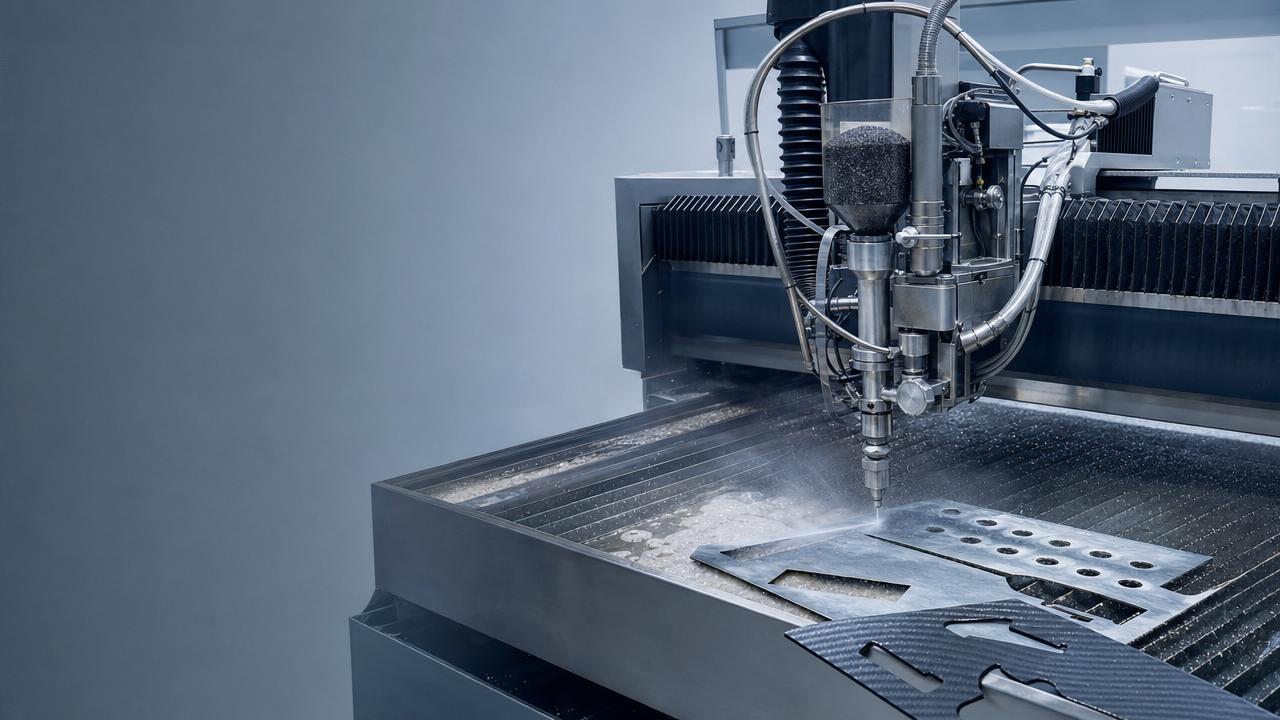
Waterjet cutting avoids a thermal heat-affected zone associated with thermal cutting processes, but that does not eliminate every quality concern. Edge taper, surface finish, abrasive management, and material-specific cutting behavior still need validation. Likewise, laser power alone is not a production strategy: assist gas, nozzle condition, programming, and part removal affect the result.
For five-axis machines, features such as tool center point control can simplify certain programming and motion tasks, but buyers should confirm controller behavior, postprocessor support, calibration procedures, and the skills available in-house. A demonstration part should resemble the buyer’s real work rather than merely showcase the machine’s capabilities.
The Investment Risks Behind Attractive Demand Stories
1. Capacity Arrives Before the Work
A common mistake is to size equipment around a customer’s optimistic forecast without accounting for delayed launches, insourcing, or changes in sourcing. This is particularly consequential when a machine is highly customized for one component.
Decision safeguard: Separate contracted volume from forecast volume. Then identify alternative part families the machine could produce, the cost of switching between them, and the utilization level required to cover ownership costs. If the project only works at near-perfect loading, it has little protection against disruption.
2. The Quoted Machine Price Becomes the Budget
The purchase price is only one part of the commitment. Toolholders, fixtures, cutting tools, software, postprocessors, foundations, electrical work, extraction, training, and inspection equipment may all be necessary before production begins. Financing costs and working capital also matter when customer payment follows installation by months.
Decision safeguard: Build a total cost of ownership model that includes installation, consumables, preventive maintenance, service response, spare parts, software support, energy, and expected residual value. Keep one-time costs separate from recurring costs so that competing quotations can be compared consistently.
3. Component and Service Dependencies Are Overlooked
CNC controls, drives, spindles, encoders, laser sources, pumps, and linear scales can have different suppliers and support arrangements. A machine may be available for delivery while a critical option, replacement component, or qualified technician is not readily available in the operating region.
Decision safeguard: Ask who stocks critical parts, where repairs are performed, what remote and on-site support covers, and whether the quoted response time is contractual. Review the installed machine’s software and control dependencies as carefully as its mechanical specifications.
4. Trade and Export Controls Alter the Plan
Cross-border equipment transactions can be affected by tariffs, sanctions, export licensing, end-use restrictions, and changes in local rules. Some advanced machine tools and related technologies may be controlled depending on their technical characteristics, destination, end user, and intended use. A general description such as “five-axis machine” is not enough to establish whether a license is required.
Decision safeguard: Obtain the relevant technical classification and screen the proposed transaction before committing to delivery dates or pricing. For U.S.-regulated exports, consult the Bureau of Industry and Security’s Export Administration Regulations and current guidance; other jurisdictions have their own requirements. Source: U.S. BIS, Export Administration Regulations, https://www.bis.gov/regulations/ear.
5. The Process Cannot Be Sustained at the Required Quality
A successful demonstration is not the same as stable production. Tool wear, heat, fixture variation, material variation, and measurement uncertainty can affect results across a shift or a longer production run. Tight tolerances also require an inspection method appropriate to the feature and the operating environment.
Decision safeguard: Agree on an acceptance test using representative material, tooling, cycle conditions, and measurement methods. Define who supplies the workpiece and programs, how results are recorded, and what happens if the machine or process does not meet the agreed criteria.
A Practical Investment Framework for Decision-Makers
Before approving capital, bring operations, engineering, finance, quality, procurement, and sales into the same review. Their assumptions should reconcile in one model rather than remain in separate presentations.
- Define the constraint. Is the limiting factor spindle time, setup, inspection, bending capacity, skilled labor, floor space, or delivery reliability? Measure the current process before specifying equipment.
- Map the workload. List representative parts, materials, tolerances, batch sizes, expected volumes, and customer commitments. Distinguish confirmed work from opportunities still being quoted.
- Compare process routes. Evaluate whether a new machine, a different fixture, additional automation, subcontracting, or a revised production sequence addresses the constraint at a reasonable risk.
- Model cash flows under multiple cases. Test a base case, a delayed-ramp case, and a lower-volume case. Include capital expenditure, operating costs, financing, maintenance, and the timing of customer revenue.
- Validate execution. Confirm site readiness, programming resources, operator training, acceptance criteria, cybersecurity responsibilities, and service coverage before placing the order.
- Set review triggers. Define what would cause the business to defer an option, add a shift, redirect the machine to another part family, or revisit the automation plan.
A simple payback estimate can help screen alternatives: divide the installed investment by the expected annual net cash benefit. But define that benefit carefully. Avoid counting the same capacity gain twice as both labor savings and additional revenue, and account for incremental tooling, scrap, maintenance, and staffing. For major investments, discounted cash flow and downside scenarios provide a more complete view than payback alone.
The machine tool industry outlook favors companies that can connect technical capability with flexible, supportable capacity. The most resilient investment is not necessarily the largest or most automated machine. It is the one matched to a credible workload, a controlled process, and a business case that remains workable when the forecast changes.
Frequently Asked Questions
Is a five-axis machine always better than a three-axis machine?
No. Five-axis capability can be valuable for complex access and setup reduction, but a three-axis process may be more economical for simpler parts or high-volume work with stable fixtures. Compare complete process costs and quality requirements using representative components.
When should a manufacturer automate machine loading?
Consider it when material presentation, part handling, cycle time, and process stability support repeatable operation. Validate tool life, chip management, inspection intervals, and recovery from faults before assuming unattended hours will translate into saleable output.
Which market indicator should equipment buyers monitor?
There is no single sufficient indicator. Track firm customer releases and capacity utilization alongside sector forecasts, machine tool orders, financing conditions, and local supplier activity. Together, they offer a stronger basis for timing an investment than any headline forecast alone.
- 5-axis CNC machining
- CNC machining centers
- CNC lathes
- laser cutting machines
- CNC press brakes
- industrial waterjet cutters
- Waterjet Cutters
- machine tools
- fiber laser cutting
- waterjet cutting
- machine tool industry
- fiber laser cutting machines
- precision manufacturing
- laser cutting
- linear scales
- advanced machine tools
- machine tool industry outlook
Want to dive deeper into these market dynamics, or need data-driven support for your next business move? Drop a line below and let the analysts at AMTS provide customized insights.
We respect your privacy. Your information is strictly confidential.
Product Recommendations
 Abrasive Delivery SystemsIndustrial Waterjet Cutters: Abrasive Costs That Erode MarginsAnalyst :5-Axis Machining Scientist
 All-Electric Press BrakesAll-Electric Servo Drives: Energy Savings vs Upgrade CostAnalyst :Precision Turning Architect
 All-Electric Press BrakesReal-Time Angle Compensation: What It Fixes and What It Doesn'tAnalyst :Precision Turning Architect
 Latest Sector NewsHigh-Strength Steel Machining: Tool Life Myths to AvoidAnalyst :Dr. Alistair Vaughn
 3D 5-Axis LaserComposite Material Cutting Without Delamination: Key MethodsAnalyst :
 Robotic Bending CellsAutomated Sheet Metal Forming: Hidden Setup Costs ComparedAnalyst :Precision Turning Architect