Choosing medical-grade dental implants is no longer a simple matter of unit price or catalog availability. The better question is whether the implant can deliver repeatable clinical performance, proven material safety, and dependable manufacturing quality. In a market shaped by tighter regulation, global sourcing pressure, and rising expectations for traceability, medical-grade dental implants sit at the intersection of healthcare standards and precision manufacturing. That is why materials, certifications, and fit deserve to be reviewed together rather than in isolation.
Why this category demands closer evaluation
Dental implants are small components, but they carry long-term biomechanical responsibility. They must integrate with bone, resist corrosion, handle cyclic loading, and maintain dimensional stability during placement and service.
That makes medical-grade dental implants different from ordinary machined parts. Surface finish, thread accuracy, concentricity, and cleanliness all affect final performance, even when the implant looks acceptable at first glance.
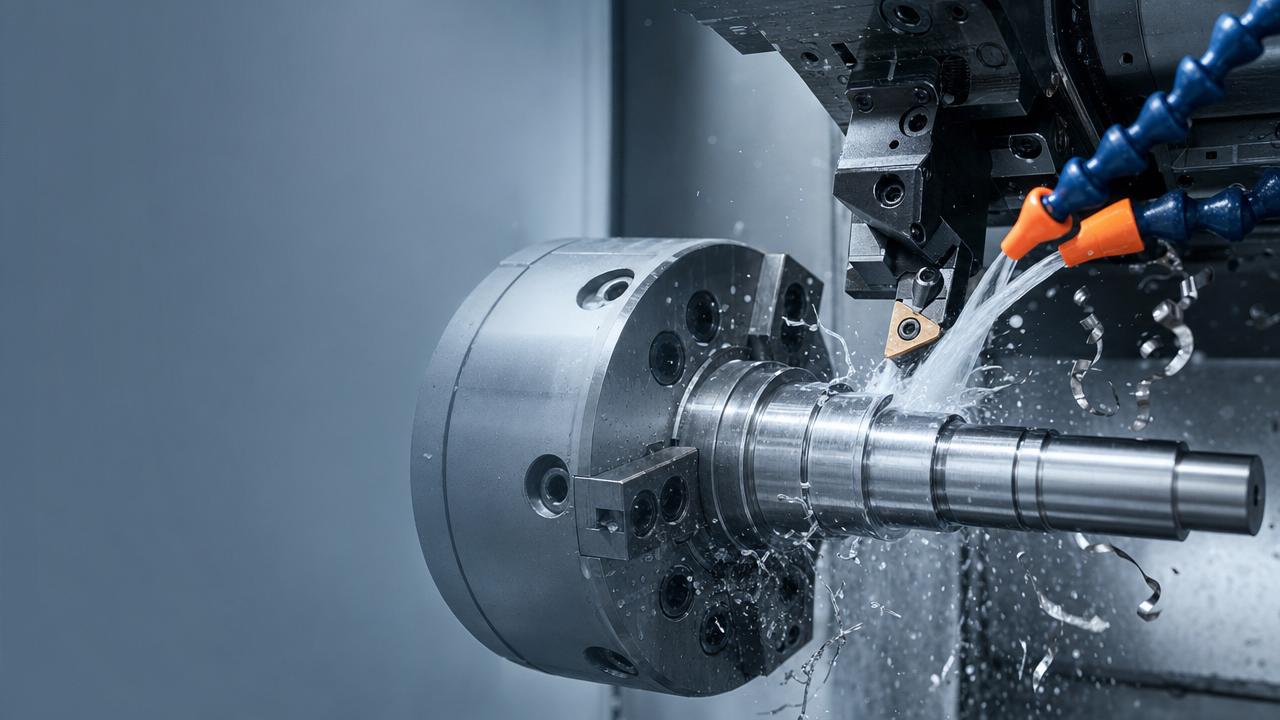
From an industrial viewpoint, this is also a precision manufacturing story. The same discipline used in advanced CNC machining, micron-level tolerance control, and high-consistency metal cutting applies directly to implant production.
This is where AMTS offers useful context. Its focus on 5-axis CNC systems, Swiss-type turning, and manufacturing intelligence helps explain why sourcing decisions for implants should include process capability, not just product claims.
Materials are the first filter, not the final answer
Most medical-grade dental implants are made from titanium or titanium alloys, especially commercially pure titanium and Ti-6Al-4V ELI. Zirconia also appears in selected cases, mainly where esthetics or metal-free positioning matters.
Commercially pure titanium is valued for biocompatibility and corrosion resistance. Titanium alloys add higher strength, which can support thinner designs or demanding load conditions. Zirconia offers a different balance of appearance and material behavior.
Still, naming a material grade is not enough. A supplier may cite titanium, yet the real quality depends on chemistry control, inclusion levels, grain structure, heat treatment, and how the surface is processed afterward.
What to check in material documentation
- Mill certificates that confirm alloy grade and batch traceability.
- Compliance with recognized material standards such as ASTM or ISO.
- Surface treatment records, including blasting, etching, anodizing, or cleaning steps.
- Evidence that packaging preserves sterility or cleanliness requirements.
In practice, the best medical-grade dental implants are supported by a chain of evidence from raw bar stock to final packaged component. That chain matters as much as the material name itself.
Certifications show control, but they should be read carefully
Certifications are often used as shorthand for quality. They are important, but they should be interpreted correctly. A certificate does not replace technical review, and not every certificate proves the same thing.
For medical-grade dental implants, common benchmarks include ISO 13485 for medical device quality management, CE marking in relevant markets, FDA registration pathways where applicable, and biocompatibility evaluation under ISO 10993.
Sterilization validation, packaging validation, and shelf-life studies can also be decisive. These items affect market access and product reliability, especially when implants move across borders or through multiple distribution layers.
A useful rule is to ask what each certificate covers, what it does not cover, and whether the issuing scope matches the actual implant product. That prevents false confidence based on generic paperwork.
Fit means clinical fit, system fit, and manufacturing fit
The word fit is often treated too narrowly. In reality, medical-grade dental implants must fit three layers at once: the patient situation, the prosthetic system, and the production process behind the implant.
Clinical fit involves diameter, length, thread design, surface profile, and primary stability expectations. These features influence bone response, insertion behavior, and long-term function.
System fit refers to compatibility with abutments, surgical kits, digital workflows, and restorative components. An implant may perform well on paper but create downstream friction if the platform ecosystem is weak.
Manufacturing fit is less visible but equally important. It asks whether the supplier can repeatedly hold the tolerances required for implant threads, internal connections, and mating surfaces across batches.
Why precision production changes the risk profile
A dental implant is a compact geometry with unforgiving details. Internal hex or conical connections demand high repeatability. Minor variation can affect seating, torque transfer, and micro-movement resistance.
Swiss-type CNC lathes and advanced multi-axis machining are especially relevant here. They support tight tolerances, stable small-part production, and consistent threading, which are central to medical-grade dental implants.
AMTS tracks these manufacturing capabilities across machine tools, process intelligence, and supply chain shifts. That perspective is helpful when comparing suppliers that appear similar at catalog level but differ greatly in production discipline.
How to compare suppliers beyond price and brochure claims
A sound evaluation process usually combines technical review, documentation review, and manufacturing review. If one layer is missing, the decision remains incomplete.
- Review batch traceability from raw material to final lot release.
- Ask for dimensional inspection methods and sampling plans.
- Check whether surface roughness and cleanliness are validated.
- Confirm sterilization status, packaging integrity, and storage data.
- Assess change control procedures for tooling, materials, and process updates.
It also helps to understand the supplier’s machining ecosystem. A partner using modern CNC controls, in-process inspection, and disciplined lot management will usually offer more predictable quality than one relying on generic subcontracting.
This does not automatically mean the most expensive option is the best. It means the safer choice is the one with transparent process capability and a lower probability of hidden variability.
Common sourcing scenarios and the trade-offs involved
Different sourcing situations create different priorities. A replacement implant line, a private-label program, and a multi-market rollout will not require the same evidence package.
The practical lesson is simple. Medical-grade dental implants should be matched to the intended use environment, not selected from a generic commodity lens.
Signals that deserve extra attention
Some warning signs appear early if the review is structured. Missing lot traceability, vague surface treatment descriptions, inconsistent dimensional reports, and incomplete regulatory files should all prompt a deeper check.
Another signal is weak process transparency. If a supplier cannot explain how implant threads, connection interfaces, or cleaning steps are controlled, the risk usually sits below the surface rather than in the brochure.
More broadly, supply chain volatility matters too. Shifts in machine availability, material sourcing, and export control policies can affect delivery reliability. AMTS follows these industrial signals closely, which is relevant when continuity matters as much as technical compliance.
A more reliable path to decision-making
The strongest shortlist usually comes from combining three questions. Is the material appropriate and fully documented? Is the certification framework product-specific and current? Can the supplier prove repeatable fit through controlled manufacturing?
When those answers align, medical-grade dental implants become easier to compare on real value instead of apparent cost. That approach reduces sourcing risk, supports long-term reliability, and creates a better basis for future supplier decisions.
A sensible next step is to build a review matrix covering materials, standards, machining precision, surface treatment, compatibility, and traceability. Once that framework is in place, each implant option can be judged with more confidence and far less guesswork.
Product Recommendations
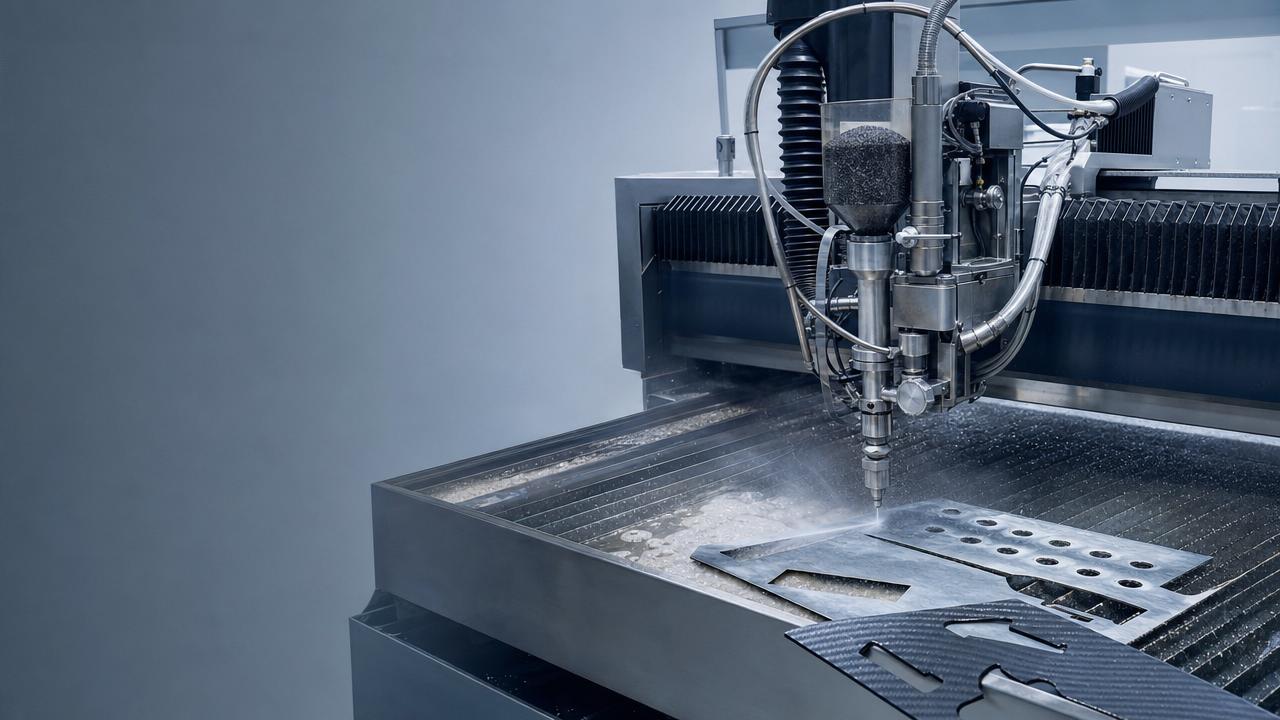
 Abrasive Delivery SystemsIndustrial Waterjet Cutters: Abrasive Costs That Erode MarginsAnalyst :5-Axis Machining Scientist
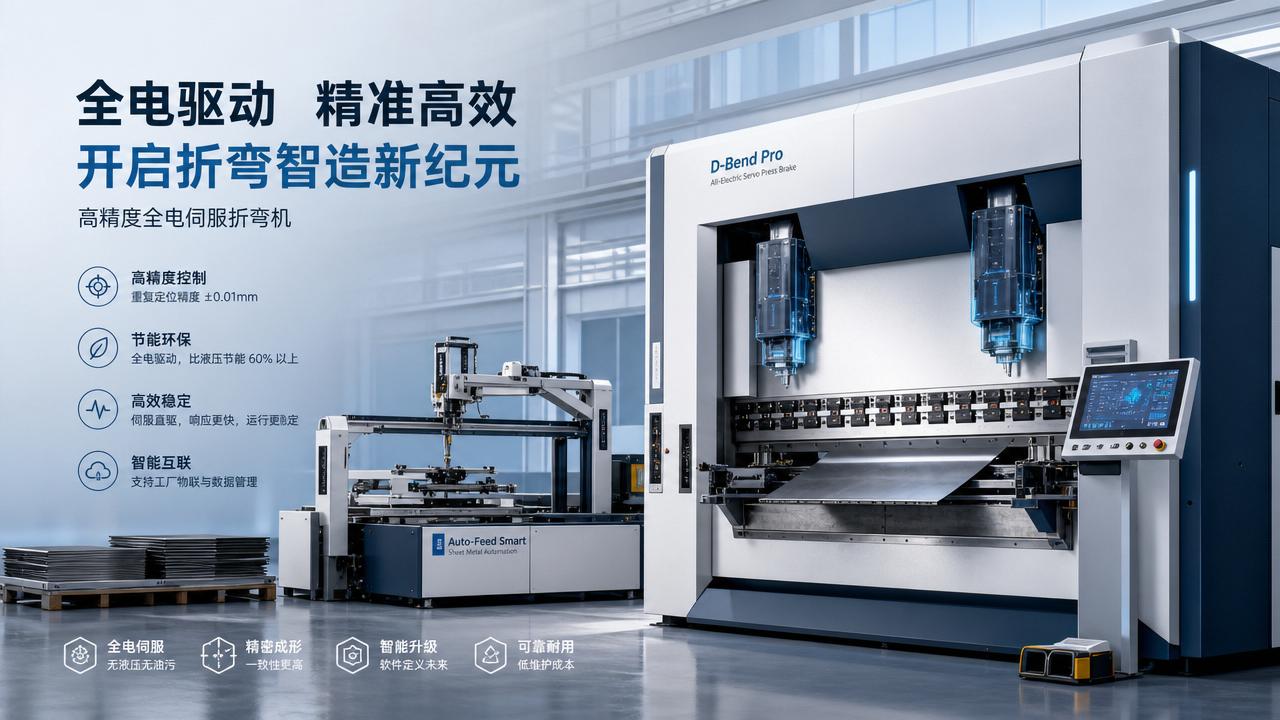
 All-Electric Press BrakesAll-Electric Servo Drives: Energy Savings vs Upgrade CostAnalyst :Precision Turning Architect
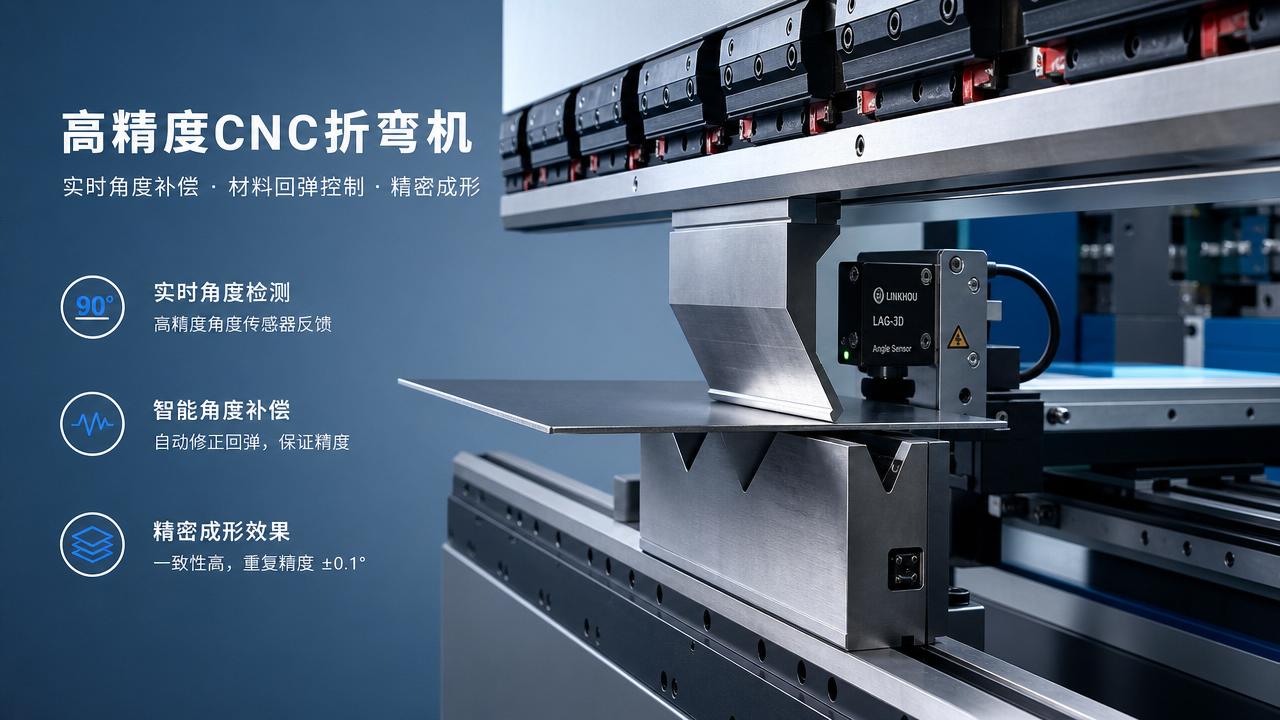
 All-Electric Press BrakesReal-Time Angle Compensation: What It Fixes and What It Doesn'tAnalyst :Precision Turning Architect
 Latest Sector NewsHigh-Strength Steel Machining: Tool Life Myths to AvoidAnalyst :Dr. Alistair Vaughn
 3D 5-Axis LaserComposite Material Cutting Without Delamination: Key MethodsAnalyst :
 Robotic Bending CellsAutomated Sheet Metal Forming: Hidden Setup Costs ComparedAnalyst :Precision Turning Architect