Starting May 28, 2026, China Customs has piloted a ‘Smart Clearance Channel for High-End Equipment Exports’ at Ningbo, Shanghai, and Shenzhen ports—targeting high-value-added export goods including 5-axis laser cutting machines, ultra-high-pressure pumps, and abrasive delivery systems. The initiative reduces average export clearance time from 5.2 days to 1.8 days. Manufacturers and exporters in precision machinery, industrial automation, and advanced materials processing should monitor this development closely, as it signals a targeted optimization of customs procedures for capital-intensive, technology-driven equipment exports.
Event Overview
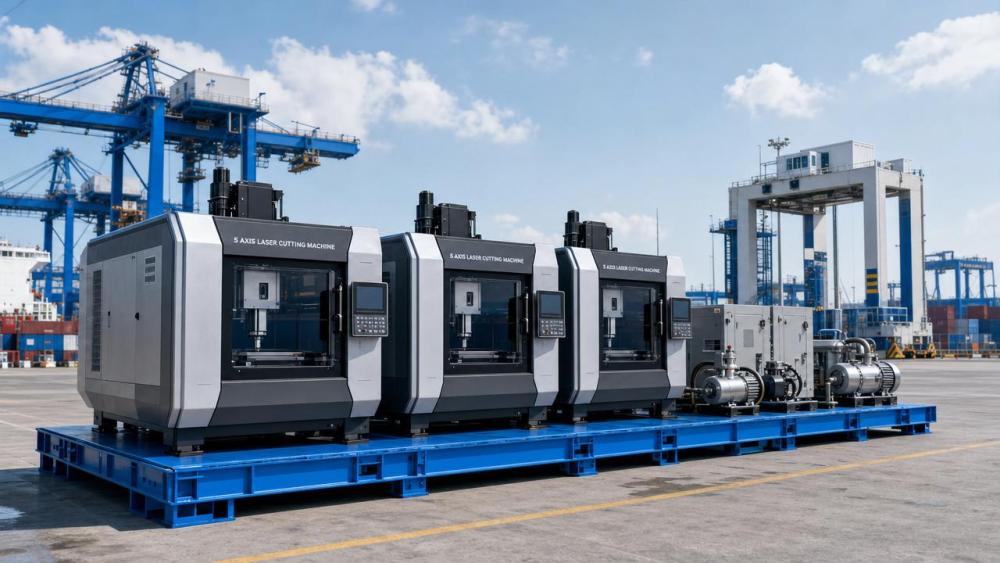
On May 28, 2026, the General Administration of Customs of China launched a pilot program for the ‘Smart Clearance Channel for High-End Equipment Exports’ at three major ports: Ningbo, Shanghai, and Shenzhen. The channel applies AI-powered pre-clearance document review, CT-based intelligent image analysis, and automated origin verification. It is currently available to 37 CNAS-certified equipment manufacturing exporters. Covered products include 5-axis laser cutting machines, ultra-high-pressure pumps, and abrasive delivery systems. Average export clearance time has been reduced from 5.2 days to 1.8 days.
Industries Affected by This Initiative
Direct Exporting Manufacturers
Companies that directly export high-end machining equipment—particularly those certified by CNAS and already exporting 5-axis laser systems or waterjet-related components—are directly affected. The shortened clearance window improves cash flow predictability and supports just-in-time delivery commitments to overseas customers.
Supply Chain Integrators & System Builders
Firms assembling complete production lines (e.g., turnkey laser cutting cells or ultra-high-pressure waterjet systems) rely on timely import of subassemblies and export of final units. Faster customs processing at key ports reduces lead time variability for cross-border system deliveries, especially where end-customer contracts include strict delivery windows.
Export-Oriented Component Suppliers
Suppliers of critical subsystems—such as high-precision motion control modules, specialized nozzles, or high-integrity sealing components used in these machines—may experience indirect effects. As final-assembled equipment clears faster, demand visibility and order cadence for upstream components may improve, though only if integrated into CNAS-certified exporter supply chains.
What Relevant Enterprises or Practitioners Should Monitor and Do Now
Track official expansion announcements beyond the initial three ports
Current implementation is limited to Ningbo, Shanghai, and Shenzhen. Enterprises should monitor future notices from China Customs regarding geographic or product-category expansion—especially whether coverage extends to other high-value categories such as CNC grinding systems or fiber laser sources.
Verify eligibility and documentation readiness for the Smart Clearance Channel
Only CNAS-certified exporters are included in the first phase. Companies should confirm their certification status and ensure export documents—including technical specifications, bill of materials, and origin declarations—are structured to support AI-assisted pre-review. Inconsistent labeling or incomplete technical descriptions may delay automatic processing.
Distinguish between policy intent and operational scalability
The 1.8-day average reflects pilot conditions with select firms and controlled cargo volumes. Observably, sustained performance will depend on system stability, integration with enterprise resource planning (ERP) platforms, and customs staff capacity. Enterprises should treat early results as indicative—not guaranteed—at scale.
Align internal logistics scheduling with new clearance timelines
With clearance now averaging under two days, port-side warehousing, container release coordination, and carrier booking windows require recalibration. Exporters should update internal SOPs and communicate revised timelines to freight forwarders and overseas consignees to avoid misaligned expectations.
Editorial Perspective / Industry Observation
This initiative is best understood not as a broad regulatory reform but as a targeted process upgrade for a narrow, high-priority export segment. Analysis shows it reflects an alignment between trade facilitation goals and national industrial policy priorities—specifically supporting the global competitiveness of China’s advanced manufacturing exports. It functions more as a signal of institutional capacity building than as an immediate, widespread operational shift. From an industry perspective, its significance lies less in absolute speed gains and more in the precedent it sets: modular, AI-augmented customs treatment for certified, high-compliance exporters. Sustained relevance depends on transparency in criteria, consistency in execution, and demonstrable inclusion of additional equipment categories beyond the current scope.
China Customs’ official announcement (May 28, 2026) and publicly confirmed pilot parameters constitute the primary source. Expansion beyond the initial 37 CNAS-certified enterprises, inclusion of additional equipment types, and performance metrics beyond the reported 1.8-day average remain subject to ongoing observation.
Product Recommendations
 Abrasive Delivery SystemsIndustrial Waterjet Cutters: Abrasive Costs That Erode MarginsAnalyst :5-Axis Machining Scientist
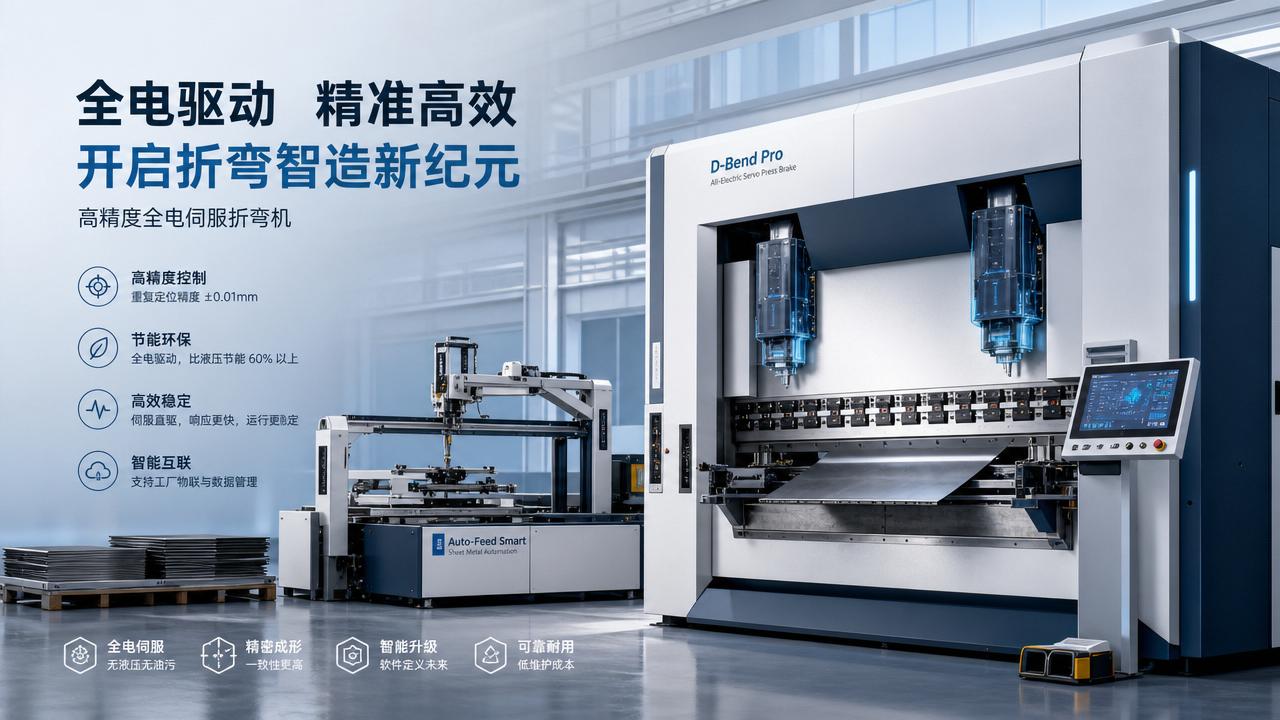
 All-Electric Press BrakesAll-Electric Servo Drives: Energy Savings vs Upgrade CostAnalyst :Precision Turning Architect
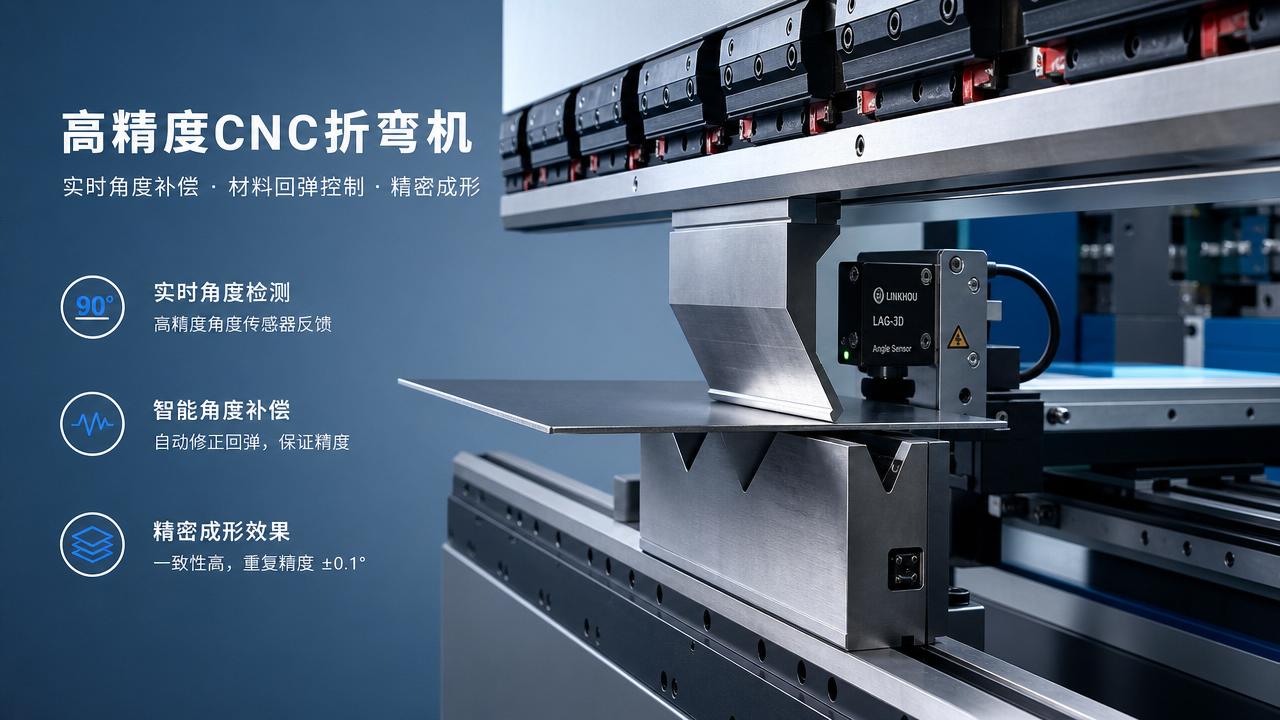
 All-Electric Press BrakesReal-Time Angle Compensation: What It Fixes and What It Doesn'tAnalyst :Precision Turning Architect
 Latest Sector NewsHigh-Strength Steel Machining: Tool Life Myths to AvoidAnalyst :Dr. Alistair Vaughn
 3D 5-Axis LaserComposite Material Cutting Without Delamination: Key MethodsAnalyst :
 Robotic Bending CellsAutomated Sheet Metal Forming: Hidden Setup Costs ComparedAnalyst :Precision Turning Architect