On May 25, 2026, two new technical standards—T/CIE 387-2026 Humanoid Robots—General Technical Requirements for Dexterous Hands and T/CIE 388-2026 Humanoid Robots—Motion Capability Classification—were officially published by the China Academy of Industrial Internet. These standards introduce unified performance benchmarks for key parameters including degrees of freedom, repeatability accuracy, and fingertip force, with immediate implications for industrial collaborative robots, automated loading/unloading systems, and intelligent gripper integration in All-Electric Press Brakes.

Official Release of Two Key Technical Standards
On May 25, 2026, the China Academy of Industrial Internet issued T/CIE 387-2026 and T/CIE 388-2026 as voluntary group standards. The former specifies minimum functional and performance requirements for humanoid robotic dexterous hands, covering mechanical design, actuation, sensing, and safety. The latter establishes a five-tier classification system for motion capability based on locomotion stability, manipulation dexterity, environmental adaptability, and real-time responsiveness. Both standards define measurable metrics—including joint-level positioning repeatability (±0.1 mm), static fingertip force (≥5 N per digit), and minimum articulation count (≥12 DOF)—and are explicitly designed for cross-platform interoperability and verification.
Impact Across Supply Chain Roles
Manufacturers of Industrial Collaborative Robots
These standards directly affect product architecture and validation protocols. Companies developing collaborative robots must now align mechanical design, control firmware, and certification documentation with the newly defined motion grading tiers and dexterous hand interface specifications—especially when integrating third-party end-effectors or targeting All-Electric Press Brake OEMs.
Suppliers of Smart Grippers and End-of-Arm Tooling
Gripper manufacturers face revised technical bid alignment requirements. Compliance with T/CIE 387-2026 mandates updated test reports for fingertip force distribution, thermal drift under continuous operation, and electrical safety during dynamic load changes—impacting both R&D timelines and component-level qualification.
Automated System Integrators
Firms delivering turnkey solutions for automated loading/unloading systems must now reference T/CIE 388-2026’s motion classification when specifying robot platforms. Tier-based selection (e.g., Level 3 vs. Level 4 motion capability) affects cycle time guarantees, workplace footprint planning, and safety validation scope—requiring earlier coordination with end users on use-case definitions.
Procurement and Sourcing Service Providers
Supply chain service organizations must update vendor assessment checklists to include conformance evidence for both standards—such as certified test reports from accredited labs, traceable calibration records, and version-controlled firmware release notes. Non-compliant suppliers may be excluded from bidding on projects referencing these standards in tender documents.
Key Operational Priorities for Enterprises
Technical Specification Alignment for Tender Submissions
When responding to tenders involving humanoid robot deployment—particularly in metal forming or precision assembly—bidders must explicitly map their proposed dexterous hand and motion platform against T/CIE 387-2026 and T/CIE 388-2026. Generic claims such as “high-precision manipulation” no longer suffice; quantified compliance statements (e.g., “meets T/CIE 387-2026 Class B fingertip force and repeatability requirements”) are now expected.
Supplier Qualification and Component Traceability
Enterprises integrating dexterous hands into proprietary systems must verify that upstream suppliers provide full traceability for critical components—including harmonic drive units, torque sensors, and tactile skin modules—aligned with the metrological requirements in T/CIE 387-2026. This includes documented calibration intervals, material certifications, and batch-level test summaries.
Validation Testing and Certification Readiness
Internal validation programs should now incorporate standardized test procedures outlined in Annex A of T/CIE 387-2026 (e.g., multi-cycle repeatability under variable payload) and Annex B of T/CIE 388-2026 (e.g., obstacle negotiation under simulated lighting and acoustic noise). Early engagement with testing laboratories accredited for robotics performance evaluation is recommended to avoid bottlenecks ahead of major procurement cycles.
Industry Observation: Standardization as an Enabler—and Gatekeeper
Analysis shows that while T/CIE 387-2026 and T/CIE 388-2026 do not carry mandatory legal force, their rapid adoption across equipment OEMs—especially in high-precision sheet metal processing—signals an emerging de facto compliance threshold. From an industry perspective, this represents both a technical enabler (reducing integration risk for smart press brake tooling) and a subtle barrier: firms lacking internal metrology capacity or modular design frameworks may face extended lead times to achieve verifiable conformance. What deserves closer attention is how quickly national certification bodies begin referencing these standards in voluntary Type Approval schemes—and whether future government procurement guidelines will formally cite them as technical prerequisites.
Toward Interoperability and Measurable Performance
This dual-standard release marks a pivotal step toward objective, quantifiable evaluation of humanoid robot functionality—not as research prototypes, but as production-grade industrial components. It does not mandate redesign across the board, but it does redefine what constitutes credible technical readiness for commercial deployment in automation-critical environments. Rational adoption requires balancing verification rigor with practical scalability—especially for SMEs entering the intelligent end-effector market.
Source Attribution and Ongoing Monitoring
This article was generated exclusively from the provided title, event date (May 25, 2026), and summary description. Specific official source links were not provided in the input and should be verified continuously. Stakeholders are advised to monitor subsequent developments—including detailed implementation guidelines from the China Academy of Industrial Internet, updates to national certification roadmaps, evolving references in public tender documents, and early industry feedback on test methodology feasibility.
Product Recommendations
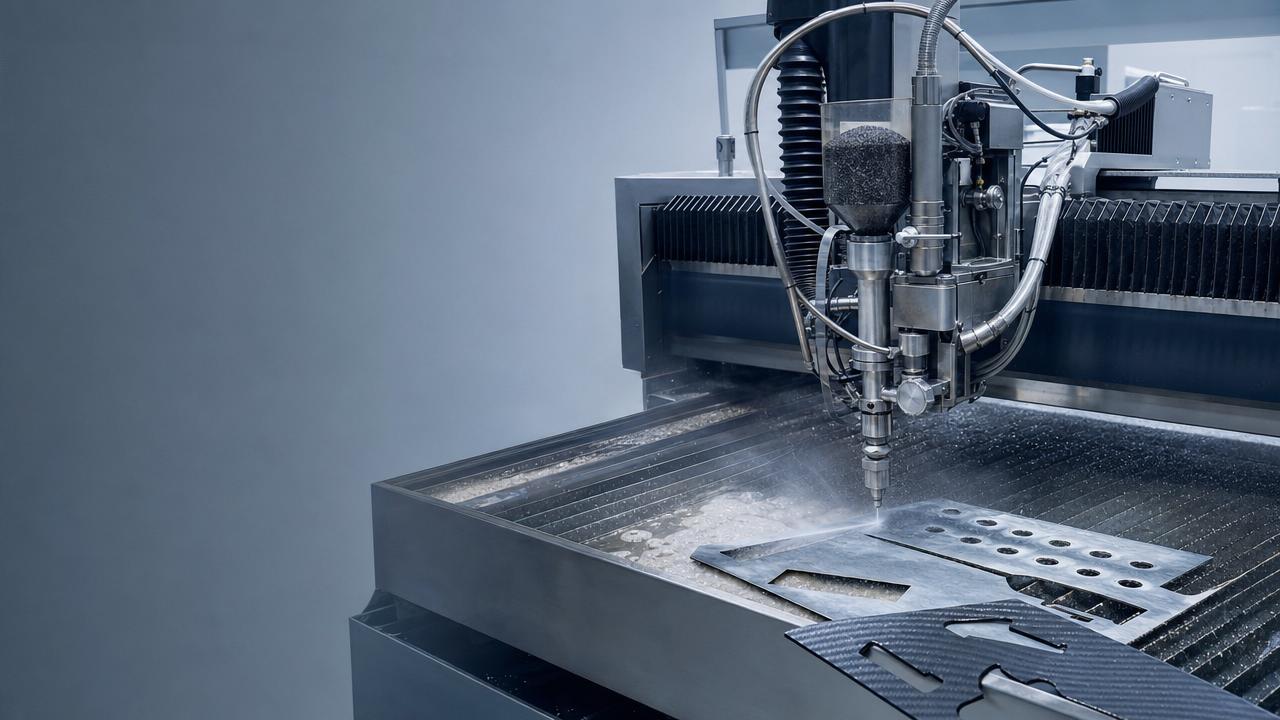
 Abrasive Delivery SystemsIndustrial Waterjet Cutters: Abrasive Costs That Erode MarginsAnalyst :5-Axis Machining Scientist
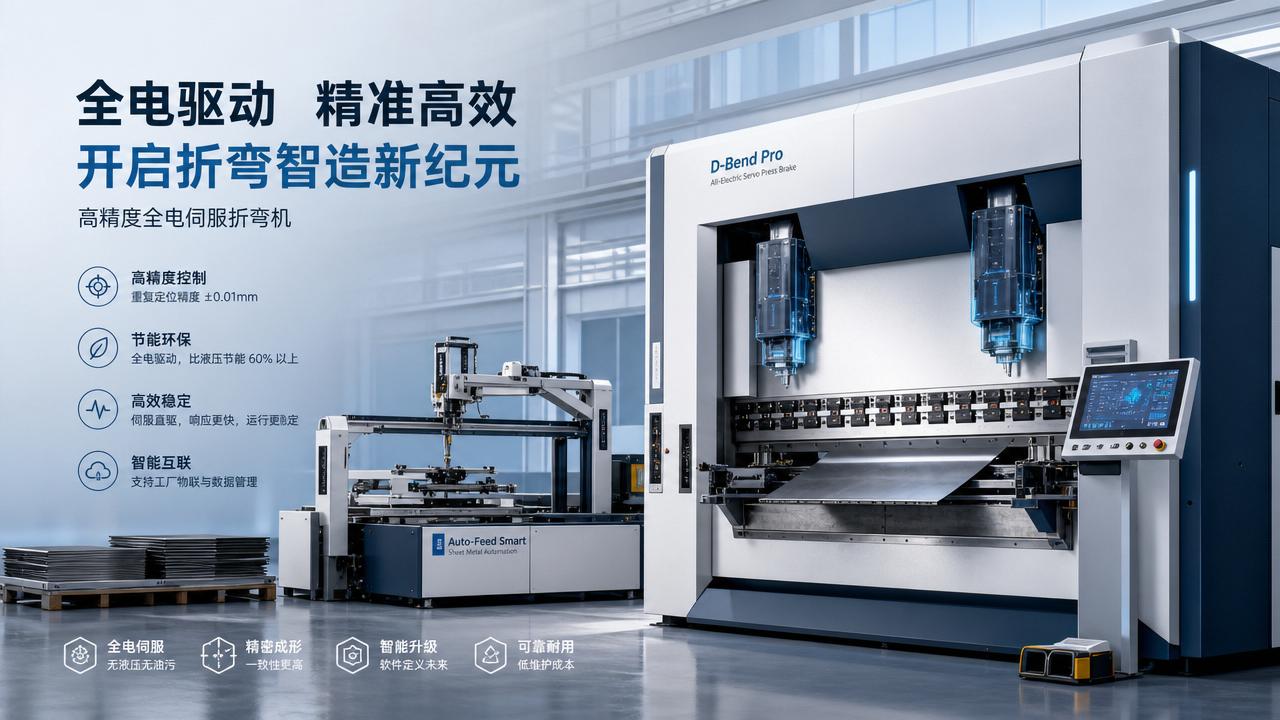
 All-Electric Press BrakesAll-Electric Servo Drives: Energy Savings vs Upgrade CostAnalyst :Precision Turning Architect
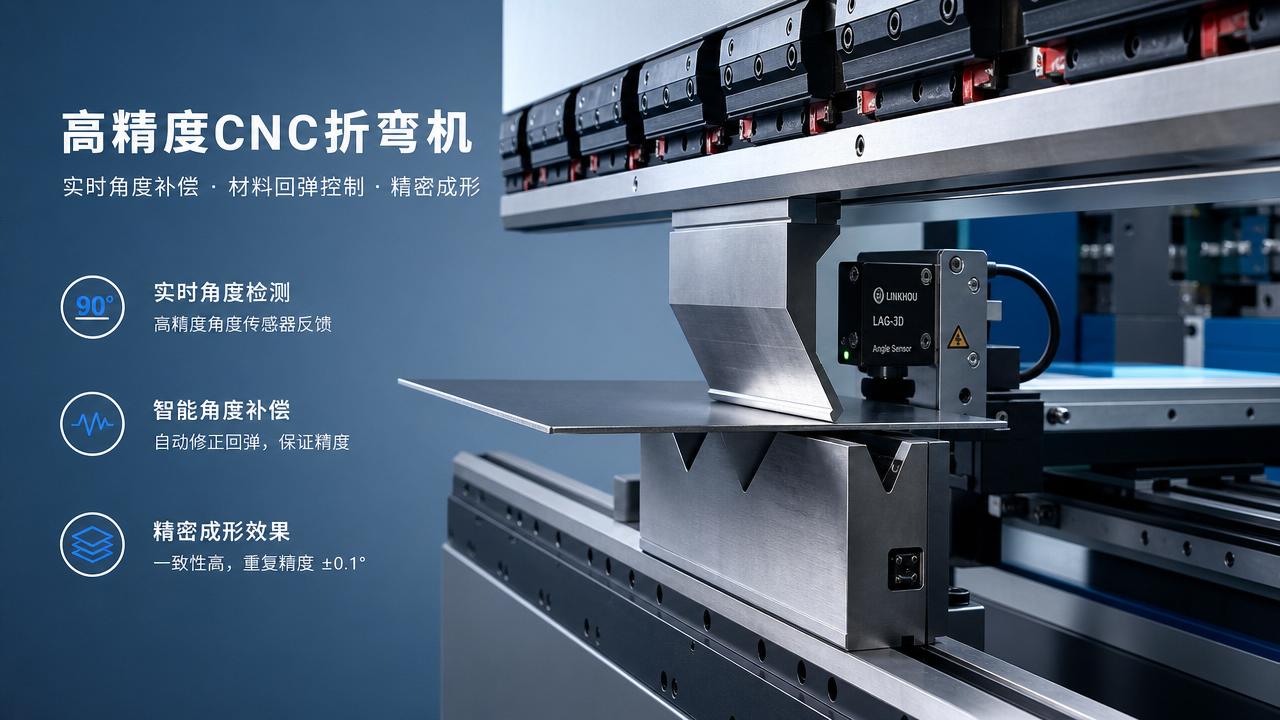
 All-Electric Press BrakesReal-Time Angle Compensation: What It Fixes and What It Doesn'tAnalyst :Precision Turning Architect
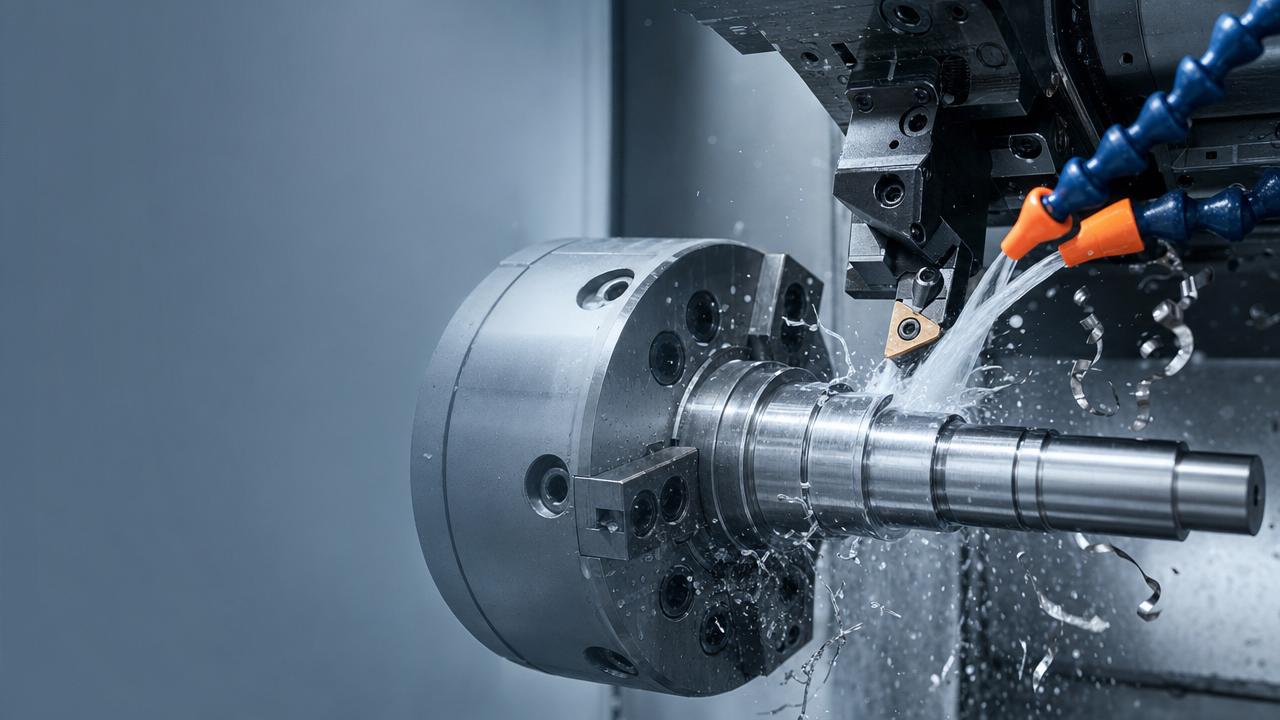
 Latest Sector NewsHigh-Strength Steel Machining: Tool Life Myths to AvoidAnalyst :Dr. Alistair Vaughn
 3D 5-Axis LaserComposite Material Cutting Without Delamination: Key MethodsAnalyst :
 Robotic Bending CellsAutomated Sheet Metal Forming: Hidden Setup Costs ComparedAnalyst :Precision Turning Architect