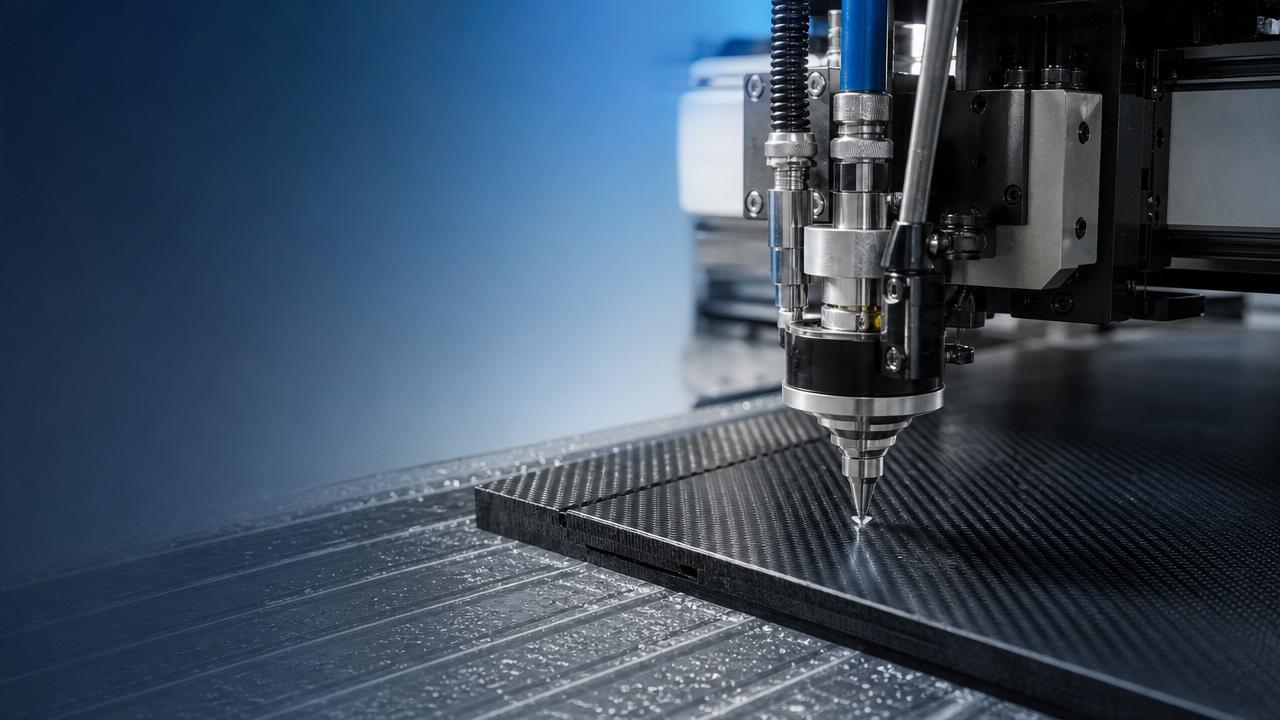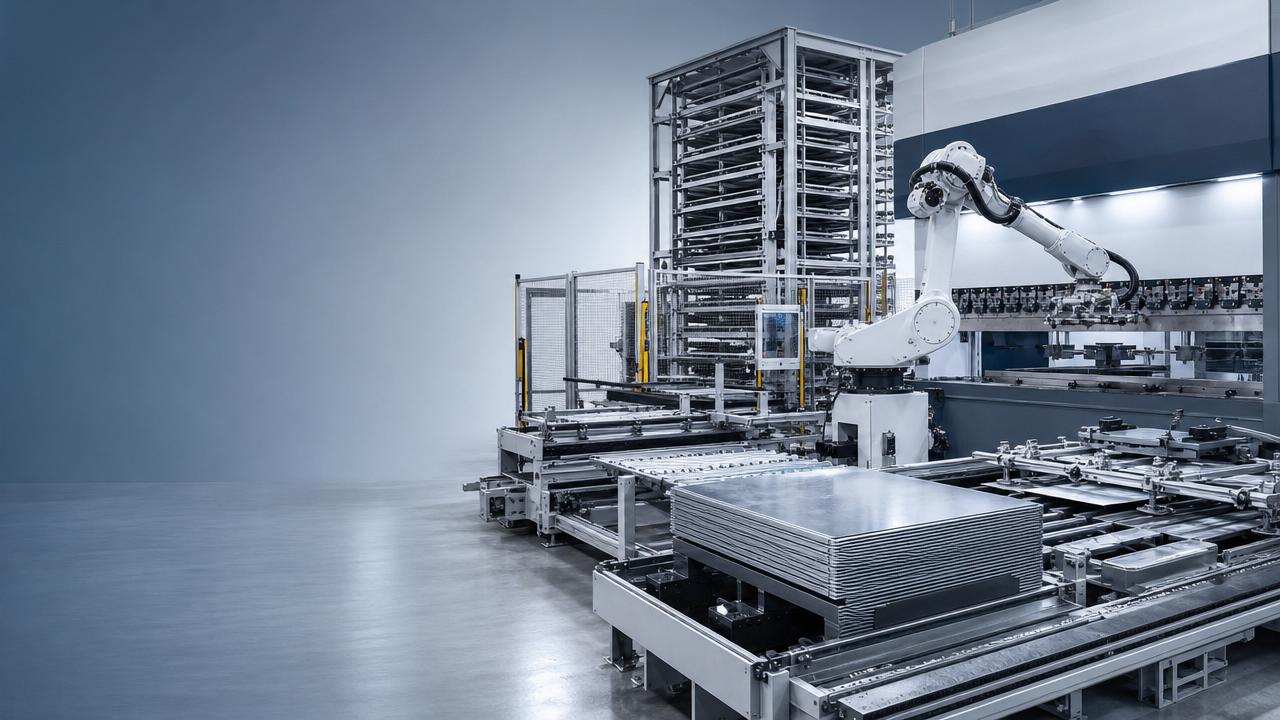
Component manufacturing automation pays back fastest when it removes a repeated production constraint, not when it simply adds a robot to an already unstable process. The strongest candidates usually share three conditions: parts recur often enough to justify engineering effort, quality failures are costly, and skilled operators spend too much time on loading, unloading, positioning, inspection, or material movement rather than value-added machining.
For aerospace, NEV, medical, and high-value metalworking operations, the first automation investment is rarely a fully unattended “dark factory.” It is more often a focused cell around a bottleneck: a palletized 5-axis machining center, a laser cutting line with automated sheet handling, a press brake paired with robotic tending, or a turning cell that runs predictable families of cylindrical components. The return comes from more stable output, more productive spindle or beam time, reduced rework, and less dependence on finding labor for repetitive shifts.
Start with the process that loses the most productive machine time
The best automation target is not necessarily the department with the highest labor cost. It is the operation where expensive equipment waits for people, material, decisions, or corrections. A high-capacity machine can look busy during a shift while still losing a large share of available time to manual loading, fixture changes, tool verification, deburring handoffs, and first-piece adjustments.
That distinction matters in capital planning. Replacing a short manual task may save labor but do little for total output. Automating a task that repeatedly interrupts a constrained spindle, laser, or press brake can raise throughput without purchasing another primary machine. In many component plants, this is the more credible payback path.
Before requesting quotations, map one representative production week. Record actual machine-cutting time, operator attendance time, waiting time, setup time, inspection holds, material shortages, and rework. Use real order patterns rather than programmed cycle times. Automation suppliers can size a cell, but only the plant’s operating data can show whether the cell will be fed consistently enough to earn its cost.
5-axis machining cells often justify automation early
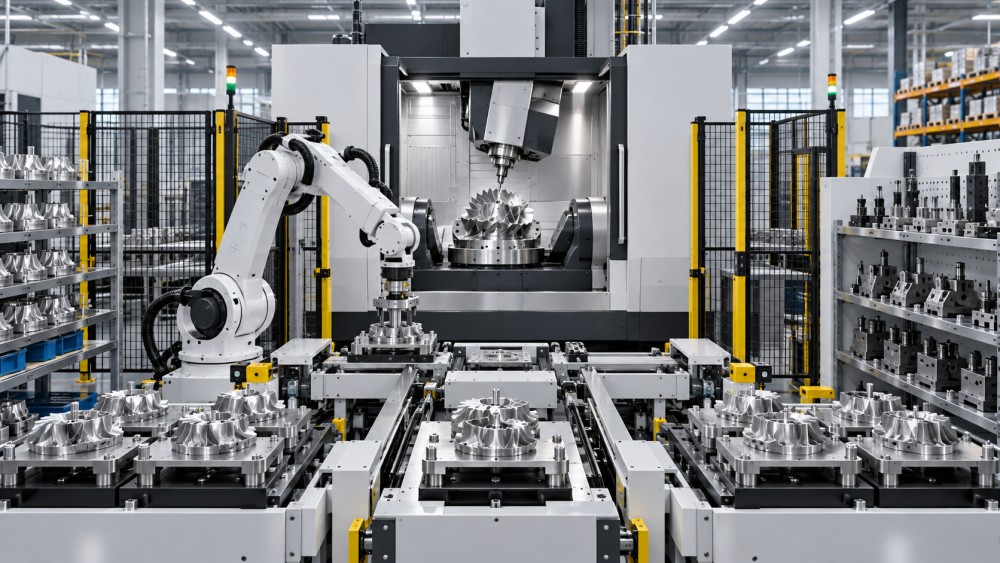
Five-axis CNC machining is frequently an early candidate because the machine itself is costly, programming is specialized, and complex components can require long unattended cutting cycles. Aerospace structural parts, turbine-related geometries, precision housings, orthopedic components, and complex NEV parts all place a premium on keeping the spindle engaged while protecting traceability and tolerance control.
The practical entry point is commonly pallet handling rather than a general-purpose robot. A pallet pool or automated pallet changer separates machining from part loading. An operator can prepare workholding and parts outside the machining envelope while the machine continues cutting another job. This reduces non-cutting time, improves safety around large or awkward workpieces, and makes overnight or lights-out windows more realistic.
However, this approach only works when the upstream process is disciplined. Part zero points, fixture interfaces, tool-life management, probing routines, chip evacuation, coolant condition, and program revision control must be reliable. A cell cannot recover from a poorly clamped casting, a mixed material batch, or an unstable toolpath. In fact, unattended operation can turn a small control weakness into a longer and more expensive interruption.
For highly variable, low-volume prototype work, automation may still be useful, but the return case changes. Flexible pallets, modular fixtures, standardized clamping, and in-machine probing can be more valuable than a large robot installation. The objective is then faster changeover and repeatable setup, not maximum overnight production.
Laser cutting automation pays back through flow, not only cutting speed
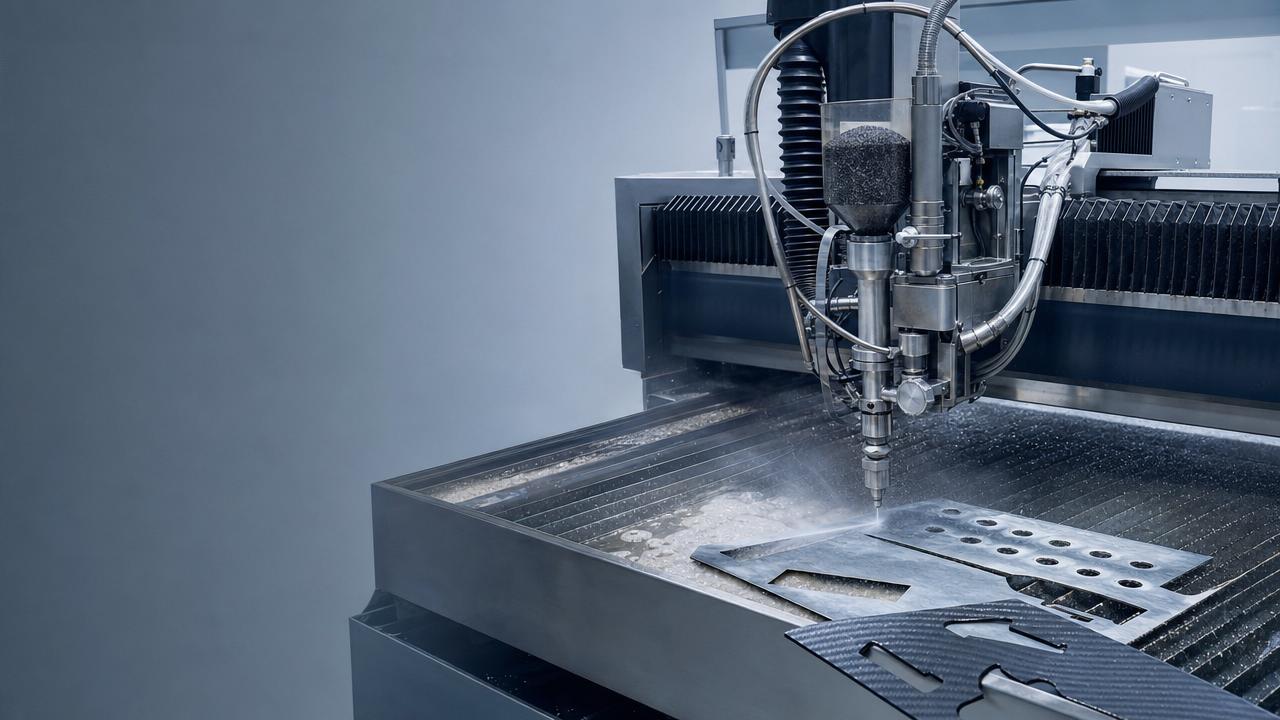
Fiber laser cutting is fast enough that loading and unloading can become the limiting factor, especially with larger sheets, nested programs, and multi-shift demand. Automated sheet storage, loading, unloading, sorting, and stacking are strongest candidates where material handling repeatedly delays the laser or requires operators to manage hot, sharp, or heavy parts.
The purchasing mistake is to evaluate the laser source and ignore the material flow around it. A high-output cutting machine delivers little benefit if finished blanks collect at the discharge point, skeleton removal causes delays, or mixed jobs create sorting errors. The automation proposal should therefore cover the path from raw sheet receipt to identified cut parts ready for the next operation.
In NEV-related sheet metal production, part identification and downstream routing deserve the same attention as load/unload speed. A wrong blank can disrupt bending, welding, or assembly and may not be discovered until much later. Where mixed nests are common, the cell needs a workable method for labeling, sorting, and managing exceptions. A fast machine that produces an unmanageable stream of parts is not an efficient system.
Press brake automation is strongest on repeatable bends and difficult handling
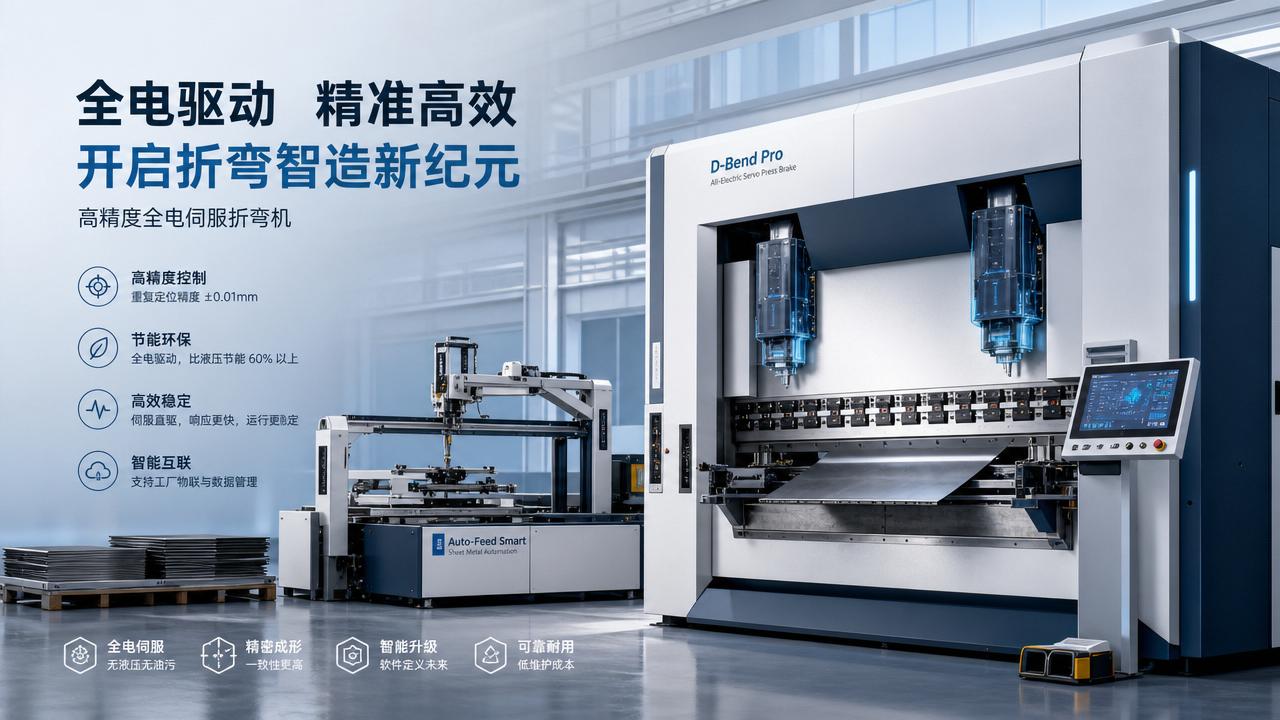
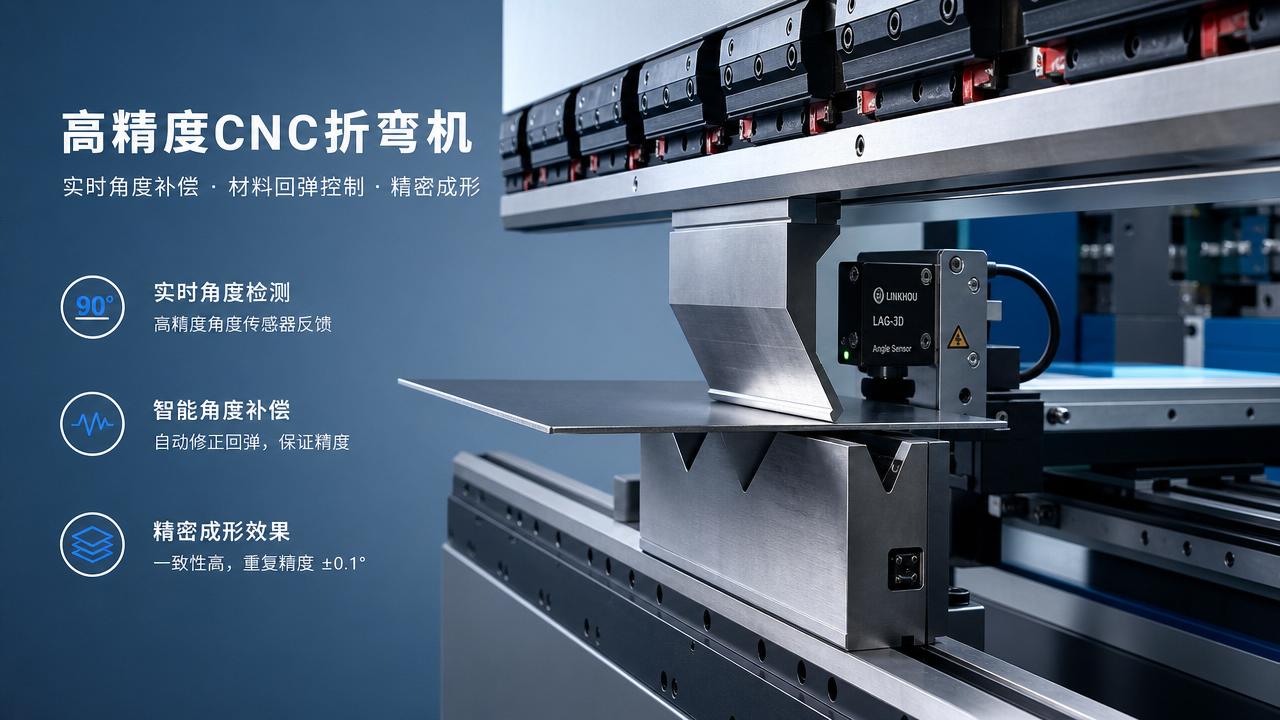
Robotic press brake tending can deliver a fast return when parts have stable geometry, meaningful batch repetition, and handling requirements that consume operator time. It is particularly relevant for large panels, sharp-edged blanks, heavy components, or jobs requiring consistent orientation through several bends. Servo-electric drives and real-time angle compensation can support repeatability, but they do not eliminate the need for suitable part design and tooling.
Not every bending department should automate first. High-mix work with frequent tool changes, uncertain blank variation, short runs, or regular engineering revisions can make robot programming and cell changeover disproportionate to the benefit. In those conditions, investments in offline programming, standardized tooling, automatic tool clamping, material presentation, and better job preparation may create a better return before full robotic tending.
Do not overlook the automation around CNC lathes
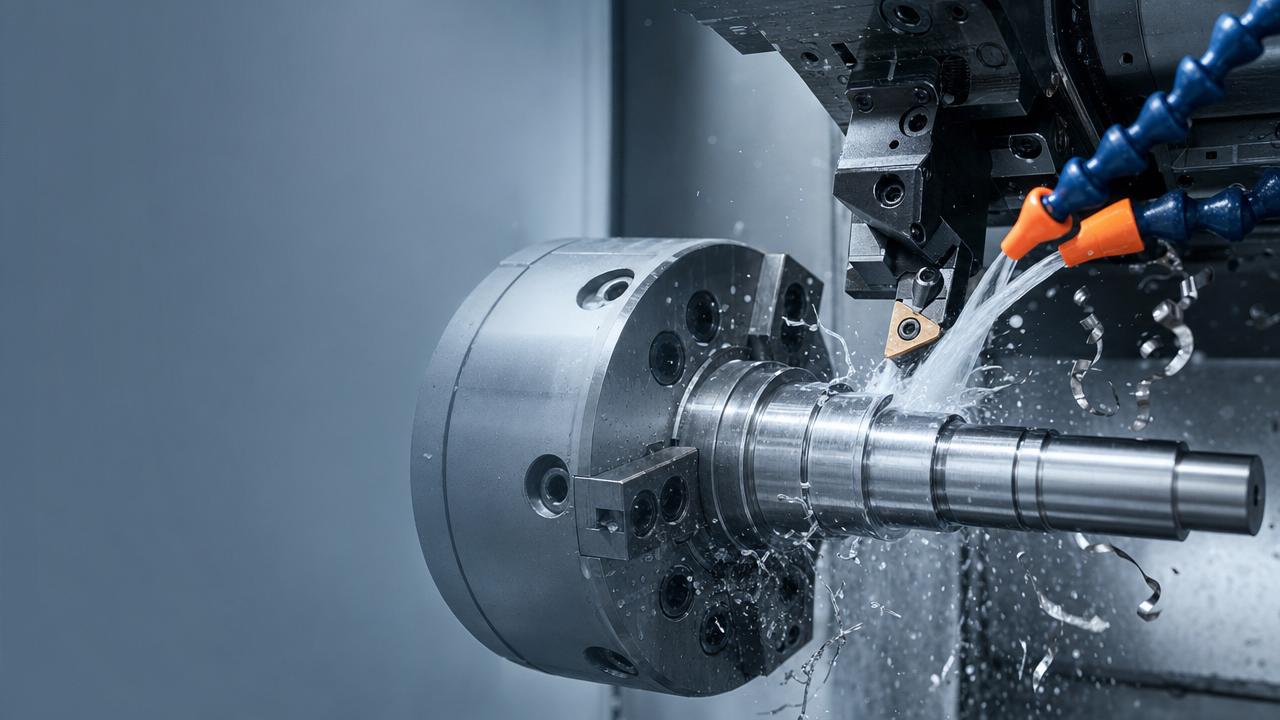
CNC turning cells are often less visually dramatic than a large machining automation project, but they can be among the most practical. Bar feeders, gantry loaders, robotic part handling, automated gauging, part conveyors, and simple buffering can support steady production of shafts, bushings, fittings, rotors, and other rotational parts.
The payback case improves when the machine cycle is long enough to allow the robot to tend another machine or manage inspection without creating a bottleneck. It weakens when every part needs hand deburring, manual orientation, selective inspection, or a secondary operation that has not been included in the cell design. A loading robot does not create flow if components accumulate immediately after the chuck opens.
For tight-tolerance components, automated gauging can be more valuable than pushing for maximum unattended hours. Feedback from measured dimensions can reveal drift before an entire batch is affected. The decision is not “robot or inspection”; it is whether the cell needs both to protect quality while reducing attendance.
Automation should include the exceptions that stop production
Component manufacturing automation is often sold around the nominal cycle: load a part, machine or form it, unload it, repeat. Procurement teams should spend equal time on the exceptions. What happens when a gripper fails to pick a part? When a probe finds an offset condition? When a tool reaches its life limit? When chips build up, a sheet is warped, a bend angle drifts, or a quality hold is triggered?
These questions are not minor technical details. They determine whether a cell can run through a shift or simply requires a different kind of constant supervision. A usable proposal should define alarm handling, recovery procedures, manual-access requirements, buffer capacity, part traceability, and the ownership of integration issues between machine tool, robot, safety system, measuring equipment, software, and material supply.
It is also important to define what “unattended” means for the operation. A cell may run unattended during machining but still require an operator to stage pallets, replenish tools, clear chips, remove scrap, or approve inspection results. That can still be a sound investment. The business case becomes weaker only when the expected staffing reduction assumes autonomy that the process cannot sustain.
Build the cost case around capacity, quality, and risk
A credible automation decision should separate three sources of value. The first is recovered capacity: more productive machine hours, fewer waits, and less overtime pressure. The second is quality protection: fewer handling errors, more consistent loading and orientation, earlier detection of drift, and better traceability. The third is labor resilience: repetitive tasks become easier to staff, while experienced operators can focus on setup, troubleshooting, process improvement, and complex work.
Labor savings alone can undervalue a good cell, particularly where the primary machine is scarce or where missed delivery dates carry commercial consequences. At the same time, capacity assumptions should be conservative. Do not model every available night or weekend as productive output unless material staging, preventive maintenance, remote monitoring, tool availability, inspection rules, and downstream processes can support it.
Include costs that are routinely omitted from an initial quotation comparison:
- Workholding, pallets, grippers, jaws, end-of-arm tooling, and spare wear items.
- Cell layout changes, foundations, utilities, guarding, extraction, chip handling, and material storage.
- Fixture standardization, program preparation, robot teaching, and acceptance testing.
- Maintenance capability, operator training, software support, and replacement-part availability.
- Inspection integration, traceability requirements, and the cost of handling rejected parts.
These items do not make automation unattractive. They prevent a procurement decision from being based on an incomplete installed cost.
A practical sequence for selecting the first cell
Choose one component family or one constrained operation, rather than attempting to automate an entire department. The first project should have enough repetition to validate the design and enough operational importance to make improvements visible. It should not depend on solving every production problem at once.
- Identify the equipment constraint using actual downtime and attendance data.
- Select a part family with repeatable material, routing, workholding, and quality requirements.
- Stabilize the manual process before automating it: fixtures, programs, tool control, inspection, and handoffs.
- Specify the required operating window and the exceptions the cell must handle.
- Compare suppliers on integration responsibility, recovery logic, service access, and changeover time, not only headline cycle time.
- Define acceptance criteria that reflect production reality, including quality, uptime behavior, and operator workflow.
AMTS coverage of 5-axis machining, precision metal cutting, flexible sheet metal forming, and robotic integration is useful in this evaluation because the equipment decision cannot be separated from its control systems, material flow, and process capability. For example, RTCP behavior in multi-axis machining, laser-cutting process stability, and press brake angle control each affect whether a planned automation cell can repeat parts without continuous correction.
The fastest return usually comes from disciplined scope
The most successful automation investments are usually specific: keep a constrained machine producing, remove an unsafe or repetitive handling task, stabilize a recurring quality risk, or create dependable production outside the busiest staffed hours. They do not begin with a broad promise of full autonomy.
When comparing proposals, ask a simple question: which existing loss will this system remove every day, and what must remain stable for that loss to stay removed? A clear answer points to a viable automation project. A vague answer about modernization, labor replacement, or future flexibility usually means the process needs more definition before capital is committed.
Product Recommendations
 Abrasive Delivery SystemsIndustrial Waterjet Cutters: Abrasive Costs That Erode MarginsAnalyst :5-Axis Machining Scientist
 All-Electric Press BrakesAll-Electric Servo Drives: Energy Savings vs Upgrade CostAnalyst :Precision Turning Architect
 All-Electric Press BrakesReal-Time Angle Compensation: What It Fixes and What It Doesn'tAnalyst :Precision Turning Architect
 Latest Sector NewsHigh-Strength Steel Machining: Tool Life Myths to AvoidAnalyst :Dr. Alistair Vaughn
 3D 5-Axis LaserComposite Material Cutting Without Delamination: Key MethodsAnalyst :
 Robotic Bending CellsAutomated Sheet Metal Forming: Hidden Setup Costs ComparedAnalyst :Precision Turning Architect