Precision manufacturing standards sit at the center of modern process control. In aerospace, NEV production, precision sheet metal, and high-end machining, they shape how risk is identified, how variation is contained, and how product trust is built.
That matters even more in environments where five-axis CNC machining, laser cutting, press brake forming, and waterjet processing must hold tight tolerances across different materials, suppliers, and regulatory expectations.
When teams discuss ISO, AS9100, and inspection criteria together, they are really discussing one practical question: how to turn precision intent into repeatable manufacturing performance.
Why precision standards now carry more operational weight
The pressure on precision manufacturing standards has increased because parts are becoming harder to machine, lighter in design, and more critical in service.
A turbine blade, EV structural component, medical implant blank, or carbon-fiber assembly does not fail only because of bad geometry. Failure often starts earlier, inside process drift, weak traceability, or poor change control.
This is why standards are no longer treated as paperwork alone. They influence machine capability studies, tooling strategy, calibration discipline, first article approval, and how nonconforming material is contained before it reaches assembly.
For AMTS and similar intelligence-driven manufacturing platforms, this connection is especially visible in sectors where micron-level tolerance and algorithm-driven machining intersect with export controls, supply chain volatility, and rising certification demands.
What ISO and AS9100 actually govern
At a basic level, ISO standards define the management system discipline behind consistent output. They do not guarantee perfect parts by themselves, but they establish the structure needed to make quality predictable.
In many precision environments, ISO 9001 is the starting point. It focuses on documented processes, corrective action, competence, risk-based thinking, and evidence that requirements are understood and controlled.
AS9100 builds on that foundation for aerospace and high-reliability production. It adds stronger expectations around product safety, counterfeit prevention, configuration management, special process oversight, and detailed traceability across the product lifecycle.
The difference is practical. ISO helps a plant run in a controlled way. AS9100 asks whether that control is robust enough for flight-critical or mission-critical conditions.
A simple comparison
Inspection criteria are where standards become visible
Precision manufacturing standards become real on the inspection floor. This is where drawings, process plans, machine outputs, and customer requirements either align or conflict.
Inspection criteria usually cover dimensional accuracy, geometric tolerancing, surface integrity, burr control, edge condition, coating condition, hardness, material identity, and process records.
In advanced machining, inspection is not limited to checking final dimensions. It also evaluates whether the method used can repeatedly hold those dimensions across shifts, tooling wear, and thermal variation.
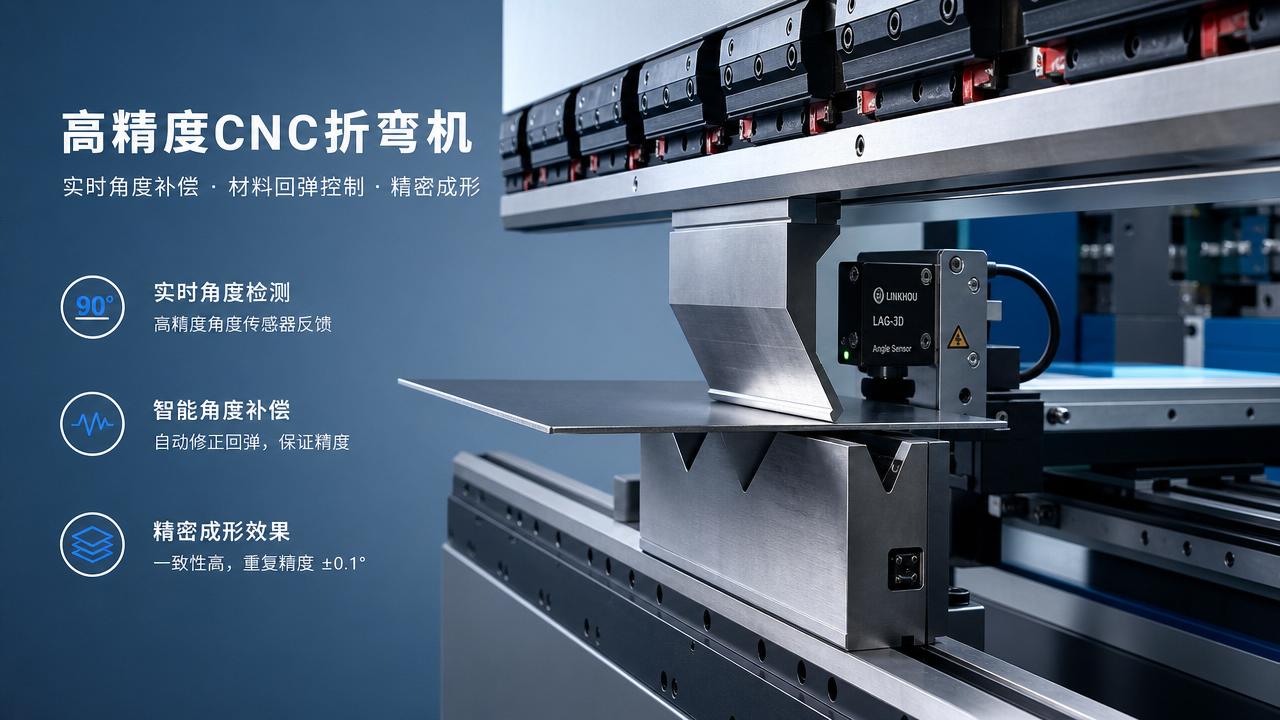
That is especially relevant in AMTS-covered environments, where RTCP behavior in five-axis machining, melt pool stability in laser cutting, and angle compensation in press brakes directly affect inspection outcomes.
Typical criteria by process
- Five-axis CNC parts: profile accuracy, true position, toolpath repeatability, surface finish, and datum consistency.
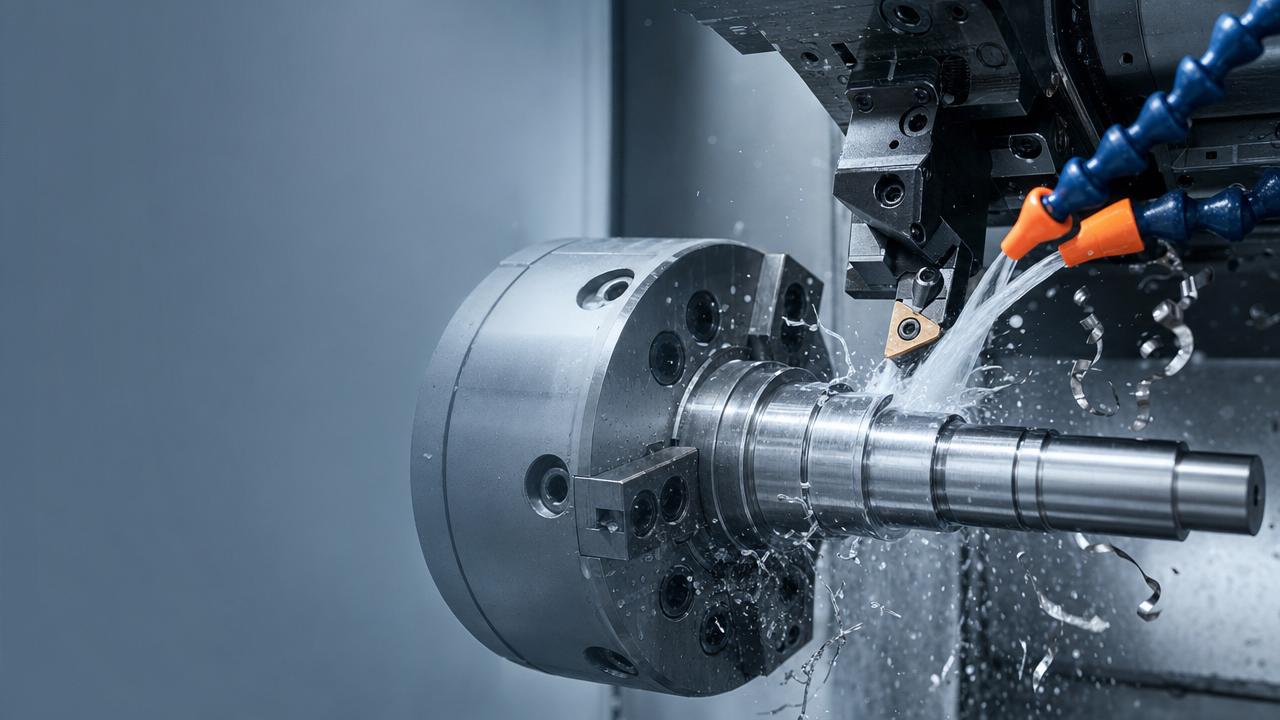
- CNC turned parts: roundness, cylindricity, concentricity, thread quality, and tool wear influence.
- Laser-cut sheets: kerf quality, taper, HAZ control, dross level, and edge straightness.
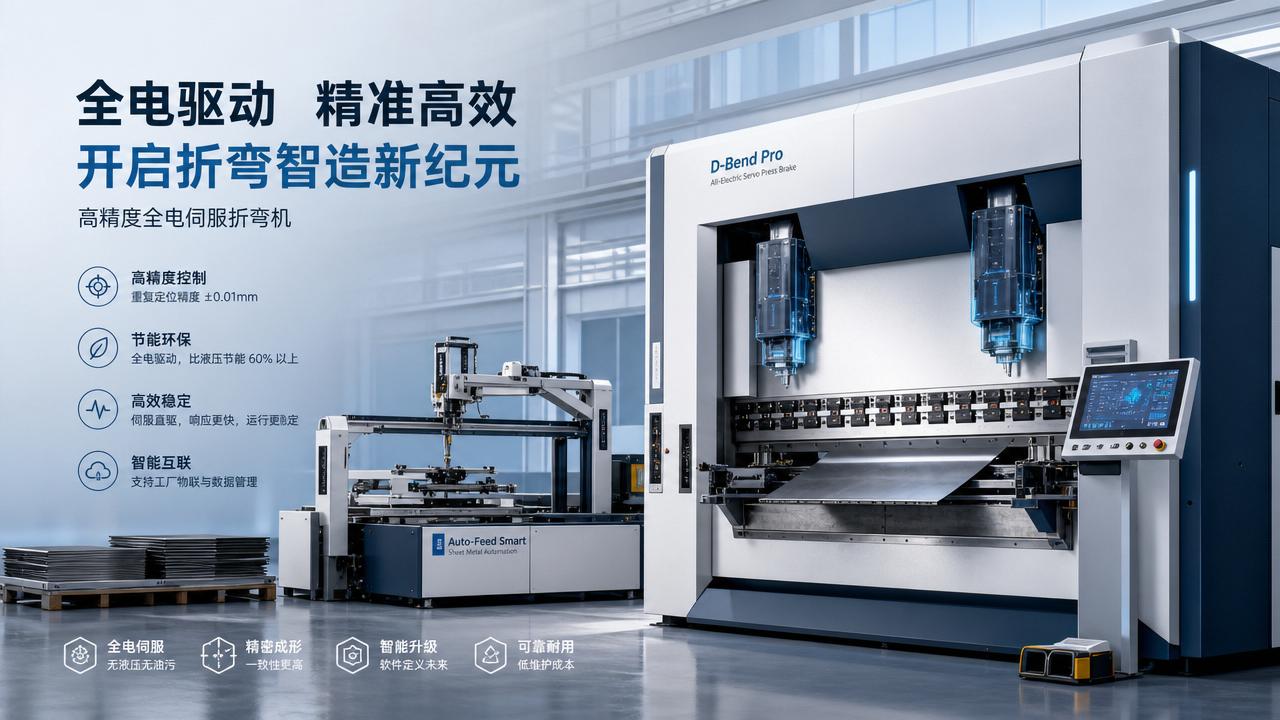
- Press brake parts: bend angle, springback compensation, flange length, crack prevention, and lot consistency.
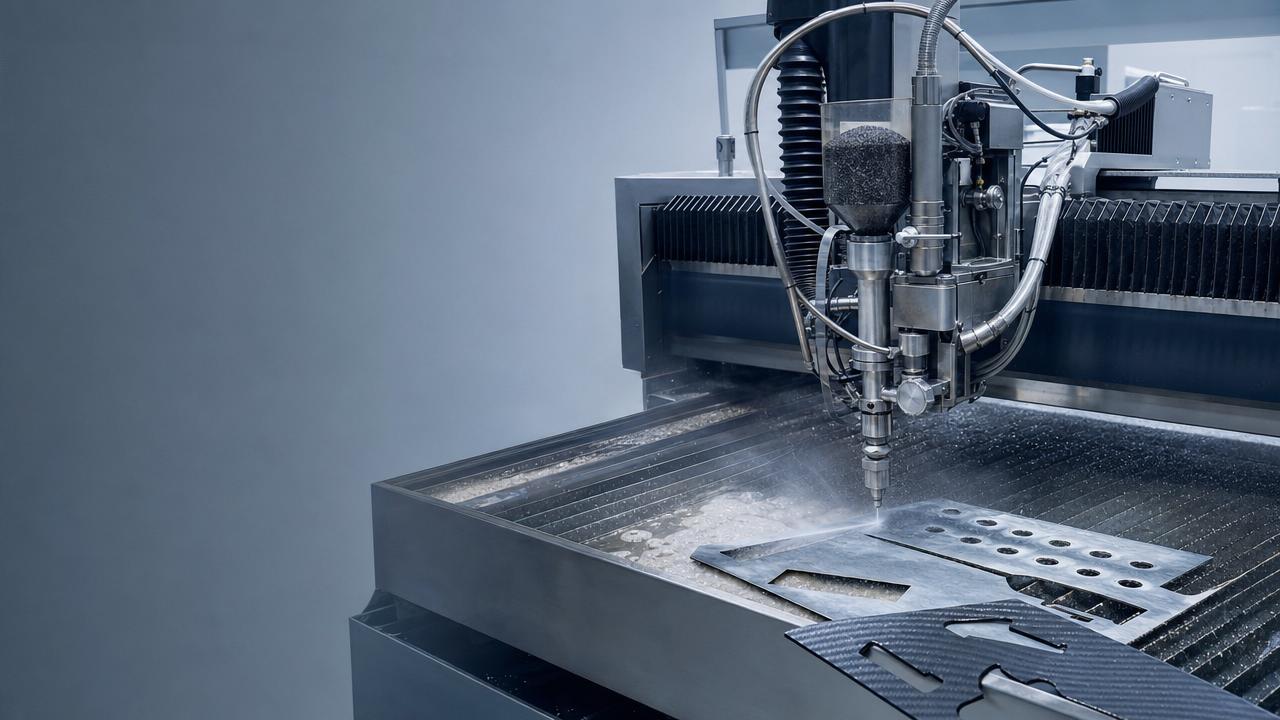
- Waterjet-cut parts: edge delamination risk, taper variation, abrasive contamination, and cold-cut integrity.
Where quality and safety concerns usually emerge
Most quality escapes in precision operations come from weak links between standards and daily execution. The specification may be correct, while the control plan is too shallow.
One common issue is treating inspection as a sorting activity instead of a process feedback system. That approach catches defects late and does little to stabilize production.
Another issue appears during engineering changes. A tool offset update, nesting revision, post-processor adjustment, or supplier substitution can quietly alter risk if revision control is incomplete.
Safety concerns also grow when special materials are involved. Titanium, hardened steel, aerospace alloys, battery-related sheet assemblies, and composite stacks require inspection criteria linked to real process behavior, not generic acceptance rules.
Signals worth watching closely
- Rising rework without a clear dimensional trend.
- Frequent operator overrides on established programs.
- Measurement disagreement between stations or shifts.
- Supplier certificates that cannot be traced to part history.
- First article approval passed, but process capability remains unstable.
Applying precision manufacturing standards in real production
The most effective use of precision manufacturing standards starts before the first cut. It begins with contract review, drawing interpretation, material verification, and a realistic understanding of machine capability.
If a part requires micron-level control, the standard should influence fixture design, spindle warm-up routines, environmental monitoring, and gauge selection. Otherwise, inspection will only confirm predictable instability.
This is why advanced manufacturers combine management standards with process intelligence. AMTS reflects that broader view by connecting technical trends, equipment behavior, and supply chain signals rather than treating compliance as an isolated topic.
In practice, the strongest systems align four layers at once: customer requirement, internal process control, validated inspection method, and response plan when variation appears.
A workable review sequence
How to judge whether a standard is working
A standard is working when it improves decisions, not when it simply increases documentation. That distinction is important in high-mix, high-precision environments.
Useful precision manufacturing standards make variation visible early. They reduce debate about measurement results. They clarify who approves changes. They also shorten the path from deviation to containment.
If audits are clean but scrap remains volatile, the system may be compliant without being effective. If inspection records look complete but recurring defects persist, criteria may be too generic or disconnected from the actual failure mode.
A stronger approach is to review standards against real failure history: dimensional drift, heat distortion, bending inconsistency, lot trace gaps, coating issues, and supplier variability.
Practical checkpoints
- Tie critical characteristics to explicit control and inspection plans.
- Confirm measurement systems before relying on trend data.
- Review process changes with the same rigor as design changes.
- Separate cosmetic deviations from functional risk, but document both correctly.
- Use supplier monitoring as part of precision manufacturing standards, not outside them.
A sensible next step
For operations working across machining, cutting, and forming, the next step is not to collect more standards blindly. It is to map current requirements against actual process risk.
That usually means reviewing which parts are safety-critical, which dimensions are process-sensitive, where traceability breaks, and whether inspection criteria reflect real production physics.
From there, ISO structure, AS9100 discipline, and sharper inspection logic can be applied with more precision. In demanding sectors, that is how precision manufacturing standards shift from audit language to operational advantage.
A careful comparison of equipment capability, control plans, and verification methods often reveals the clearest path forward, especially where aerospace reliability and NEV scale must exist together.
Product Recommendations
 Abrasive Delivery SystemsIndustrial Waterjet Cutters: Abrasive Costs That Erode MarginsAnalyst :5-Axis Machining Scientist
 All-Electric Press BrakesAll-Electric Servo Drives: Energy Savings vs Upgrade CostAnalyst :Precision Turning Architect
 All-Electric Press BrakesReal-Time Angle Compensation: What It Fixes and What It Doesn'tAnalyst :Precision Turning Architect
 Latest Sector NewsHigh-Strength Steel Machining: Tool Life Myths to AvoidAnalyst :Dr. Alistair Vaughn
 3D 5-Axis LaserComposite Material Cutting Without Delamination: Key MethodsAnalyst :
 Robotic Bending CellsAutomated Sheet Metal Forming: Hidden Setup Costs ComparedAnalyst :Precision Turning Architect