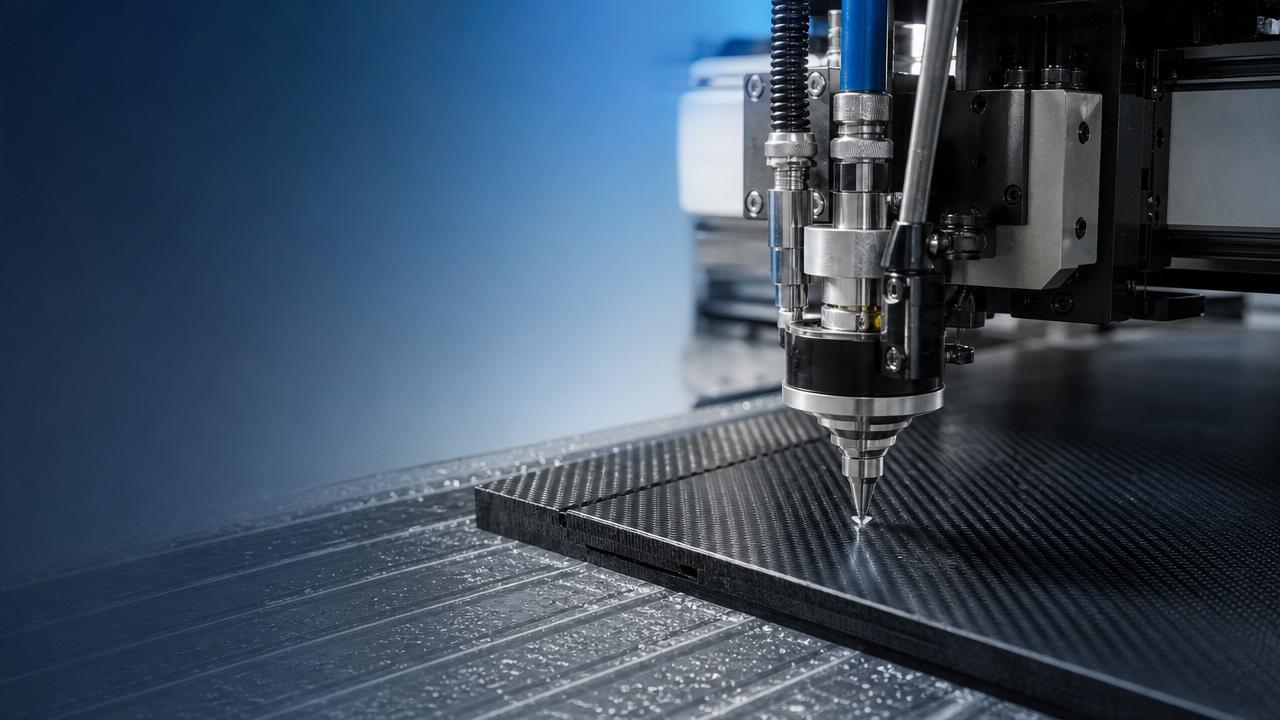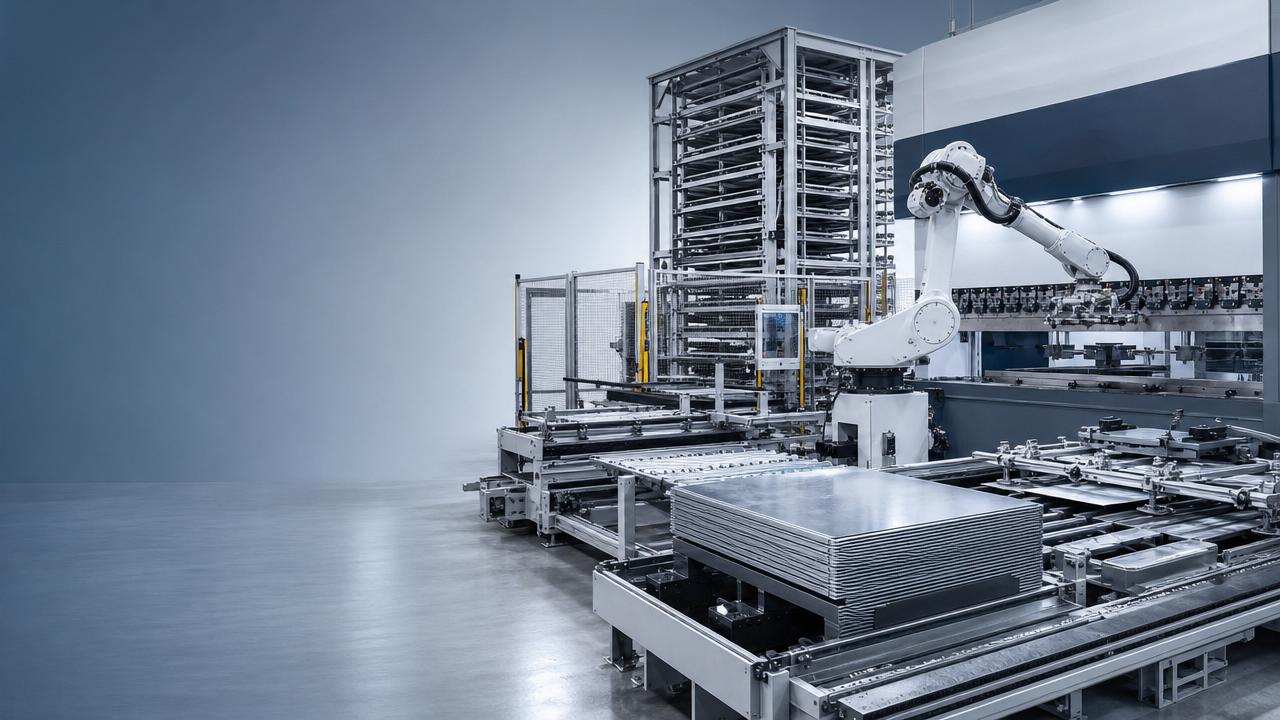
In high-precision metal cutting, even a small temperature change can shift machine geometry, alter tool position, and break micron-level tolerances. That is why controlling thermal drift is not a secondary maintenance issue but a core production discipline. In aerospace structures, NEV lightweight components, medical parts, molds, and precision tooling, stable thermal behavior directly supports dimensional accuracy, surface finish, tool life, and repeatable throughput. This guide explains how to manage high-precision metal cutting under real shop conditions by identifying heat sources, matching controls to application scenarios, and building a practical response plan that protects both accuracy and productivity.
When thermal drift becomes critical in high-precision metal cutting
Not every cutting operation reacts to heat in the same way. Thermal drift becomes especially critical when tolerance bands are tight, cycle times are long, spindle speeds are high, or material removal rates fluctuate across the program. In high-precision metal cutting, the same machine may perform well on a simple roughing job yet lose accuracy on a thin-wall aerospace bracket, a battery tray mold insert, or a hardened shaft finishing cycle. The decision point is not only machine quality, but whether the thermal load changes faster than the process can absorb.
A useful way to judge risk is to look at the relationship between heat generation and tolerance sensitivity. If the process includes long spindle warm-up variation, repeated axis reversals, high-pressure coolant temperature changes, or heavy-to-light cutting transitions, the probability of thermal drift rises sharply. In these cases, high-precision metal cutting requires active control rather than passive inspection at the end of the shift.
Scenario 1: Aerospace parts where micron-level stability is non-negotiable
Aerospace machining is one of the clearest scenarios where thermal drift can quickly undermine part quality. Thin walls, complex 5-axis paths, and difficult materials such as titanium or high-temperature alloys generate uneven heat loads over long cycle times. In this environment, high-precision metal cutting depends on more than spindle power or path optimization. Machine structure growth, spindle nose elongation, and changing workpiece temperature can all shift the effective tool center point.
The core judgment point in aerospace work is whether the process heat is stable from first part to last part. If roughing, semi-finishing, and finishing are executed under different machine temperatures, the machine may cut each stage from a different thermal state. Practical control starts with standardized warm-up cycles, fixed coolant temperature windows, and in-process probing after thermal stabilization rather than immediately after machine startup. For advanced cells, thermal compensation tied to spindle, axis, and ambient sensors is often justified because the value of rejected parts is too high to ignore.
Scenario 2: NEV and lightweight components where speed changes the heat profile
NEV production brings a different challenge. Aluminum housings, battery trays, motor components, and structural castings often run at high spindle speeds with short takt time expectations. Here, high-precision metal cutting is threatened less by extreme material hardness and more by rapid thermal cycling. Machines may alternate between idle periods, aggressive cutting bursts, and fast tool changes, causing temperature gradients that are difficult to predict.
The key judgment in this scenario is consistency across volume production. One part may measure well, but thermal instability appears as drift over a batch, especially during shift changes or after pauses. For NEV applications, stable coolant delivery, enclosure temperature management, and repeatable fixture behavior matter as much as toolpath quality. Aluminum also expands quickly, so measuring a part before it cools to a defined inspection temperature can create false process corrections that make the next cycle worse.
Scenario 3: Precision shafts, molds, and tooling where repeatability matters more than peak speed
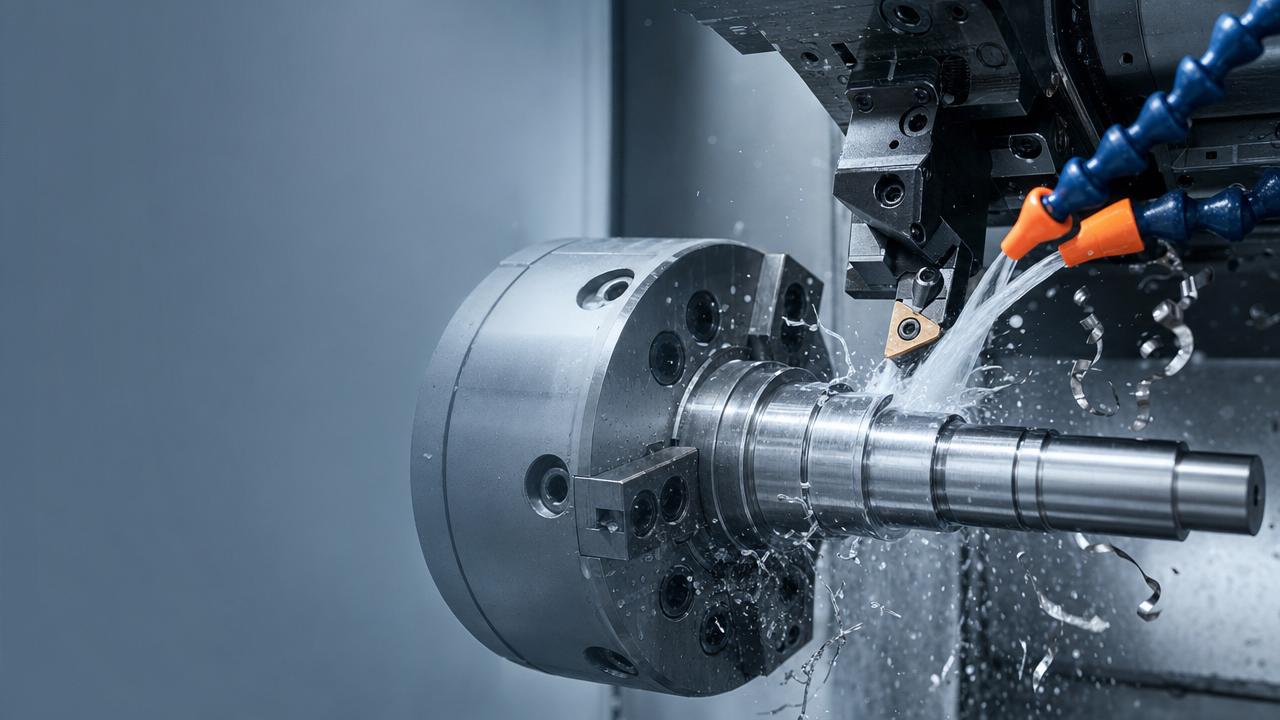
In turning centers, grinding-adjacent finishing, mold cavity machining, and high-accuracy tooling work, the thermal problem is often gradual rather than dramatic. Spindle bearings, ball screws, hydraulic systems, and even lighting near the machine can raise local temperature over time. In high-precision metal cutting, this slow drift can show up as taper variation, bore size movement, contour mismatch, or surface finish inconsistency after several hours of otherwise stable production.
The main judgment point is whether the process relies on long-term repeatability. If yes, thermal control should focus on environmental stability and machine condition tracking. A mold shop, for example, may benefit more from room temperature control, balanced roughing strategy, and periodic reference checks than from pushing spindle speed. In these operations, predictable heat behavior is often more valuable than maximum material removal rate.
How heat sources differ across high-precision metal cutting scenarios
To control thermal drift effectively, the first step is separating heat sources instead of treating all dimensional variation as one issue. In high-precision metal cutting, thermal growth usually comes from a combination of machine-generated heat, process-generated heat, and environmental fluctuation.
Practical control strategies matched to different scenarios
The most effective thermal control plan in high-precision metal cutting is usually layered. It combines machine preparation, process design, measurement timing, and environmental discipline instead of relying on a single correction factor.
Machine-side controls
- Run a repeatable spindle and axis warm-up routine before precision cutting.
- Use thermal compensation functions only after verifying sensor accuracy and response logic.
- Monitor spindle chiller, lubrication, and coolant system health; unstable support systems often cause hidden drift.
- Check backlash, bearing preload condition, and axis load because mechanical wear can amplify thermal error.
Process-side controls
- Separate heavy roughing from final finishing when possible so finishing occurs under a predictable thermal state.
- Reduce sudden load changes by smoothing tool engagement and avoiding unnecessary air-cut pauses that cool the tool unevenly.
- Match cutting parameters to material behavior; aggressive settings that look efficient can destabilize high-precision metal cutting.
- Standardize tool length measurement and tool replacement timing to prevent mixing thermal drift with tool wear signals.
Measurement and inspection controls
- Probe critical features at the same stage of the cycle each time.
- Define an inspection temperature window for both workpiece and gauge.
- Trend size movement over time instead of reacting to a single outlier.
- Use capability studies to distinguish thermal drift from clamping or material variation.
Common misjudgments that weaken thermal drift control
Several recurring mistakes reduce accuracy even in well-equipped facilities. One common error is blaming the tool first. Tool wear matters, but in high-precision metal cutting, a repeating dimension shift after startup often points to machine warm-up, not insert failure. Another mistake is adjusting offsets too early. If the machine and workpiece have not reached a stable thermal state, compensation can push the process away from center once the temperature settles.
A second misjudgment is ignoring the workholding system. Fixtures, pallets, and subplates also expand. On large aluminum or steel parts, fixture growth can be enough to alter datum relationships. A third error is separating machining from environment management. Opening doors, inconsistent coolant refill temperature, or sunlight on one side of the machine can create measurable drift. In advanced high-precision metal cutting, thermal stability is a system property, not only a spindle property.
A simple decision framework for high-precision metal cutting improvement
A practical next step is to rank current jobs by thermal sensitivity. Start with parts that combine tight tolerance, long cycle time, or unstable first-pass yield. Then review four checkpoints: machine warm-up consistency, coolant temperature stability, measurement timing, and process load variation. This method helps locate the biggest thermal drift contributor before investing in complex upgrades.
For operations seeking stronger process confidence, build a simple thermal map over one week. Record ambient temperature, spindle runtime, coolant temperature, and key feature drift by time of day. Even basic trend data can reveal whether high-precision metal cutting problems originate in startup behavior, batch scheduling, or machine support systems. From there, targeted actions such as better chillers, refined warm-up cycles, fixture redesign, or compensation tuning become easier to justify and more effective to implement.
Thermal drift control is ultimately about matching the control method to the machining scenario. Aerospace parts need robust compensation and stable process states. NEV components need batch consistency and coolant discipline. Precision shafts, molds, and tooling need long-term environmental and machine repeatability. When high-precision metal cutting is managed through this scenario-based approach, accuracy improves, scrap risk falls, and productivity becomes more predictable across the full production cycle.
Product Recommendations
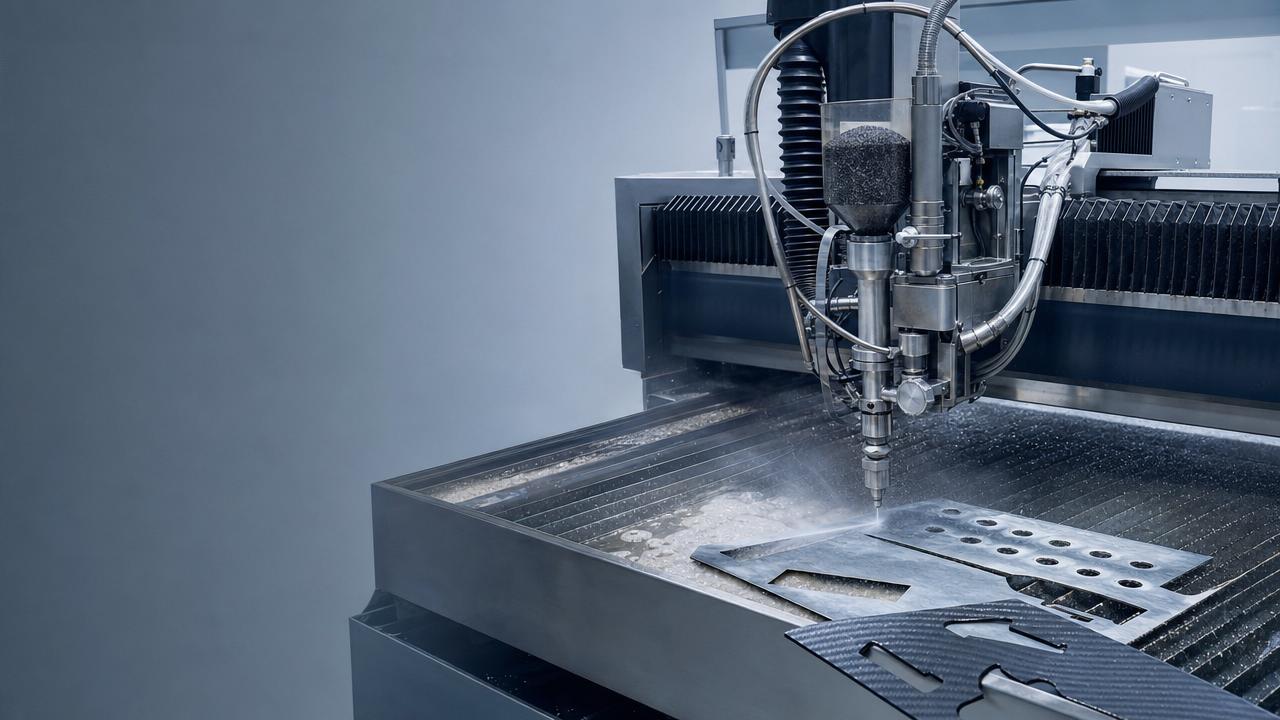
 Abrasive Delivery SystemsIndustrial Waterjet Cutters: Abrasive Costs That Erode MarginsAnalyst :5-Axis Machining Scientist
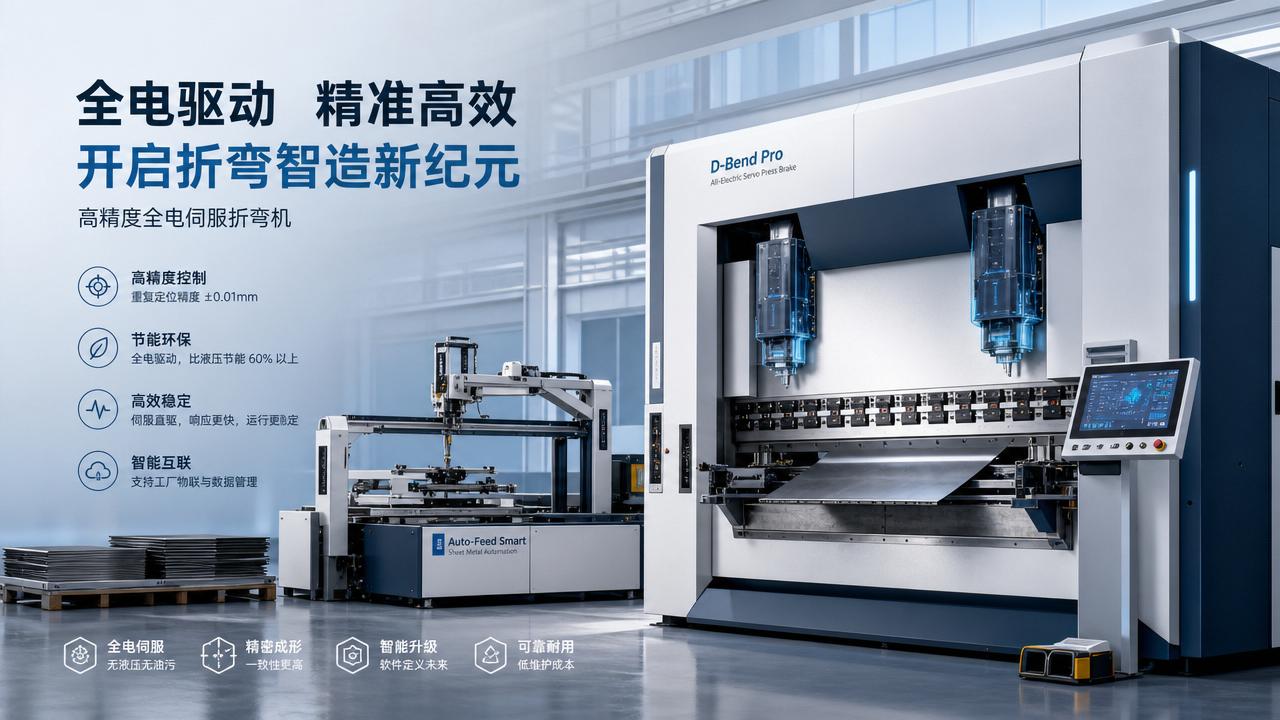
 All-Electric Press BrakesAll-Electric Servo Drives: Energy Savings vs Upgrade CostAnalyst :Precision Turning Architect
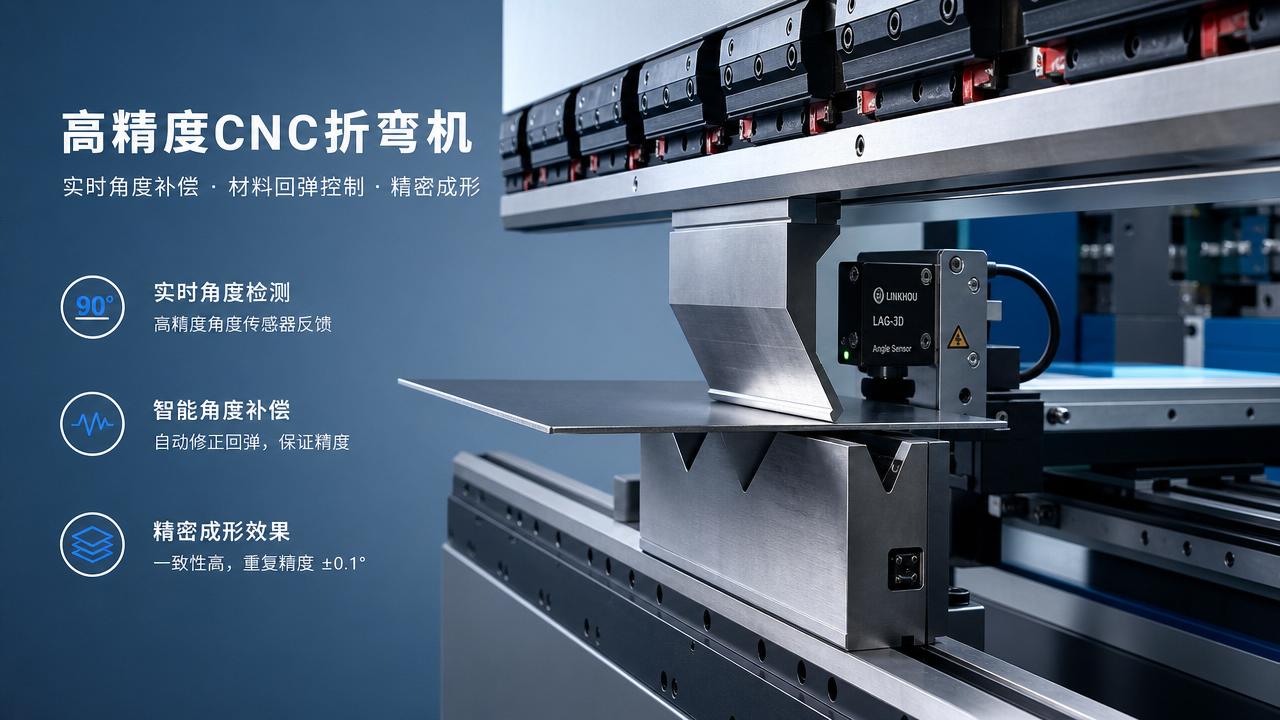
 All-Electric Press BrakesReal-Time Angle Compensation: What It Fixes and What It Doesn'tAnalyst :Precision Turning Architect
 Latest Sector NewsHigh-Strength Steel Machining: Tool Life Myths to AvoidAnalyst :Dr. Alistair Vaughn
 3D 5-Axis LaserComposite Material Cutting Without Delamination: Key MethodsAnalyst :
 Robotic Bending CellsAutomated Sheet Metal Forming: Hidden Setup Costs ComparedAnalyst :Precision Turning Architect