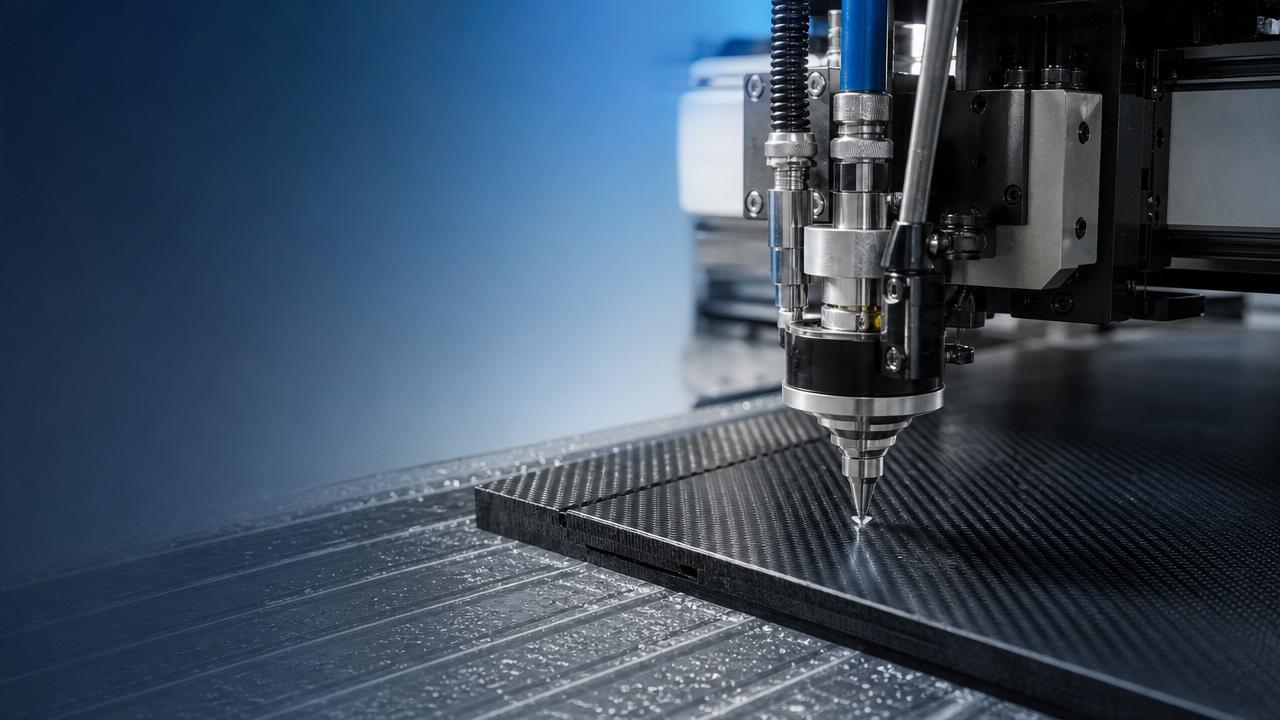
Where precision, speed, and minimal thermal impact matter most, ultrafast lasers are redefining microprocessing across advanced manufacturing. From semiconductor components to high-value aerospace and NEV applications, these systems produce cleaner edges, tighter tolerances, and stronger material integrity. In sectors tracked by AMTS, ultrafast lasers are becoming a practical benchmark for evaluating next-generation micro-scale production quality.
Why a checklist matters when evaluating ultrafast lasers
Not every microprocessing task benefits equally from the same laser architecture. Pulse duration, wavelength, repetition rate, beam delivery, and motion control all affect cut quality, throughput, and process stability.
A checklist approach helps compare ultrafast lasers beyond headline power. It also reduces the risk of selecting a system that looks fast on paper but underperforms on burr control, recast suppression, or feature consistency.
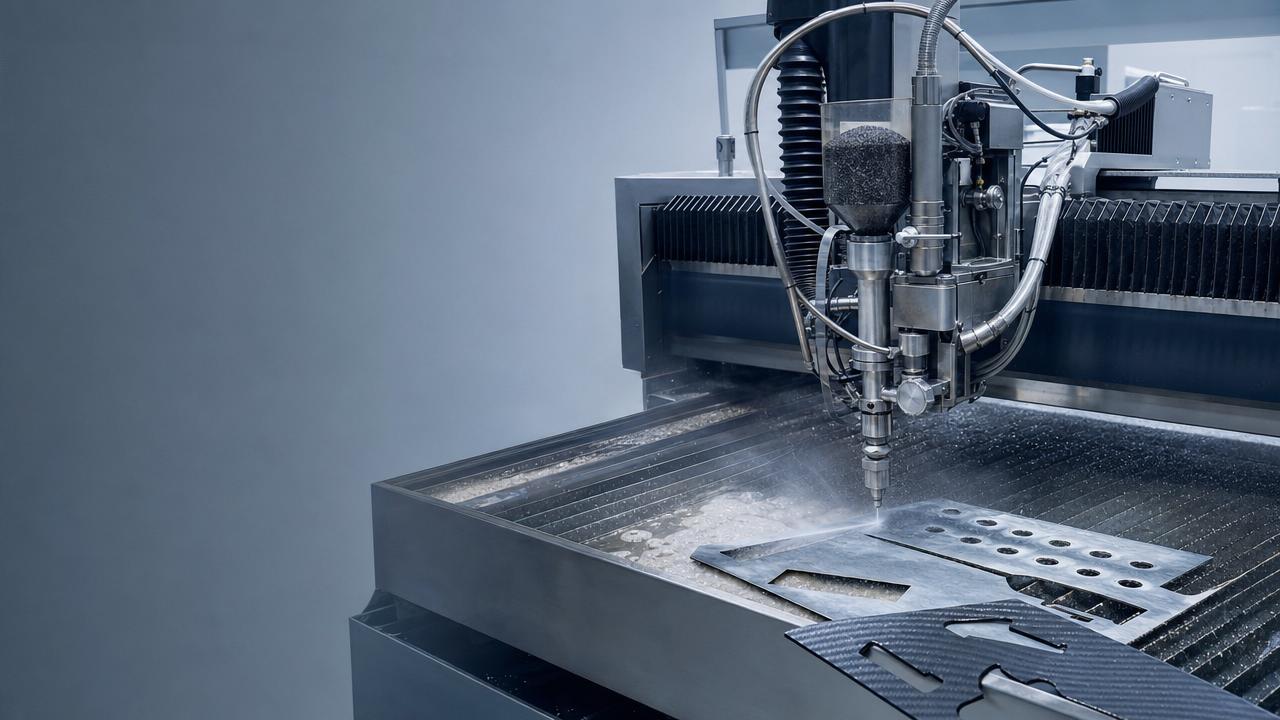
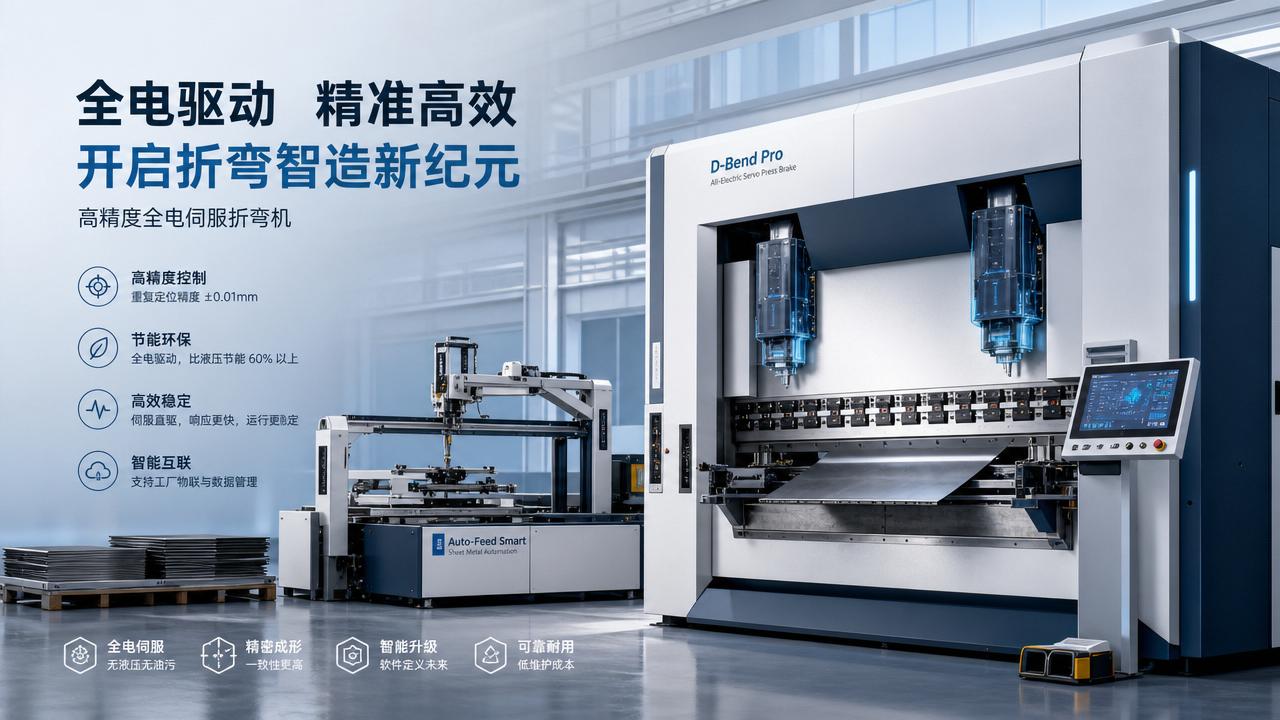
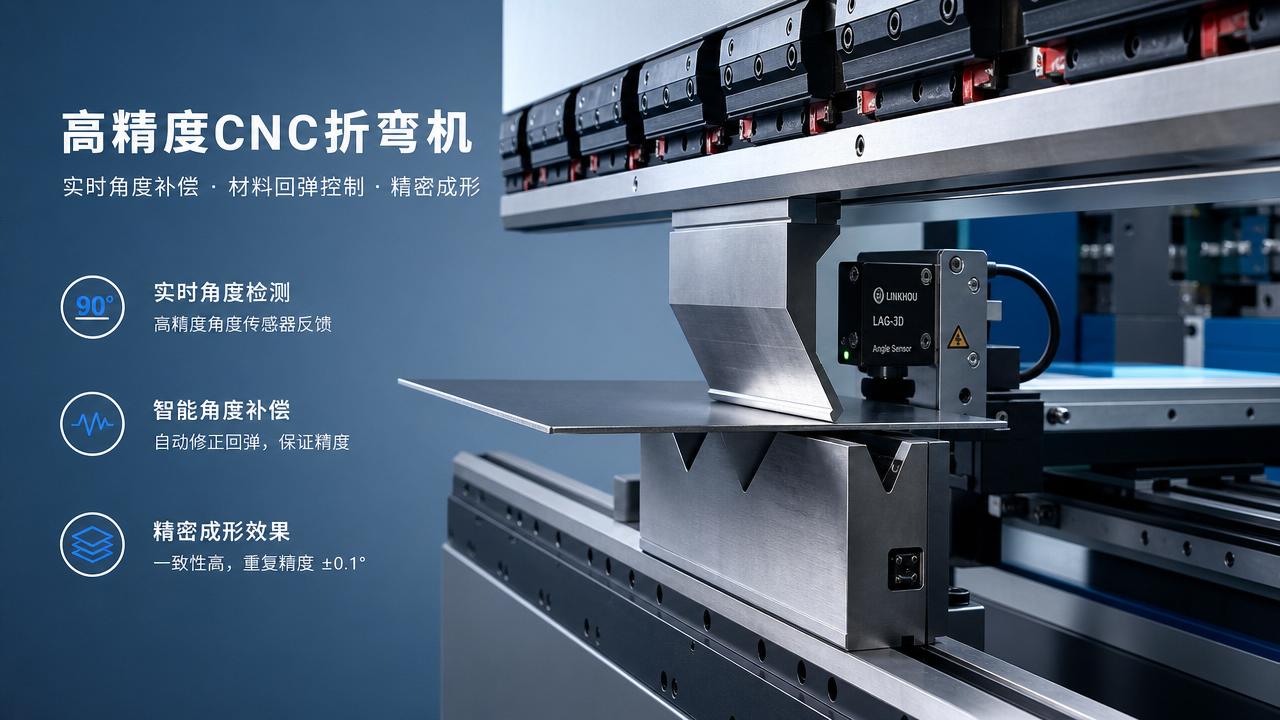
This matters in the broader manufacturing ecosystem as well. AMTS follows how laser cutting, 5-axis CNC machining, press brake forming, and waterjet cutting increasingly complement one another in precision-driven production chains.
Core checklist: how ultrafast lasers deliver cleaner microprocessing
- Confirm pulse duration first. Favor femtosecond or picosecond regimes when the job demands near-zero heat-affected zones, low recast, and minimal microcracking in delicate materials.
- Check wavelength compatibility. Match absorption behavior to metals, ceramics, glass, polymers, or semiconductor layers before judging speed, edge cleanliness, or process repeatability.
- Measure actual feature quality. Validate hole roundness, kerf width, taper, burr height, and surface finish under production conditions rather than relying on laboratory samples.
- Verify thermal impact control. Inspect whether ultrafast lasers prevent discoloration, delamination, molten spatter, and metallurgical damage around the processed zone.
- Review motion platform accuracy. Pair beam quality with stable galvanometer scanning, linear axes, or high-precision stages to maintain micron-level positioning over long runs.
- Evaluate material removal strategy. Balance pulse energy, overlap, burst mode, and scanning path to improve ablation efficiency without sacrificing edge fidelity.
- Inspect process monitoring tools. Use inline vision, plume sensing, autofocus, and data logging to detect drift early and maintain stable microprocessing quality.
- Compare integration readiness. Confirm that the laser cell can connect with CNC controls, robotic handling, metrology, and traceability systems in smart manufacturing environments.
- Test consumable and maintenance demands. Cleaner microprocessing loses value if optics contamination, alignment complexity, or cooling instability causes frequent downtime.
- Calculate cost per qualified feature. Judge ultrafast lasers by yield, scrap reduction, and downstream savings, not only by capital cost or nominal cycle time.
What makes ultrafast lasers cleaner than conventional laser processing
The key advantage is extremely short pulse duration. Energy enters the material faster than heat can diffuse widely, so removal happens with limited thermal spread.
That behavior reduces melt formation and suppresses the defects common in longer-pulse processing. Cleaner microprocessing usually means less burr, less recast, less warping, and fewer microstructural changes.
For advanced manufacturing, that improvement affects more than appearance. It can preserve fatigue performance, electrical function, coating adhesion, and bonding reliability in miniature or high-value parts.
Semiconductor and microelectronics applications
In semiconductor processing, ultrafast lasers are valued for wafer scribing, thin-film patterning, via drilling, and brittle material structuring. Glass, sapphire, and ceramics benefit from reduced cracking and cleaner separation.
Microelectronics also demand low debris generation. When contamination affects packaging, conductivity, or inspection yield, cleaner ablation becomes a measurable production advantage rather than a marketing claim.
Aerospace precision components
Aerospace components often combine hard alloys, thin walls, and strict tolerance requirements. Microholes, cooling structures, sensors, and composite-adjacent features must be processed without introducing hidden thermal damage.
Here, ultrafast lasers support cleaner edges and lower heat input than conventional methods. They are especially useful when secondary deburring or aggressive post-finishing could distort fragile geometries.
NEV battery and electronic parts
NEV production brings a different challenge: thin foils, coated materials, copper, aluminum, and compact electrical assemblies. Microprocessing must protect conductive paths and avoid heat-driven damage near active layers.
In these cases, ultrafast lasers can improve cut cleanliness on tabs, insulating films, sensors, and miniature connectors. Better edge quality often supports safer assembly and more stable electrical performance.
Commonly overlooked factors and risk alerts
Ignoring upstream material variation. Surface coatings, grain direction, oxide layers, and reflectivity changes can alter absorption. A clean result on one batch may not transfer directly to another.
Overvaluing source power alone. Higher average power does not automatically mean cleaner microprocessing. Beam stability, pulse control, and scan strategy often decide actual quality.
Skipping downstream inspection criteria. If metrology only checks dimensions, hidden defects like microcracks, taper drift, or redeposition may go unnoticed until assembly or field use.
Underestimating fixturing and debris extraction. Even excellent ultrafast lasers can lose performance if part clamping vibrates or if plume removal is insufficient during repetitive processing.
Assuming one process window fits every geometry. Deep microholes, surface texturing, thin-sheet cutting, and transparent material modification each require different optimization logic.
Practical execution advice for cleaner microprocessing
- Start with a defect map that ranks burrs, recast, taper, haze, cracking, and dimensional drift by severity and downstream impact.
- Run controlled trials across multiple pulse settings and scanning paths, then compare qualified feature yield instead of single-sample appearance.
- Use cross-sectional validation on critical features to confirm that cleaner surfaces also mean cleaner subsurface conditions.
- Integrate process data capture early, especially for high-mix production where recipe traceability supports repeatable microprocessing quality.
- Benchmark against adjacent processes such as EDM, mechanical drilling, fiber laser cutting, or waterjet where hybrid routing may improve economics.
Within advanced manufacturing, the best results often come from process matching rather than process loyalty. Some parts may begin with macro shaping on CNC or waterjet systems, then move to ultrafast lasers for final microfeatures.
That hybrid logic aligns with AMTS coverage of industrial mother machines. Precision today is increasingly defined by how intelligently multiple technologies are stitched together around material behavior and tolerance goals.
Conclusion: the next step in evaluating ultrafast lasers
Cleaner microprocessing is not a vague promise. With the right pulse regime, motion platform, monitoring system, and validation method, ultrafast lasers can deliver measurable gains in edge quality, thermal control, and feature reliability.
The most effective next step is to build a short evaluation matrix: material type, target feature, defect threshold, throughput target, and inspection method. That framework makes it easier to compare laser solutions objectively.
As aerospace, semiconductor, medical, and NEV production continue demanding finer tolerances and lower thermal damage, ultrafast lasers will remain central to cleaner, smarter, and more scalable microprocessing strategies.
Product Recommendations
 Abrasive Delivery SystemsIndustrial Waterjet Cutters: Abrasive Costs That Erode MarginsAnalyst :5-Axis Machining Scientist
 All-Electric Press BrakesAll-Electric Servo Drives: Energy Savings vs Upgrade CostAnalyst :Precision Turning Architect
 All-Electric Press BrakesReal-Time Angle Compensation: What It Fixes and What It Doesn'tAnalyst :Precision Turning Architect
 Latest Sector NewsHigh-Strength Steel Machining: Tool Life Myths to AvoidAnalyst :Dr. Alistair Vaughn
 3D 5-Axis LaserComposite Material Cutting Without Delamination: Key MethodsAnalyst :
 Robotic Bending CellsAutomated Sheet Metal Forming: Hidden Setup Costs ComparedAnalyst :Precision Turning Architect