How smart factory equipment cuts hidden downtime
Hidden downtime rarely appears on a balance sheet until missed shipments, scrap, overtime, and delayed launches expose the cost.
For enterprise decision-makers, smart factory equipment is no longer just an automation upgrade. It is a precision intelligence layer across critical assets.
It connects CNC machines, laser cutters, press brakes, waterjets, sensors, and production data to detect issues before lines stop.
By turning machine behavior into actionable insight, smart factory equipment protects uptime, stabilizes quality, and improves asset returns across advanced machining operations.
Why hidden downtime needs a checklist approach
Visible downtime is easy to measure. A stopped spindle, alarmed laser, or idle press brake immediately appears in production reports.
Hidden downtime is different. It hides inside micro-stoppages, slow tool changes, offset corrections, warm-up drift, rework, and material handling gaps.
In advanced manufacturing, a five-minute delay can multiply across 5-axis machining centers, CNC lathes, robotic cells, and inspection stations.
Smart factory equipment makes these losses measurable. A checklist ensures data, hardware, software, and operating discipline improve together.
Without a checklist, factories often collect data but fail to connect alarms, maintenance actions, process deviations, and financial impact.
Core checklist for reducing downtime with smart factory equipment
- Map every bottleneck asset, including CNC spindles, fiber lasers, press brakes, waterjets, robots, compressors, chillers, and inspection devices.
- Capture real machine states automatically, separating production, setup, tool change, alarm, maintenance, standby, and operator intervention time.
- Connect smart factory equipment to standardized data protocols, so legacy machines and new CNC systems share comparable operational signals.
- Track micro-stoppages under five minutes, because repeated short interruptions often cost more capacity than one obvious breakdown.
- Monitor spindle load, vibration, servo current, temperature, pressure, and axis following error to detect mechanical deterioration early.
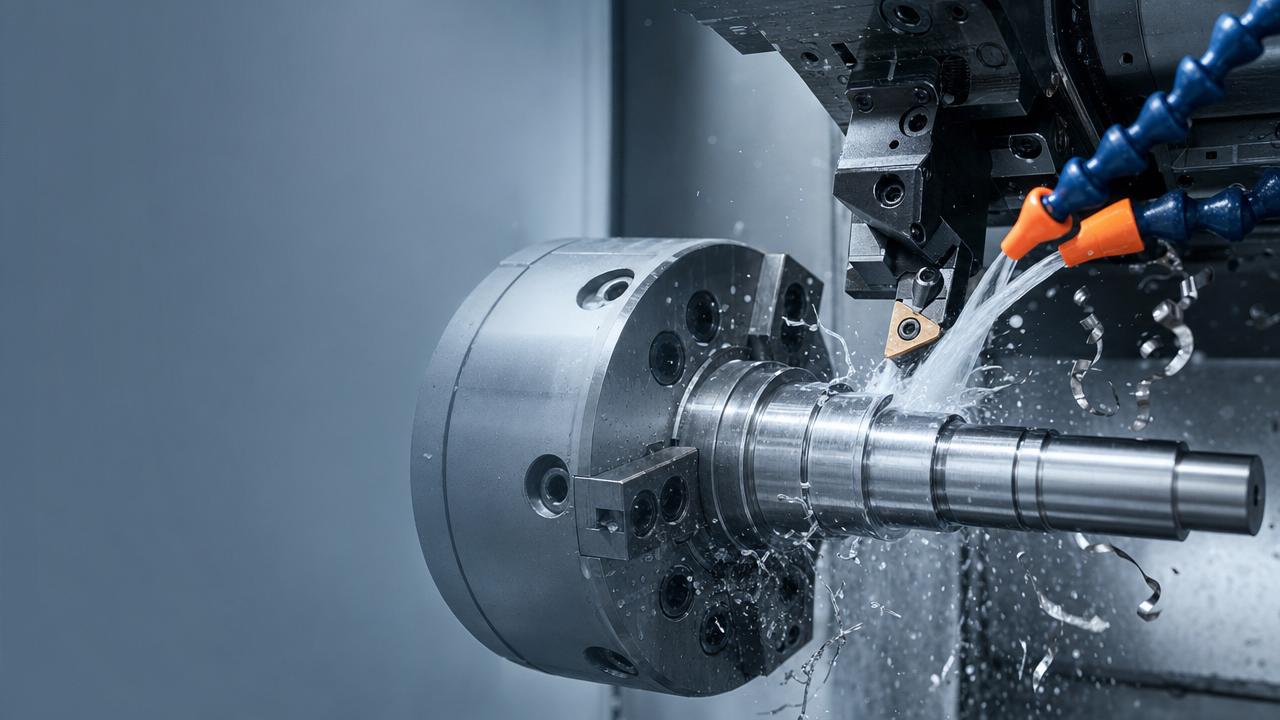
- Link tooling data with machine behavior, identifying premature wear, unstable cutting parameters, coolant problems, and incorrect tool life assumptions.
- Use predictive maintenance models only after validating sensor accuracy, failure history, maintenance records, and operating context.
- Define alarm priority rules, preventing low-value messages from hiding urgent spindle, laser source, hydraulic, or safety interlock events.
- Compare planned cycle time with actual cycle time, then isolate losses caused by feed override, waiting material, or process instability.
- Integrate quality inspection feedback, so smart factory equipment links dimensional drift with machine condition and process corrections.
- Schedule maintenance by condition, not only calendar intervals, especially for high-value assets running mixed materials and variable workloads.
- Visualize downtime causes in real time, using dashboards that show machine status, bottleneck position, and recovery responsibility.
- Audit changeover procedures, ensuring fixtures, programs, tools, drawings, and inspection plans are ready before production stops.
- Measure energy anomalies, since rising compressed air, coolant, chiller, or laser power consumption can reveal hidden equipment degradation.
- Review data weekly with maintenance, engineering, production, and quality inputs, turning smart factory equipment insights into corrective actions.
Apply the checklist in 5-axis CNC machining
In 5-axis machining, hidden downtime often appears as cautious feed overrides, repeated probing, toolpath restarts, and fixture verification delays.
Smart factory equipment helps connect RTCP behavior, spindle thermal drift, axis load, and tool wear to real machining outcomes.
For aerospace blades, medical implants, and precision molds, the most expensive downtime may occur while the machine is technically running.
Slow feeds, excessive dry runs, and repeated manual checks reduce available spindle hours without triggering a conventional downtime code.
Use smart factory equipment to compare CAM targets, actual axis motion, probing frequency, and inspection deviations for each part family.
Apply the checklist in laser cutting operations
Laser cutting downtime is rarely limited to a failed laser source. Gas pressure, nozzle condition, lens contamination, and nesting gaps also matter.
Smart factory equipment can monitor pierce time, beam stability, assist gas consumption, slag formation, and cutting speed by material grade.
For high-power fiber laser cutting, small process deviations can create scrap before operators notice edge quality deterioration.
Connect cutting parameters, material certificates, lens maintenance, and downstream deburring data to reveal the true cost of instability.
When smart factory equipment flags rising pierce failures, corrective action can happen before an entire nest becomes delayed inventory.
Apply the checklist in press brake and sheet metal cells
Press brake downtime hides in setup, trial bends, wrong tooling, angle correction, and waiting time between cutting and forming.
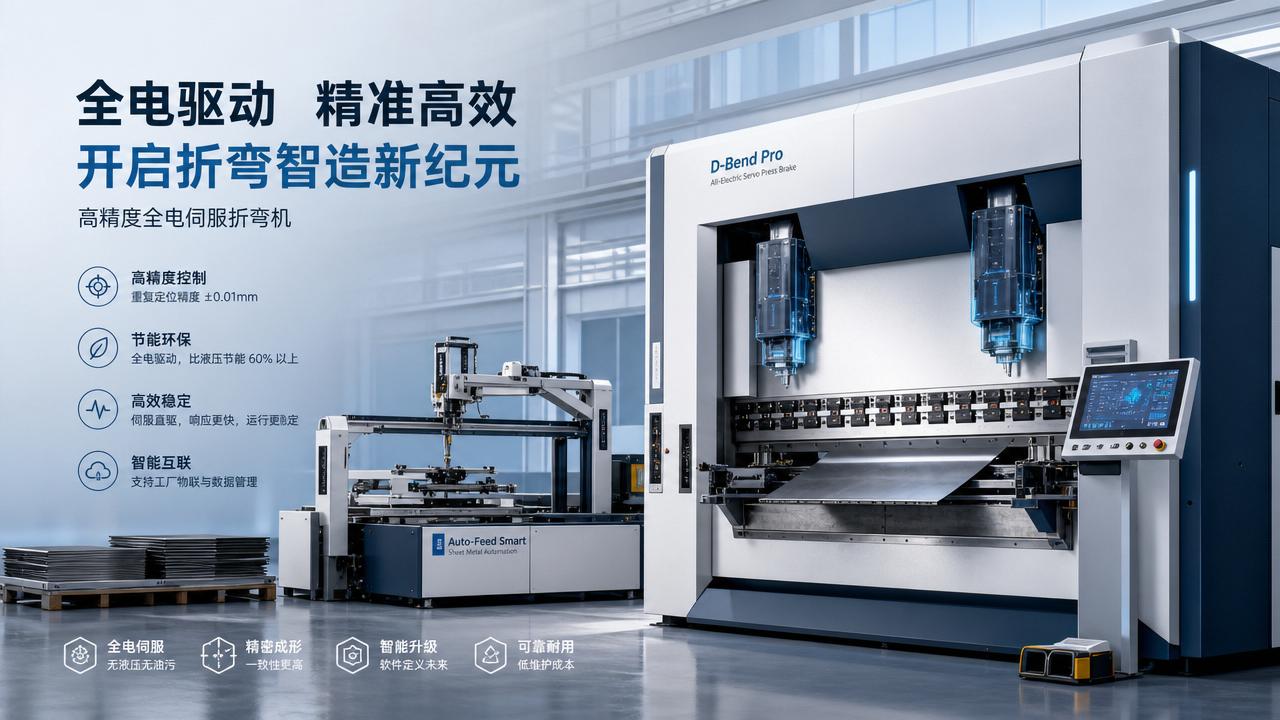
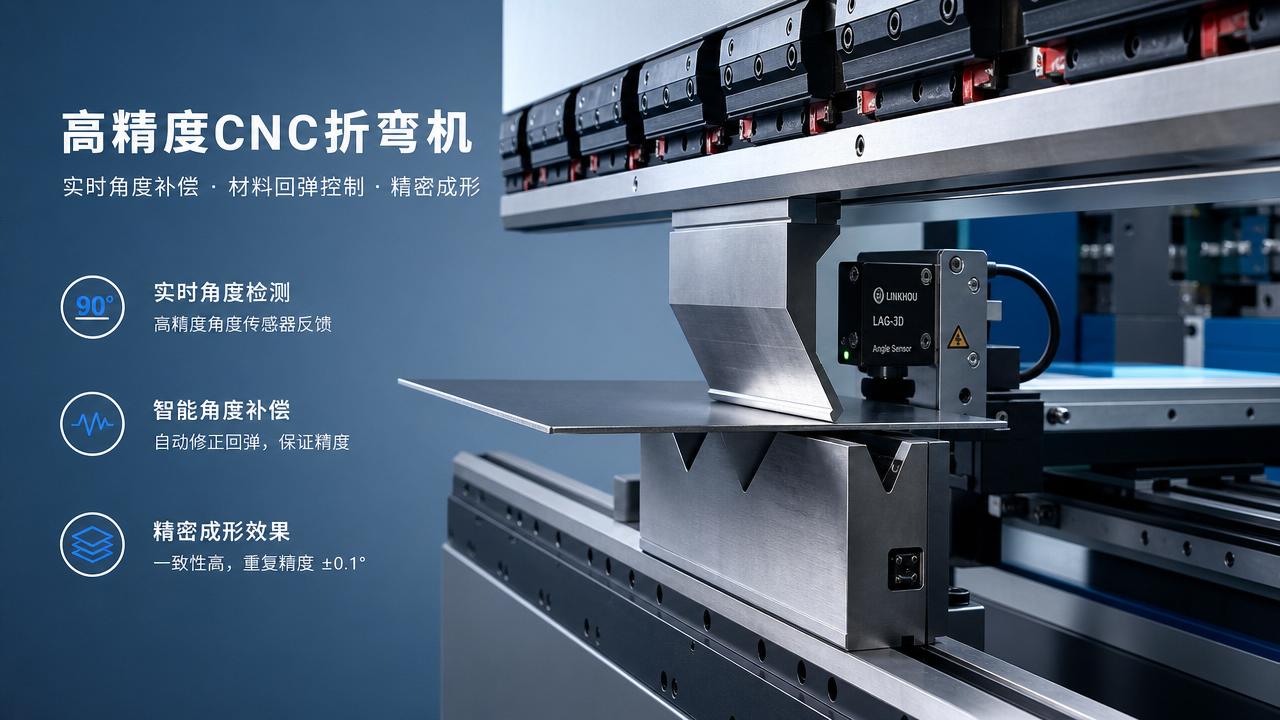
Smart factory equipment brings value by linking bend programs, material thickness, angle measurement, servo behavior, and operator workflow.
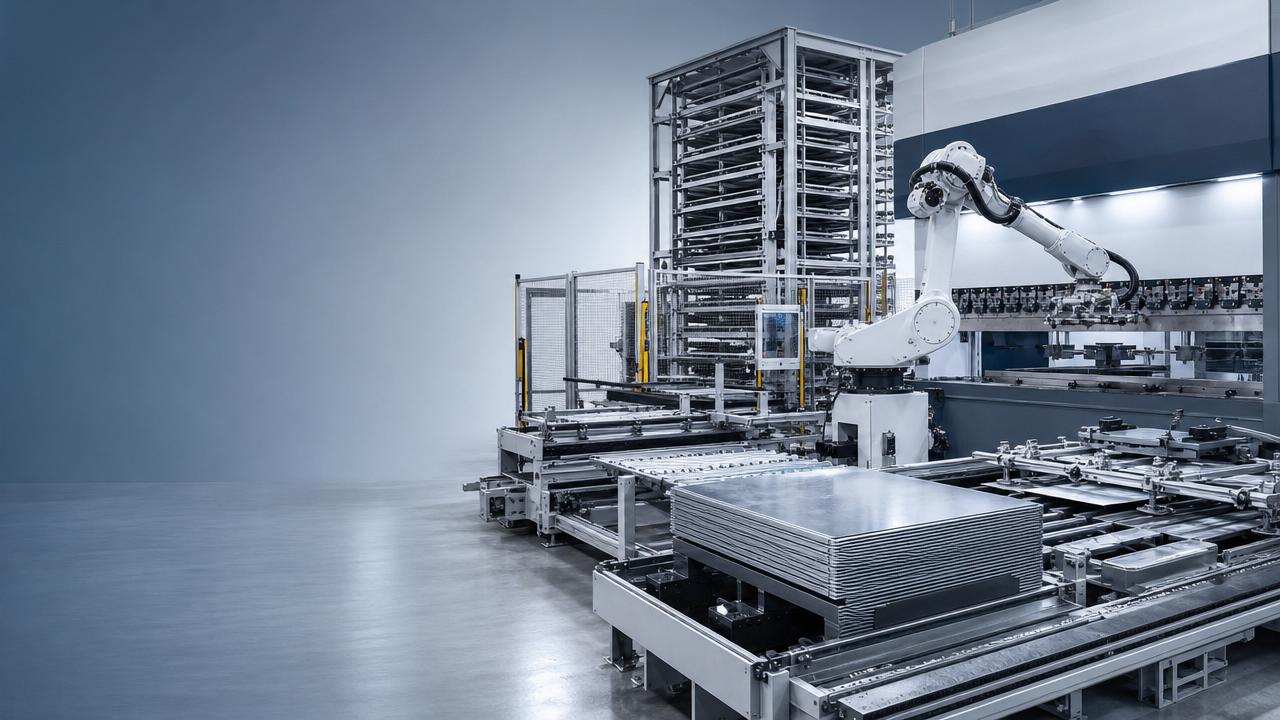
All-electric press brakes and robotic loading cells depend on repeatable upstream preparation. Missing tools or mixed blanks can stop automation.
Use checklist data to confirm program readiness, tooling location, bend sequence validation, and real-time angle compensation performance.
The result is not only faster forming. It is fewer hidden interruptions between laser cutting, bending, welding, and assembly.
Apply the checklist in waterjet cutting and cold processing
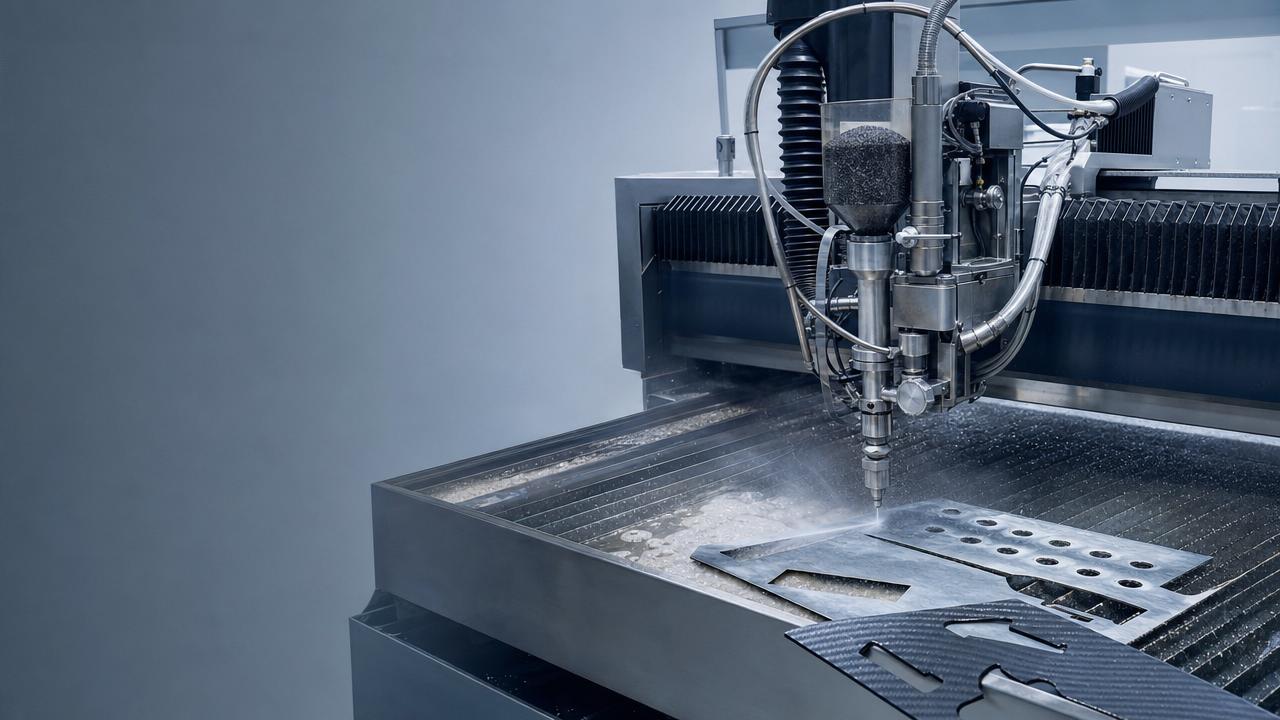
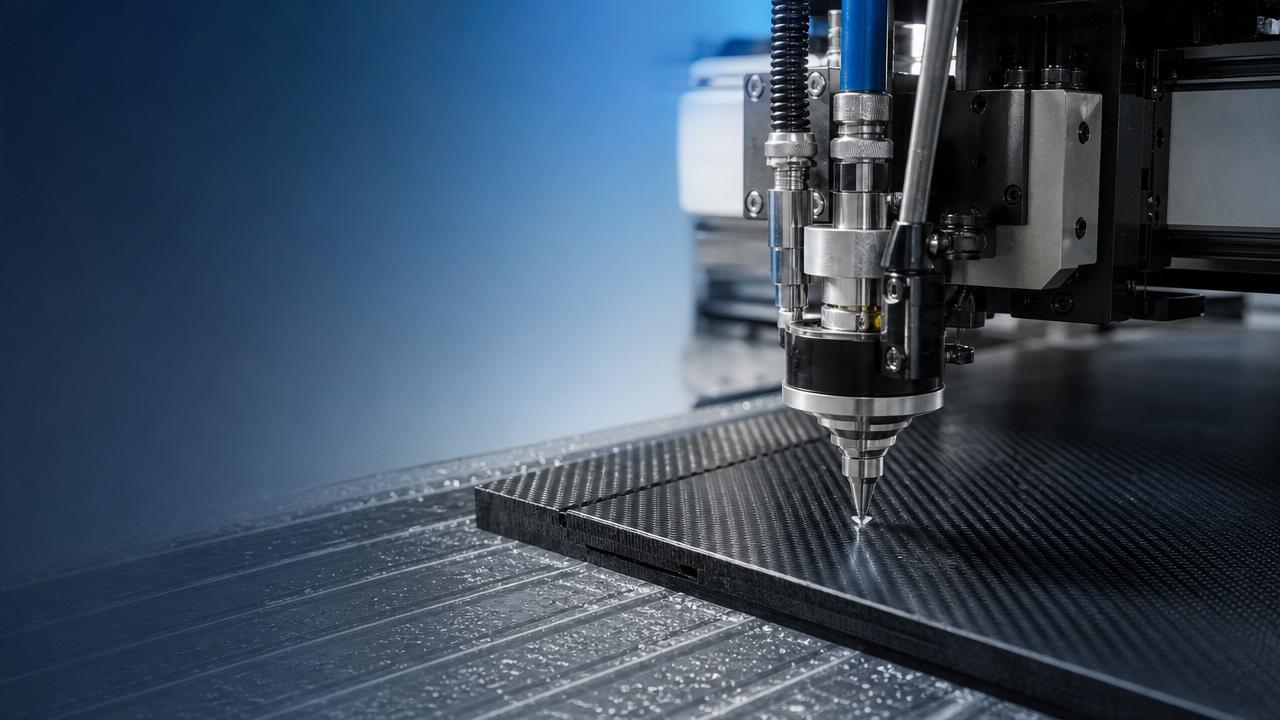
Waterjet cutting protects heat-sensitive materials, but hidden downtime can develop through pump wear, abrasive blockage, and pressure instability.
Smart factory equipment should monitor pressure curves, orifice life, abrasive flow, water quality, pump cycles, and cutting path efficiency.
For titanium alloys, composites, bulletproof glass, and carbon fiber, poor parameter control can create invisible quality and schedule risks.
Condition-based alerts help replace consumables before taper, delamination, or incomplete cutting damages expensive workpieces.
Common overlooked risks when deploying smart factory equipment
Ignoring data definitions
If “idle,” “standby,” and “waiting” mean different things across departments, downtime reports become arguments instead of improvement tools.
Define machine states before installing smart factory equipment dashboards. Standard language creates trust in the numbers.
Over-automating weak processes
Automation does not fix unstable tooling, poor material flow, or unclear setup standards. It often makes those weaknesses visible faster.
Use smart factory equipment to expose root causes, then correct process discipline before expanding unmanned production hours.
Treating sensors as a maintenance substitute
Sensors detect changes, but they do not replace lubrication, alignment checks, coolant control, lens cleaning, or pump inspection.
The best smart factory equipment programs combine measurement, maintenance skills, spare parts planning, and documented repair standards.
Forgetting cybersecurity and access control
Connected machines create new exposure. CNC programs, production schedules, and machine parameters must be protected from unauthorized changes.
Secure smart factory equipment with role-based access, segmented networks, backup routines, and audit trails for critical parameter changes.
Practical execution plan for the first 90 days
- Select one bottleneck cell where downtime, quality loss, and schedule pressure are already visible in daily operations.
- Install or activate data capture for machine state, alarms, cycle time, energy, tooling, and maintenance events.
- Create a downtime taxonomy with no more than ten primary reasons, avoiding excessive categories that slow reporting.
- Validate data manually for two weeks, comparing smart factory equipment signals with shopfloor observation and production records.
- Rank losses by recovered capacity, not just frequency, so high-value improvement work receives priority.
- Launch three corrective actions, assign owners, set deadlines, and measure whether downtime minutes actually decline.
- Standardize successful actions, then expand the same smart factory equipment logic to the next constraint area.
The first 90 days should prove business value, not create a perfect digital architecture. Start with the constraint and expand carefully.
A focused pilot builds internal confidence. It also reveals integration gaps before larger investments in smart factory equipment are approved.
Metrics that show hidden downtime is falling
- Track OEE by constraint machine, but separate availability, performance, and quality to avoid misleading averages.
- Measure mean time between failures and mean time to repair for spindles, lasers, pumps, and servo systems.
- Monitor schedule adherence, because reduced hidden downtime should improve delivery reliability before capacity expansion begins.
- Compare first-pass yield with machine condition data, linking quality recovery to smart factory equipment insights.
- Calculate recovered productive hours monthly, converting downtime reduction into available capacity and avoided overtime.
Summary and action guide
Hidden downtime is a precision manufacturing problem, not only a maintenance problem. It sits between machines, data, people, and process standards.
Smart factory equipment reduces that loss by making machine behavior visible, comparable, and actionable across advanced production environments.
Begin with one constraint cell. Define downtime clearly, capture reliable signals, and connect machine data with tooling, quality, and maintenance records.
Then act on the largest verified losses. The goal is not more dashboards. The goal is fewer stoppages, less scrap, and more stable throughput.
For operations built on 5-axis CNC machining, laser cutting, press braking, and waterjet cutting, smart factory equipment becomes the practical path to higher uptime.
Product Recommendations
 Abrasive Delivery SystemsIndustrial Waterjet Cutters: Abrasive Costs That Erode MarginsAnalyst :5-Axis Machining Scientist
 All-Electric Press BrakesAll-Electric Servo Drives: Energy Savings vs Upgrade CostAnalyst :Precision Turning Architect
 All-Electric Press BrakesReal-Time Angle Compensation: What It Fixes and What It Doesn'tAnalyst :Precision Turning Architect
 Latest Sector NewsHigh-Strength Steel Machining: Tool Life Myths to AvoidAnalyst :Dr. Alistair Vaughn
 3D 5-Axis LaserComposite Material Cutting Without Delamination: Key MethodsAnalyst :
 Robotic Bending CellsAutomated Sheet Metal Forming: Hidden Setup Costs ComparedAnalyst :Precision Turning Architect