How EV Component Manufacturing Automation Improves Traceability and Line Flexibility
As electric vehicle production scales, manufacturers must balance higher throughput with tighter quality control and rapidly changing model requirements. EV component manufacturing automation provides a practical path forward by connecting CNC machining, laser cutting, forming, robotics, and intelligent data systems into a more transparent production environment. With real-time process records and adaptable equipment configurations, project managers can improve part traceability, reduce production risks, and respond faster to design changes. This article explores how automation strengthens manufacturing visibility while creating the line flexibility needed for competitive, next-generation EV production.
For a project manager, however, automation is not simply a decision to install more robots. The difficult questions are usually more operational: Can the team identify which material batch entered a finished component? Can a process deviation be connected to a specific machine, tool, program, or operator action? Can the same line handle a design revision without a long mechanical rebuild? The answers depend on how equipment, software, quality controls, and production planning are designed together.
Why EV Component Production Makes Traceability More Difficult
EV components often combine demanding materials, tight dimensional requirements, and frequent product changes. Battery trays, motor housings, cooling components, structural parts, brackets, and precision drivetrain components may pass through different manufacturing technologies before assembly. Aluminum alloys, high-strength steels, copper-based parts, composites, and coated materials do not respond to machining, cutting, forming, or joining in the same way.
A paper traveler or a manually updated spreadsheet may record that a part was processed, but it rarely captures enough detail to support a fast investigation. When a dimensional result is out of tolerance, the team may need to reconstruct the part’s history from separate systems: material receiving records, CNC controller data, tool changes, inspection reports, and rework notes. Gaps between these records create uncertainty and can increase the scope of a containment action.
Traceability should therefore be understood as a connected chain rather than a label attached at the end of production. The chain may include raw material identity, work-order information, machine status, program revision, tooling condition, process parameters, inspection results, and movement between operations. The exact data set should be determined by the component’s risk, customer requirements, internal quality procedures, and applicable market obligations.
How Automation Creates a More Complete Production Record
An automated traceability system normally begins with a unique identity for the material or workpiece. This may be represented by a barcode, QR code, RFID tag, laser marking, or another identification method suited to the surface and process. The important point is not the label technology itself. It is whether the identity remains reliably associated with the part as it moves through loading, cutting, machining, forming, inspection, and assembly.
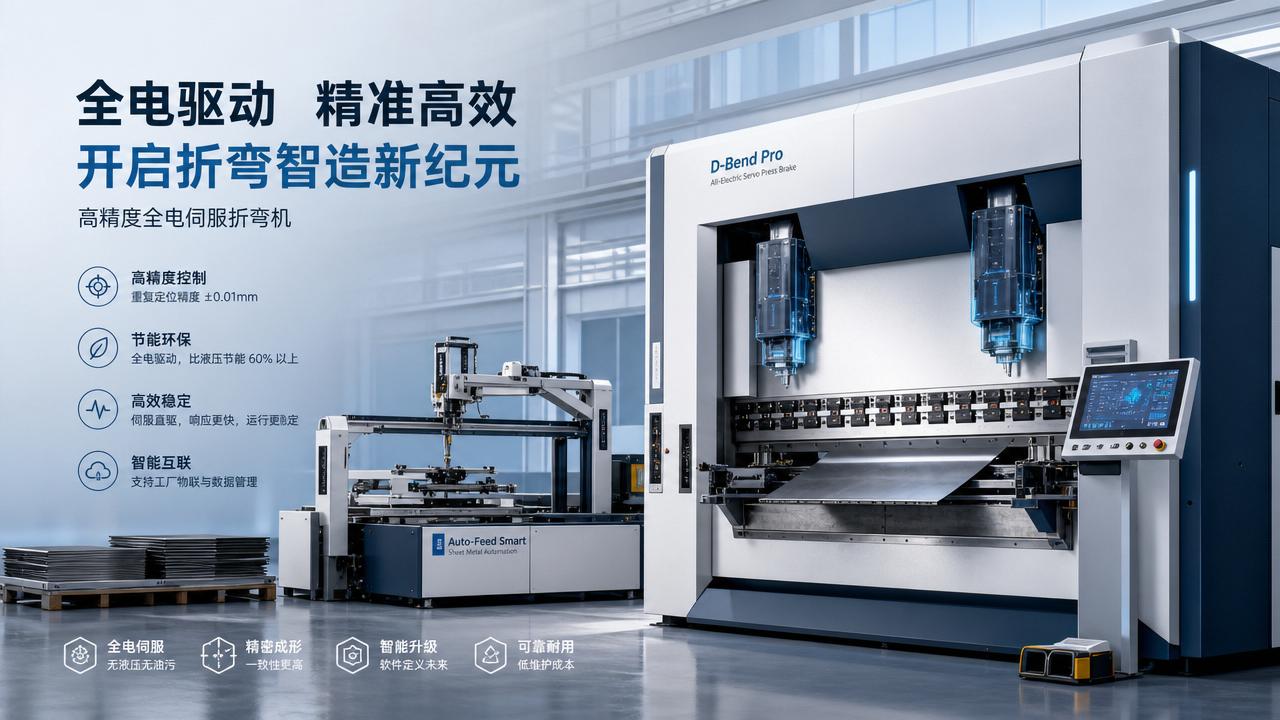
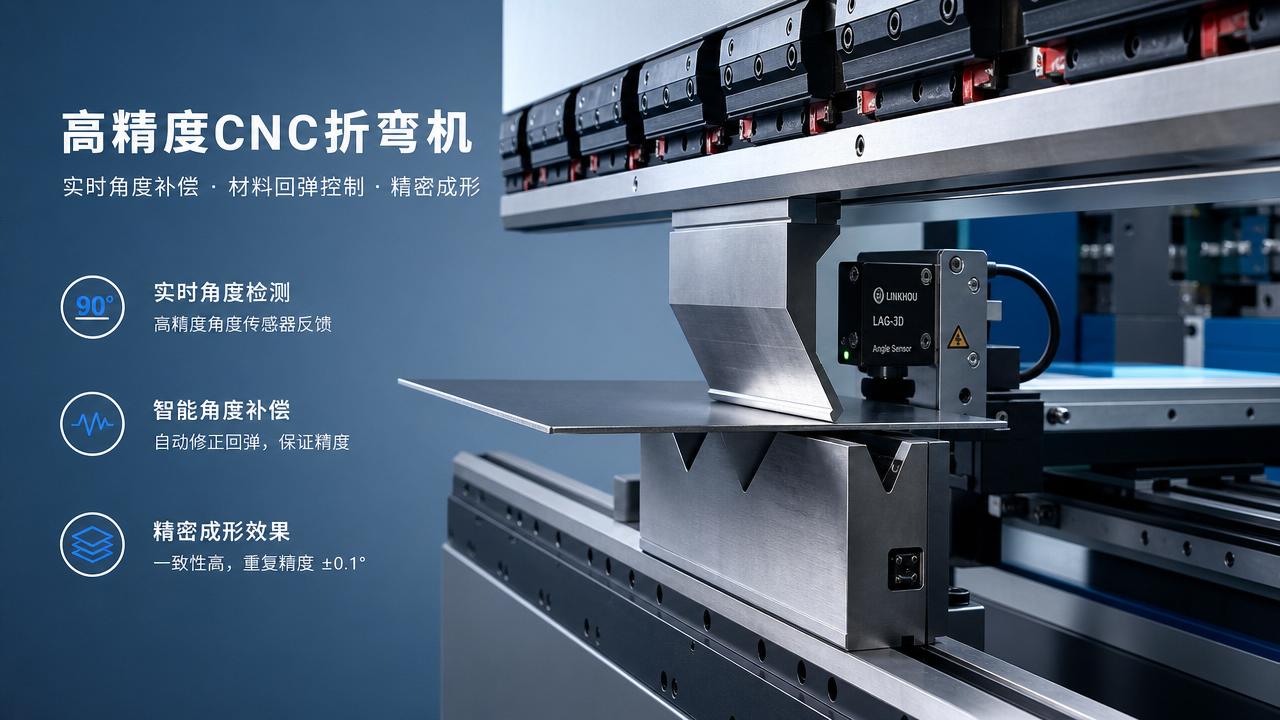
Once identification is established, machine connectivity can add context to each operation. A CNC machining center may be linked to the active work order, part program revision, tool offset data, spindle condition, and cycle completion status. A laser cutting system can associate the material lot and nesting file with the resulting blanks. A CNC press brake can record the forming program, tooling setup, material thickness information, and inspection outcome where the control architecture supports that level of integration.
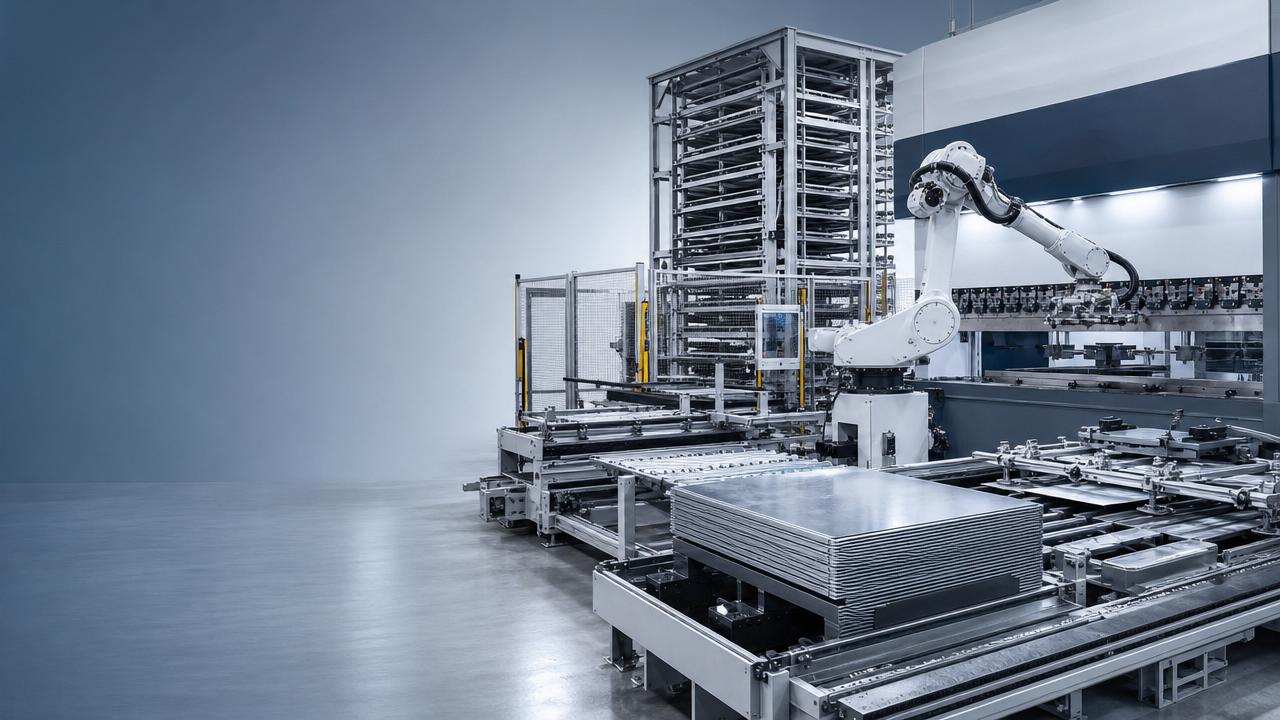
Robotic handling is especially useful because it reduces ambiguous handoffs. A robot can verify the destination operation, confirm that a cycle has completed, and move the correct part to the next station. If a part fails an inspection step, the handling logic can route it to a defined rework or quarantine location rather than allowing it to return to the normal flow without a clear status.
This does not mean every signal should be stored indefinitely. Excessive data without a clear use case can make systems expensive to maintain and difficult to audit. Project teams should define which records are required for release, which support process analysis, and which are only needed for equipment diagnostics. A useful traceability design is selective, consistent, and searchable.
The Role of Advanced Machine Tools in EV Traceability
The quality of production data is closely tied to the capability and stability of the equipment generating it. In precision EV component manufacturing, a high-performance machine that cannot communicate reliably with the production system may still leave the project team with an incomplete picture.
Five-axis CNC machining centers are relevant when complex geometries, difficult access angles, or fewer setups are required. Their spatial toolpath control, including technologies such as RTCP where supported, can help maintain the intended relationship between the tool and workpiece. From a traceability perspective, the project should also define how program versions, setup conditions, probing results, and tool-life information are linked to each component.
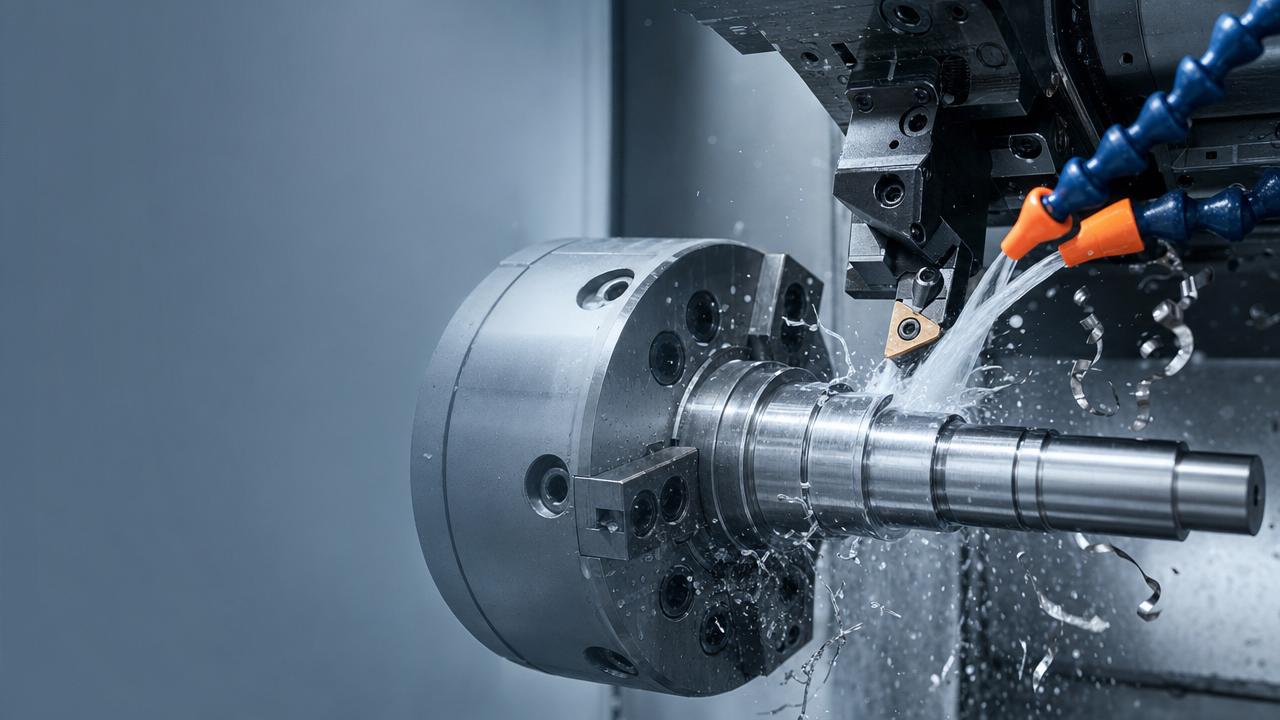
CNC lathes support cylindrical parts such as shafts, sleeves, and other rotating components. Here, traceability may depend on recording tool compensation, chuck or fixture conditions, in-process measurement results, and the relationship between turning operations and subsequent inspection. The objective is not to collect data for its own sake, but to make it possible to distinguish a material issue from a cutting-tool issue or a machine-setting issue.
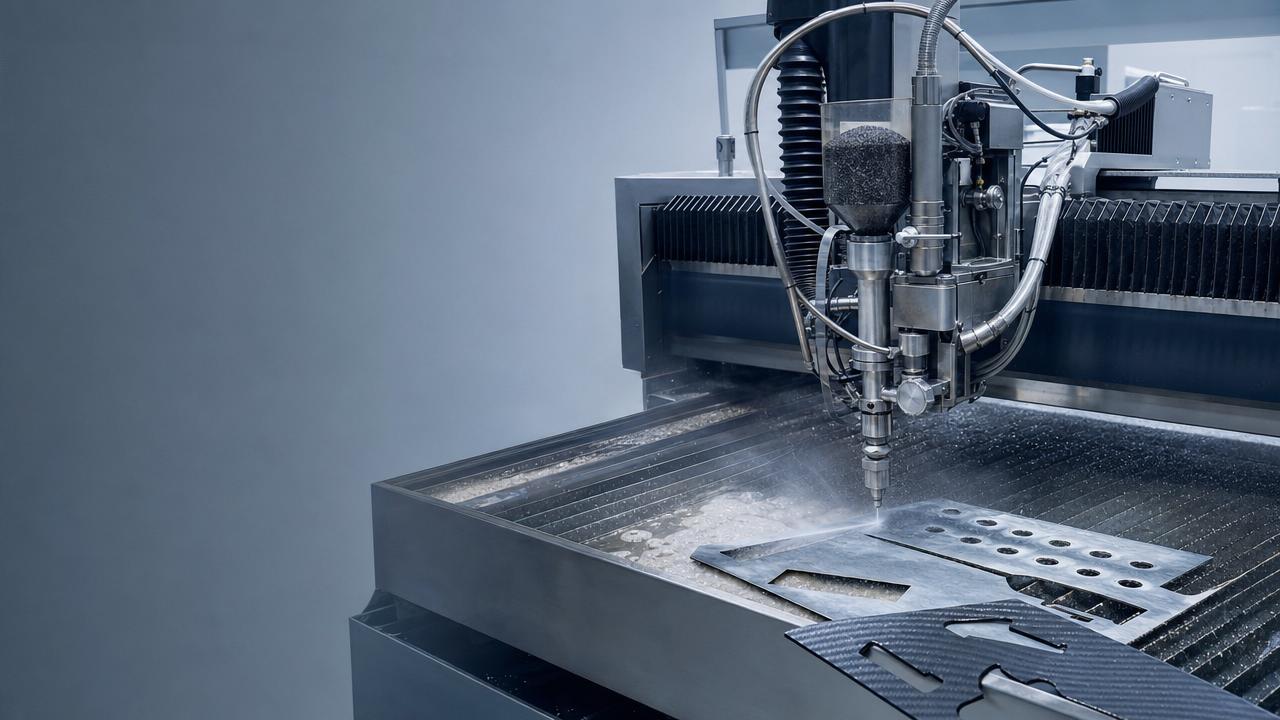
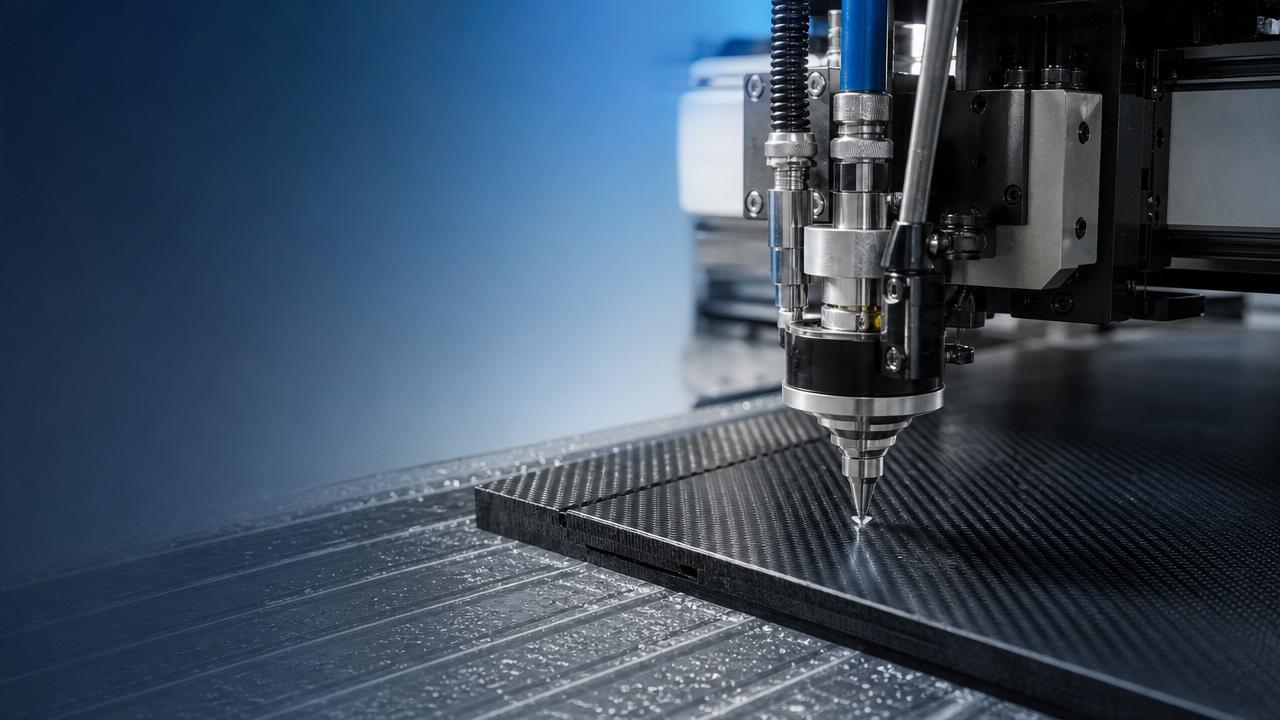
Laser cutting machines and CNC press brakes present a different challenge because sheet material can vary in thickness, grade, surface condition, and springback behavior. Automated program selection, material verification, nesting management, angle compensation, and first-piece inspection can reduce setup mistakes. For heat-sensitive composite parts, industrial waterjet cutting can be considered where cold cutting and the absence of a heat-affected zone are important. Suitability still depends on the specific material, edge-quality requirement, abrasive process, and downstream operations.
These technologies should not be evaluated as isolated machines. Their value increases when the production control layer can associate machine events with the correct part identity and when inspection equipment can return usable results to the same record.
Why Line Flexibility Is More Than Quick Changeover
EV programs can involve several variants, engineering changes, different material specifications, and uncertain demand during ramp-up. A rigid line may perform efficiently under one stable product mix but become difficult to manage when the product family changes. Flexibility means the line can absorb controlled variation without compromising safety, quality, or traceability.
There are several layers to this flexibility. At the machine level, it may involve programmable fixtures, automatic tool changes, modular clamping, recipe-based process selection, or servo-driven forming systems. At the cell level, it may involve robots that can serve multiple operations or switch between part-handling routines. At the planning level, it requires software that can schedule different work orders while preserving material identity and revision control.
A flexible line also needs controlled transitions. When a new part program is released, the system should make clear which revision is approved, which tooling is required, and whether a first-article or additional inspection is necessary. If a material thickness changes, the line should not rely solely on an operator remembering to alter a parameter. The change should be visible in the work order and validated through the appropriate process controls.
This is where automation can prevent a common mistake: confusing adaptability with uncontrolled freedom. A line that allows every parameter to be changed manually may appear flexible, but it can be difficult to reproduce and investigate. Strong flexibility comes from predefined options, permissions, verification steps, and clear exception handling.
A Practical Architecture for an Automated EV Line
Project managers do not need to begin with a complete “dark factory” concept. A staged architecture is often easier to validate. The first layer is equipment control: CNC systems, laser sources, press brakes, robots, sensors, probing devices, and inspection equipment. The second layer manages production execution, work orders, routing, recipes, and status. The third layer provides analysis, reporting, maintenance information, and management visibility.
Before selecting software, the team should map the actual flow of information. Where is the part identified? Which system owns the approved program? How is a rejected part prevented from being counted as good output? What happens if the network connection fails? How are offline machines, manual inspection stations, and rework operations recorded?
These questions often reveal that integration is a larger project than the robot installation itself. Legacy CNC controls may expose different data formats. Suppliers may use proprietary interfaces. Inspection systems may generate files that are not automatically connected to the production order. Cybersecurity, access control, backup, and data retention also need to be considered early rather than added after commissioning.
Risks That Can Undermine the Business Case
Automation can reduce manual variation, but it does not correct an unclear process. If the routing is poorly defined, the system may simply record poor decisions more efficiently. A sensor can detect a condition, but the project still needs a rule for stopping the line, alerting a supervisor, isolating affected parts, or continuing under an approved deviation.
Another risk is designing around nominal production rather than real operating conditions. Material substitutions, tool wear, maintenance downtime, engineering changes, seasonal temperature differences, and operator intervention can all affect performance. Acceptance testing should therefore include representative variants and abnormal scenarios, not only a successful demonstration on a single part.
The project should also avoid measuring success only through machine utilization. A highly utilized station that creates inspection backlogs or difficult rework may reduce overall flow. More useful measures can include genealogy completeness, first-pass yield, changeover duration, unplanned downtime, response time for quality investigation, and the percentage of operations completed with the approved process revision. The exact metrics should reflect the line’s production and quality objectives.
A Better Starting Point for Project Managers
The strongest automation projects usually start with a narrow, high-value production flow rather than an ambitious plant-wide rollout. Select a component family where traceability gaps, variant changes, or manual handling create visible risk. Document the current process, identify the records needed for release and investigation, and define the exceptions that the future system must handle.
- Define the part genealogy from incoming material to finished component.
- Confirm which machine, program, tooling, and inspection data must be linked.
- Test variant handling, engineering changes, rework, quarantine, and network interruptions.
- Separate mandatory quality records from optional diagnostic data.
- Verify interfaces, service responsibilities, training needs, and spare-part availability before final acceptance.
AMTS approaches this subject from the equipment and manufacturing-foundation side of the industry. Its coverage of five-axis machining, CNC turning, laser processing, press brake automation, and industrial waterjet cutting is relevant because line flexibility depends on the behavior of these “industrial mother machines,” not only on the software layer placed above them. Its Strategic Intelligence Center also examines CNC systems, linear scales, RTCP development, laser processing conditions, robotic loading and unloading, and supply-chain factors that can influence an automation project’s long-term viability.
The Implementation Decision Is Specific to the Line
EV component manufacturing automation can improve traceability and line flexibility when the project connects identity, process control, equipment data, inspection, and production planning into one workable operating model. It is less effective when automation is purchased as a collection of disconnected machines or when data requirements are defined after installation.
The next step is a detailed process and information audit: component geometry, materials, tolerances, routing, variant mix, expected volume, inspection method, existing controls, service conditions, and customer or market requirements should all be reviewed. Delivery timing, interface responsibility, validation scope, and local certification or compliance requirements may also change the appropriate solution. Those points normally need confirmation against project documents and the applicable standards before equipment specifications are finalized.
- industrial mother machines
- CNC machining centers
- CNC lathes
- laser cutting machines
- CNC press brakes
- machine tools
- CNC turning
- waterjet cutting
- EV component manufacturing
- cold cutting
- laser cutting
- laser processing
- CNC systems
- linear scales
- advanced machine tools
- press brake automation
- EV component manufacturing automation
- precision EV component manufacturing
Product Recommendations
 Abrasive Delivery SystemsIndustrial Waterjet Cutters: Abrasive Costs That Erode MarginsAnalyst :5-Axis Machining Scientist
 All-Electric Press BrakesAll-Electric Servo Drives: Energy Savings vs Upgrade CostAnalyst :Precision Turning Architect
 All-Electric Press BrakesReal-Time Angle Compensation: What It Fixes and What It Doesn'tAnalyst :Precision Turning Architect
 Latest Sector NewsHigh-Strength Steel Machining: Tool Life Myths to AvoidAnalyst :Dr. Alistair Vaughn
 3D 5-Axis LaserComposite Material Cutting Without Delamination: Key MethodsAnalyst :
 Robotic Bending CellsAutomated Sheet Metal Forming: Hidden Setup Costs ComparedAnalyst :Precision Turning Architect