Advanced Manufacturing USA Is Not One Industry. It Is a Production Model.
When people discuss advanced manufacturing USA, they often reduce it to robotics, reshoring, or factory automation. That misses the point. In practice, the term describes a manufacturing model built around precision, process integration, software control, and the ability to produce technically demanding parts at scale with tighter tolerances, more traceability, and faster iteration cycles than conventional production systems can usually support.
In the United States, that model matters because the country is especially strong in sectors where manufacturing difficulty is high and the cost of failure is even higher: aerospace, defense, medical devices, semiconductor equipment, energy systems, and increasingly New Energy Vehicle supply chains. These sectors do not buy machine capacity in the abstract. They buy repeatability, geometric accuracy, process stability, material capability, and proof that production can survive both regulatory scrutiny and supply chain disruption.
That is why the conversation around advanced manufacturing is not really about whether factories are becoming more digital. They already are. The more useful question is which technologies, policies, and investment priorities are turning digital capability into durable industrial advantage inside the US market.
Why the US market is moving with unusual urgency
Several forces are converging at once. One is supply chain resilience. After years of depending on globally stretched sourcing models, manufacturers in the US have become more cautious about single-region dependency for critical components, machine tools, electronics, and precision subassemblies. That does not automatically mean full reshoring, but it does mean more regionalization, more dual sourcing, and more scrutiny of process-critical equipment.
Another driver is industrial policy. Federal support for domestic production, energy transition, infrastructure upgrades, and strategic technologies has changed the investment climate. The exact effect varies by segment, but the directional signal is clear: production capability in areas tied to national competitiveness is being treated less like a routine procurement issue and more like strategic capacity. For manufacturers, that tends to favor equipment and systems that shorten ramp-up time, reduce operator dependency, and enable higher-value part production rather than commodity output.
A third factor is labor reality. Skilled machinists, applications engineers, maintenance technicians, and process programmers remain hard to replace. So the growth story in advanced manufacturing USA is not simply “more machines.” It is more intelligence per machine, more process consistency per operator, and more software-assisted control of machining, cutting, forming, inspection, and material flow.
The technologies that actually define the trend
A useful way to understand the market is to look at the equipment categories that sit closest to production precision.
In high-value metalworking, 5-axis CNC machining centers remain central. They are not just “more advanced mills.” Their real value lies in reducing setups, holding tighter geometric relationships across complex surfaces, and machining parts that would otherwise accumulate error through multiple repositioning steps. In aerospace, turbine components and structural parts make this obvious. In medical and EV applications, the same logic applies to intricate housings, lightweight assemblies, and difficult materials where micron-level control is tied directly to downstream performance.
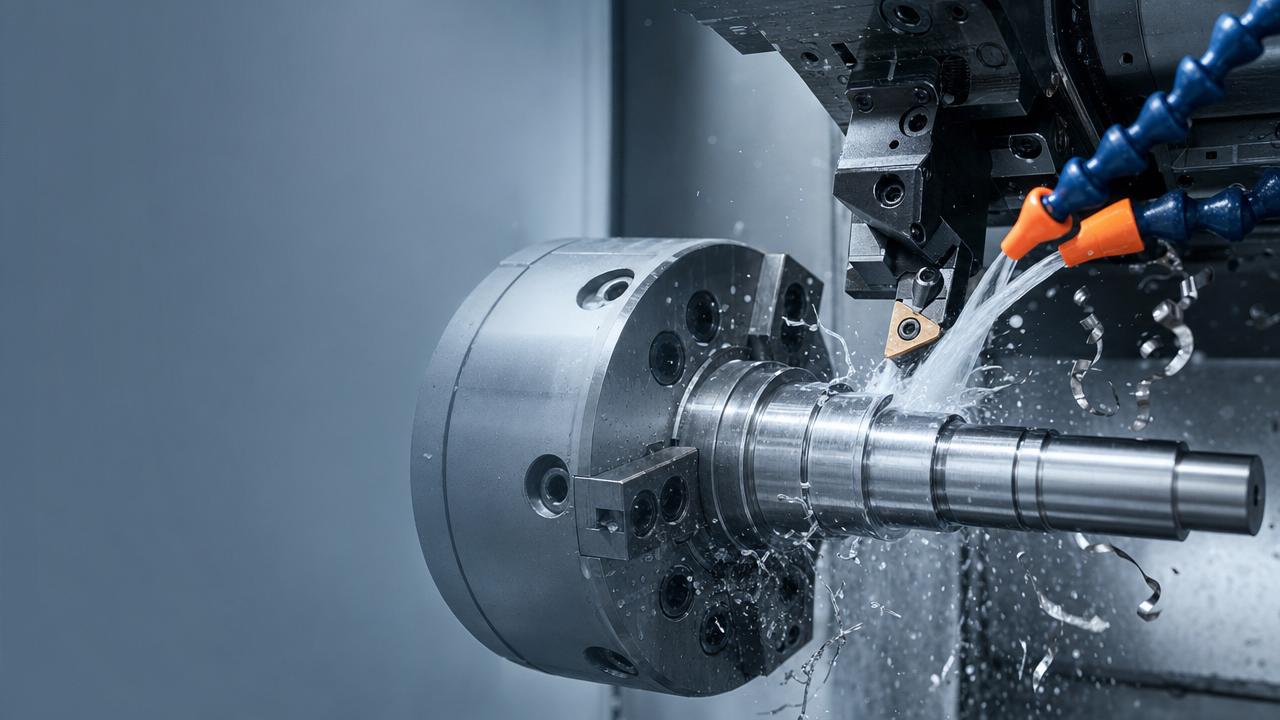
CNC turning equipment matters for a different reason. A large share of industrial components are rotational by nature, and a lot of production economics still depend on how efficiently a factory can hold concentricity, surface finish, and cycle stability on shafts, hubs, connectors, sleeves, and implant-scale parts. In the US market, demand is strongest where lathes are integrated into automated cells or configured for higher-mix precision work rather than pure volume commodity turning.
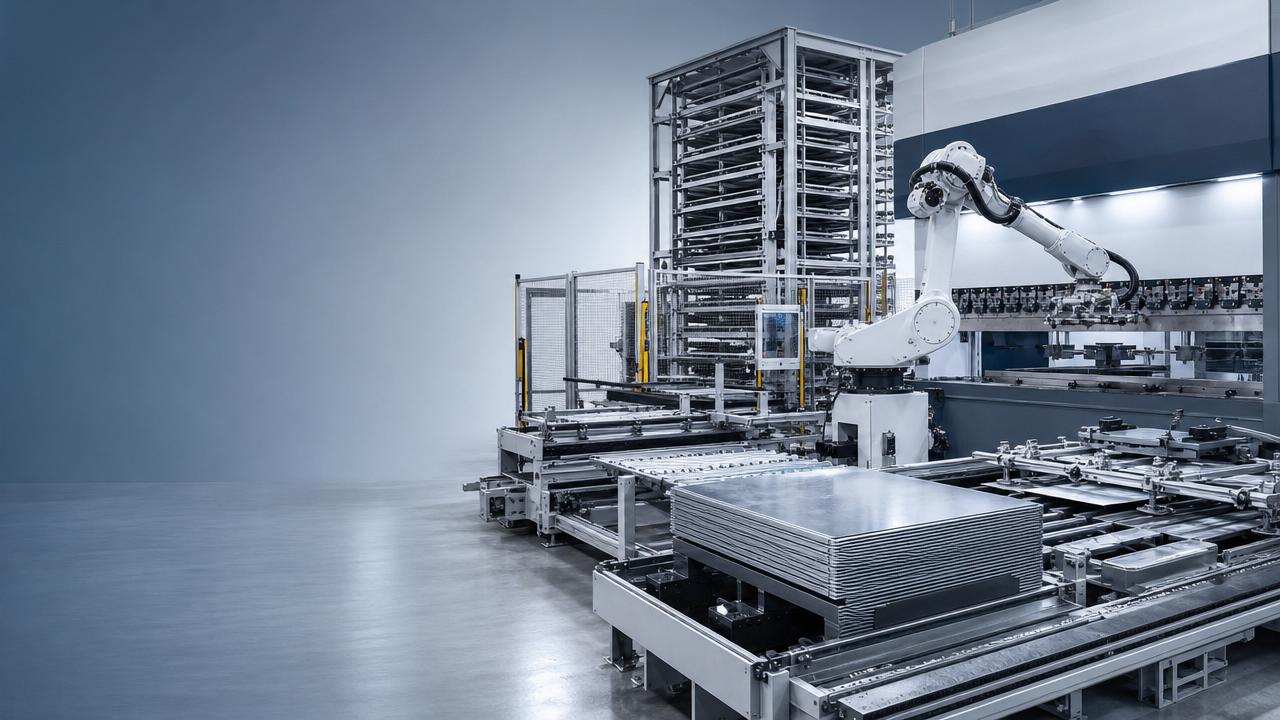
Laser cutting is also evolving beyond the old speed narrative. Fiber laser adoption changed the economics of sheet metal processing, but the more important shift is control over edge quality, material range, automation compatibility, and throughput consistency across different thicknesses. For sectors supplying enclosures, battery structures, electrical cabinets, and precision fabricated assemblies, the laser is no longer a standalone productivity tool. It is part of a digitally linked flow that includes nesting, loading, cutting, sorting, and often bending.
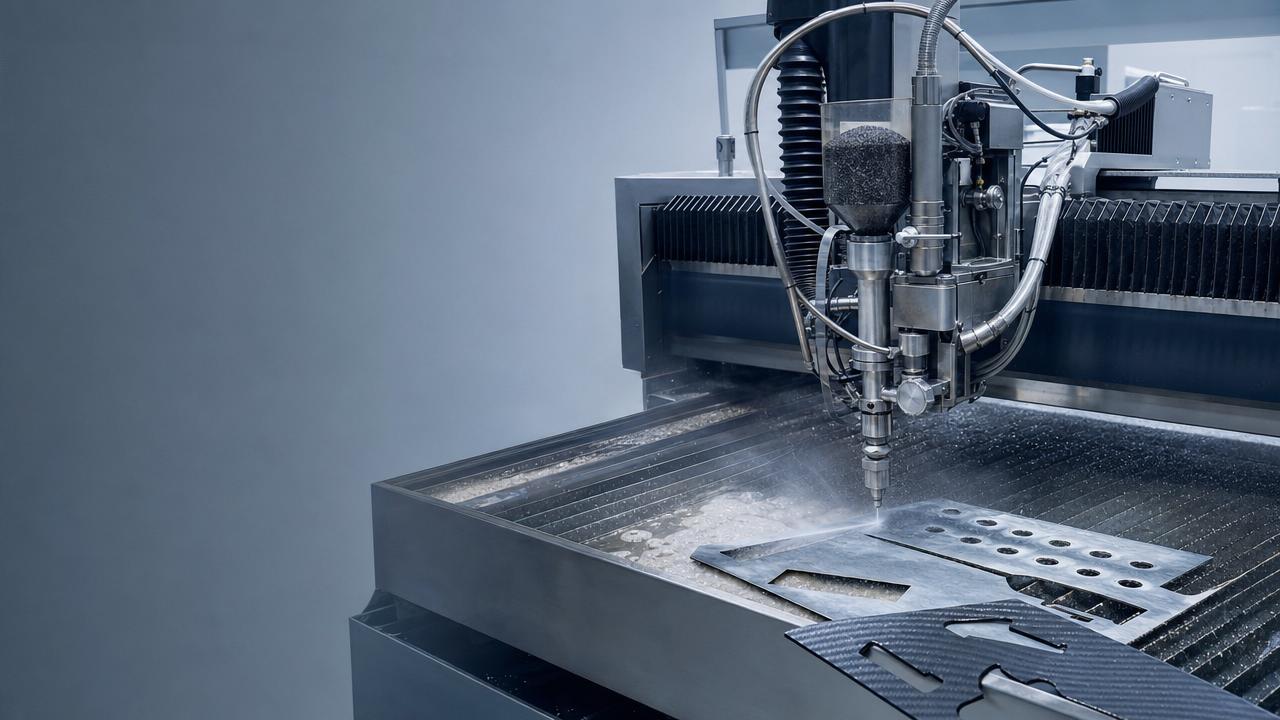
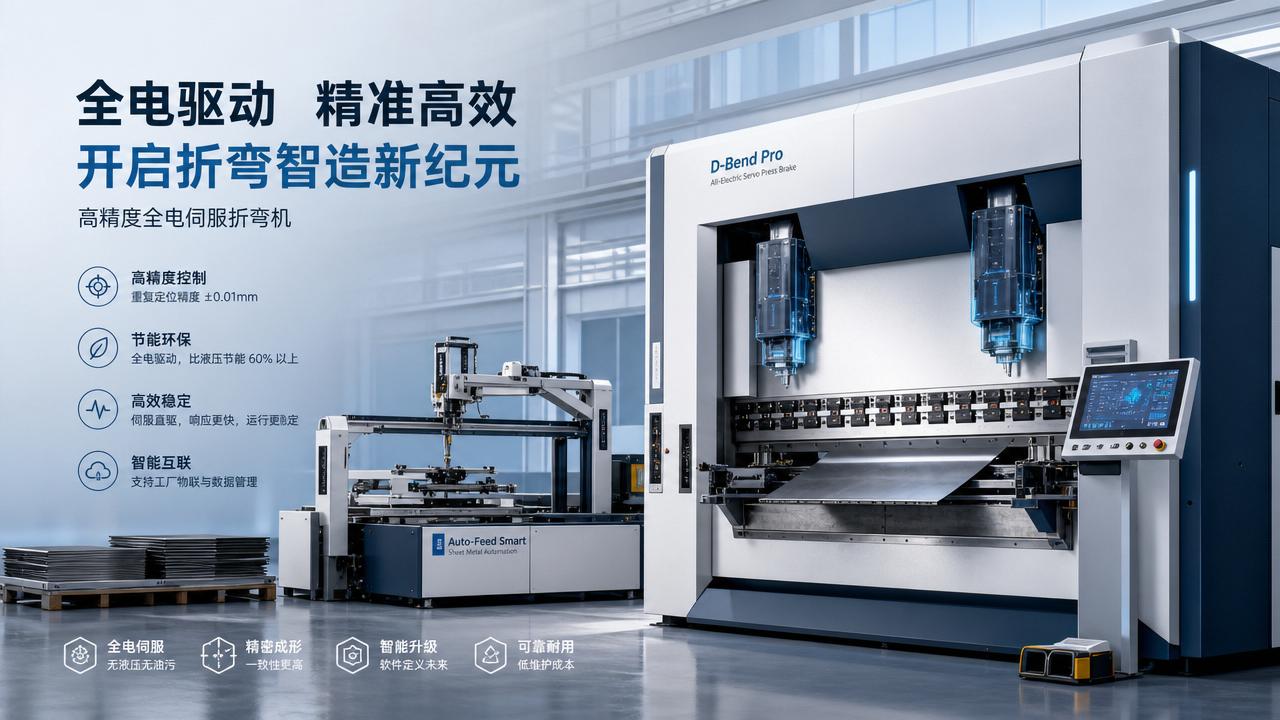
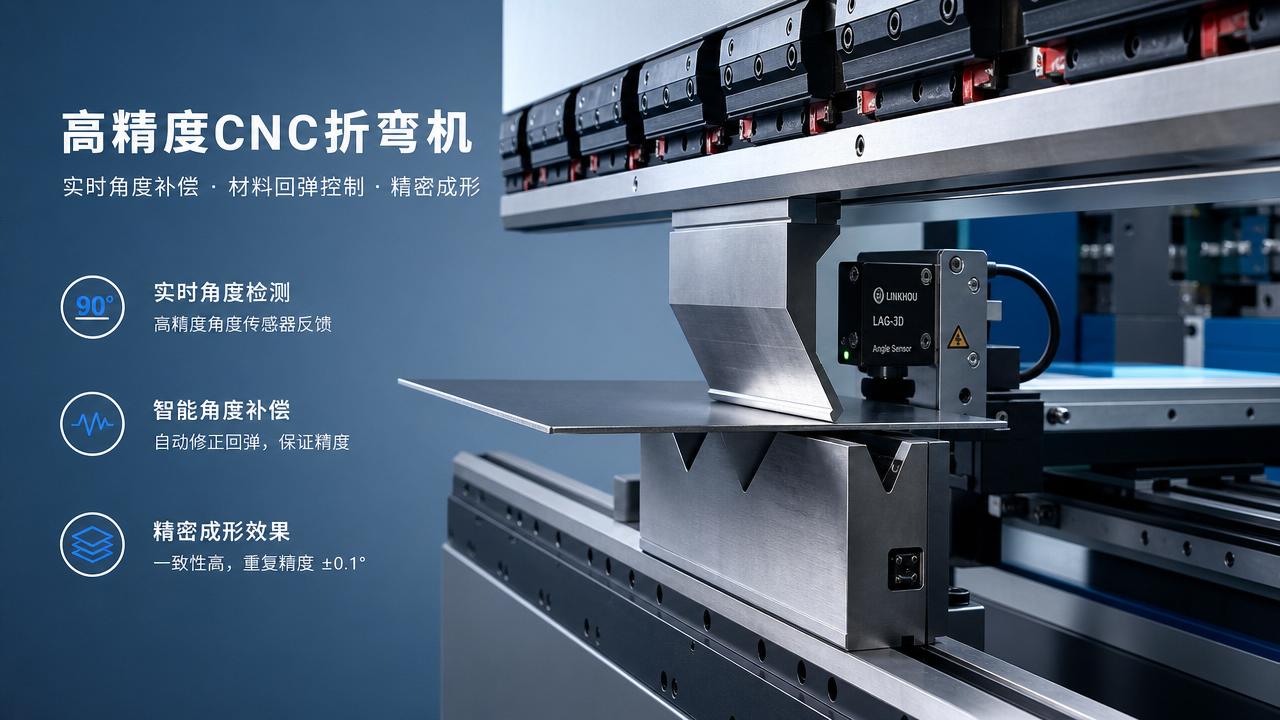
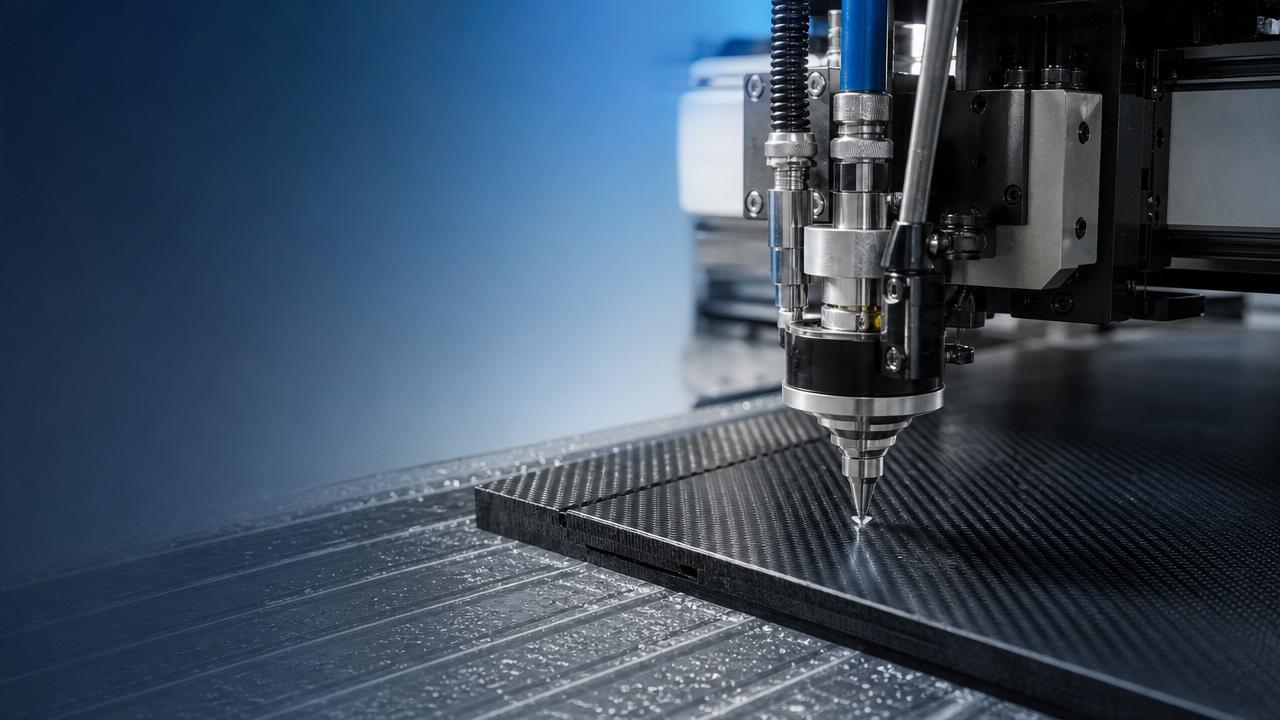
Press brakes and waterjet systems fit the same pattern. The market no longer evaluates them only by tonnage or cutting force. Decision-makers increasingly look at angle consistency, servo control, offline programming, robotic integration, material distortion risk, and the ability to process heat-sensitive or composite materials without secondary problems. That is especially relevant in aerospace and advanced transportation, where titanium, aluminum, high-strength steels, layered composites, and specialty materials all place different constraints on process choice.
What “advanced” really means on the shop floor
One common misunderstanding is to treat advanced manufacturing as a branding upgrade for any modern factory. In reality, the threshold is higher. A plant becomes advanced when process knowledge, machine capability, metrology, software, and production feedback are connected tightly enough that performance improves in a measurable, repeatable way.
That includes several practical markers:
- Complex parts can be produced with fewer setups and lower accumulated error.
- Programs, toolpaths, and machine compensation strategies are managed systematically rather than adjusted ad hoc.
- Inspection is linked to process control, not treated as a separate afterthought.
- Automation reduces instability in loading, handling, and throughput planning.
- Production data informs maintenance, quality decisions, and scheduling.
This is where many investment decisions become more difficult than expected. A company may buy an expensive machine tool and still fail to gain advanced capability if fixturing strategy, tool management, spindle utilization, CAM quality, probing, thermal stability, and operator training are weak. The machine matters, but the production system matters more.
Policy support is shaping direction, but not evenly
Policy has become a meaningful force in the US manufacturing outlook, especially where capital-intensive industries intersect with domestic capacity goals. Support mechanisms tied to infrastructure, semiconductors, clean energy, defense production, and regional industrial development have encouraged new facility planning and equipment spending. Still, it would be a mistake to assume that all manufacturing segments benefit in the same way or on the same timeline.
Some subsectors respond quickly because demand is already visible and margins can support automation. EV-related battery enclosures, lightweight structural components, precision machined aluminum parts, and electrical system hardware fit that profile in many cases. Others face slower adoption because qualification cycles are long, customer approval processes are strict, or upstream supply chain gaps remain unresolved.
Export controls and technology restrictions also affect the landscape, particularly for high-end machine tools, CNC systems, advanced electronics, and sensitive industrial components. For US manufacturers and equipment suppliers, this adds another layer to strategic planning. It is no longer enough to compare machine performance and price. Companies also need to consider sourcing security, service support, software access, replacement component lead times, and compliance exposure across international operations.
Where growth opportunities are becoming clearer
The strongest growth opportunities in advanced manufacturing USA are generally appearing where three conditions overlap: technically demanding parts, pressure for regional supply resilience, and a business case for automation or precision upgrading.
Aerospace remains a core example. Production may fluctuate by program and supplier tier, but the need for high-accuracy machining, difficult-material processing, and stringent traceability is structural, not temporary. The same applies to defense production in categories where secure domestic capacity is part of procurement logic.
The EV and broader electrification chain is another major opportunity, though it should be read carefully. Not every supplier will benefit equally, and not every growth story will hold. But lightweighting, battery system architecture, thermal management hardware, power electronics enclosures, and charging infrastructure all create demand for advanced cutting, forming, and machining processes. High-strength steel and aluminum fabrication capacity, in particular, can become strategically valuable when paired with consistent dimensional control and scalable automation.
Medical manufacturing is quieter in public discussion, yet often stronger in technical discipline. Small, high-precision parts, specialty alloys, demanding surface requirements, and rigorous quality expectations make it a natural fit for advanced machine platforms and process monitoring systems. Semiconductor-related equipment manufacturing also deserves attention, because the tolerance and cleanliness expectations in that ecosystem tend to reward suppliers with very mature process control.
How decision-makers should evaluate the trend
The phrase advanced manufacturing can sound broad enough to justify almost any capital expenditure. That is exactly why disciplined evaluation matters. A serious investment case should test more than output projections.
This framework is especially relevant for companies considering expansion into premium markets. A factory can appear technologically modern while still operating with fragile process knowledge. Buyers in aerospace, EV, precision fabrication, and mission-critical industrial systems usually notice that gap very quickly.
The direction is clear, even if the pace varies
Advanced manufacturing USA is moving toward higher precision, denser automation, stronger domestic capability in strategic sectors, and much tighter integration between machines, software, and production intelligence. The winning positions are unlikely to come from scale alone. They will come from knowing where extreme accuracy is commercially valuable, where policy support aligns with real industrial demand, and where process capability can be turned into a defensible market position.
For executives, the practical takeaway is straightforward. Do not read advanced manufacturing as a generic modernization slogan. Read it as a question: which capabilities allow your operation to produce harder parts, qualify for stricter supply chains, and maintain output under labor, quality, and geopolitical pressure? The companies that answer that question well are the ones most likely to capture the next phase of growth.
Product Recommendations
 Abrasive Delivery SystemsIndustrial Waterjet Cutters: Abrasive Costs That Erode MarginsAnalyst :5-Axis Machining Scientist
 All-Electric Press BrakesAll-Electric Servo Drives: Energy Savings vs Upgrade CostAnalyst :Precision Turning Architect
 All-Electric Press BrakesReal-Time Angle Compensation: What It Fixes and What It Doesn'tAnalyst :Precision Turning Architect
 Latest Sector NewsHigh-Strength Steel Machining: Tool Life Myths to AvoidAnalyst :Dr. Alistair Vaughn
 3D 5-Axis LaserComposite Material Cutting Without Delamination: Key MethodsAnalyst :
 Robotic Bending CellsAutomated Sheet Metal Forming: Hidden Setup Costs ComparedAnalyst :Precision Turning Architect