What Is the Advanced Manufacturing Industrial Base? Capabilities and Supply Risks
The advanced manufacturing industrial base is the network of manufacturers, suppliers, skilled workers, and technical institutions that turns complex designs into reliable products.
Behind aerospace engines, electric vehicles, and precision medical components, this network combines production equipment with tooling, materials, software, inspection, and specialized process knowledge.
Its strength depends on repeatable production at the required quality, volume, and delivery time. Owning advanced machines alone does not establish that capability.
For researchers, the central question is whether this network can sustain production when critical components, qualified suppliers, technical expertise, or international trade conditions change.
What Does the Advanced Manufacturing Industrial Base Include?
The term describes an interconnected production ecosystem rather than a single industry classification. Its boundaries vary across economic research, industrial policy, and procurement analysis.
At its center are manufacturers that transform materials into components and assemblies through precision machining, forming, joining, additive manufacturing, and other controlled processes.
Supporting them are machine builders, cutting tool manufacturers, automation integrators, materials producers, metrology providers, software developers, maintenance specialists, and technical training organizations across multiple tiers.
Research laboratories and universities also contribute by developing processes, validating materials, and helping manufacturers translate experimental results into stable, economically practical production methods.
The advanced manufacturing industrial base overlaps with the defense industrial base, but extends into civilian aerospace, transportation, medical technology, energy, electronics, and industrial equipment.
A useful distinction separates equipment availability from production readiness. A factory may possess sophisticated machinery while lacking qualified operators, validated programs, or customer approvals.
Consequently, assessments should examine complete production chains. Counting factories or machine installations provides limited insight into the capabilities that customers can actually access.
Which Capabilities Matter Most in Precision Manufacturing?
Capability begins with matching the manufacturing process to part geometry, material behavior, dimensional tolerances, surface requirements, and expected production volume under realistic operating conditions.
Five-axis CNC machining supports complex surfaces and multiple feature orientations in fewer setups. Aerospace applications include impellers, structural components, and certain turbine components.
Simultaneous axis motion requires coordinated controls, suitable programming, stable workholding, and collision management. Thermal behavior and machine calibration influence the accuracy ultimately achieved.
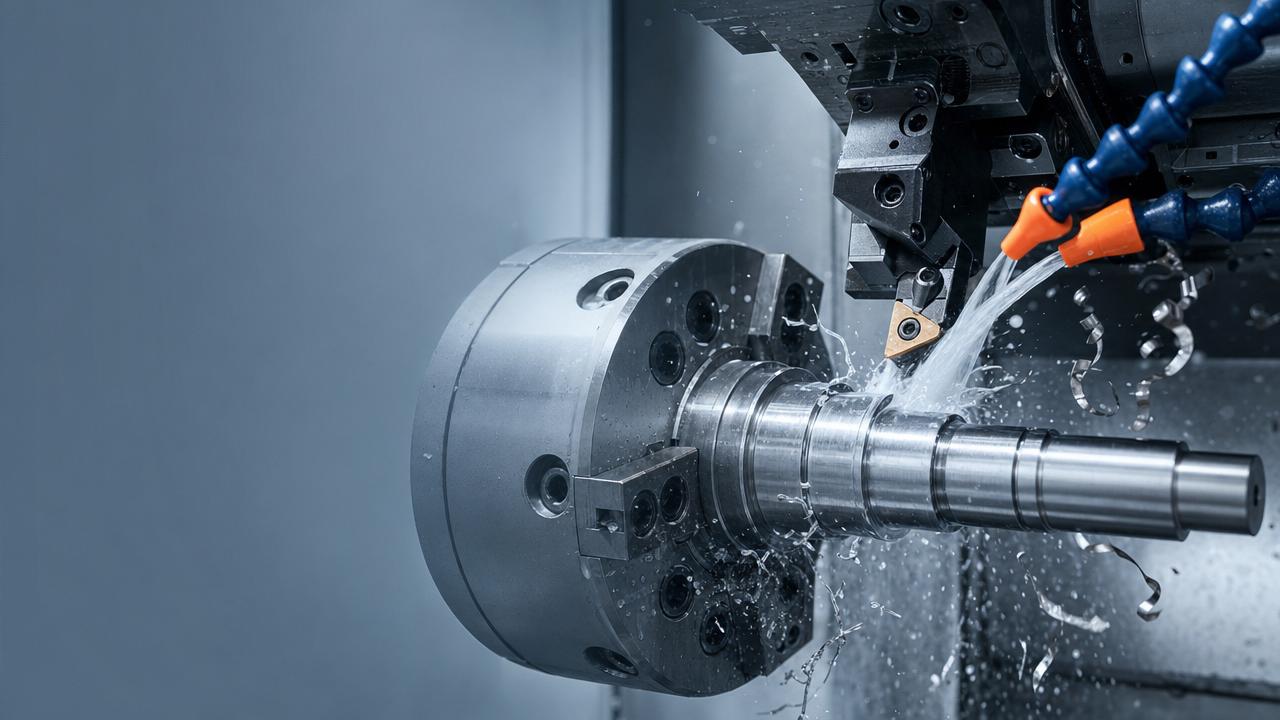
CNC turning produces rotational components such as shafts, bushings, and implant parts. Swiss-type machines are particularly useful for slender components requiring close support.
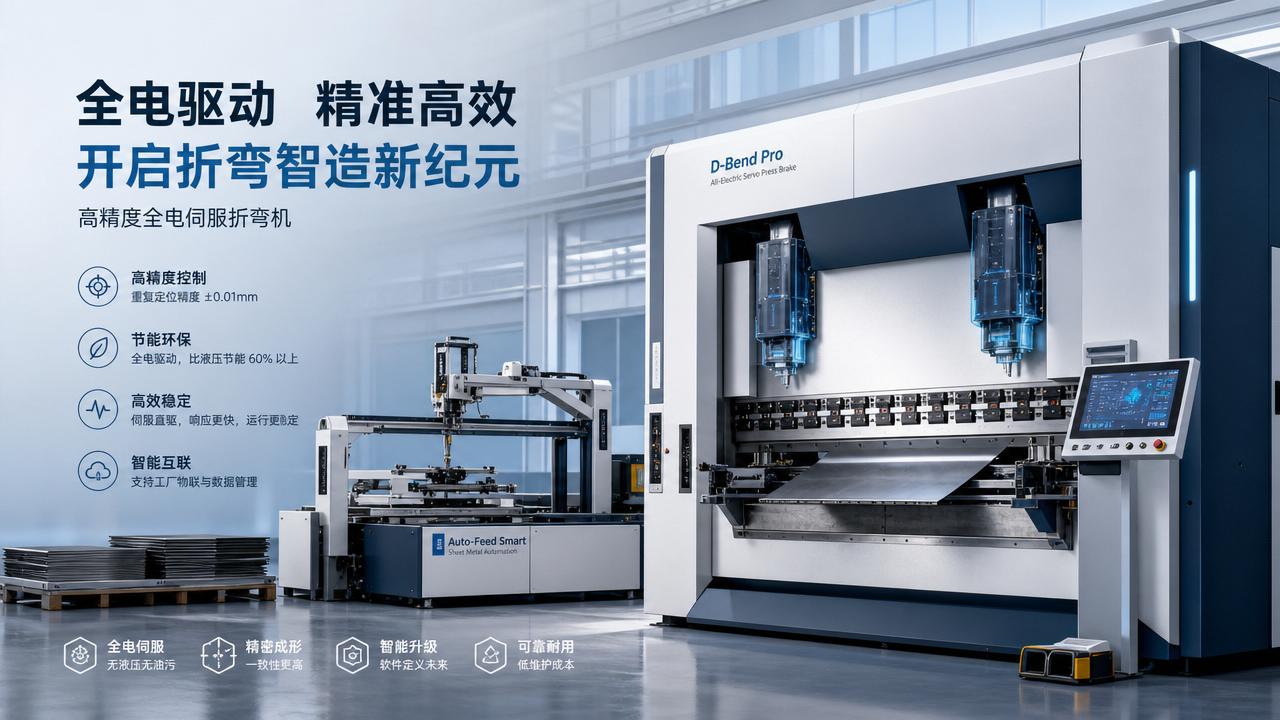
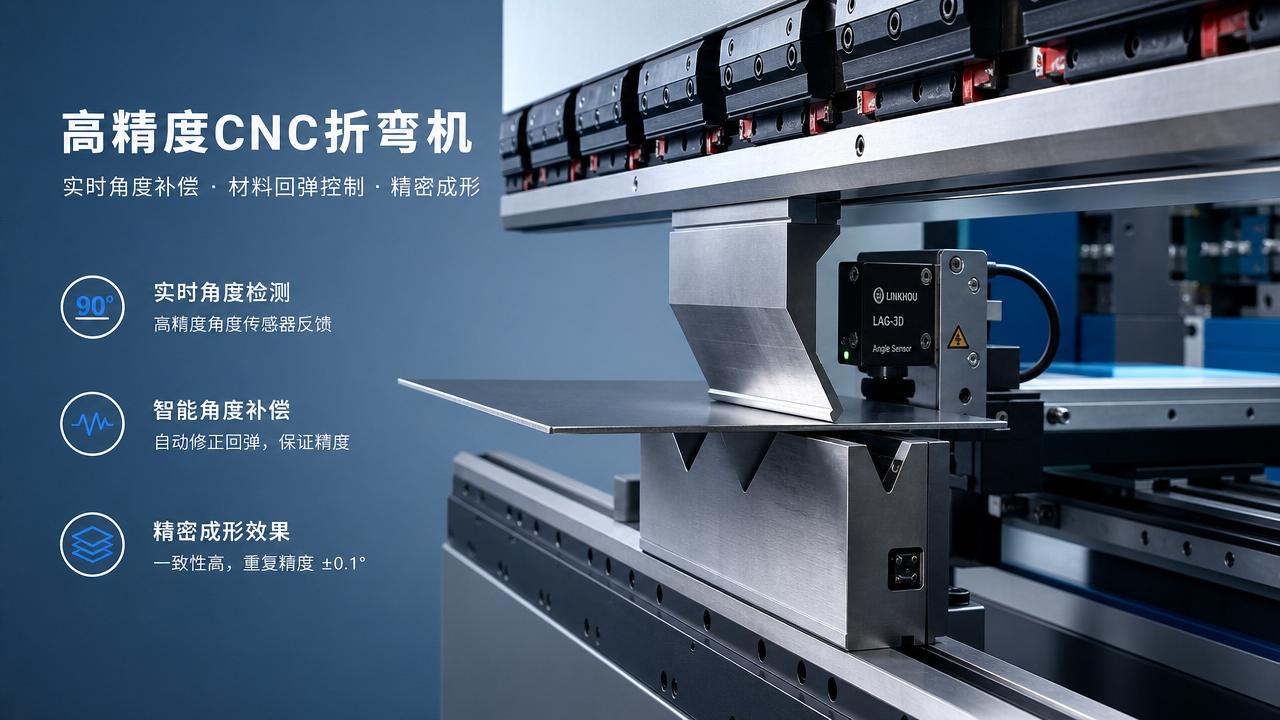
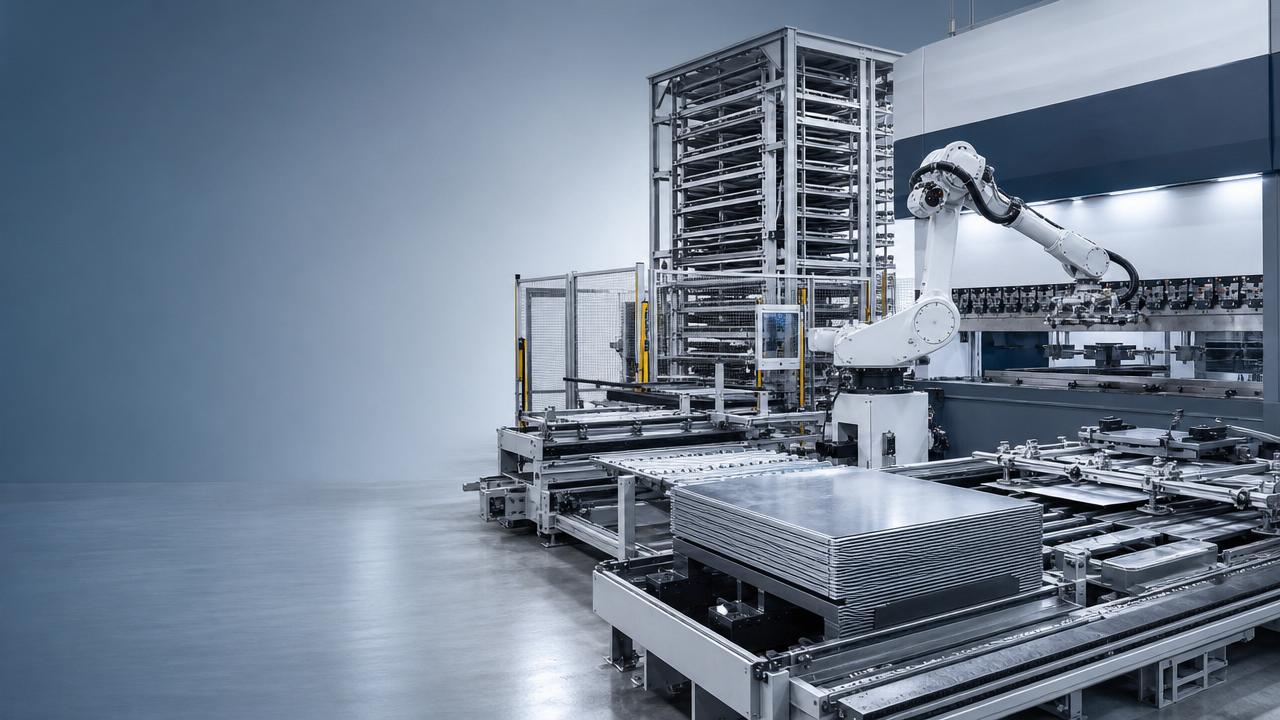
Laser cutting provides productive sheet processing, while CNC press brakes form cut blanks into enclosures, brackets, and structural shapes with controlled bend angles.
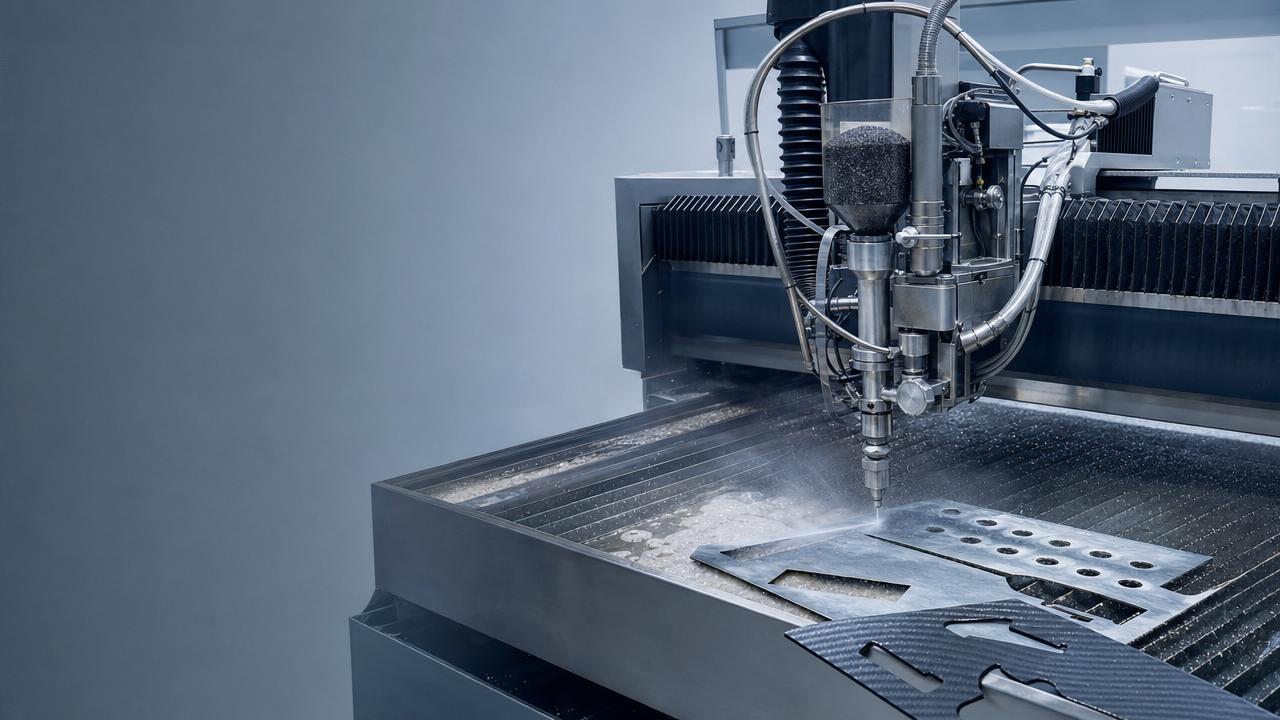
Abrasive waterjet cutting avoids a conventional thermal heat-affected zone. However, taper, edge quality, abrasive contamination, and possible composite damage still require application-specific evaluation.
No process guarantees micron-level accuracy across every material and geometry. Researchers should seek demonstrated results for representative parts, including inspection conditions and production quantities.
Why Do Controls, Tooling, and Metrology Determine Real Capacity?
A machine tool depends on subsystems whose availability and performance can determine whether the entire asset remains productive throughout its expected service life.
These include CNC controls, servo drives, encoders, linear scales, spindle bearings, ball screws, guideways, power electronics, and specialized cooling or lubrication equipment and infrastructure.
For five-axis machining, tool center point control helps coordinate motion around the programmed cutting point. Effective implementation also depends on kinematic calibration and postprocessors.
Cutting tools, holders, fixtures, and coolant strategies complete the machining system. An unavailable insert grade or proprietary holder can interrupt an otherwise capable line.
Metrology establishes whether output meets requirements. Coordinate measuring machines, calibrated gauges, surface measurement, and suitable inspection programs connect manufacturing claims with measurable evidence.
Measurement uncertainty must be appropriate for the tolerance being assessed. A precise-looking inspection report provides little assurance when the measurement method cannot resolve relevant variation.
Production software creates additional dependencies through licenses, file compatibility, postprocessor support, and machine connectivity. Backup arrangements should preserve usable programs, parameters, and configuration records.
Where Are Supply Disruptions Most Likely to Start?
The most consequential risks often occur below the visible machine builder, where specialized suppliers provide components that few alternative manufacturers can replace quickly.
A spindle failure illustrates the problem: replacement may require scarce bearings, precision balancing, rebuilding expertise, installation, and verification before the machine returns to service.
Supplier concentration also creates correlated exposure. Several competing equipment brands may depend on the same control platform, semiconductor supplier, casting source, or precision bearing manufacturer.
Materials introduce another layer of dependence. Aerospace alloys, certified forgings, specialty steels, and qualified composite feedstocks may have narrower supply options than standard commercial stock.
Electrical equipment, cooling systems, industrial gases, and reliable power can constrain production even when machining capacity is available. Infrastructure belongs inside the assessment boundary.
Financial weakness matters too. A small specialist supplier may hold essential process knowledge while lacking the cash or staffing needed to recover from disruption.
Risk therefore depends on both disruption likelihood and recovery time. A low-cost component can become strategically critical when its absence stops high-value production.
How Do Export Controls and Geographic Exposure Affect Access?
Export restrictions can affect machine tools, controls, software, technical information, and related services. Applicability depends on current rules, technical specifications, destination, end user, and use.
Researchers should distinguish a licensing requirement from a prohibition. Neither eligibility nor approval should be inferred solely from a product description or country name.
A transaction may involve obligations across multiple jurisdictions because equipment incorporates foreign-origin components or technology. The relevant rules require transaction-specific review by qualified specialists.
Practical exposure extends beyond initial delivery. Restricted access to updates, replacement parts, remote diagnostics, or technical assistance can affect equipment already installed at a facility.
Geographic concentration creates separate risks through shipping disruption, energy shortages, natural disasters, and regional instability. These exposures can persist even where trade remains legally permitted.
Domestic sourcing does not automatically eliminate external dependence. A locally assembled machine may still rely on imported controls, precision motion components, or specialized production equipment.
A useful assessment maps the countries and facilities behind critical functions, then identifies where legal restrictions or physical disruption could prevent maintenance and replenishment.
Why Can Qualified Capacity Be Harder to Replace Than Machinery?
Manufacturing knowledge often resides in experienced programmers, machinists, toolmakers, maintenance engineers, and quality specialists who understand how a specific process behaves over time.
Workforce shortages become especially consequential when production depends on a few individuals. Documented procedures help, but cannot immediately replace troubleshooting judgment developed through experience.
Customer qualification creates another barrier to substitution. Aerospace and medical applications may require documented process validation, material traceability, and approval of significant manufacturing changes.
Moving a part to another supplier can involve new fixtures, programming, trial production, inspection studies, and customer review before acceptable output becomes available.
Nominal spare capacity is therefore an unreliable substitute for qualified capacity. A machine with available hours may lack the envelope, process stability, or approvals required.
Demand changes can expose these differences. Electric vehicle programs may need high-volume aluminum machining and forming, while aerospace programs require specialized alloys and traceable processes.
Flexible automation helps when part families and workflows suit it. Robotic loading cannot compensate for unstable machining, unpredictable chip accumulation, or an unreliable inspection strategy.
How Can Researchers Assess Whether an Industrial Base Is Resilient?
Start with a defined product or component family. Specify materials, geometry, tolerances, annual demand, delivery requirements, and any customer or regulatory qualification obligations.
Next, map the production route from material supply through machining, finishing, inspection, and delivery. Include outsourced heat treatment, coatings, and other specialized processes.
For each essential step, record qualified suppliers, actual throughput, utilization, lead times, critical dependencies, and the time required to establish an acceptable alternative.
Separate installed capacity, available capacity, and qualified capacity. These measures answer different questions and should never be treated as interchangeable indicators of supply strength.
Evidence should include representative inspection results, delivery performance, maintenance records, qualification status, and demonstrated process stability. Marketing specifications alone cannot establish reliable production capability.
Stress-test plausible disruptions, such as losing a control supplier, a heat-treatment provider, or a key programmer. Estimate delivery effects and realistic recovery milestones.
The strongest findings identify specific bottlenecks and supporting evidence. Broad claims that a region has advanced technology say little about its ability to sustain output.
Which Actions Most Effectively Reduce Supply Risk?
Prioritize dependencies with long recovery periods and limited substitutes. This directs attention toward constraints that could stop production rather than merely increase purchasing costs.
Qualify alternative suppliers before disruption occurs, particularly for critical materials and special processes. Confirm whether alternatives share upstream sources that could fail at the same time.
Use targeted spare-parts inventories where downtime consequences justify carrying costs. Stock decisions should consider failure history, replenishment time, shelf life, and component obsolescence.
Strengthen maintenance and service arrangements around critical machines. Access to diagnostics, competent technicians, calibration services, and repair documentation often matters as much as replacement inventory.
Reduce knowledge concentration through cross-training, controlled documentation, and succession planning. Preserve validated programs, setup instructions, inspection methods, and the reasoning behind sensitive process parameters.
Evaluate automation against the actual bottleneck. A loading robot may improve utilization, while additional inspection capacity or more reliable tooling could deliver greater practical benefit.
Track whether these actions shorten recovery time and improve dependable output. Resilience investments should produce measurable operational improvements rather than simply add suppliers or equipment.
What Ultimately Defines a Strong Advanced Manufacturing Industrial Base?
A strong advanced manufacturing industrial base combines capable equipment with accessible components, skilled people, qualified processes, dependable materials, and credible routes to recovery after disruption.
For information researchers, the most revealing question is whether a production network can repeatedly deliver the required parts and maintain that performance under stress.
Assess demonstrated capability, hidden dependencies, and substitution time together. This provides a firmer basis for judging industrial strength than machine counts or technology labels alone.