Machine tool industry analysis now starts with volatility, not volume
Machine tool industry analysis has become less about headline production numbers and more about interpreting unstable signals beneath them.
Order books still move, but they move unevenly across aerospace, NEV platforms, medical parts, electronics, and heavy fabrication.
That shift matters because equipment decisions now carry a longer financial shadow.
A wrong specification affects lead time, tooling strategy, energy use, programming complexity, and downstream capacity for years.
The clearer signal is not simple expansion.
It is selective investment in precision, automation, and process stability, especially where tolerance windows are tightening.
This is why machine tool industry analysis increasingly overlaps with supply chain intelligence.
AMTS follows that intersection closely, especially in 5-axis CNC machining, laser cutting, CNC turning, press braking, and waterjet applications.
Across those categories, recent demand is being shaped by one central question: which machines can deliver precision under uncertain cost and supply conditions?
Why demand is becoming more selective
The demand side is not weakening in a uniform way.
It is separating into high-value pockets where technical capability matters more than nominal machine count.
In aerospace, complex blade profiles, structural titanium parts, and composite assemblies keep supporting multi-axis machining and cold-cutting demand.
In NEV production, lightweighting continues to push aluminum machining, battery enclosure fabrication, and precision sheet processing.
Medical and electronics applications add another layer.
There, smaller batch sizes and higher accuracy requirements reward machines with repeatability, thermal stability, and software maturity.
This changes the practical meaning of machine tool industry analysis.
Buy-side evaluation now needs to read application migration, not just market totals.
- 5-axis machining gains ground where one-setup accuracy reduces rework on complex geometries.
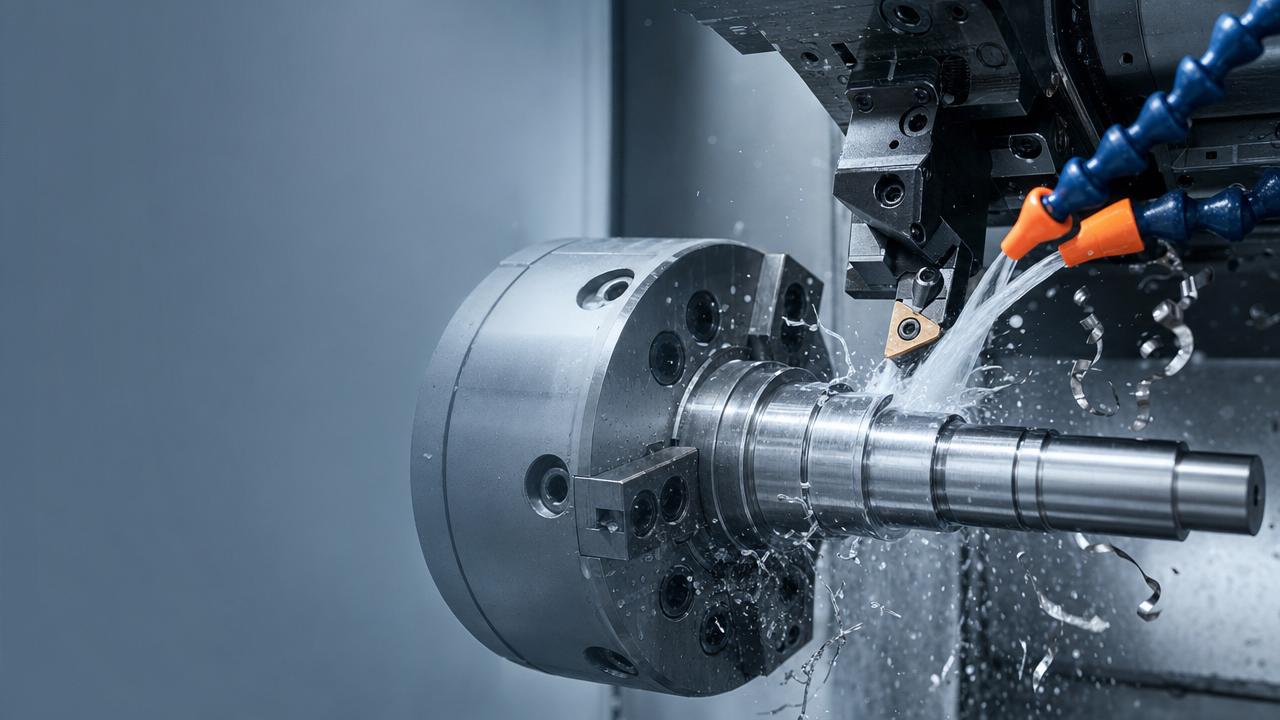
- CNC lathes remain resilient in shaft, implant, connector, and high-mix cylindrical components.
- Fiber laser systems benefit from faster sheet throughput and cleaner integration with automated cells.
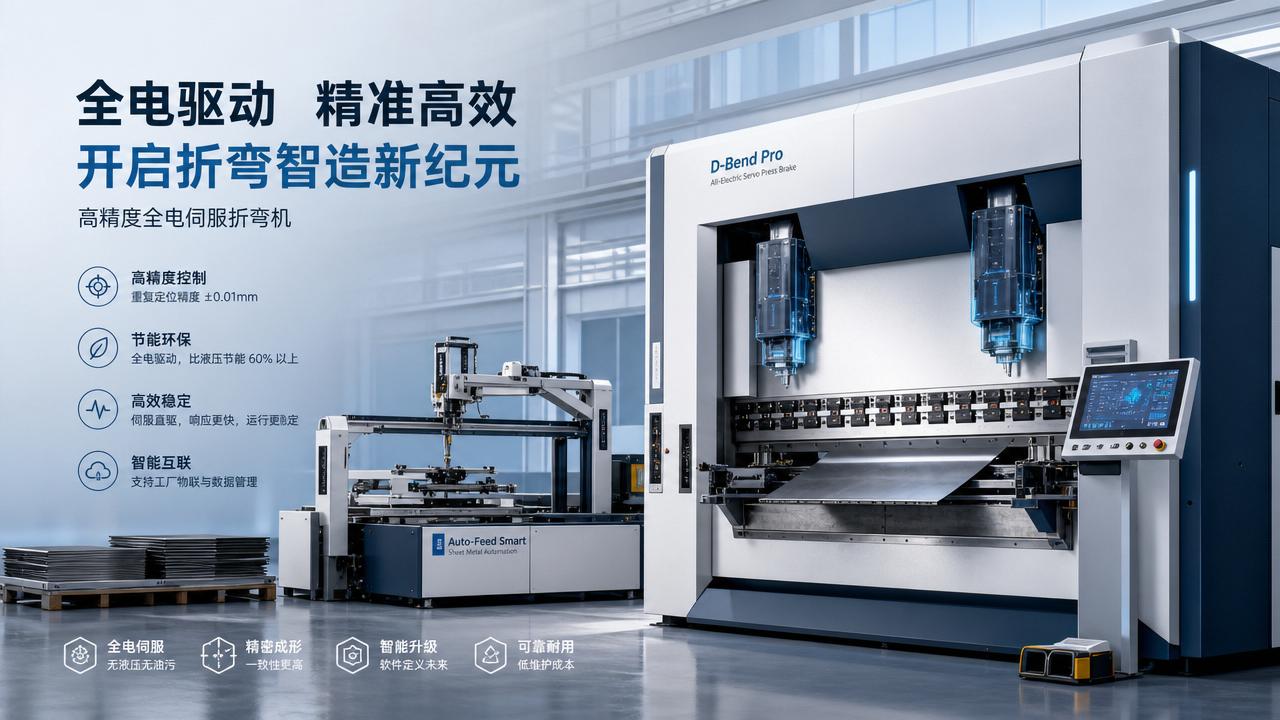
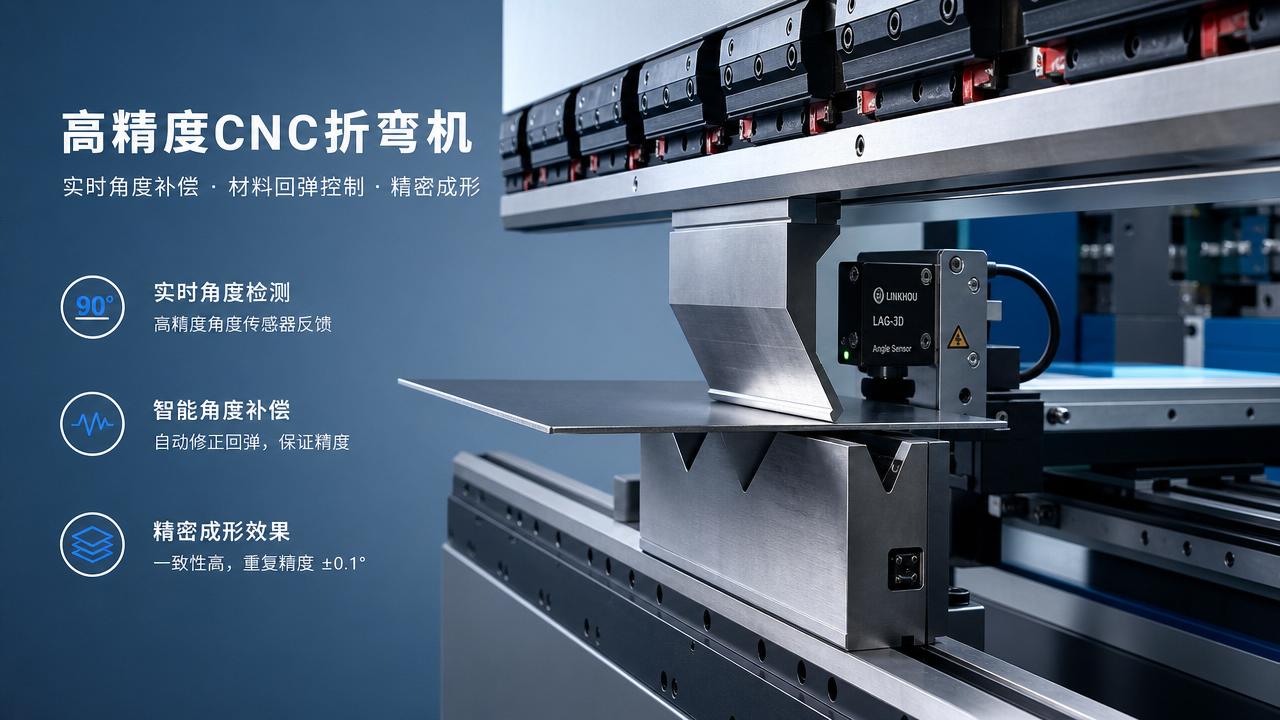
- Servo press brakes gain attention where forming consistency matters more than nominal tonnage.
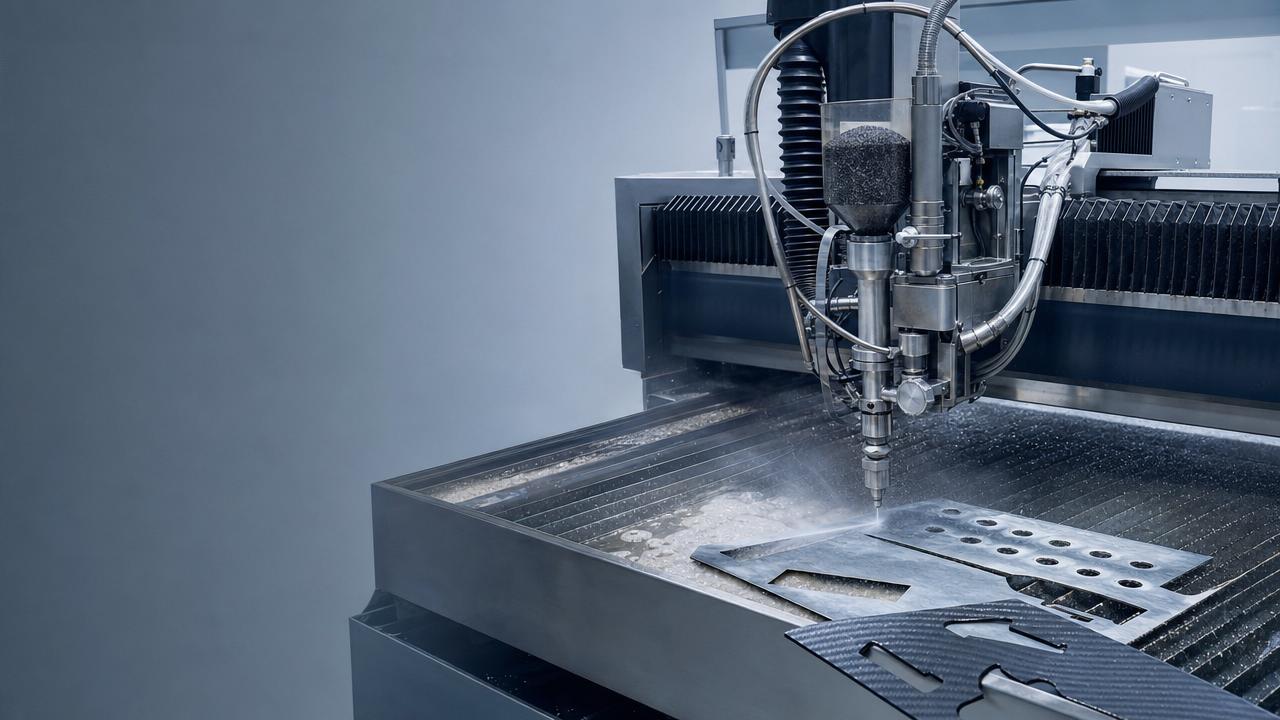
- Waterjet keeps a strategic role in heat-sensitive materials that cannot tolerate HAZ.
The important point is that demand has become more application-aware.
That makes machine tool industry analysis far more useful when tied to part complexity, material mix, and automation readiness.
Cost pressure is shifting from base price to lifetime economics
A lower machine quote no longer guarantees lower total cost.
That sounds obvious, but recent market behavior makes it more urgent than before.
Spindles, CNC systems, linear guides, servo packages, laser sources, abrasives, and industrial controls have all seen periodic pricing pressure.
At the same time, labor scarcity raises the value of machines that shorten setup and simplify programming.
Energy costs also matter more in laser cutting, compressed air usage, coolant management, and unattended running.
From recent machine tool industry analysis, three cost layers deserve equal attention.
This is where machine tool industry analysis becomes practical rather than theoretical.
The right comparison is no longer machine versus machine.
It is process capability versus lifetime exposure.
Supply risk is no longer limited to delivery delays
Lead time remains important, but the bigger risk often sits inside the bill of materials.
Controllers, linear scales, bearings, high-end servo drives, and laser source modules still face periodic constraint.
Export controls and regional compliance rules add another layer of uncertainty for premium systems.
That matters most in advanced equipment categories tracked by AMTS.
A 5-axis machining center may ship on time, yet still face software option delays or approved component substitutions.
A laser system may arrive, but commissioning can slow if auxiliary components lag.
In other words, machine tool industry analysis now needs to include supply architecture.
Where the weak points often appear
- Closed CNC ecosystems with limited alternative support channels.
- Imported metrology components tied to long replacement cycles.
- Automation interfaces that require specific software versions.
- Consumables with unstable regional pricing or single-source logistics.
These issues do not always stop a purchase.
They often reshape the acceptable machine configuration, the service contract, and the spare parts strategy.
Technology shifts are changing what “good enough” looks like
Another reason machine tool industry analysis matters is that the performance baseline is rising.
Machines once considered advanced are now judged by different criteria.
In 5-axis systems, buyers increasingly watch RTCP performance, thermal compensation, collision avoidance, and stable post-processing support.
For CNC lathes, unattended reliability, sub-spindle coordination, and fine surface repeatability are receiving closer scrutiny.
In laser cutting, the conversation has moved beyond wattage.
Piercing speed, thick-plate edge quality, gas efficiency, and melt pool stability now drive differentiation.
Press brakes are also changing.
All-electric servo drives and real-time angle compensation are making consistency easier to defend across variable materials.
Waterjet remains highly relevant where composite integrity matters more than cycle speed.
This broader view helps explain why machine tool industry analysis cannot stop at capacity metrics.
Capability drift inside the same machine category is now too large.
The impact reaches quoting, scheduling, and quality control
A common mistake is to treat equipment trends as a capital expenditure issue only.
In practice, the effects move quickly into commercial and operational decisions.
If machine availability changes, quoting assumptions change.
If axis accuracy drifts or software support weakens, inspection loads increase.
If spare part continuity looks uncertain, production buffers get larger.
That is why strong machine tool industry analysis supports more than sourcing.
It helps protect margin assumptions in high-precision manufacturing environments.
Signals worth watching over the next planning cycle
- Whether aerospace backlog converts into sustained multi-axis machine utilization.
- Whether NEV investment shifts from expansion to process optimization and retooling.
- Whether premium controller and metrology supply becomes more regionalized.
- Whether automation-ready machines hold value better than standalone platforms.
- Whether energy and consumable costs alter preferred cutting and forming methods.
A more useful response is to build decision depth early
The best response to current conditions is not to freeze investment.
It is to improve the quality of comparison before committing.
Machine tool industry analysis is most valuable when paired with a narrow set of operating questions.
- Which parts require true precision capability, and which only require stable throughput?
- Which machine options are essential for accuracy, not just attractive in demonstrations?
- Which components create the highest continuity risk during the first three years?
- Which processes are likely to migrate toward automation or unattended shifts?
- Which material trends may change the preferred cutting, turning, or forming route?
AMTS is positioned around exactly these questions.
Its coverage of industrial mother machines connects technical detail with commercial reality.
That includes export policy shifts, CNC ecosystem dynamics, laser process evolution, and the growing role of robotic integration.
For anyone using machine tool industry analysis to guide decisions, that blend of engineering and market context is becoming indispensable.
The next step is straightforward: review demand by part family, compare lifetime process costs, verify component exposure, and track which technologies genuinely reduce production uncertainty.
In this cycle, better judgment will likely create more value than faster ordering.
- 5-axis CNC machining
- industrial mother machines
- CNC lathes
- all-electric servo drives
- real-time angle compensation
- CNC turning
- machine tool industry
- multi-axis machining
- precision manufacturing
- 5-axis machining
- laser cutting
- CNC systems
- linear scales
- 5-axis machining center
- machine tool industry analysis
Product Recommendations
 Abrasive Delivery SystemsIndustrial Waterjet Cutters: Abrasive Costs That Erode MarginsAnalyst :5-Axis Machining Scientist
 All-Electric Press BrakesAll-Electric Servo Drives: Energy Savings vs Upgrade CostAnalyst :Precision Turning Architect
 All-Electric Press BrakesReal-Time Angle Compensation: What It Fixes and What It Doesn'tAnalyst :Precision Turning Architect
 Latest Sector NewsHigh-Strength Steel Machining: Tool Life Myths to AvoidAnalyst :Dr. Alistair Vaughn
 3D 5-Axis LaserComposite Material Cutting Without Delamination: Key MethodsAnalyst :
 Robotic Bending CellsAutomated Sheet Metal Forming: Hidden Setup Costs ComparedAnalyst :Precision Turning Architect