How to Choose a Micromachining Supplier for Tight-Tolerance Parts
Choosing the right micromachining supplier can determine whether tight-tolerance parts meet performance goals, delivery targets, and budget limits.
For most sourcing decisions, price is only one part of the picture.
A capable micromachining supplier reduces production risk through process control, stable quality, and strong technical communication.
That matters even more when features are tiny, tolerances are measured in microns, and rework is not practical.
Start with the Part, Not the Quote
Before comparing any micromachining supplier, define what the part must actually do in service.
Tight tolerance alone does not tell the full story.
Critical details usually include surface finish, edge condition, burr limits, concentricity, flatness, and material integrity after machining.
In real procurement work, unclear drawings often create supplier variation more than machine limits do.
A strong micromachining supplier will question ambiguous specifications instead of quoting blindly.
That is usually an early sign of technical maturity.
- Identify function-critical dimensions and separate them from general tolerances.
- Clarify inspection methods for micro features before RFQ release.
- State material condition, coating needs, and cleanliness requirements.
- Define acceptable process capability, not just nominal dimensions.
Check Real Micromachining Capability
Not every precision machine shop is a true micromachining supplier.
Many suppliers can hold tight tolerances on larger parts, yet struggle when feature sizes become extremely small.
The difference often comes down to machine dynamics, tooling strategy, thermal control, and operator experience.
Ask for evidence tied to similar geometries, materials, and tolerance bands.
A qualified micromachining supplier should explain how it controls vibration, tool deflection, spindle runout, and workholding distortion.
This becomes essential for aerospace, medical, electronics, and EV-related precision components.
Questions worth asking
- What is the smallest feature size produced consistently in volume?
- Which machines handle micron-level work, and how old are they?
- How is thermal drift managed during long cycles?
- What tool monitoring or replacement rules are used?
- Can the supplier share Cp or Cpk data from comparable parts?
Material Expertise Is a Decision Factor
A micromachining supplier may perform well in aluminum but struggle with titanium, Inconel, copper alloys, or hardened stainless steel.
Material behavior changes everything at the micro scale.
Burr formation, heat buildup, recast risk, and tool wear become more severe as features get smaller.
That means supplier selection should match material difficulty, not only dimensional claims.
Suppliers serving advanced manufacturing sectors usually have better process libraries for demanding alloys and engineered metals.
When parts support high-speed spindles, battery systems, sensors, or fluid control, material-specific knowledge becomes a practical risk filter.
Review Metrology and Quality Systems Closely
A micromachining supplier is only as reliable as its measurement system.
If a supplier cannot measure tiny features accurately, it cannot control them with confidence.
This is where many quotations look strong on paper but fail under validation.
Look beyond ISO certifications and ask how measurement is performed on your exact feature set.
Optical systems, vision inspection, CMMs, laser scanning, and surface measurement tools each have different limits.
The right micromachining supplier understands gauge selection, measurement uncertainty, and correlation between in-process and final inspection.
Assess Process Stability, Not Just Sample Success
A polished prototype does not guarantee stable production.
The better question is whether a micromachining supplier can repeat the result across shifts, lots, and delivery cycles.
From recent market changes, buyers are paying more attention to repeatability than one-time showcase parts.
This also reflects longer qualification cycles in aerospace, electronics, and new energy applications.
Ask how the supplier handles preventive maintenance, fixture validation, and operator training for micro work.
The most dependable micromachining supplier can explain variation sources clearly and show how they are reduced over time.
Signals of a stable supplier
- Consistent first article approval rates.
- Clear change control for tooling and programs.
- Low scrap and rework on similar precision parts.
- Documented corrective action with closure evidence.
Balance Cost with Total Supply Risk
The lowest quote can become the highest-cost option after delays, scrap, engineering time, and customer complaints.
That is especially true when tight-tolerance parts support high-value assemblies.
A practical sourcing decision weighs unit price against lead time reliability, process yield, communication speed, and recovery capability.
A reliable micromachining supplier usually prices based on actual control requirements, not optimistic assumptions.
When pricing is unusually low, ask what is excluded.
It may be inspection depth, fixture cost, validation effort, or expedited recovery support.
Those hidden gaps often surface after PO release, when switching suppliers becomes expensive.
Use a Simple Supplier Scorecard
To compare options fairly, use a short scorecard with weighted criteria.
This keeps the selection process grounded in evidence rather than presentation quality.
- Capability match: machine platform, micro-feature history, and tolerance performance.
- Material experience: proven work on the same alloy or equivalent family.
- Quality system: metrology, traceability, SPC, and corrective action discipline.
- Delivery confidence: realistic lead time, capacity, and backup planning.
- Commercial fit: quotation clarity, responsiveness, and total landed cost.
This approach also helps justify supplier choice internally.
When a micromachining supplier wins on evidence, approval becomes easier across engineering, quality, and sourcing teams.
Final Decision: Choose Confidence Over Claims
The best micromachining supplier is not the one with the broadest marketing language.
It is the supplier that can prove stable capability on parts like yours.
For tight-tolerance work, confidence comes from verified process control, strong metrology, material know-how, and honest communication.
That is the basis of lower risk and better long-term supply performance.
A careful evaluation now can prevent delays, quality escapes, and costly supplier changes later.
When choosing a micromachining supplier, focus on measurable proof, repeatable output, and the ability to support future production without surprises.
Product Recommendations
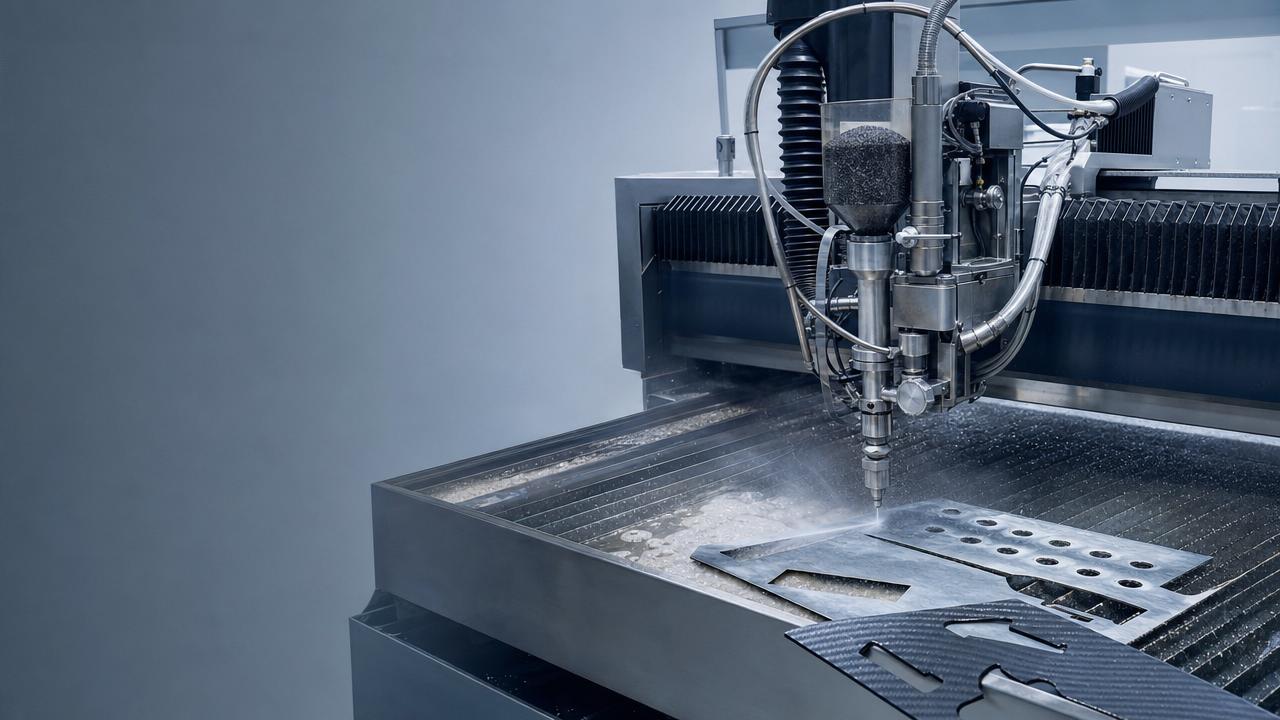
 Abrasive Delivery SystemsIndustrial Waterjet Cutters: Abrasive Costs That Erode MarginsAnalyst :5-Axis Machining Scientist
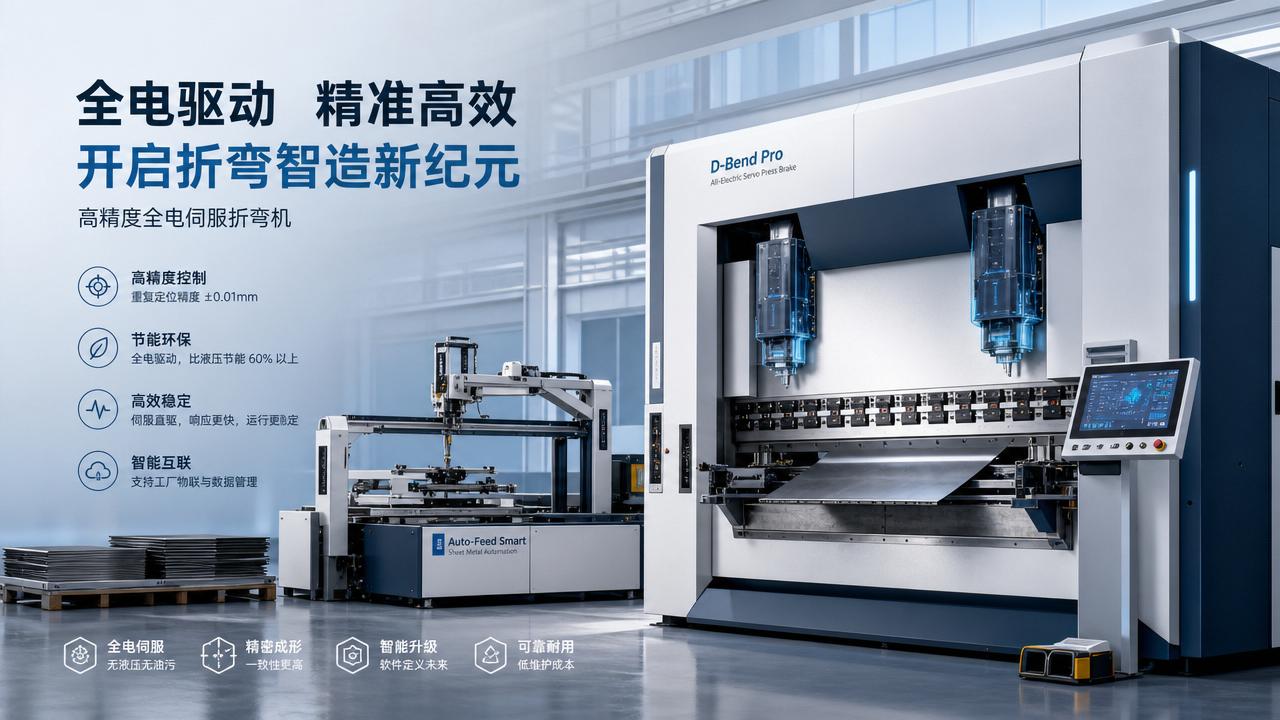
 All-Electric Press BrakesAll-Electric Servo Drives: Energy Savings vs Upgrade CostAnalyst :Precision Turning Architect
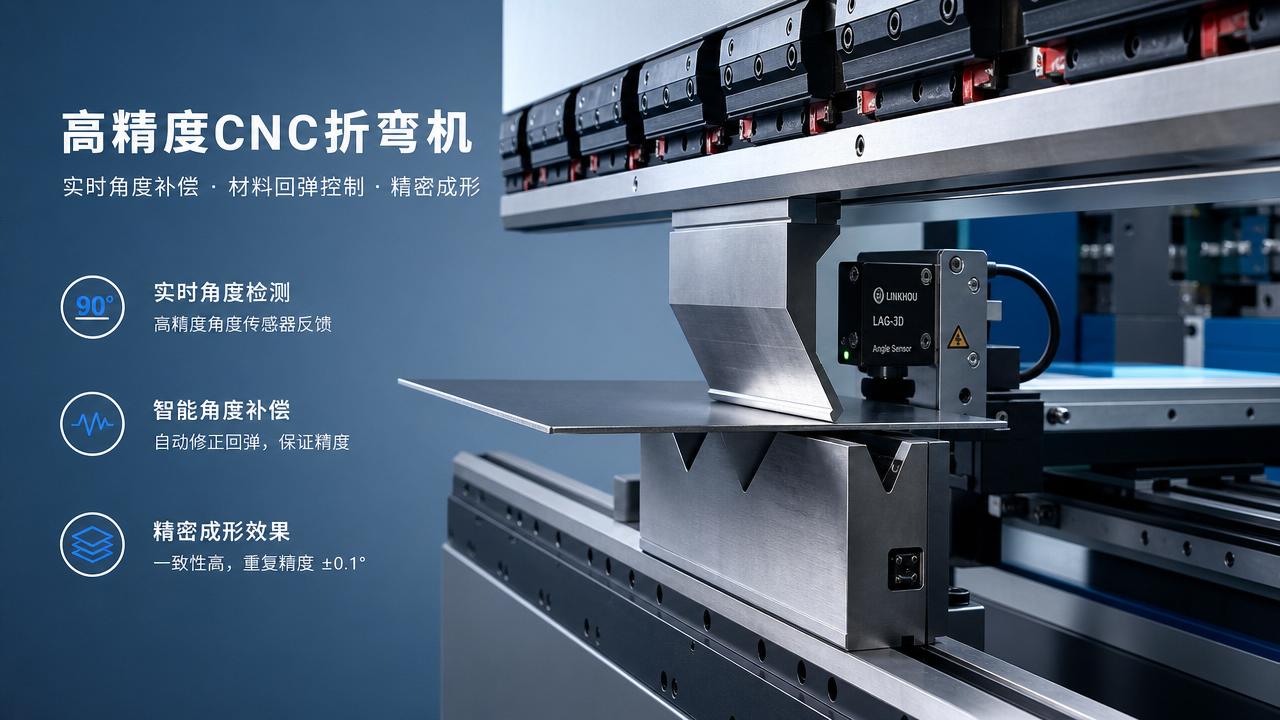
 All-Electric Press BrakesReal-Time Angle Compensation: What It Fixes and What It Doesn'tAnalyst :Precision Turning Architect
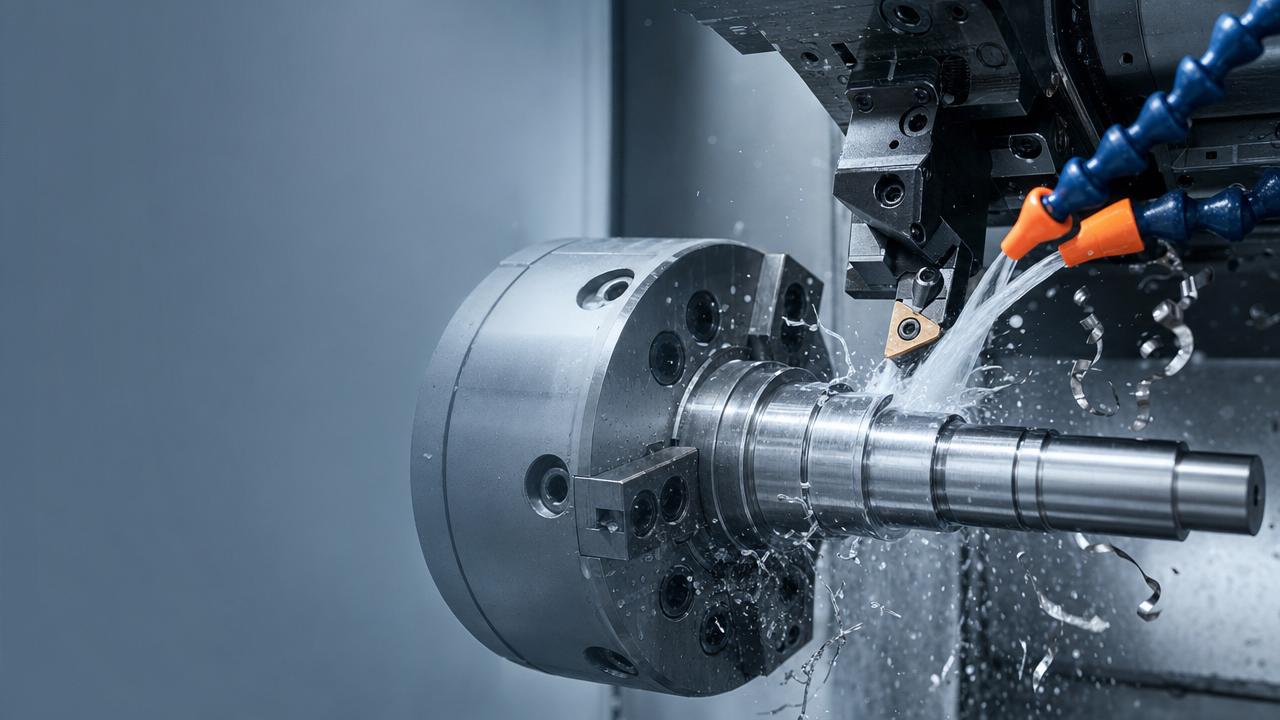
 Latest Sector NewsHigh-Strength Steel Machining: Tool Life Myths to AvoidAnalyst :Dr. Alistair Vaughn
 3D 5-Axis LaserComposite Material Cutting Without Delamination: Key MethodsAnalyst :
 Robotic Bending CellsAutomated Sheet Metal Forming: Hidden Setup Costs ComparedAnalyst :Precision Turning Architect